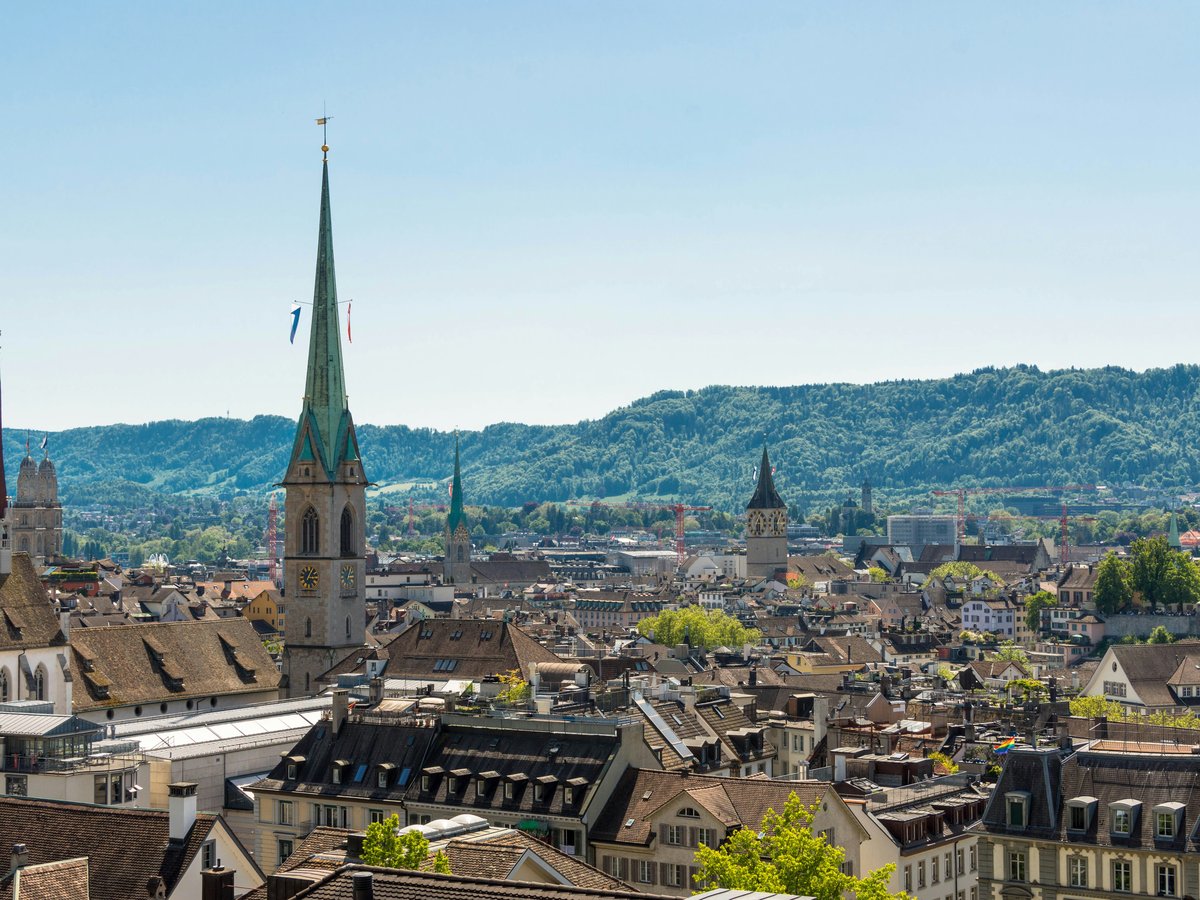
What cultural etiquette should I know for Zurich?
Zurich runs on punctuality and quiet. Arrive on time, even to casual dinners. Say 'Grüezi' to shopkeepers before asking anything. Sunday noise laws ban vacuuming, shared laundry machines, and glass-bottle recycling. Tipping is built into restaurant prices by federal law. Cover shoulders and knees inside the city's medieval churches on the Limmat.
The biggest cultural mistake visitors make in Zurich is showing up late. Swiss punctuality is not a stereotype, it is a social contract. If a dinner invitation says 19:00, you ring the doorbell at 18:55. Show up 10 minutes late to a home meal without calling ahead, and your host will notice. The food likely started without you. For greetings, 'Grüezi' is the default when you walk into a bakery on Niederdorfstrasse or ask for directions at Zürich HB. Among younger locals in Kreis 4 and 5, 'Hoi' works fine, but default to 'Grüezi' if in doubt. Handshakes are firm and brief. Three cheek-kisses (right-left-right) happen among close friends, never on first meeting, and never in a professional setting.
Sonntagsruhe, the Sunday quiet law, catches every visitor off guard at least once. On Sundays and public holidays you cannot run shared laundry machines, vacuum, take glass bottles to recycling bins (the clinking counts as noise), or mow a lawn. This is not a suggestion. Neighbors will report violations to building management, and municipal fines are swift. Quiet hours also run on weekday evenings after 22:00 and before 07:00. The practical impact for travelers is that almost every shop closes on Sundays. The mall inside Zürich HB and the airport are the two exceptions. Migros and Coop lock their regular branches entirely. Buy your Saturday groceries on Saturday, or plan on eating out.
At the table, the custom that trips up first-timers most is the toast. When you clink glasses, look each person at the table in the eye individually and say 'Proscht.' Skip the eye contact, and Swiss tradition says seven years of bad luck. With a table of 8 it feels labored, but everyone commits. You will also likely share a table with strangers at busy spots like Zeughauskeller near Paradeplatz, where the wooden benches seat about 400. Completely normal. A brief 'Grüezi' when you sit down, then you mind your own conversation. If you are ordering at a bakery-cafe like Sprüngli, wait to be acknowledged rather than calling out. The staff are fast, but they set the pace.
On the trams and S-Bahn, Zurich is quieter than most European transit systems. Phone calls happen but stay brief and low-volume. Hot food on board earns you looks, though a cold sandwich passes. Personal space matters here more than in most southern European cities. You'll notice locals fold their newspapers to half-width to avoid brushing someone's arm. Lake swimming at the Badis (Seebad Enge, Frauenbad at Stadthausquai) is a summer institution, and the atmosphere is relaxed. Run or shout at a Badi, though, and you'll draw stares. The mood stays calm, even when the temperature hits 33°C in August. One more thing. Recycling in Zurich is not optional. The city charges for regular waste via official Züri-Sack bags (about CHF 2 for a 35-litre bag), and sorting glass, paper, and PET into the correct bins is expected.
Cultural norms
Swiss German greetings follow a specific rhythm: shake hands firmly, maintain eye contact, and use "Grüezi" rather than the standard German "Hallo." In smaller shops or waiting rooms, greet everyone present when entering and say "Uf Wiederluege" when leaving. Conversations stay reserved at first; jumping to first names without invitation reads as presumptuous. At Grossmünster or Fraumünster, bare shoulders and short shorts draw looks, though neither church enforces a formal dress code. Fine-dining settings like Kronenhalle expect closed-toe shoes and a jacket for men; hiking gear marks you instantly.
On trams and S-Bahn trains, keep phone calls short and voices low. Fellow passengers will stare rather than confront you directly. Stand on the right side of escalators and leave the left clear. Tipping is not expected as it is in North America: service is included, but rounding up to the nearest franc or adding five to ten percent at a sit-down restaurant is appreciated. Pay the server directly rather than leaving cash on the table.
The most common tourist mistake is treating Sunday as a normal shopping day: nearly everything closes, and running a washing machine or vacuuming in an apartment building on a Sunday can provoke a written complaint from neighbours. Recycling is equally non-negotiable: using anything other than the official tax-stamped Züri-Sack for household waste risks a fine.
Greetings
'Grüezi' (sounds like 'GROO-tsee') for strangers, shopkeepers, and anyone over 30. 'Hoi' works among younger Zürchers in Kreis 4 and 5. Handshakes are firm and quick. Three cheek-kisses (right-left-right) among close friends only, never on a first meeting.
Don't do this
- Arriving late without calling ahead. Even 5 minutes past the stated time is noticed at a Swiss dinner.
- Running laundry machines, vacuuming, or dropping glass bottles into recycling bins on Sundays. Fines start around CHF 100.
- Skipping eye contact during a 'Proscht' toast. Locals consider it genuinely bad luck.
- Jumping queues at bakeries, the Migros checkout, or the post office.
- Speaking loudly on trams or trains. Passengers in SBB quiet cars enforce the rule directly.
- Littering, including cigarette butts. Street fines in the city of Zurich run CHF 80-300.
- Calling Swiss German 'German.' The local dialect is Züritüütsch, and the distinction matters to people here.
- Taking photos during active church services at Grossmünster or Fraumünster.
Tipping
Service is included in all restaurant bills by federal law. Most locals round up CHF 1-2 on a typical CHF 45 dinner. At bars, round to the nearest franc on a CHF 7 beer. Taxi drivers expect the same rounding. No tip jars, no pressure.
Dress code
Street wear is casual-smart. Jeans and trainers work everywhere, but shorts and flip-flops feel out of place at Kreis 1 restaurants near Bahnhofstrasse. Grossmünster and Fraumünster expect covered shoulders and knees. At the summer Badis along the lake, a standard swimsuit is all that's needed.
Religious norms
Grossmünster (founded 1201) and Fraumünster (founded 853) are active Reformed Protestant parishes, not museums. Remove hats inside both. Photography is allowed in the naves but not during services. At Fraumünster, the Marc Chagall stained-glass windows (installed 1970) draw visitors to the choir area, where volunteer wardens enforce quiet. Sunday services typically begin at 10:00.
Last verified by automated review (v1.7.2) on . What is automated review?