Stay in Chicago in July
94 hotels in the Trip.com pool for Chicago, from US$33 a night.
Opens Trip.com on Fri 2 Jul to Sun 4 Jul 2027; change the dates there.
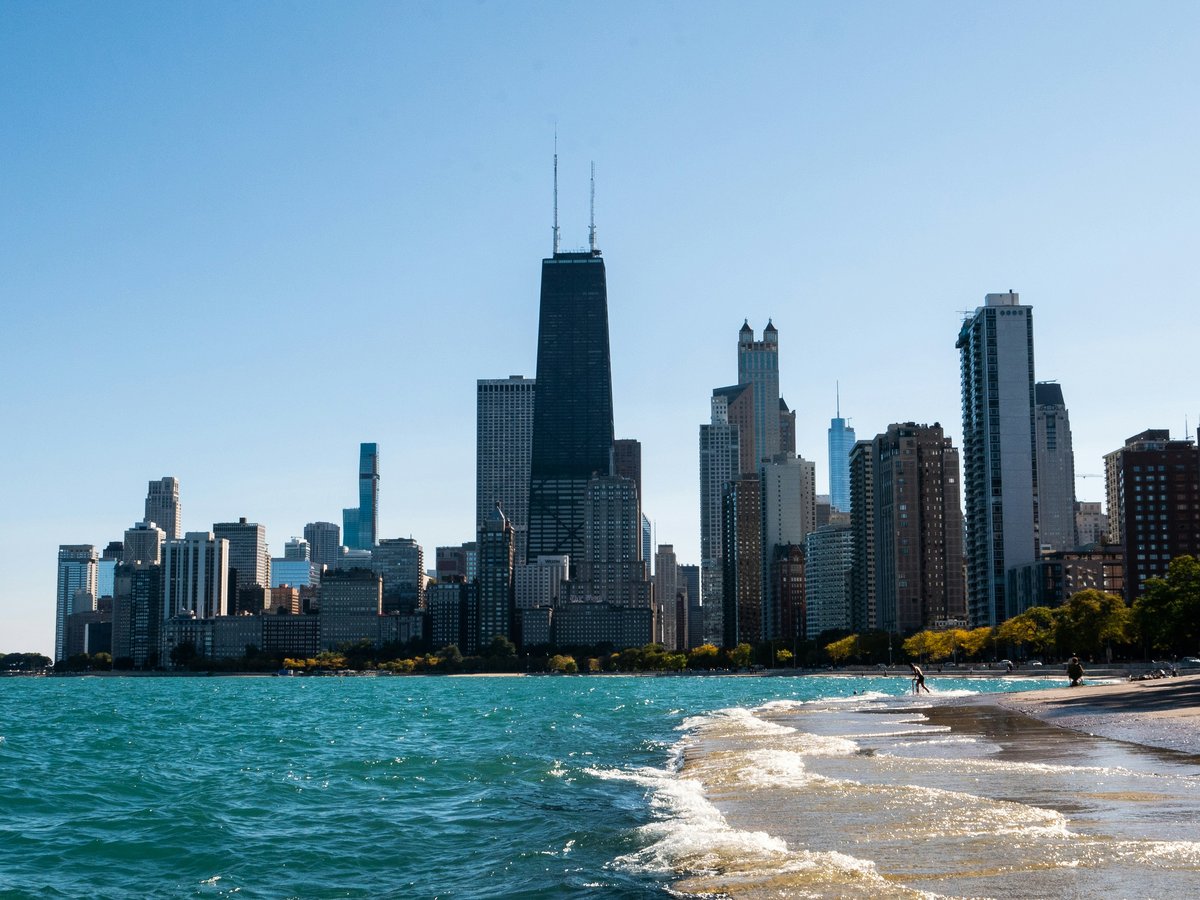
July is the month Chicago lives for. After 5 months of cold that regularly drops below freezing, the city pours itself outdoors the moment summer arrives, and July is the crescendo. Taste of Chicago fills Grant Park with food stalls in the first half of the month, Pitchfork Music Festival takes over Union Park around mid-July, and Lollapalooza closes things out on the final weekend. Daytime temperatures average 27°C (81°F), which tends to feel closer to 32°C (90°F) once 77% humidity off Lake Michigan factors in. The lakefront from North Avenue Beach south to the Museum Campus fills with swimmers, volleyball players, and runners by 9 a.m. on weekends.
That said, July is also Chicago's rainiest month. You'll likely see about 164mm of rain across roughly 12 days, typically as late-afternoon thunderstorms that build fast, drop heavy rain for 20 to 40 minutes, then clear. These storms can carry real lightning and briefly flood underpasses on Lower Wacker Drive. Hotel rates hit their annual ceiling, particularly around Lollapalooza weekend when downtown rooms can run 2 to 3 times their February prices.
If the humidity and peak pricing don't put you off, July rewards you with a city that's genuinely at its most social. Every neighborhood from Pilsen to Andersonville seems to run a street festival on any given weekend. Restaurant patios along Randolph Street stay full past 10 p.m. Sunset doesn't come until around 8:30 p.m., and the long twilight over the lake is worth the sweat.
Why visit in July
- Taste of Chicago, Pitchfork, and Lollapalooza all fall within the same 4-week stretch, making July the densest festival month on the Chicago calendar
- Lake Michigan water temperatures reach roughly 20-22°C (68-72°F), warm enough for actual swimming at North Avenue Beach and Montrose Beach
- Nearly every neighborhood runs at least one weekend street festival in July, from the Sheffield Garden Walk in Lincoln Park to Fiesta del Sol in Pilsen
- Daylight lasts until about 8:30 p.m., giving you 15+ hours of usable light for sightseeing, architecture tours, and lakefront walks
- The free concert series at Millennium Park's Pritzker Pavilion runs multiple evenings per week, with programs ranging from classical to world music
Worth knowing
- July averages 164mm of rainfall across 12 days, the highest of any month, often arriving as sudden, heavy thunderstorms that can strand you without shelter
- Humidity sits around 77% on average, and on the hottest days the heat index can push well past 38°C (100°F), making midday walking tours uncomfortable
- Hotel rates hit their annual peak, with downtown rooms near Grant Park sometimes exceeding 350 USD per night during Lollapalooza weekend
- Popular lakefront spots like North Avenue Beach and Navy Pier draw enormous weekend crowds, and CTA trains on the Red and Brown lines get packed
Best for
Think twice if
July is Chicago's warmest and wettest month. Expect warm, humid days that average 27.1°C (81°F) and don't cool off much at night, with lows around 19.2°C (67°F). The humidity at 77% makes the air feel thick, especially in the Loop where buildings trap heat. Rain comes on about 12 days, usually as afternoon or evening thunderstorms that build quickly over the western suburbs and roll into the city. Mornings tend to start clear and pleasant. You might get 3 or 4 consecutive dry days, then a stretch of daily storms. Wind off the lake provides some relief along the shoreline, where it can feel 3-5°C cooler than inland neighborhoods like Logan Square or Pilsen.
Seasonal caution
- Severe thunderstorms are common in July, occasionally producing damaging winds, large hail, and dangerous lightning. The National Weather Service issues warnings for the Chicago metro area several times most Julys. If you hear thunder, get off the lakefront and out of Grant Park immediately.
- Heat waves can push temperatures to 35-38°C (95-100°F) with heat indices above 43°C (110°F). Chicago's 1995 July heat wave remains one of the deadliest weather events in U.S. history. During heat advisories, limit midday outdoor exposure and stay hydrated.
- Rip currents on Lake Michigan are a genuine hazard, particularly after storms when wave patterns shift. Several drownings occur each summer. Swim only at lifeguarded beaches and check posted flag warnings.
Year-round climate
Averages from the last 5 years.
| Month | Avg high (°C) | Avg low (°C) | Rainfall (mm) |
|---|---|---|---|
| Jan | 0 | -7 | 68 |
| Feb | 2 | -6 | 52 |
| Mar | 9 | 0 | 97 |
| Apr | 14 | 5 | 83 |
| May | 19 | 11 | 91 |
| Jun | 27 | 17 | 102 |
| Jul | 27 | 19 | 164 |
| Aug | 27 | 19 | 102 |
| Sep | 24 | 16 | 83 |
| Oct | 18 | 10 | 111 |
| Nov | 10 | 2 | 55 |
| Dec | 4 | -3 | 67 |
Holidays and festivals in July
Public holidays
- Independence Day(Independence Day)5 July 2027
Headline events
Taste of Chicago
Early to mid-July, usually a Wednesday through Sunday
The largest outdoor food festival in the world, with 70+ vendors filling Grant Park over 5 days. Food-ticket based sampling lets you try everything from deep-dish pizza to jibarito sandwiches. Live music stages run simultaneously. Attendance typically reaches over 1 million across the event's run.
Lollapalooza
Last Thursday through Sunday of July
One of North America's largest music festivals, drawing around 100,000 attendees per day across 8 stages in Grant Park. Four days of rock, hip-hop, electronic, and pop acts. The festival effectively takes over the southern Loop, with road closures and satellite events at clubs throughout the city.
Best things to do in July
Swim and sunbathe at North Avenue Beach
outdoorNorth Avenue Beach is Chicago's flagship public beach, a wide crescent of sand with a steamship-shaped beach house, volleyball courts, and lifeguards on duty. The shallow entry is forgiving for families, and you can rent kayaks and stand-up paddleboards from the beach house.
Lake Michigan water temperatures reach 20-22°C (68-72°F) in July, making it the first month that's genuinely comfortable for swimming. By comparison, June water temps are still around 15-17°C.Booking tipArrive before 10 a.m. on weekends to claim sand space. The beach fills to capacity on hot Saturdays by noon.
Bike the Lakefront Trail
outdoorThe 30km (18.5-mile) Lakefront Trail runs from Ardmore Avenue on the north to 71st Street on the south, with dedicated bike and pedestrian lanes for most of its length. July's long daylight hours let you ride the full length with time to stop at beaches, harbors, and the Museum Campus.
The 15+ hours of daylight and warm evening temperatures make July ideal for after-work or sunset rides. The separated trail means you avoid city traffic entirely.Booking tipDivvy bike-share stations line the trail every few blocks. A day pass costs about 16.50 USD and is cheaper than most rental shops.
Catch a Cubs game at Wrigley Field
sportWrigley Field in the Lakeview neighborhood is one of the oldest ballparks in the country, built in 1914. July home games come with warm-weather rooftop seating on Waveland and Sheffield Avenues, where buildings across from the outfield sell rooftop tickets with food and drink included.
July is the heart of baseball season, and the Cubs typically play 12-15 home games this month. Warm evenings and the ivy-covered outfield walls at their peak green make July night games a distinct experience.Booking tipBleacher seats sell out first. Buy at least a week ahead for weekend games. Weeknight games against smaller-market teams are easier to get and cheaper.
Free concerts at Millennium Park
cultureThe Jay Pritzker Pavilion in Millennium Park hosts free outdoor concerts on Monday, Thursday, and Saturday evenings through July. Programs rotate between the Grant Park Orchestra's classical performances and a range of world music, jazz, and contemporary acts. You can sit on the Great Lawn with a blanket and bring your own food.
The summer concert series runs June through August, but July has the fullest schedule and the warmest evenings for sitting outdoors. The 8:30 p.m. sunset means you watch the performance shift from daylight to twilight.Booking tipNo tickets needed. The lawn is first-come seating. Arrive 45 minutes early with a picnic blanket for a good spot on popular Saturday nights.
Kayak the Chicago River
outdoorSeveral outfitters along the Chicago Riverwalk rent single and tandem kayaks for self-guided trips through the heart of downtown. You paddle between the glass-and-steel walls of the Loop, passing under Michigan Avenue and looking up at Marina City's corn-cob towers from water level.
July's warm water and air temperatures make falling in a non-issue, and the long evenings mean you can do a sunset paddle that finishes around 9 p.m. The river is calmer than the lake.Booking tipWeekend afternoon slots fill fast. Book 3-5 days ahead online, or try for a weekday evening slot, which is typically available same-day.
Explore Pilsen's murals and galleries
culturePilsen, Chicago's historically Mexican-American neighborhood along 18th Street, has one of the densest concentrations of outdoor murals in the country. The National Museum of Mexican Art on 19th Street is free and houses over 10,000 works. July's Second Fridays gallery walk opens private studios and pop-up exhibitions.
Pilsen's Fiesta del Sol, the largest Latino festival in the Midwest, typically falls in late July. The neighborhood's outdoor art and street life peak when warm weather draws everyone outside.Booking tipThe National Museum of Mexican Art is always free. No reservation needed, though summer weekends are busier than weekdays.
Architecture boat tour on the Chicago River
sightseeingThe Chicago Architecture Center's river cruise runs 90 minutes through the main branch and south branch of the Chicago River, with docent narration covering over 50 buildings including the Wrigley Building, Tribune Tower, and Aqua Tower. July's clear mornings make for sharp views and good photography.
July offers the warmest conditions for the open-air upper deck, and the 15+ hours of daylight mean even the last departure of the day (typically around 7 p.m.) finishes in golden light rather than darkness.Booking tipThis is Chicago's single most popular tour. Book at least a week ahead in July. The first morning departure is least crowded and has the softest light.
Neighborhood street festival hopping
cultureChicago runs over 20 permitted street festivals in July alone, where neighborhoods block off a few blocks, set up stages with live bands, and line the streets with food and drink vendors. Sheffield Garden Walk in Lincoln Park and Square Roots in Lincoln Square are among the more established ones.
The street festival season runs roughly June through September, but July has the densest calendar. Most weekends offer 2-3 simultaneous festivals across different neighborhoods.Booking tipMost street festivals charge a small suggested donation (5-10 USD) at the gate. Check the Chicago Reader's event listings for the current month's schedule.
What to eat in July
In season: fruit
Michigan blueberries
Fresh blueberries from farms across Lake Michigan in southwest Michigan arrive at Chicago farmers' markets by early July. Green City Market in Lincoln Park and the Logan Square Farmers Market typically carry several varieties through the end of the month.
Street food peaks
Elote and esquites
Mexican grilled corn on the cob (elote) and its off-the-cob cousin (esquites) peak alongside the corn harvest. Street carts in Pilsen along 18th Street sell ears coated in mayo, cotija, chili powder, and lime for about 3-5 USD.
Chicago-style hot dogs
July is peak outdoor hot dog season. The classic Chicago dog, an all-beef frankfurter on a poppy seed bun with mustard, relish, onion, tomato, pickle spear, sport peppers, and celery salt, sells at stands from Portillo's locations to neighborhood spots like Jim's Original on South Halsted.
Italian ice
Chicago's Italian ice tradition comes from the city's deep Italian-American roots on the Near West Side. Mario's Italian Lemonade on Taylor Street in the Little Italy neighborhood draws lines down the block on July evenings. The lemon, watermelon, and cantaloupe flavors are made from real fruit.
In markets
Illinois sweet corn
The Midwest sweet corn harvest hits full stride in mid-July. Ears show up at Green City Market in Lincoln Park and at stands throughout the city, often picked that morning. Roasted corn with chili-lime butter appears on restaurant menus across Wicker Park and Logan Square.
Regular events in July
Pitchfork Music Festival
A 3-day indie and alternative music festival in Union Park on the Near West Side, drawing around 20,000 attendees per day. Smaller and more curated than Lollapalooza, with a strong focus on independent and emerging artists. The crowd tends younger and more music-focused.
Mid-July, Friday through SundaySummerDanceFree
Free outdoor dance lessons and live performances in the Spirit of Music Garden in Grant Park. Each session features a different style, from salsa and swing to house music and Afrobeat, with a 1-hour lesson followed by a live band. Runs Thursday, Friday, and Saturday evenings.
Thursdays, Fridays, and Saturdays throughout JulySheffield Garden Walk
One of Chicago's oldest garden walks, where residents in the Sheffield neighborhood of Lincoln Park open their private gardens to the public. Around 80-100 gardens participate, ranging from tiny courtyard plots to elaborate multi-level designs. Live music and food vendors set up along the route.
A Saturday and Sunday in mid to late JulyFiesta del SolFree
The largest Latino festival in the Midwest, filling Cermak Road in Pilsen with food vendors, live music across multiple stages, a carnival midway, and community organization booths. Runs 4 days and draws over 1 million visitors total. Free admission.
Late July, typically Thursday through SundayChicago Craft Beer Festival
A rotating selection of over 100 craft beers from Illinois breweries, held in various locations depending on the year. Local breweries from neighborhoods like Ravenswood, Pilsen, and Logan Square pour samples alongside food trucks.
A Saturday in mid-JulySquare Roots
Lincoln Square's annual sidewalk music festival and street fair along Lincoln Avenue, featuring 40+ live acts on 4 stages alongside local food vendors and family activities. The neighborhood's German heritage shows up in the food selection.
A Friday through Sunday in mid-JulyBest places this July
Chicago Riverwalk
waterfrontThe 2km pedestrian walkway along the south bank of the main branch of the Chicago River comes alive in July with wine bars, kayak launches, and outdoor seating at restaurants like City Winery. The stretch between State Street and Lake Street has the most dining options. Evening temperatures in the low 20s°C make it comfortable for a post-dinner stroll.
LoopMontrose Beach and the Magic Hedge
beachMontrose Beach on the North Side is quieter than North Avenue Beach and has a more relaxed atmosphere, popular with families and the LGBTQ+ community. The adjacent Montrose Point Bird Sanctuary, locally called the Magic Hedge, is a surprisingly good birding spot even in midsummer, with resident orioles and cedar waxwings in the mulberry trees.
UptownGreen City Market
marketChicago's premier farmers' market runs year-round but peaks in July, when Illinois sweet corn, tomatoes, stone fruits, and blueberries from Michigan arrive in quantity. Located in Lincoln Park between Clark Street and Stockton Drive, the Wednesday and Saturday morning markets draw both home cooks and restaurant chefs.
Lincoln ParkThe 606 (Bloomingdale Trail)
parkThis elevated rail-trail-turned-park runs 4.3km (2.7 miles) through Bucktown, Wicker Park, Humboldt Park, and Logan Square, about 5 meters above street level. July's long evenings make it ideal for sunset walks or runs with views across the neighborhood rooftops. Native wildflower plantings along the trail bloom through midsummer.
BucktownPromontory Point
viewpointA man-made limestone peninsula in Burnham Park on the South Side, Promontory Point in Hyde Park is one of Chicago's best sunset spots, facing north toward the downtown skyline across 8km of open lake. Locals gather on the rocks with coolers and grills on July evenings. The University of Chicago campus is a 15-minute walk west.
Hyde ParkNational Museum of Mexican Art
museumLocated at 1852 West 19th Street in Pilsen, this is the only nationally accredited Latino art museum in the country. The permanent collection spans 3,000 years from pre-Columbian artifacts to contemporary works. Always free. July visits pair well with exploring Pilsen's outdoor mural scene on the surrounding blocks.
PilsenMillennium Park and Cloud Gate
parkAnish Kapoor's Cloud Gate sculpture (locals call it the Bean) sits in the northwest corner of the park, reflecting the skyline in its polished surface. In July, the Crown Fountain's two 15-meter glass towers project video faces and release sheets of water that children play in, functioning as a free splash pad. The park's Lurie Garden blooms with native prairie plants through midsummer.
Loop
Your packing checklist
Tick items off as you pack. Your progress saves in this browser.
All packed — have a great trip.
Insider tips
The water taxi along the Chicago River (the Shoreline Sightseeing route from Michigan Avenue to Chinatown) costs about 6 USD per ride and moves faster than a rideshare in July traffic. It stops at the Riverwalk, Willis Tower, and Chinatown, and the breeze off the water is a relief on humid days.
Green City Market's Wednesday morning session (7 a.m. to 1 p.m.) has the same vendors as the packed Saturday market but draws about a third of the crowd. Arrive by 8 a.m. for the best sweet corn selection before restaurants buy it up.
For Lollapalooza, the aftershows at smaller clubs like Metro in Wrigleyville, Empty Bottle in Ukrainian Village, and Thalia Hall in Pilsen often feature the same acts in a 500-person room for a fraction of the festival ticket price. Lineups drop about 2 weeks before the festival.
The Divvy bike-share system is the fastest way to move along the lakefront on summer weekends, when Lake Shore Drive traffic stalls and CTA buses slow down. The Lakefront Trail has dedicated bike lanes with stations every few blocks from Edgewater to Hyde Park.
Skip Navy Pier for dinner. The restaurants inside are overpriced and the food is mediocre. Instead, walk 10 minutes south to the Riverwalk, where the same views come with better food and lower prices at places like Tiny Tapp and Island Party Hut.
Avoid these mistakes
- Booking a hotel for Lollapalooza weekend without checking the dates first. The festival falls on the last weekend of July, and downtown room rates can double or triple. Hotels in Wicker Park or Logan Square, both on the Blue Line with a 15-minute ride to the Loop, often run 40-50% cheaper than the Loop itself.
- Planning a full day of outdoor sightseeing between noon and 3 p.m. without a break. When humidity pushes the heat index above 38°C (100°F), sustained walking through shadeless areas like the Museum Campus or the Lakefront Trail becomes genuinely dangerous. Schedule museums or an air-conditioned lunch for those hours.
- Staying entirely in the Loop and River North. Downtown is where the major festivals and architecture live, but the real texture of July in Chicago is in the neighborhoods. Pilsen, Logan Square, Andersonville, and Hyde Park each have their own food, art, and street life that you won't find within walking distance of Michigan Avenue.
- Assuming Lake Michigan is a calm, pool-like body of water. After storms, waves can reach 1-2 meters and rip currents form near piers and breakwaters. Drownings happen every summer. Swim only at lifeguarded beaches and pay attention to the flag warning system.
Practical tips for July
Book downtown hotels at least 6-8 weeks ahead for any July weekend, and further out for Lollapalooza (late July). CTA day passes (5 USD for unlimited rides) are the best transit value, as the L trains connect the airports, downtown, Wrigley Field, and most neighborhoods on this list. Restaurants in popular areas like Wicker Park's Division Street and the Fulton Market district take reservations on Resy or OpenTable, and July weekend dinner slots fill 3-5 days out. Street festivals typically run 11 a.m. to 10 p.m. and accept cash and cards. Most museums offer free admission on certain days, though schedules vary. The Art Institute of Chicago, for example, offers Illinois residents free entry on select evenings. Lollapalooza has a clear-bag policy. Taste of Chicago uses a food-ticket system, so bring cash to buy tickets at the gate, though many vendors now also take cards directly. Tipping at restaurants is 18-22% in Chicago, slightly higher than the national average. UV index in July regularly reaches 8-10, so reapply sunscreen every 2 hours if you're near the lake.
FAQ
Is July a good time to visit Chicago?
July is one of the best months for Chicago if you want the city at full energy. The temperature averages 27°C (81°F), the lake is warm enough to swim, and the festival calendar is the fullest of any month. The trade-offs are real, though. July is Chicago's rainiest month at 164mm, humidity runs 77%, hotel rates peak (especially around Lollapalooza), and popular spots like North Avenue Beach and Millennium Park get very crowded on weekends. If you want similar weather with fewer crowds and lower prices, June and September are strong alternatives.
What is the weather like in Chicago in July?
Warm and humid. Average highs reach 27.1°C (81°F) and lows settle around 19.2°C (67°F), though individual days can push past 32°C (90°F) during heat waves. Humidity averages 77%, which makes the air feel heavier than the temperature alone suggests. Rain falls on about 12 days, totaling 164mm for the month, usually as afternoon or evening thunderstorms that pass within 30-40 minutes. Mornings tend to be clear and pleasant, so early starts work well for outdoor plans.
Is Chicago crowded in July?
Yes. July is Chicago's peak tourism month, driven by Taste of Chicago (early-mid July), Pitchfork Music Festival (mid-July), and Lollapalooza (last weekend). Downtown and the lakefront are noticeably more crowded than in spring or fall. The Loop gets congested during festival setup and teardown, and CTA trains fill up on weekend afternoons. That said, neighborhoods like Andersonville, Hyde Park, and Bridgeport stay comparatively quiet even in peak summer, so the crowds are concentrated rather than citywide.
What should I wear in Chicago in July?
Light, breathable clothing. Linen, cotton blends, or moisture-wicking synthetics handle the humidity better than heavy cotton. Shorts and sandals are fine for casual settings and the lakefront. Bring a light jacket or hoodie for restaurants and museums, which run strong air conditioning. Comfortable shoes that can handle wet surfaces are important, as afternoon storms leave puddles. If you're attending festivals in Grant Park, expect muddy conditions by the end of the weekend, so leave your good sneakers at the hotel.
How far in advance should I book hotels for Chicago in July?
At least 6-8 weeks for any standard July weekend. For Lollapalooza weekend (the last weekend of July), booking 3-4 months ahead is advisable, as downtown hotels near Grant Park sell out early and rates can reach 2-3 times their off-season prices. Consider staying in Wicker Park, Logan Square, or Pilsen for lower rates and better restaurant access. All three neighborhoods connect to the Loop in 15-20 minutes via the Blue or Pink CTA lines.
Things to Do in Chicago in July
 Free cancellation
 Chicago River 90-Minute Architecture Tour
Cruise: 1.5 hours, free cancellation.
via Viator Free cancellation
 Chicago River 45-Minute Architecture Tour from Magnificent Mile
Cruise: 45 minutes, free cancellation.
via Viator Free cancellation
 Original Chicago Architecture Interiors Tour: Dazzling Interiors
City tour: 2 hours, free cancellation.
via Viator Free cancellation
 Chicago's Delicious Downtown Donut Tour with 8 Amazing Tastings
City tour: 2 hours, free cancellation.
via Viator Free cancellation
 Chicago Architectural River Cruise
Cruise: 1.5 hours, free cancellation.
via Viator Free cancellation
 Chicago's Chinatown Food and Walking Tour
City tour: 3 hours, free cancellation.
via ViatorFind a flight to Chicago
Live fares to Chicago appear here once cookies are accepted.
Last verified by automated review (v1.7.2) on . What is automated review?