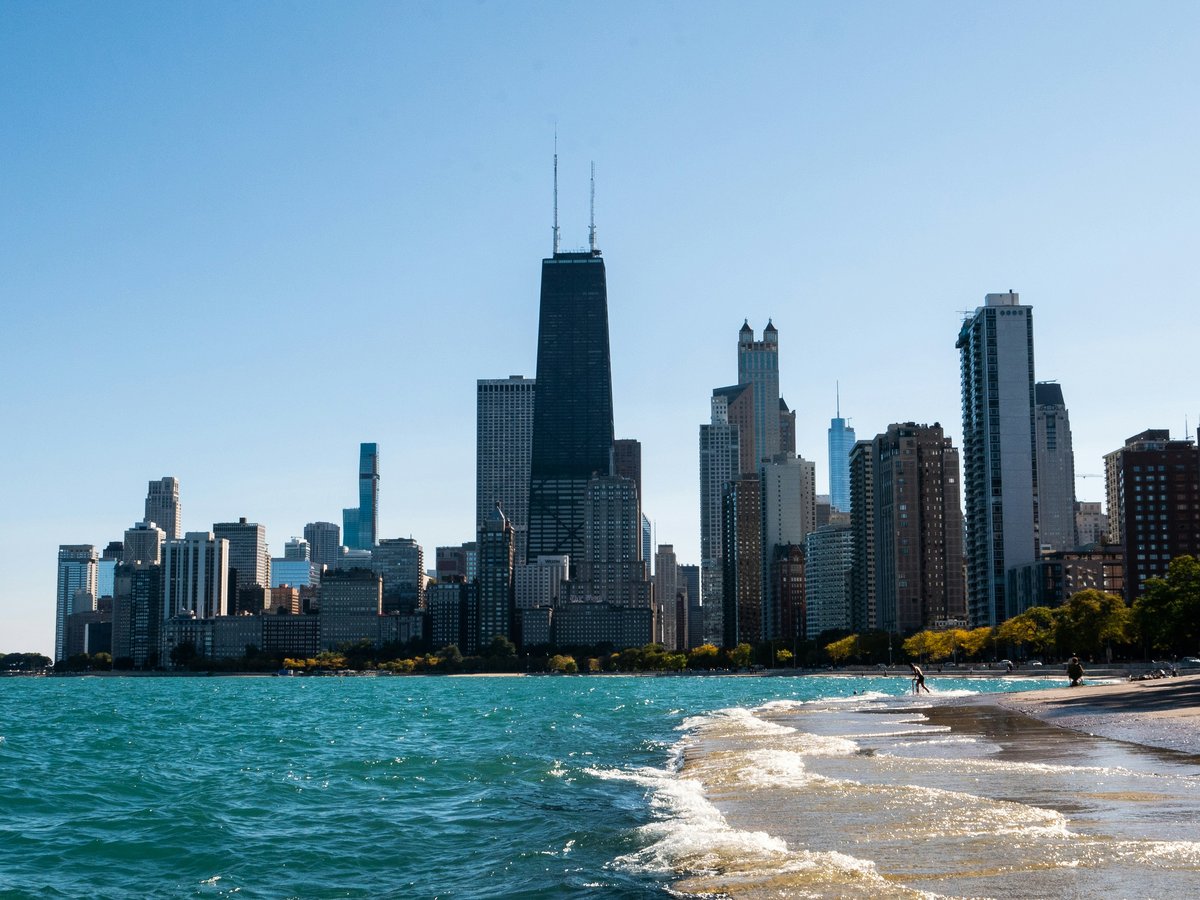
Chicago has always been a city that makes things. That manufacturing DNA still shows up in its shopping, from leather goods stitched in Horween's tannery on Ashland Avenue (operating since 1905) to hot sauce bottled on the South Side. The Magnificent Mile gets most of the tourist attention, and it earns some of it, but the more interesting shopping tends to happen in the neighborhoods. Wicker Park, Andersonville, Pilsen, Logan Square. These are the stretches where independent boutiques and vintage shops still hold leases, though rents have been climbing steadily since 2018. Illinois charges a combined sales tax of 10.25% in Chicago, one of the highest rates in the country, so factor that into anything big. Worth noting, the city's food products might be its strongest souvenir category. Garrett Popcorn, Intelligentsia coffee, local hot sauces from Small Axe Peppers. You'll find more worth carrying home from a grocery shelf on Milwaukee Avenue than from most gift shops on Michigan Avenue.
Shopping districts
-
The Magnificent Mile (North Michigan Avenue)
mid-range to luxuryThis 13-block stretch of North Michigan Avenue between the Chicago River and Oak Street still draws around 22 million visitors a year, though foot traffic has shifted since 2020 and several flagship stores have closed or relocated. You'll find the big department stores here, Nordstrom and Saks Fifth Avenue in particular, along with chains like Nike, Apple, and Zara anchoring the vertical malls at 900 North Michigan and Water Tower Place. The street feels polished and wide, wind cutting off the lake in winter hard enough to make your eyes water. To be fair, it is touristy, but the concentration of stock means you can comparison-shop luxury brands in a single afternoon walk. The blocks north of Chicago Avenue tend to skew higher-end, while the southern half near the river has more accessible price points.
Best for: Department store shopping, luxury brands, and international visitors looking for familiar names
-
Oak Street
luxuryOne block north of where Michigan Avenue ends, Oak Street runs west toward Rush Street with a tight row of high-end boutiques. Hermès, Prada, and Jimmy Choo hold storefronts here, and the sidewalks are noticeably quieter than the Mag Mile. The street is short, maybe 3 blocks of retail, and feels more like a Gold Coast neighborhood shopping strip than a tourist corridor. Women in cashmere walking small dogs. That sort of atmosphere. Prices start high and stay there, but the browsing is free and some of the window displays are genuinely well done, especially around the holidays.
Best for: High-end fashion, designer accessories, and browsing without the Michigan Avenue crowds
-
Wicker Park and Bucktown (Milwaukee, Damen, and North Avenues)
mid-rangeThe triangle where Milwaukee, North, and Damen intersect has been Chicago's independent retail center for 20-odd years now. Vintage shops like Kokorokoko sit near newer boutiques, and the mix still leans creative. Record stores, locally designed clothing, small-batch skincare. The Bucktown side along Damen north of North Avenue tends slightly more polished and expensive, with home goods stores and upscale children's shops appearing over the past 5 years. Walk south on Milwaukee toward Division Street and things get grittier, with thrift stores and streetwear spots. You might notice the smell of roasting coffee drifting out of one of the 4 or 5 cafes in a 2-block radius. Saturday afternoons here feel like the whole neighborhood is out.
Best for: Vintage clothing, independent designers, vinyl records, and locally made goods
-
Andersonville (North Clark Street)
mid-rangeThis stretch of Clark Street between Foster and Berwyn on the North Side still has a Swedish bakery or two as a nod to its Scandinavian roots, though the neighborhood's character now comes from its mix of LGBTQ-owned businesses, antique shops, and independent bookstores. Women & Children First, one of the last feminist bookstores in the country, has been here since 1979. The antique shops tend toward mid-century furniture and estate jewelry, priced fairly but not cheap. The sidewalks are tree-lined and the pace is slower than Wicker Park. You'll find shops that have been open 15 or 20 years next to newer arrivals. The density of restaurants makes it easy to combine shopping with a long lunch.
Best for: Antiques, independent bookstores, home goods, and neighborhood browsing
-
Pilsen (18th Street)
budget to mid-rangePilsen's commercial strip along 18th Street between Halsted and Western runs through the heart of Chicago's largest Mexican-American neighborhood. The shopping here is unlike anywhere else in the city. You'll find quinceañera dress shops with enormous tulle gowns in the windows, boot stores selling handmade leather cowboy boots from Guanajuato and Jalisco, and panaderías where the scent of fresh conchas and cuernos hits the sidewalk by 6 AM. The neighborhood murals are reason enough to walk the street. Retail prices tend to be lower than the North Side, and many stores are family-operated, some for 2 or 3 generations. The weekend foot traffic is heavy, with families, art students from nearby UIC, and tourists mixing on narrow sidewalks.
Best for: Mexican artisan goods, leather boots, bakeries, and culturally specific items you will not find elsewhere in Chicago
-
Logan Square (Milwaukee Avenue and Logan Boulevard)
mid-rangeMilwaukee Avenue through Logan Square has seen rapid commercial turnover since 2015, with craft cocktail bars and design-forward shops replacing older businesses. The retail here tends toward curated. Think small-batch ceramics, letterpress stationery, and specialty plants from shops like Sprout Home. Wolfbait & B-girls carries clothing and accessories from over 80 Midwest designers and makers, which gives it a feel distinct from the imported-from-Brooklyn aesthetic of some newer arrivals. The boulevard itself is one of Chicago's widest, lined with graystone two-flats. Shopping here pairs well with the neighborhood's strong coffee scene, anchored by Gaslight Coffee Roasters and others.
Best for: Midwest-made goods, curated boutiques, plants, and specialty food items
-
State Street (Loop)
budget to mid-rangeState Street in the Loop was once Chicago's dominant retail corridor, home to Marshall Field's flagship store (now Macy's on State Street, occupying an entire city block since 1907). The Tiffany mosaic ceiling on the main floor is still worth seeing regardless of whether you buy anything. The street has lost ground to Michigan Avenue and online shopping over the past 2 decades, and some storefronts sit empty. That said, the remaining stores tend to offer more accessible prices than the Mag Mile, and the foot traffic from office workers and CTA riders keeps the street feeling alive on weekdays. The Block 37 mall connects to the CTA underground, which is convenient when the wind chill drops below minus 15.
Best for: Accessible retail, the historic Macy's building, and combining shopping with Loop sightseeing
-
Chinatown (Wentworth Avenue and Archer Avenue)
budgetChicago's Chinatown, centered on Wentworth Avenue south of Cermak Road, is one of the oldest in North America, with commercial roots going back to the 1910s. The shopping leans practical. Herbal medicine shops with walls of labeled drawers, kitchenware stores selling woks and clay pots at prices well below Williams Sonoma, and bakeries with egg tarts warm from the oven for under 2 dollars each. Chinatown Square, the outdoor mall on Archer Avenue, added more restaurants and retail in the 1990s. The neighborhood has been expanding south along Wentworth, with newer bubble tea shops and dessert spots drawing a younger weekend crowd. Prices here are some of the lowest for specialty goods anywhere in the city.
Best for: Asian groceries, tea, kitchenware, herbal medicine, and inexpensive specialty food items
Markets
-
Maxwell Street Market
flea and foodChicago's oldest continuously operating open-air market has been running since 1912, though it moved from its original Maxwell Street location to Desplaines Street on the Near West Side. It draws a heavily Mexican and Central American vendor base, and the food stalls are the real draw. Pork chop sandwiches sizzling on flat-top grills, elotes slathered in mayo and chili powder, tamales sold from foil-lined coolers. You'll find new and used clothing, tools, electronics, and household goods spread on tables and tarps. Bargaining is normal here, especially for used goods and clothing. The crowd tends local, with families, bargain hunters, and the occasional chef sourcing dried chiles.
Sundays, 7 AM to 3 PM, year-round
-
Randolph Street Market
antique and vintageThis indoor market takes over the former Plumbers Hall at 1340 West Washington Boulevard roughly once a month, filling the space with vintage furniture, mid-century lighting, estate jewelry, and antique housewares. Admission typically runs around 10 dollars. The vendor quality tends to be higher than typical flea markets, with dealers who specialize in specific eras or categories. You might find a 1960s Danish teak credenza next to a booth of Victorian cameo brooches. The building itself is a large event space, so the layout feels more organized than a street market. Expect crowds shortly after opening, especially for the holiday editions in November and December.
Last weekend of most months, check their schedule for exact dates
-
Green City Market
farmers and foodChicago's premier farmers market operates outdoors in Lincoln Park near the south end of the park, between Armitage and North Avenues, from May through October. Around 50 vendors sell produce, meat, cheese, bread, and prepared foods, and the emphasis is on sustainable and organic farming from the Midwest. You'll see chefs from nearby restaurants filling canvas bags alongside neighborhood families. The cheese selection from Wisconsin and Indiana producers is particularly strong. In winter months, the market moves indoors to the Peggy Notebaert Nature Museum. Prices are farmers-market-level, which means higher than Jewel-Osco but lower than Whole Foods for comparable quality.
Wednesdays and Saturdays, 7 AM to 1 PM, May through October (indoor winter schedule varies)
-
Renegade Craft Fair
artisan and craftRenegade started in Chicago in 2003 and still holds its flagship event in Wicker Park, typically in September. Around 400 makers set up along Division Street and in the adjacent park, selling handmade jewelry, ceramics, prints, textiles, leather goods, and candles. The vibe skews young and design-conscious, and this is a strong spot for finding gifts that feel genuinely made rather than mass-produced. Free admission. Vendor quality has been consistently high, and many Chicago-based makers debut new product lines here. The September timing means weather can range from warm sun to a chilly drizzle off the lake.
Annual event, typically a weekend in September
-
Chicago Night Market at Argyle
night market and foodArgyle Street in Uptown, sometimes called Little Saigon, hosts a summer night market modeled after Southeast Asian street markets. The 2-block stretch fills with food vendors selling pho, banh mi, grilled skewers, and Thai iced tea, alongside booths with Asian groceries, handmade crafts, and community organizations. The lantern-lit street has a warm, crowded feel, and the smell of charcoal and lemongrass carries from one end to the other. The event draws heavily from the Vietnamese, Thai, and Chinese communities that have anchored Argyle since the 1970s. Attendance can reach several thousand on a good weather night.
Select Saturday evenings in summer, typically June through August
-
Daley Plaza Farmers Market
farmers and foodEvery Thursday from mid-May through late October, the plaza underneath the Picasso sculpture in the Loop fills with farm stands, prepared food vendors, and flower sellers. The location in the heart of downtown makes it popular with office workers grabbing lunch and tourists who happen across it. The scale is smaller than Green City Market, maybe 30 vendors, but the convenience is hard to beat if you are already sightseeing in the Loop. Illinois-grown sweet corn in August and September is a highlight. The surrounding concrete and steel of the Daley Center gives it a distinctly urban backdrop.
Thursdays, 7 AM to 3 PM, mid-May through late October
Souvenirs worth bringing home
Skip the skyline magnets and "I Heart Chicago" mugs. The things worth packing are edible or locally made. Garrett Popcorn's Chicago Mix (caramel and cheese popcorn together, which sounds wrong but works) has been a local staple since the original shop opened on Madison Street in 1949. A tin travels well. Intelligentsia Coffee, founded in Chicago in 1995, roasts beans at their facility in the Fulton Market district, and a bag of their Black Cat espresso blend is a better gift than most things on Michigan Avenue. For hot sauce, Small Axe Peppers makes varieties from peppers grown in Chicago community gardens on the South and West Sides. Leather goods from Horween-tanned leather are a step up in price. Horween is one of the last remaining tanneries in the US, operating on the North Branch of the Chicago River since 1905, and several local makers sell wallets, belts, and bags using their shell cordovan and chromexcel hides. You'll find these at Renegade Craft Fair or shops in Wicker Park. For something more affordable, grab a jar of giardiniera, the pickled pepper relish that Chicagoans put on Italian beef sandwiches and hot dogs. Marconi brand is the local standard. A box of Frango mints has sentimental value for anyone who remembers Marshall Field's, though production moved out of the building years ago. Chicago-themed prints and posters from local printmakers, especially the Flatstock poster show crowd, tend to be well-designed and easy to carry.
Practical tips
- Sales tax
- Chicago's combined sales tax rate is 10.25%, one of the highest in the US. That applies to most goods. Groceries (unprepared food) are taxed at a lower rate of around 1 to 2 percent. There is no VAT refund system in the United States, so international visitors cannot reclaim sales tax on purchases. What you see on the price tag is the pre-tax price. The tax gets added at the register.
- Bargaining norms
- Fixed prices are the standard in Chicago retail, and attempting to negotiate at a boutique or department store will get you a polite but firm no. The exceptions are flea markets like Maxwell Street, antique stores (where asking 'is this your best price' is normal and often knocks 10 to 15 percent off), and estate sales. At farmers markets, prices are set, but vendors sometimes cut deals on bulk purchases or at the end of the day when they would rather not haul produce home.
- Store hours
- Most retail stores in Chicago open between 10 and 11 AM and close between 6 and 8 PM. Sunday hours tend to be shorter, often 11 AM to 5 or 6 PM. The Mag Mile and Loop department stores stay open later, often until 8 or 9 PM on weekdays. Neighborhood boutiques in Wicker Park, Logan Square, and Andersonville sometimes keep irregular hours, especially on Mondays and Tuesdays, when a few close entirely. Check before making a special trip.
- Payment methods
- Credit and debit cards are accepted nearly everywhere in Chicago, including most farmers market vendors, who typically use Square or similar mobile readers. Contactless payment via Apple Pay or Google Pay works at most chain stores and an increasing number of independents. Maxwell Street Market is the main exception, where many vendors still prefer cash. Some smaller vendors at craft fairs and pop-ups may also be cash-only, so carrying 40 or 50 dollars in small bills for market days is a reasonable precaution.
- Getting around shopping areas
- The CTA Red and Blue Lines connect most major shopping districts. The Red Line runs through the Loop, Gold Coast (for Michigan Avenue and Oak Street), Wicker Park, Andersonville, and Chinatown. The Blue Line hits Logan Square and Wicker Park. The 8 Halsted bus runs past Maxwell Street Market. Ride-shares are easy to get but can be slow during weekend afternoons in Wicker Park and Bucktown, where traffic on Milwaukee Avenue tends to crawl.
- Seasonal timing
- Holiday shopping on the Mag Mile between late November and Christmas Eve is festive but crowded, with the lights along Michigan Avenue drawing extra foot traffic. Summer weekends are peak for outdoor markets and neighborhood shopping. January and February are cold enough to thin out crowds noticeably, and several stores run winter clearance sales. The Randolph Street Market's November and December holiday editions are popular for gift shopping. If you want the best vintage and antique selection, arrive early. The serious buyers show up within the first hour.
FAQ
Is shopping on the Magnificent Mile still worth it, or has it declined?
The Mag Mile lost several large tenants between 2020 and 2023, and some storefronts remain empty. That said, anchor stores like Nordstrom, Saks Fifth Avenue, and the Apple Store are still there, and the vertical malls at 900 North Michigan and Water Tower Place still have strong tenant mixes. It remains the most concentrated stretch of mainstream retail in the city. The experience feels less dominant than it did 10 years ago, but for visitors who want department store and brand-name shopping in a walkable corridor, it still delivers.
Where can I find vintage and secondhand clothing in Chicago?
Wicker Park and Bucktown have the highest concentration of vintage shops, clustered along Milwaukee Avenue and side streets near the Damen Blue Line stop. Andersonville on the North Side has a few strong antique and vintage stores along Clark Street. For thrift stores at lower price points, the Village Discount Outlet locations on the South and West Sides carry enormous unsorted inventory. Estate sales, listed on EstateSales.net, happen nearly every weekend across the suburbs and city neighborhoods, and tend to offer better prices on clothing and accessories than curated vintage shops.
What are the best areas for food shopping and specialty groceries?
Chinatown along Wentworth Avenue has multiple Asian grocery stores with produce, sauces, and dried goods at low prices. Devon Avenue on the far North Side (around Western Avenue) is the center for Indian and Pakistani groceries, spices, and sweets. Pilsen's 18th Street has Mexican bakeries, butchers, and grocery stores. For upscale food shopping, the Fulton Market district has several specialty shops and Eataly Chicago in River North carries Italian imported goods across 3 floors. Green City Market in Lincoln Park is the top farmers market for local produce and artisan cheese.
Do I need to worry about safety while shopping in Chicago?
The major shopping districts covered here, including Michigan Avenue, Wicker Park, Andersonville, Lincoln Park, Logan Square, and the Loop, are generally safe for visitors during daytime and evening hours. Standard city precautions apply. Keep your phone and wallet in a front pocket on crowded streets, stay aware of your surroundings on the CTA, and avoid leaving purchases visible in a parked car. Maxwell Street Market draws large crowds and pickpocketing can happen, so keep bags close.
Can international visitors get a tax refund on purchases in Chicago?
No. The United States does not have a VAT refund or tax-free shopping program for international visitors. The 10.25% sales tax charged in Chicago is final and non-refundable. Some states like Oregon, Montana, and New Hampshire have no sales tax at all, but Illinois is not among them. This is different from shopping in the EU, UK, or many Asian countries where tourist tax refund schemes are common.
When is the best time of year to visit Chicago for shopping?
Late September through early November gives you comfortable walking weather (highs around 10 to 20 degrees Celsius), the tail end of outdoor market season, and the Renegade Craft Fair in Wicker Park. The holiday season from late November through December is festive but cold and crowded, especially along Michigan Avenue. Summer weekends from June through August are peak season for farmers markets and street festivals, many of which include vendor markets. January and February are bitterly cold (highs around minus 5 to minus 2 Celsius) but winter clearance sales bring prices down noticeably at most retailers.
Last verified by automated review (v1.7.2) on . What is automated review?