What cultural etiquette should I know for Chicago?
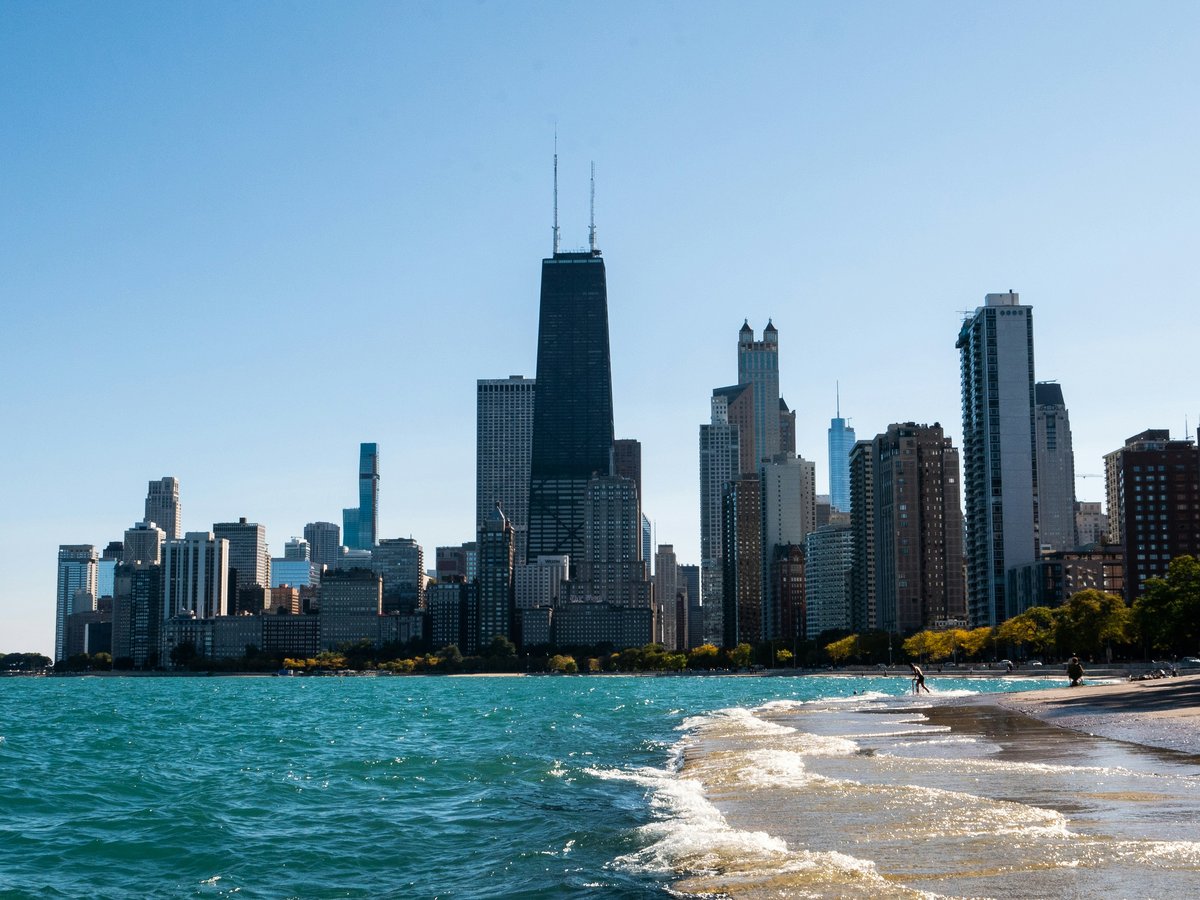
Chicago runs on Midwestern directness wrapped in genuine friendliness. Tip 18-20% at restaurants without exception. Never call the lake an ocean. Learn to order an Italian beef properly (say "wet" or "dipped, sweet peppers" at Al's #1 on Taylor Street). Small talk with strangers is normal here, not suspicious.
Chicagoans are talkers. Strangers at the bar, on the L platform at Belmont, in the checkout line at Mariano's. You might get asked where you're from before you've set your bags down. This is not a scam or a come-on. It's Midwestern baseline. Respond. A flat "I'm good" when someone asks how you're doing reads as rude here in a way it wouldn't in New York or San Francisco. The flip side of that warmth is directness. If you're blocking the left side of an escalator at the Washington/Wabash stop, someone will tell you. Move right, stand still, let people pass on the left. That's the unwritten L rule, and about 12 million annual CTA riders enforce it daily without hesitation.
Tipping in Chicago is not optional. Servers in Illinois currently earn a tipped minimum wage of $9.00 per hour, well below the state's $14.00 standard minimum. At a sit-down restaurant, 18-20% is the floor, not the ceiling. At a bar, $1-2 per drink or 20% on a tab. Your barber or stylist expects 15-20%. Coffee shops with tip jars are genuinely discretionary, but $1 on a latte won't raise eyebrows. Coat check at a place like the Palmer House Hilton runs $2-3 per item. Hotel housekeeping gets $3-5 per night, left on the pillow or nightstand with a note so it's clearly intentional. Uber and Lyft drivers expect a tip through the app. Skipping tips at a sit-down meal is the single fastest way to be remembered badly.
Food ordering has its own dialect. At an Italian beef joint like Johnnie's Beef on North Avenue in Elmwood Park or Al's #1 Italian Beef on Taylor Street, you need to know your terms before you reach the counter. "Wet" means extra jus ladled over the sandwich. "Dipped" means the entire roll goes into the jus. "Sweet" means sweet peppers, "hot" means giardiniera. Say "combo wet with hot" and you'll get a sausage-and-beef sandwich dripping with jus and topped with spicy giardiniera. Hesitate or ask too many questions at a busy counter and you'll get skipped. At a deep-dish place like Lou Malnati's on State Street, expect a 45-minute wait for your pizza. That's not slow service. That's how deep-dish works. Order appetizers. Don't call it "a pie" unless you want a look.
Chicago is a neighborhood city, and each neighborhood has its own codes. In Pilsen, the historically Mexican-American neighborhood along 18th Street, you'll hear Spanish as often as English and you're expected to greet shopkeepers when entering small businesses. In Chinatown along Wentworth Avenue, pointing at dishes in the display case is perfectly normal ordering behavior. In Bronzeville along King Drive, the historical weight of the neighborhood matters: it was the center of the Great Migration, and locals take that heritage seriously. In Andersonville along Clark Street, the historically Swedish neighborhood now known for its LGBTQ+ community, you'll find a casual, welcoming vibe where most businesses display pride flags year-round, not just in June. Read each neighborhood on its own terms rather than applying a single "Chicago" template.
Public behavior has firm norms. Don't litter: Chicagoans will confront you, especially in parks along the lakefront. Pick up after your dog on the Lakefront Trail or face genuine hostility from runners and cyclists. On the CTA, don't eat smelly food, don't play music without headphones, and give up priority seats for elderly and disabled riders. Jaywalking is technically illegal but universally practiced, just don't do it stupidly in front of traffic on Michigan Avenue. Smoking is banned indoors everywhere and within 15 feet of building entrances. The city takes its recycling blue bins seriously in some neighborhoods and not at all in others, but making an effort is noticed.
Cultural norms
Chicagoans greet with a firm handshake and direct eye contact. Strangers on the sidewalk will say "how's it going" without expecting more than a nod or brief "good" in return. Conversations run frank and fast. Midwestern politeness is warm but not formal, so first names are standard even in professional settings. If someone holds a door, acknowledge it; ignoring the gesture reads as genuinely rude.
Dress is practical and seasonal. Winter demands real layering (a proper coat, not a fashion jacket) and locals will notice if you are underprepared for Lake Michigan wind. At the Art Institute or Symphony Center, smart casual is fine; no venue requires a suit unless a specific event calls for one. Churches on the South and West sides appreciate covered shoulders during services, though no one will turn you away.
On the CTA, stand to the right on escalators and let passengers exit before boarding. Eating on the L is technically permitted but widely frowned upon. Tipping is not optional: twenty percent at restaurants, a dollar per drink at bars, two to five dollars for hotel valets. Skipping a tip at a sit-down restaurant is the fastest way to offend your server. And the most familiar local taboo: never put ketchup on a hot dog. At a stand like Portillo's, you will hear about it.
Greetings
A simple "hey, how's it going" works everywhere from Lincoln Park wine bars to Harold's Chicken on the South Side. Chicagoans tend to greet strangers casually and expect a response. A nod or quick "good" is the minimum. Ignoring a greeting reads as cold, not private.
Don't do this
- Never put ketchup on a hot dog. At Portillo's, Superdawg, or Jim's Original on Maxwell Street, asking for ketchup on a Chicago-style dog will get you either a flat refusal or a lecture. Mustard, onion, relish, tomato, pickle, sport peppers, celery salt. That's the canon.
- Don't call deep-dish pizza "real Chicago pizza" to a local who prefers tavern-style thin crust cut in squares. Tavern-style is what most Chicagoans eat at neighborhood spots like Pat's Pizza on Lincoln Avenue. Deep-dish tends to be more of an event or a tourist occasion.
- Avoid wearing rival sports gear into the wrong neighborhood bar on game day. A Packers jersey at a Bears watch party at any bar on Clark Street in Lincoln Park is a provocation, not a fashion choice.
- Don't claim parking spots with lawn chairs (the "dibs" system) unless you shoveled out the space after a snowstorm. Dibs season runs roughly December through March, and violating someone's dibs in Bridgeport or Canaryville has led to slashed tires and worse.
- Never litter on the lakefront. Chicago Park District issues fines up to $500, and the social enforcement from runners and cyclists along the Lakefront Trail is swift and vocal.
- Don't block the doors on a crowded L car. Move to the center. The recorded announcement says it every 90 seconds, and the sighs of commuters on the Red Line at Grand during rush hour say it louder.
Tipping
Tip 18-20% at sit-down restaurants. $1-2 per drink at bars. $2-3 per coat check item. $3-5 per night for hotel housekeeping. Tip Uber/Lyft drivers through the app. Illinois tipped minimum wage sits at $9.00/hour, so gratuity is a real part of server income here.
Dress code
Chicago is casual-practical. Jeans work at most restaurants outside the Alinea or Smyth tier. From November through March, function beats fashion. Layering matters when the wind chill on Michigan Avenue hits negative 20°F. Summer is shorts and sandals everywhere except a few West Loop fine-dining rooms that still expect closed-toe shoes.
Religious norms
Chicago is one of America's most religiously diverse cities, with over 2,700 houses of worship. Remove shoes when entering mosques and Hindu temples in Devon Avenue's corridor. Cover shoulders and knees at traditional churches. Head coverings are expected for women at Orthodox churches in Ukrainian Village. During Ramadan, be mindful of fasting neighbors. Always ask before photographing worshippers.
Last verified by automated review (v1.7.2) on . What is automated review?