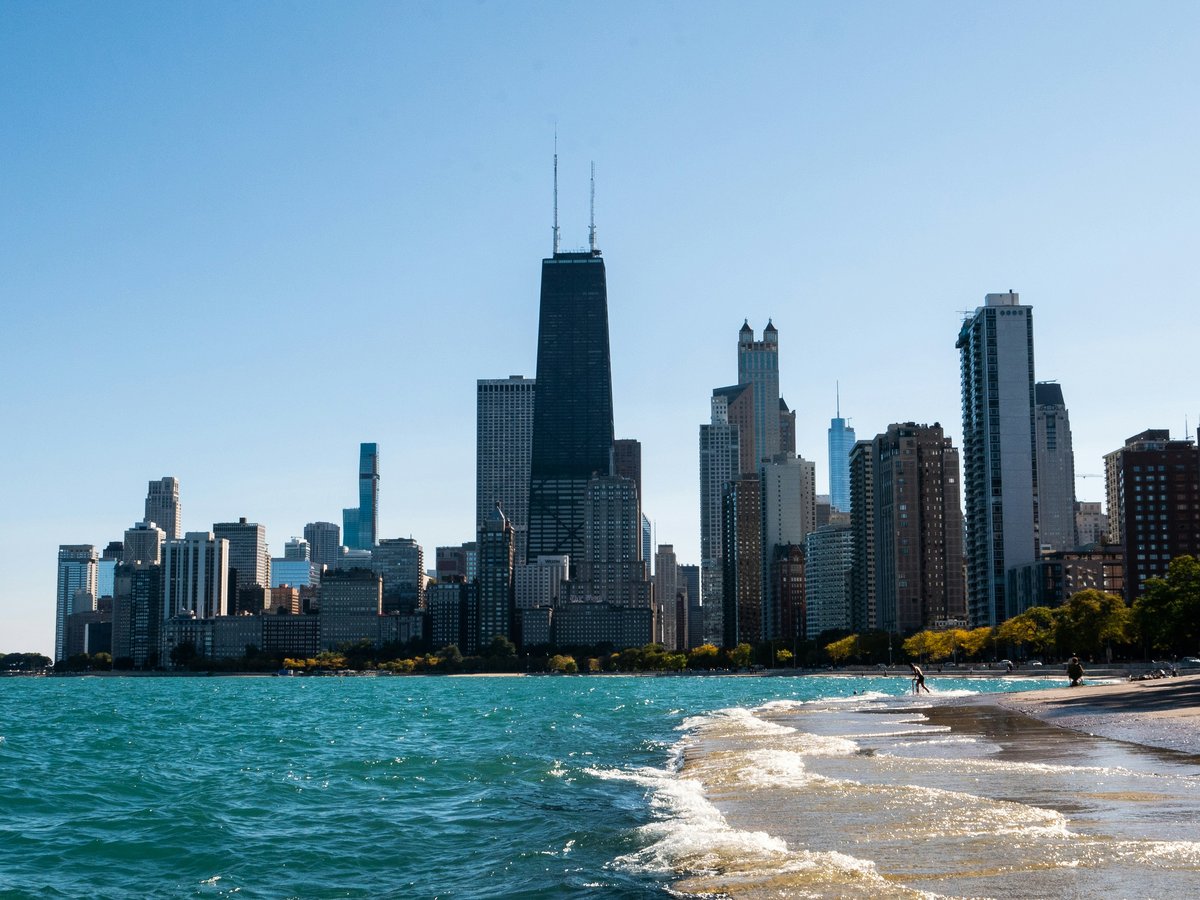
Chicago for first-time visitors
Of the 24 places on the 2 lists picked for first-time visitors in Chicago, 11 post opening hours, the earliest opening at 07:00 and the latest closing at 02:00. Willis Tower, Franklin Center (Chicago) and 900 North Michigan lead the picks.
Chicago for first-timers, in numbers
- Picks on this page
- 24 places across 2 lists, led by Willis Tower, Franklin Center (Chicago), 900 North Michigan
- Posted hours
- 11 picks post hours earliest 07:00, latest 02:00; 1 open by 09:00, 5 past 21:00
Questions first-timers ask about Chicago
-
Must-see
The Art Institute of Chicago, founded in 1879, holds the largest Impressionist collection outside France. Start in Gallery 240 with Seurat's 'A Sunday on La Grande Jatte.' General admission is $35, and the museum sits at the south edge of Millennium Park on Michigan Avenue, so Cloud Gate is a 5-minute walk from the exit.
Read the full answer → -
Best time to visit
Late May through mid-October is when Chicago works best for a first visit. September and early October bring the clearest skies, temperatures around 18-24°C (65-75°F), and lower hotel rates than summer. June is the backup pick if you want longer daylight and Lake Michigan warm enough to tolerate. Avoid January and February, when wind chill regularly drops to -20°C.
Read the full answer → -
Airport to city
Take the CTA Blue Line from O'Hare (ORD) to downtown Chicago. It costs $5, runs 24 hours a day, and reaches the Loop in about 45 minutes. From Midway (MDW), the Orange Line costs $2.50 and takes 25 minutes to the Loop. Both trains beat taxis on price and, during rush hour, on speed.
Read the full answer → -
How to get there
Chicago has two airports. O'Hare International (ORD), 27 km northwest of the Loop, handles most domestic and all long-haul flights on United and American. Midway (MDW), 16 km southwest, is Southwest Airlines territory. Nonstop from New York takes 2.5 hours at $120-250 round-trip. From London, 8.5 hours on BA or United at $600-900. Amtrak's Union Station connects 30+ US cities by rail.
Read the full answer → -
Getting around
The CTA L train is Chicago's transit backbone. Eight color-coded lines cover most visitor destinations, and the Blue and Red lines run 24 hours. A Ventra card costs $5 and loads with pay-per-ride at $2.50 per train trip. Uber and Lyft fill the gaps after dark and for neighborhoods the L misses.
Read the full answer →
Curated for first-timers
-
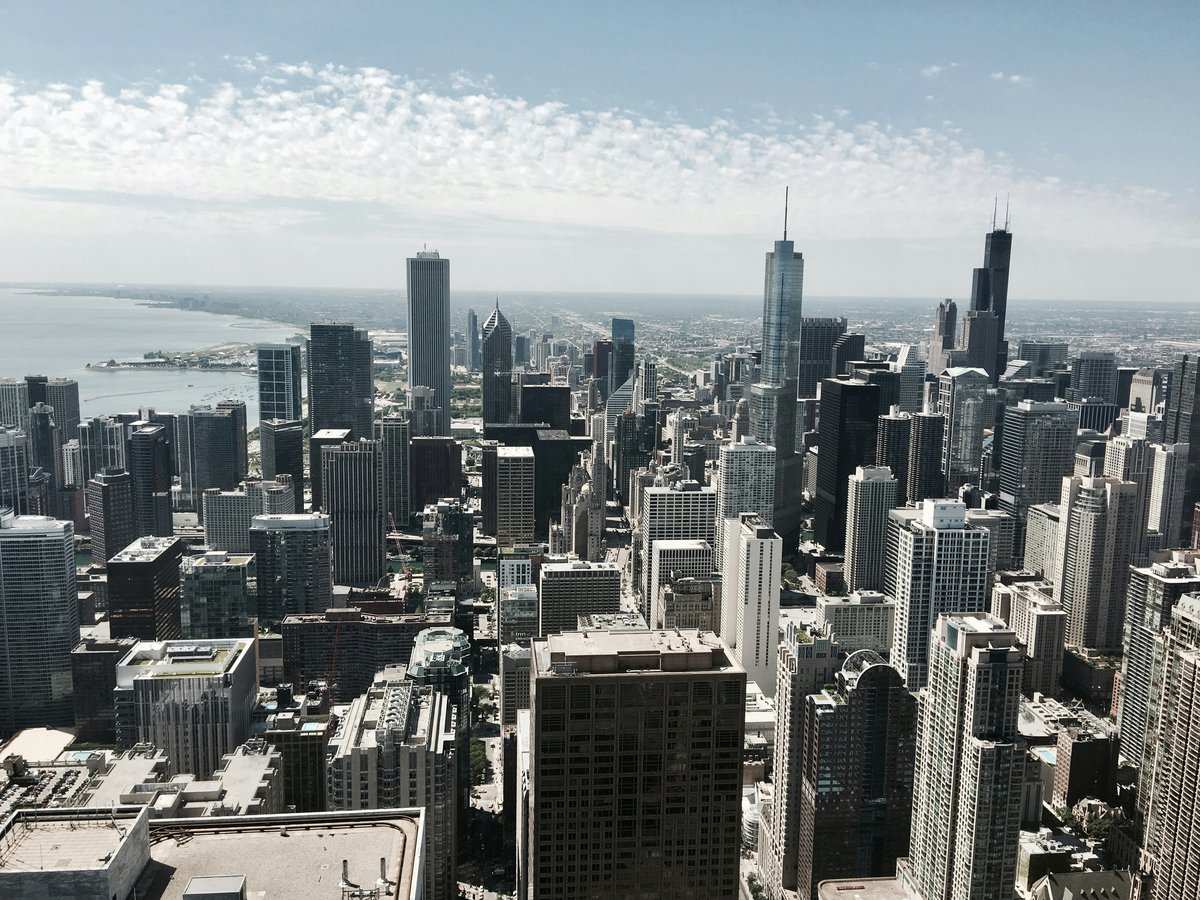
Must-see attractions
Chicago's must-see list is not a parade of postcards; it is a working city's architecture, faith, art and stagecraft standing shoulder to shoulder across a few walkable miles of the Loop and the Near North Side. What follows is twelve places that reward a visitor who wants to understand the city rather than tick it: a skyscraper that redefined the skyline, a cathedral that anchors a whole archdiocese, a mirrored sculpture that made a public square a stage, four working theatres, two more houses of worship at opposite ends of Michigan Avenue, a shopping tower, a Loop landmark of glass and steel, and the pier the lake was built around. Some are free, some cost, all are open to the public. Read them in this order and you will have walked the argument Chicago has been making for itself for more than a century.
See the picks → -
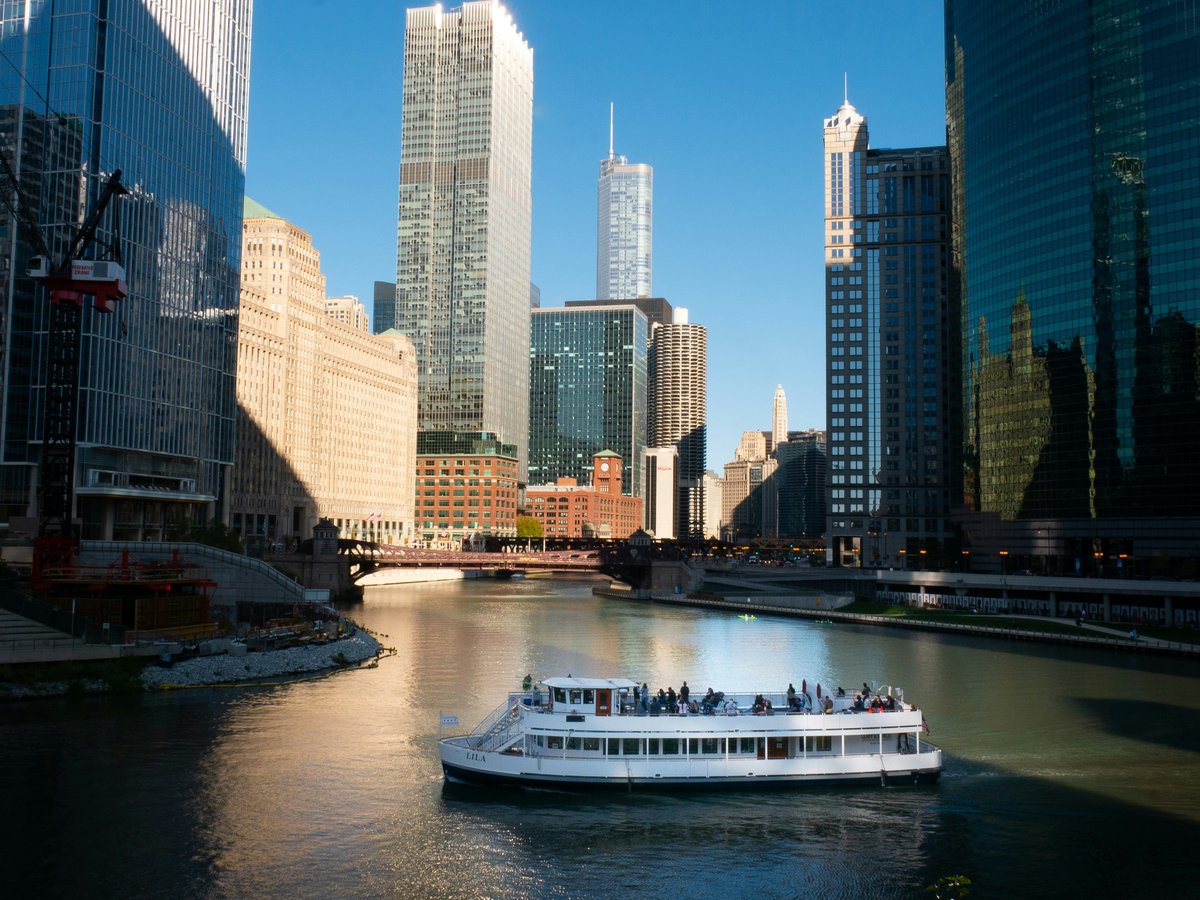
Best restaurants
Chicago's Loop is not where most food writers send you, and that is exactly the reason to eat here. The dozen rooms below sit within a few blocks of one another between Adams, Monroe, Madison and Jackson, close enough that you could walk the whole list in a lunch hour and still argue about which door to open first. The mix is honest to what the neighborhood is: a century-old German dining room, two deep-dish counters that made the city's name, a hotel dining room built for people who want breakfast at 07:00, a couple of quick Middle Eastern and Asian counters wired for the lunch rush, and a handful of Italian rooms that hold the evening after the offices empty. Skip the tourist mile on Michigan and eat in the working Loop instead; the food is better, the addresses are easier to find, and the hours line up with a real day of walking. Every claim below (every street number, every closing time, every cuisine) is cited to a verifiable source. Use the phone numbers to book; use the addresses to walk.
See the picks →