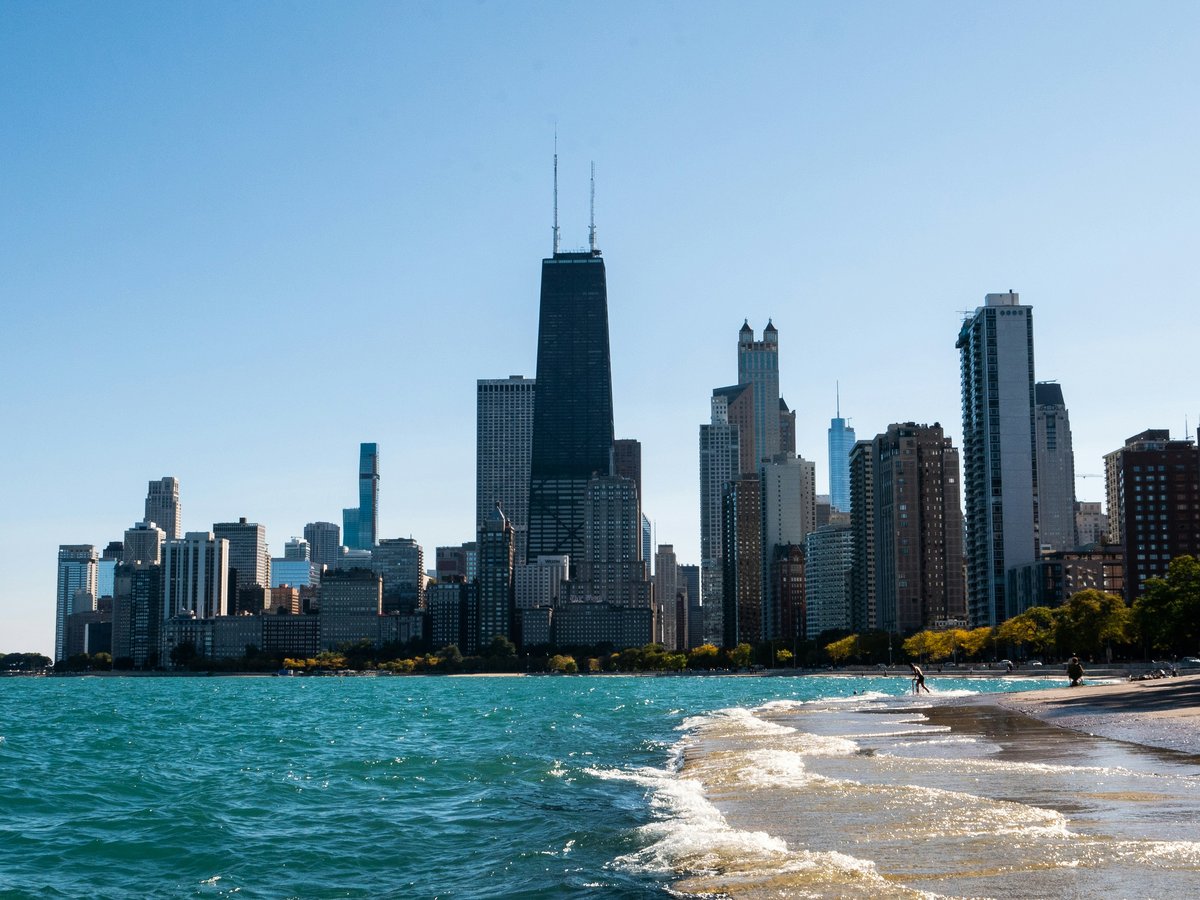
Chicago for families
Chicago scores 8.5 out of 10 for families, 17th of the 130 cities TTDI measures. The 2 lists picked for families in Chicago carry 24 places. Willis Tower, Franklin Center (Chicago) and 900 North Michigan lead the picks.
Chicago for families with kids, in numbers
- Score for families
- 8.5 out of 1017th of 130 cities
- Picks on this page
- 24 places across 2 lists, led by Willis Tower, Franklin Center (Chicago), 900 North Michigan
Questions families with kids ask about Chicago
-
Family-friendly
Chicago scores 8.5/10 for family friendliness (see the TTDI Family-Friendliness Index). The Museum of Science and Industry, Lincoln Park Zoo (free admission year-round), and Maggie Daley Park's 3-acre climbing playground are genuine full-day draws for ages 2 through 14. Flat lakefront paths handle strollers well. Summer humidity and winter wind are the real asterisks, not the city itself.
Read the full answer → -
Is it safe?
Chicago scores 5.8 out of 10 for solo-traveler safety (see the TTDI Solo-Safety Index). Crime concentrates on the South and West Sides, away from tourist zones. The North Side neighborhoods visitors frequent, Lincoln Park, Lakeview, the Loop, carry risk comparable to other large US cities. Stay on well-traveled CTA corridors after dark and budget for rideshares past 11 PM. Emergency: 911.
Read the full answer → -
What to pack
Pack layers for Chicago's lake-driven temperature swings. A June morning at 18°C in Lincoln Park can hit 30°C by noon in the Loop. Bring a packable rain jacket for May-September afternoon storms, broken-in walking shoes for the Magnificent Mile's 1.6 km of concrete, and SPF 50 sunscreen for the 30-km Lakefront Trail. Moisture-wicking shirts over cotton. Skip toiletries. Walgreens stores appear every 4 blocks downtown.
Read the full answer → -
Getting around
The CTA L train is Chicago's transit backbone. Eight color-coded lines cover most visitor destinations, and the Blue and Red lines run 24 hours. A Ventra card costs $5 and loads with pay-per-ride at $2.50 per train trip. Uber and Lyft fill the gaps after dark and for neighborhoods the L misses.
Read the full answer → -
Best time to visit
Late May through mid-October is when Chicago works best for a first visit. September and early October bring the clearest skies, temperatures around 18-24°C (65-75°F), and lower hotel rates than summer. June is the backup pick if you want longer daylight and Lake Michigan warm enough to tolerate. Avoid January and February, when wind chill regularly drops to -20°C.
Read the full answer →
Curated for families with kids
-
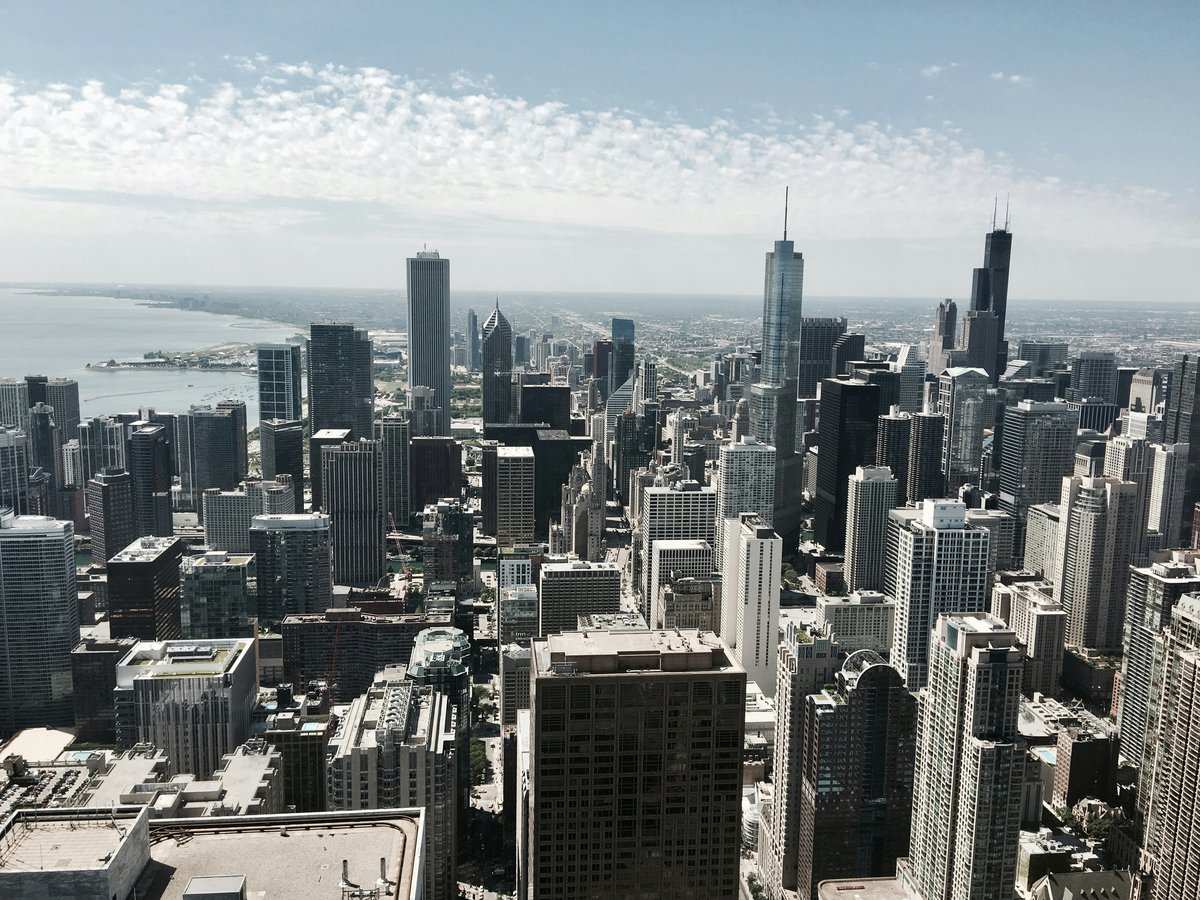
Must-see attractions
Chicago's must-see list is not a parade of postcards; it is a working city's architecture, faith, art and stagecraft standing shoulder to shoulder across a few walkable miles of the Loop and the Near North Side. What follows is twelve places that reward a visitor who wants to understand the city rather than tick it: a skyscraper that redefined the skyline, a cathedral that anchors a whole archdiocese, a mirrored sculpture that made a public square a stage, four working theatres, two more houses of worship at opposite ends of Michigan Avenue, a shopping tower, a Loop landmark of glass and steel, and the pier the lake was built around. Some are free, some cost, all are open to the public. Read them in this order and you will have walked the argument Chicago has been making for itself for more than a century.
See the picks → -
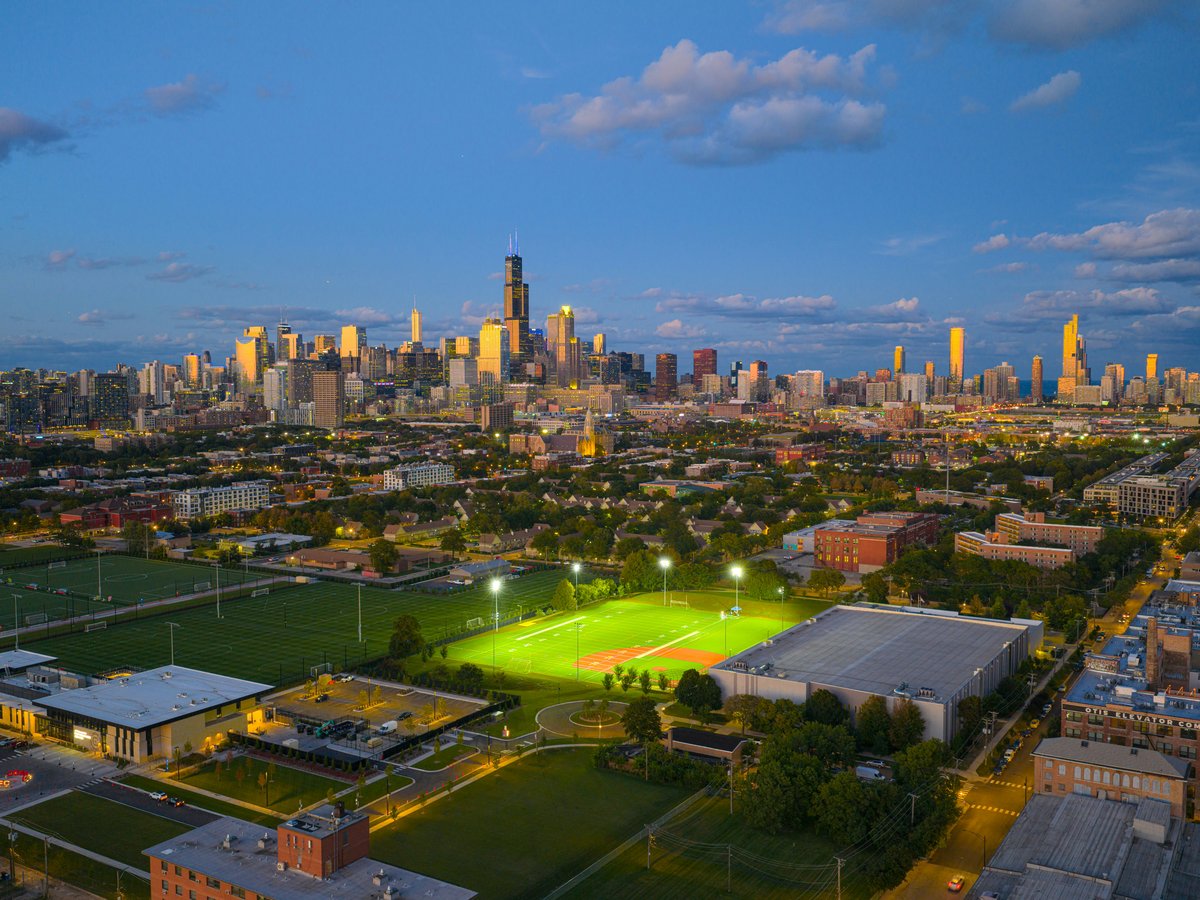
Best museums
Chicago's museum stock is unusually deep for a single American city, and the twelve that follow are the ones a local editor sends visitors to first. Two of them, the Field Museum of Natural History and the Kenneth C. Griffin Museum of Science and Industry, anchor the natural-science end. Two more, the Art Institute of Chicago and the Museum of Contemporary Art, cover the split between the historical canon and the living one. The rest fan out into specialisms: a planetarium on the lake, a settlement house on Halsted, an archaeology museum on the University of Chicago campus, a military library on South Michigan, a broadcast museum near the river, a photography museum inside a college, a Greek-American museum in Greektown, and an architecture center on Wacker. Skip the day-pass hop between the marquee three and pick the four that match your interests; a single museum done properly beats three done fast.
See the picks →