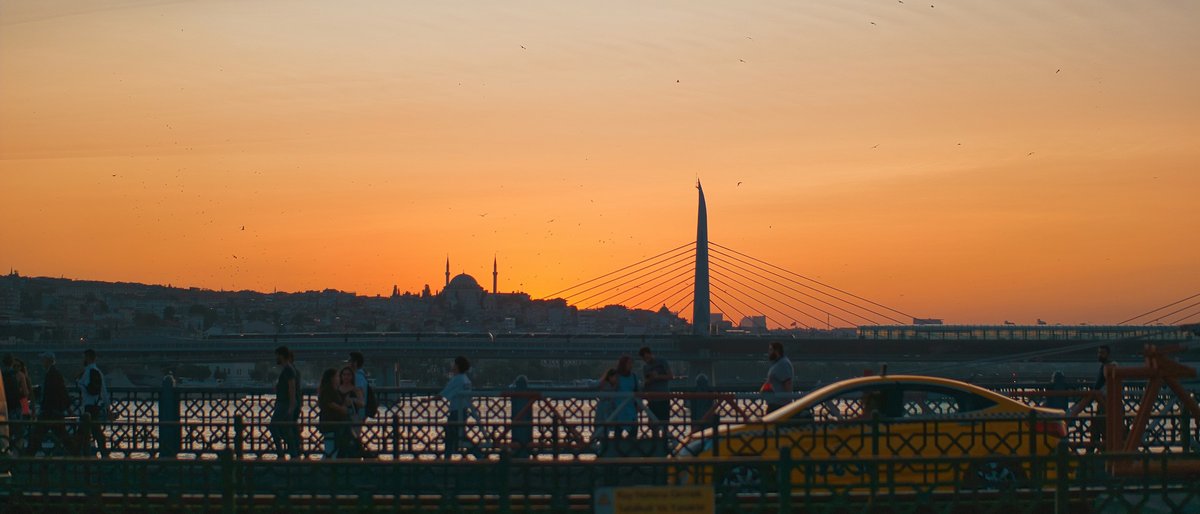
Istanbul might be the only city where the most memorable moments tend to cost nothing at all. The call to prayer rolling across the Golden Horn at sunset, the smell of roasted chestnuts and simit drifting from a cart on the Galata Bridge, the way late-afternoon light filters through the stained glass of Süleymaniye Camii — no ticket booth gatekeeps any of it. The city's imperial mosques remain free to enter. Its hillside parks give you panoramic views across two continents. And its street culture — fishermen lining the bridge railing, tea gardens tucked into every neighborhood, cats sleeping on warm car hoods — hands you the texture of the place without you ever reaching for your wallet. That said, a few formerly free landmarks have introduced entry fees in recent years, most notably Hagia Sophia in early 2024. So this guide sticks to what's genuinely free right now. No tricks, no asterisks, no 'free with a catch.' Just the city as it rewards those willing to walk it.
Free attractions
-
Süleymaniye Camii
Mimar Sinan's greatest work, and it costs nothing to step inside. The interior is cooler than you'd expect, even in July — the dome seems to float above you, held up by light pouring through hundreds of small windows. What most visitors skip is the garden cemetery behind the mosque where Süleyman the Magnificent and Hürrem Sultan are buried. Also free. The courtyard offers one of the better views down toward the Golden Horn, and the whole complex is noticeably quieter than the Sultanahmet tourist zone.
FatihMosque -
Sultan Ahmed Camii (Blue Mosque)
The six minarets are the skyline signature, but the real draw is inside: over 20,000 handmade İznik tiles in blue and white patterns that seem to ripple when the light shifts. Currently still free to enter as a place of worship, though visitor access is managed through a designated entrance and you'll likely queue during peak hours. The interior smells of old carpet and wood polish. Come early in the morning or just before the late-afternoon prayer for the smallest crowds — the light is better then anyway.
SultanahmetMosque -
Rüstem Paşa Camii
This one is easy to walk right past. It sits above street level near the Spice Bazaar — you climb a narrow staircase tucked between shops to reach it. The İznik tilework inside is arguably finer than the Blue Mosque's, covering nearly every surface in tulip and carnation motifs. The space is small and intimate. You can hear the bazaar noise fading as you step through the door. Free, and rarely crowded because most tourists don't know it's there.
EminönüMosque -
Yeni Cami
Right at the Eminönü ferry terminal, so you'll probably pass it a dozen times during any visit. The courtyard is always full of pigeons and seed sellers. The interior has that particular Ottoman mosque atmosphere — dense calligraphy on the walls, diffuse light, the cool stone smell. Free entry, and it's a useful orientation point when you're navigating the waterfront.
EminönüMosque -
Gülhane Parkı
Istanbul's oldest public park sits right at the base of Topkapı Palace, stretching down toward the Sea of Marmara. In April the tulip beds are absurd — tens of thousands of them, all colors, planted with a precision that feels slightly obsessive. The rest of the year it's shaded walkways, park cats, and a decent view from the terrace at the far end. There's a Column of the Goths near the entrance, which dates to the late Roman period. The park is free, always open, and a good place to sit after the sensory overload of Sultanahmet.
SultanahmetPark -
Emirgan Korusu
Up on the Bosphorus in the Sarıyer direction, this is where Istanbul holds its annual Tulip Festival each April — millions of tulips across sloping lawns under old-growth trees. Even outside festival season, the park is worth the trip. Three restored Ottoman pavilions dot the grounds, the air smells of pine and damp earth, and the Bosphorus views from the upper paths are wide and unobstructed. Free year-round. Bring a blanket and tea from one of the park kiosks.
SarıyerPark -
Yıldız Parkı
A former imperial garden spread across a hillside in Beşiktaş. The paths wind through dense woodland — it feels more like a forest than a city park. Magnolia and chestnut trees, small ponds, and enough elevation change to get your heart rate up. On weekend mornings you'll share it mostly with joggers and families. The grounds are large enough that you can walk for an hour without retracing your steps. Free.
BeşiktaşPark -
SALT Galata
Housed in the beautifully restored former Ottoman Bank headquarters in Karaköy, SALT Galata is a contemporary art and culture space that is always free. The building alone merits a visit — grand marble halls, restored vaults in the basement where you can see the old bank safes. The exhibitions rotate and tend toward conceptual and archival work. There's also a research library and a rooftop with views over the neighborhood. It functions as part museum, part public library, part gallery. No ticket required, ever.
KaraköyGallery and Cultural Space -
SALT Beyoğlu
SALT's second location, on İstiklal Caddesi. Smaller than the Galata branch but equally free. The ground-floor bookshop is good for browsing, and the upper galleries host photography and design exhibitions that change every few months. It tends to draw a younger, more local crowd than the big-ticket museums. Walk-in, no reservation, no fee.
BeyoğluGallery and Cultural Space -
Büyük Çamlıca Tepesi
The highest point on the Asian side. On a clear day you can see from the Princes' Islands to the mouth of the Black Sea. The landscaped park around the hilltop is free and well maintained, with walking paths and benches oriented toward the view. Büyük Çamlıca Camii, the massive new mosque completed in 2019, sits at the summit and is also free to enter — the interior is modern and airy, quite different from the Ottoman-era mosques on the European side. Come at sunset if you can manage the timing. The light over the Bosphorus from this elevation is something else.
ÜsküdarViewpoint
Free activities
-
Galata Köprüsü Promenade
Walking across the Galata Bridge is practically a rite of passage. The upper deck is lined with fishermen casting into the Golden Horn — the rods form a kind of fence along both sides, and the smell of bait and salt water mixes with grilled fish smoke from the restaurants on the lower level. Walk it at dusk when the mosques on the Sultanahmet skyline are backlit and the ferries cut white lines across dark water. The whole crossing takes maybe ten minutes, but you'll likely stop to watch a few times. Totally free unless you buy a mackerel sandwich from one of the boats at the Eminönü end, which you probably should eventually.
Eminönü / KaraköyWalking -
Browsing Mısır Çarşısı (Spice Bazaar)
The Spice Bazaar is smaller than the Grand Bazaar and easier to navigate without losing your sense of direction. Walking through is free — the vendors generally won't pressure you unless you stop at a stall. The air is thick with cumin, dried mint, sumac, and Turkish delight sugar. You'll find spices, nuts, dried fruits, lokum, and souvenirs. The real pleasure is the sensory intensity of the place: color stacked on color, the crunch of pistachios from sample trays, the sticky-sweet smell near the candy stalls. Worth noting that the shops just outside the bazaar's arched exits often have better prices than the ones inside.
EminönüMarket -
Browsing Kapalıçarşı (Grand Bazaar)
Over 4,000 shops under a covered roof system that dates to the 1450s. You don't pay to enter and you don't need to buy anything to justify a long wander. The interior has its own weather — warm and slightly humid, smelling of leather, metal polish, and carpet wool. Getting lost is part of it. The main alleys are touristic, but the side passages still have working craftspeople — coppersmiths hammering trays, jewelers with loupes. Go on a weekday morning for manageable crowd levels. The architecture itself, with painted ceilings and worn stone floors, is the real attraction.
BeyazıtMarket -
Theodosian Walls Walk
The land walls built by Emperor Theodosius II in the 5th century stretch roughly 6.5 kilometers from the Sea of Marmara to the Golden Horn. Long sections are still standing — double walls with towers at regular intervals, some crumbling, some restored, all of it atmospheric in a way that's hard to manufacture. The neighborhoods along the walls (Yedikule, Topkapı, Edirnekapı) are working-class and feel far from the tourist circuit. You'll pass vegetable gardens planted in the old moat, kids playing football against the walls, stray dogs napping in tower shadows. The walk is rough in places — uneven footing, no guardrails — but it's one of the most direct encounters with the city's age you can have. Free, obviously. Nobody is charging admission to a 1,600-year-old fortification.
Fatih (along the western edge)Walking -
Balat and Fener Neighborhood Walk
These two adjacent neighborhoods on the Golden Horn waterfront have become well-known for their colorful house facades, but there's substance beneath the Instagram appeal. Fener is home to the Fener Rum Patrikhanesi (Ecumenical Patriarchate of Constantinople), which you can visit for free — the interior of the Church of St. George is dark, gilded, and heavy with incense. Up on the hill, the imposing red-brick Fener Rum Lisesi (Phanar Greek Orthodox College) is a landmark visible from across the Horn. Balat's streets are steep and narrow, with synagogues, churches, and mosques within a few blocks of each other. The area has gentrified in patches — a cafe with pour-over coffee sits next to a hardware shop that seems unchanged since the 1970s.
FatihWalking -
Caddebostan Sahili
On the Asian side, the Caddebostan waterfront stretches along the Marmara coast with a long promenade, public beach areas, and grassy strips where families picnic on summer evenings. The swimming is free at the public sections — the water has gotten noticeably cleaner in recent years, though it still doesn't compare to the Aegean. The sea breeze cuts the summer heat, and the promenade stays lively until late. You can walk from Caddebostan all the way to Bostancı along the coast, roughly three kilometers, passing playgrounds, outdoor exercise stations, and waterfront tea gardens.
KadıköyBeach and Promenade -
Kadıköy Çarşı District
The market quarter of Kadıköy on the Asian side is a dense grid of streets packed with fishmongers, produce stalls, cheese shops, olive vendors, and bakeries. Walking through costs nothing and engages every sense — the fish stalls are loud and wet, the spice shops fragrant, the pickle vendors offer tastes. The area has also accumulated a layer of street art, independent bookshops, and vinyl record stores. It's a working market for locals, not a tourist attraction, which is exactly what makes it good. Take the ferry from Eminönü or Karaköy; the ride itself is one of the cheapest and best experiences in the city, though technically it costs a transit fare.
KadıköyMarket and Walking -
Pierre Loti Tepesi
Named after the French novelist who frequented the area's coffeehouse in the 19th century, this hilltop above the Eyüp Sultan district offers a wide view down the Golden Horn. You can walk up through the old cemetery — stone paths under cypress trees, the gravestones tilted at angles, birdsong and quiet. The view from the top reaches across the water to the European shoreline sprawl. There's a cable car (Teleferik) that goes up for a transit card fare, but the walk is the better experience. The hilltop tea garden charges for drinks, but the viewpoint itself is free.
EyüpViewpoint and Walking
Free events
-
Pera Müzesi Free Evenings
Friday evenings (verify current schedule)The Pera Museum in Beyoğlu, known for its Ottoman-era painting collection including Osman Hamdi Bey's famous 'Tortoise Trainer,' has been offering free admission on Friday evenings, typically from 6 PM onward. The schedule and specific evening have shifted over the years, so checking their current program before you go is wise. The collection is small enough to see in an hour, which makes the free window practical rather than rushed.
Pera Müzesi, Meşrutiyet Caddesi, Beyoğlu -
Sakıp Sabancı Müzesi Free Days
One day per week (historically Tuesdays; confirm current schedule)This museum occupies a gorgeous waterfront mansion in Emirgan on the Bosphorus, hosting both a permanent calligraphy collection and rotating international exhibitions. Sakıp Sabancı has historically offered free admission one day per week — it has been Tuesdays at various points, though the specific day tends to change with exhibition schedules. The building and the Bosphorus views from the garden would justify a visit even without the art inside. Call ahead or check online to confirm the current free day.
Sakıp Sabancı Müzesi, Emirgan, Sarıyer -
Karaköy and Beyoğlu Gallery Openings
Varies; most openings fall on Tuesday or Thursday evenings, September through JuneThe corridor running from Karaköy up through Tophane and into Beyoğlu has the densest concentration of commercial and independent galleries in the city. Opening nights are free, usually come with wine or tea, and offer a chance to see the work before anyone else. Galleries like Arter, Pi Artworks, and Galeri Nev tend to cluster their openings on the same evenings, making it possible to hit three or four in one walk. The art ranges from contemporary Turkish painting to video installations. The atmosphere is casual — you don't need to dress up or know anyone.
Karaköy, Tophane, and Beyoğlu galleries -
İstanbul Bienali Free Outdoor Installations
September through November in odd-numbered years (next: 2027)Held in odd-numbered years and organized by the Istanbul Foundation for Culture and Arts (İKSV), the Istanbul Biennial scatters contemporary art installations across the city for several months, typically September through November. While the main exhibition venues may charge entry, a significant number of installations are placed in public spaces — parks, abandoned buildings, waterfront areas, and historic sites — and are free to view. The 2025 edition used multiple sites across both sides of the Bosphorus. Worth keeping an eye on if your visit overlaps.
Various public sites across Istanbul -
Ramazan İftar at Major Mosques
Daily at sunset during Ramadan (dates shift yearly; roughly 30 days)During Ramadan, several major mosques — Sultanahmet, Süleymaniye, and Eyüp Sultan among them — set up large communal iftar tables in their courtyards where anyone, regardless of faith, can sit down and break the fast at sunset. The meal is free, typically consisting of soup, bread, rice, and a main dish. The atmosphere is communal and warm. Dates shift each year since Ramadan follows the lunar calendar. If you're visiting during Ramadan, this is one of the most generous expressions of the city's hospitality culture.
Sultanahmet Meydanı, Süleymaniye Camii courtyard, Eyüp Sultan Camii courtyard
Attractions That Used to Be Free
A few of Istanbul's most famous sites have introduced entry fees in recent years, and it's worth knowing which ones before you plan your day around them. Hagia Sophia (Ayasofya) is the big one — Turkish citizens still enter free, but foreign visitors have been paying €25 since January 2024. The Basilica Cistern (Yerebatan Sarnıcı) charges around 450 TL for foreign visitors. Galata Tower (Galata Kulesi) is currently around 650 TL. Topkapı Palace has always been paid, but the price has climbed. These are all still worth seeing, mind you — but they're not free, and including them on a zero-budget itinerary would be dishonest. If your budget allows for one paid attraction, Hagia Sophia is likely the one, though the crowds inside can be suffocating during peak season. The view from the upper gallery, if it's open during your visit, partially justifies the fee.
Mosque Etiquette for Visitors
Istanbul's mosques are free and generally welcoming to visitors, but a few practical things are worth knowing so you're not caught off guard. Shoes come off at the door — there's usually a rack or you carry them in a plastic bag. Women should cover their hair and shoulders; most major mosques have loaner scarves and wraps at the entrance, but bringing your own is more comfortable. Knees should be covered for everyone. Mosques close to visitors during the five daily prayer times, which shift with the season — the midday and afternoon prayers are the ones most likely to interrupt a daytime visit. Friday midday prayer (Cuma namazı) draws the largest congregations and the longest closure, so avoid arriving between roughly noon and 1:30 PM on Fridays. Inside, keep your voice low. Photography is generally fine but avoid using flash and don't photograph people who are praying. The carpets are soft underfoot and the acoustics are extraordinary — you can hear a whispered conversation from across the hall. Most visitors stay ten to fifteen minutes; if you sit quietly for longer, you'll notice details you'd otherwise miss.
Free Tea and the Social Economy of Çay
You will be offered tea in Istanbul. It is not a question of if. Shopkeepers, carpet sellers, ferry terminal workers, the man fixing shoes at the corner — if you stop and talk, or sometimes just stand still long enough, someone will produce a tulip-shaped glass of strong black çay. This is not a sales tactic, or not only one. Tea is the social lubricant of the entire city. Accepting it costs nothing and refusing it, while not offensive, does close a small door. The tea gardens (çay bahçesi) that fill every park and waterfront do charge a modest fee — typically 15 to 30 TL per glass — but the culture of offering tea between strangers is free and pervasive. In the Grand Bazaar, sitting with a shopkeeper over tea while they explain their craft is itself a kind of free cultural experience, even if they're hoping you'll buy something. You don't have to. The exchange is its own thing.
Yapı Kredi Kültür Sanat and Istanbul's Free Gallery Culture
Beyond SALT, Istanbul has a healthy ecosystem of free gallery and cultural spaces, many funded by the banking sector's cultural foundations. Yapı Kredi Kültür Sanat on İstiklal Caddesi is perhaps the most accessible — a sleek ground-floor gallery space with rotating exhibitions that range from Ottoman manuscripts to contemporary photography. Free, no reservation needed, open during normal business hours. Nearby, the Mısır Apartmanı on İstiklal occasionally hosts exhibitions in its courtyard and hallways. Arter, which moved to its purpose-built space in Dolapdere in 2019, sometimes offers free access to certain floors or exhibitions — check before visiting. The general pattern in Istanbul is that private-foundation galleries are free while state museums charge admission. Knowing this saves time: if a sign says 'Kültür Merkezi' (cultural center) or bears a bank logo, entry is likely free.
FAQ
Is Hagia Sophia still free to visit in Istanbul?
Not for foreign visitors, no. Since January 2024, non-Turkish visitors pay €25 for entry. Turkish citizens and residents still enter free. The change was significant — Hagia Sophia had been free since its reconversion to a mosque in 2020. If you're budgeting tightly, the exterior and the surrounding park are still free, and the building is arguably most striking from outside anyway, particularly from the garden on the southeast side where you can see the full scale of the dome and buttresses.
Are mosques in Istanbul really free to enter?
Yes, essentially all mosques in Istanbul are free and open to visitors outside of prayer times. This includes the major ones: Süleymaniye Camii, Sultan Ahmed Camii (Blue Mosque), Yeni Cami, and Rüstem Paşa Camii. They're functioning places of worship, not museums, so the concept of an entry fee doesn't really apply. You should dress modestly — covered shoulders, knees, and hair for women — and be quiet and respectful inside. Most have loaner head coverings available at the door.
What is the best free viewpoint in Istanbul?
It depends on what you want to see. Büyük Çamlıca Tepesi on the Asian side gives you the widest panorama — both continents, the Bosphorus, and the Princes' Islands on a clear day. Pierre Loti Tepesi above Eyüp offers a more intimate view down the Golden Horn with a pleasant cemetery walk to reach it. The terrace at the far end of Gülhane Parkı gives a nice angle over the Bosphorus entrance from the European side. For a skyline view of the historic peninsula, the Galata Bridge itself is hard to beat, especially at sunset. All free.
Can you swim for free in Istanbul?
You can, though the options are more limited than you might expect for a city surrounded by water. The public beach sections at Caddebostan Sahili on the Asian side are free and the water quality has been improving. There are also small public swimming spots along the Marmara coast near Florya on the European side, though these tend to get very crowded in summer. The Bosphorus itself is generally too strong in current for casual swimming, except at a few designated spots. The Princes' Islands have beaches, but you'll need to pay for the ferry to get there.
Is the Grand Bazaar free to enter?
Completely free to walk through, yes. There's no gate, no ticket — you just walk in through one of the many entrances. It's a functioning market, not a museum. Nobody will charge you for being there. The pressure from vendors varies by section; the main tourist alleys see more solicitation, while the deeper side passages where craftspeople work tend to be more relaxed. It's closed on Sundays and public holidays. Worth noting that the Spice Bazaar nearby is the same deal — free to enter and browse.
Are there any free museums in Istanbul?
A few. SALT Galata and SALT Beyoğlu are contemporary art and culture spaces that are always free — SALT Galata in particular is worth visiting for the restored Ottoman Bank building alone. Yapı Kredi Kültür Sanat on İstiklal Caddesi is a free gallery with rotating exhibitions. For museums that charge regular admission but offer periodic free access, Pera Müzesi has been offering free Friday evenings, and Sakıp Sabancı Müzesi typically designates one weekday as free — both schedules change, so checking before you go is the practical move. The general pattern: private cultural-foundation spaces tend to be free; state-run museums charge.
Last verified by automated review (v1.7.1) on May 26, 2026. What is automated review?