Compare every Turkey city in January →
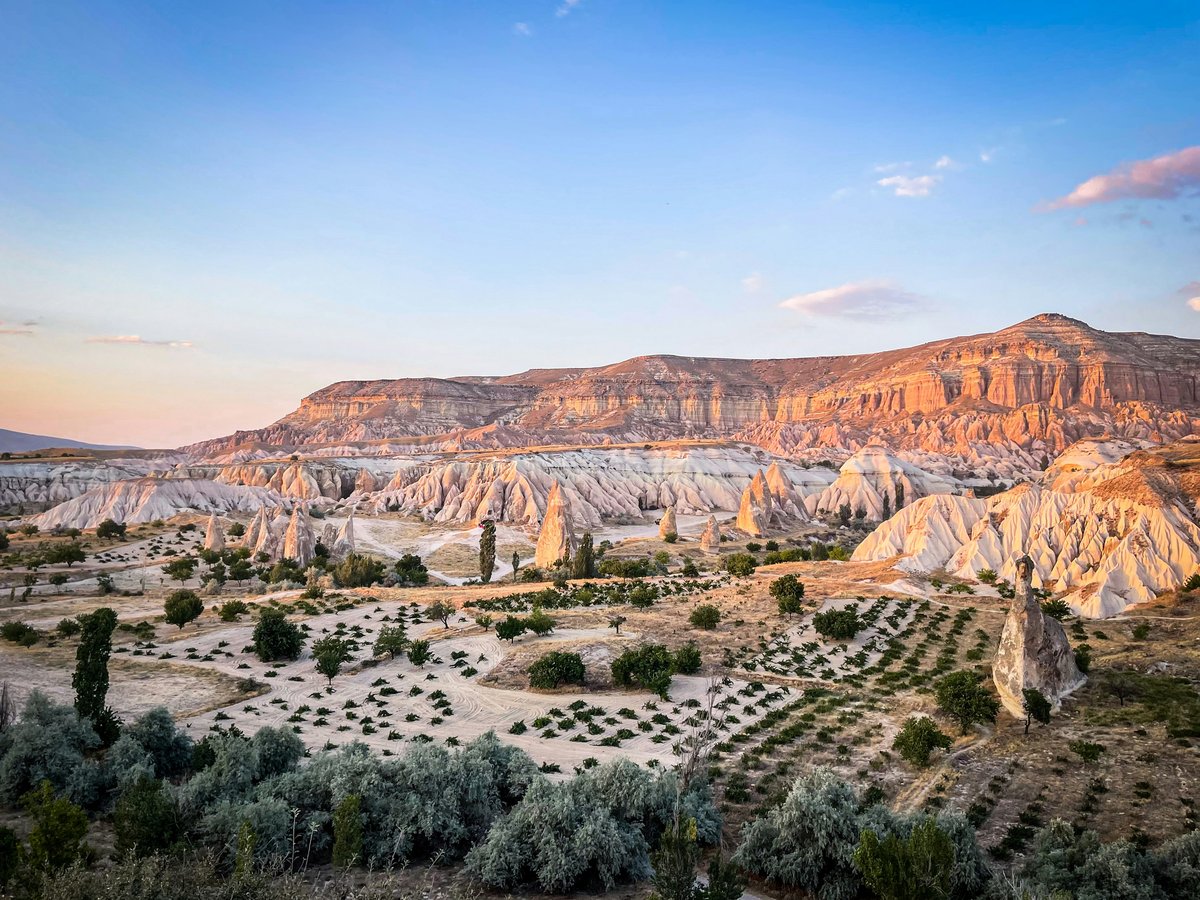
January in Cappadocia is cold, and you should know that upfront. Overnight lows drop to around -3.5°C (26°F) across the valleys near Göreme, and frost lingers on the tufa formations until midmorning. Snow is likely. Sometimes heavy. When it arrives, the fairy chimneys and rock-cut churches transform into something genuinely otherworldly, white spires rising from a white plateau under grey Anatolian sky at roughly 1,000 metres (3,280 feet) elevation. This is deep winter in central Turkey, and the cold brings real trade-offs worth weighing honestly before you book.
The biggest gamble is the balloon ride. Cappadocia's hot air balloon flights are the single reason most visitors come, and January has the highest weather-cancellation rate of the year. The Turkish Directorate General of Civil Aviation grounds launches when wind speeds or cloud cover fall below safety thresholds. You might lose 2 or 3 mornings out of a 4-night stay. If the balloon is your sole reason for visiting, January is a coin flip.
The flip side is concrete, though. Hotel rates in Göreme and Ürgüp drop 40-50% from the September-October peak. The Göreme Open-Air Museum, where summer visitors queue for 30-40 minutes, sits nearly empty on January weekday mornings. The underground cities at Derinkuyu and Kaymaklı hold a constant 13-15°C (55-59°F) year-round, making them more comfortable to explore now than in August's 32°C heat. And Cappadocia under fresh powder is one of the most photographed winter landscapes in Turkey, a scene that appears on fewer than 15% of the region's social media posts but tends to produce the most striking images.
Why visit in January
- Cave hotel rates drop 40-50% from the September-October peak, and walk-in discounts are common at smaller pensions in Göreme and Mustafapaşa.
- Snow-dusted fairy chimneys create a winter landscape unlike anything in peak season. Photographers find the contrast of white snow against honey-coloured tufa particularly rewarding around Pigeon Valley and Devrent Valley.
- The Göreme Open-Air Museum and Zelve Open-Air Museum are nearly empty on weekday mornings, letting you spend real time inside the 10th-century rock churches without being shuffled along.
- Underground cities at Derinkuyu and Kaymaklı sit at a constant 13-15°C (55-59°F), making them genuinely more comfortable to explore in January than during the summer crush.
- Hearty Cappadocian winter cooking peaks in January. Testi kebab, mantı, and tarhana çorbası are all at their best when the cooks assume their customers need warming up.
Worth knowing
- Hot air balloon flights face the year's highest cancellation rate. Wind and low cloud cover ground launches on roughly 40-50% of January mornings, according to operator estimates.
- Daytime highs reach only 7.1°C (45°F), and valley hiking trails in Rose Valley and Love Valley become icy and slippery after snowfall. Proper winter hiking boots are non-negotiable.
- Some smaller restaurants and pensions in Göreme close from mid-December through February. The dining scene thins noticeably, with several tourist-strip restaurants shutting by 8:30 PM on weeknights.
- Dolmuş (shared minibus) services between Göreme, Ürgüp, Avanos, and Uçhisar run on reduced winter schedules, sometimes with gaps of 60-90 minutes between departures.
Best for
Think twice if
January is Cappadocia's deep winter. Expect crisp, dry cold with daytime highs averaging 7.1°C (45°F) and overnight lows around -3.5°C (26°F). The region sits on the Anatolian plateau at roughly 1,000 metres elevation, so the cold feels sharper than the thermometer suggests, particularly when wind funnels through the valleys near Göreme and Uçhisar. Snowfall is common, with roughly 8 days of precipitation delivering around 45mm total. Humidity sits at 69%, moderate by winter standards but enough to make the cold feel damp on grey days. Clear mornings after overnight snowfall are the prize, when the fairy chimneys wear white caps under blue sky. Overcast stretches of 3-4 days are also normal. The sun sets early, around 5:15 PM, cutting afternoon activities short.
Seasonal caution
- Overnight temperatures regularly drop below -5°C (23°F) during cold snaps, with occasional dips to -10°C (14°F). Exposed skin risks frostnip during early-morning balloon launch waits.
- Valley trails in Rose Valley, Love Valley, and Pigeon Valley freeze after snowfall. The soft tufa rock becomes slippery when icy, and several sections have steep, unprotected drop-offs. Hikers have been injured on icy descents.
- Road conditions between Göreme and outlying sites like Ihlara Valley (80 km away) or Derinkuyu (30 km) can deteriorate after snowfall. Mountain passes on the Aksaray and Kayseri routes occasionally close for ploughing. Check road conditions with your hotel before driving.
Year-round climate
Averages from the last 5 years.
| Month | Avg high (°C) | Avg low (°C) | Rainfall (mm) |
|---|---|---|---|
| Jan | 7 | -3 | 45 |
| Feb | 6 | -4 | 29 |
| Mar | 11 | -1 | 56 |
| Apr | 19 | 5 | 49 |
| May | 22 | 8 | 49 |
| Jun | 27 | 13 | 32 |
| Jul | 31 | 15 | 2 |
| Aug | 32 | 16 | 7 |
| Sep | 26 | 11 | 20 |
| Oct | 20 | 6 | 17 |
| Nov | 15 | 2 | 34 |
| Dec | 9 | -1 | 38 |
Holidays and festivals in January
Public holidays
- New Year's Day(Yılbaşı)1 January 2027
Best things to do in January
Hot air balloon flight over snow-covered valleys
adventureThe balloon experience over Cappadocia in January is a different animal from the summer version. Fewer balloons in the sky (10-15 versus 100+ in peak season) means less visual clutter and a quieter, more intimate flight. The snow-covered valleys below, with white fairy chimneys and frosted vineyards, produce photographs that are genuinely distinct from the terracotta-and-green palette of summer flights.
Snow transforms the landscape into something most visitors never see. Fewer balloons in the air (10-15 versus 100+ in October) mean less competition for airspace and more peaceful flights. The trade-off is a roughly 40-50% cancellation rate due to winter weather.Booking tipBook 3-4 consecutive mornings with an operator that offers free rebooking for weather cancellations. Royal Balloon and Butterfly Balloons are among those with flexible winter policies. Do not book a single morning and assume you'll fly.
Derinkuyu Underground City exploration
culturalEight levels carved into volcanic rock, reaching 85 metres (280 feet) deep, with room for an estimated 20,000 people. The narrow passages, ventilation shafts, and stone-door security systems are fascinating year-round, but in January you can explore at your own pace. Summer visitors shuffle through in dense, sweaty queues. January visitors sometimes have entire levels to themselves.
The underground city holds a constant 13-15°C (55-59°F), making it warmer than the surface in January. Minimal crowds mean you can linger in chambers that summer visitors pass through in seconds.Booking tipNo advance booking needed in January. Arrive by 10 AM for the best light in the entrance areas. Bring a small flashlight for the deeper levels where the fixed lighting is dim.
Snow photography at Pigeon Valley and Devrent Valley
photographyPigeon Valley (Güvercinlik Vadisi) runs between Göreme and Uçhisar, and the viewpoint near Uçhisar Castle offers one of the most photogenic winter panoramas in Turkey. Fresh snowfall turns the valley's honeycomb dovecotes and pillar formations into a monochrome study. Devrent Valley (Imagination Valley), 5 km north of Göreme, has the most unusual rock shapes and they look particularly strange crowned with snow.
Fresh snowfall on tufa formations is a January-specific subject that produces dramatically different images from any other season. The low winter sun at this latitude creates long shadows across the valley floors, peaking around sunrise at 7:45 AM.Booking tipNo booking needed. Check the sunrise time (approximately 7:45 AM in January) and arrive at the Pigeon Valley viewpoint 20 minutes before. The light shifts fast.
Pottery workshop in Avanos
culturalAvanos, 8 km north of Göreme along the Kızılırmak (Red River), has been a pottery centre since Hittite times, roughly 4,000 years. Local workshops use red clay from the riverbed. In January, master potters have time to give individual attention, walking you through wedging, throwing, and glazing over 2-3 hours rather than the rushed 45-minute tourist demos of summer.
Winter is when Avanos potters work on their own projects rather than mass-producing tourist souvenirs. Workshops offer longer, more personal sessions because demand is low. You're more likely to see genuine craft technique rather than a rehearsed show.Booking tipCall your chosen workshop a day ahead. Chez Galip and Venessa Seramik are two of the better-known studios. January walk-ins are usually fine, but calling confirms they're open.
Göreme Open-Air Museum without the crowds
culturalThis UNESCO World Heritage site contains over 30 rock-carved churches and chapels dating from the 10th to 12th centuries. The Dark Church (Karanlık Kilise), with its remarkably preserved Byzantine frescoes, is the highlight. In January, you can stand alone in the chapel and study the Deesis panel and Nativity scene at your own pace. Summer visitors get perhaps 90 seconds before the next group pushes through.
January visitor numbers are roughly one-fifth of the October peak. You can spend 10-15 minutes inside the Dark Church (Karanlık Kilise) rather than the 90-second shuffle of high season. The separate 30 TL ticket for the Dark Church feels far more worthwhile when you have the space to look.Booking tipNo advance booking needed. The museum opens at 8 AM. Arrive by 8:30 for the emptiest conditions. The Dark Church requires a separate ticket, purchased at the entrance.
Winter hike through Ihlara Valley
hikingIhlara Valley is a 14 km (8.7-mile) gorge carved by the Melendiz River, 80 km southwest of Göreme. The canyon walls rise 100 metres (330 feet) on each side, sheltering dozens of rock-cut churches. The valley floor stays slightly warmer than the open plateau, and the river keeps flowing through winter. Snow on the canyon rim with green vegetation along the river below creates a layered landscape.
The canyon walls shelter the valley floor from plateau winds, making it one of the warmer outdoor hiking options in the region. Snow on the canyon rim contrasts with the green valley floor. In summer, tour buses drop hundreds of visitors at the midpoint stairs. In January, you might encounter 10-15 other walkers on the entire 14 km trail.Booking tipCheck road conditions before driving to Ihlara. The 80 km route from Göreme passes through open plateau that can drift over in heavy snow. Some tour operators suspend Ihlara trips in January. If roads are clear, arrive by 9 AM for the best light in the canyon.
Cave hotel hamam (Turkish bath) experience
wellnessSeveral cave hotels in Göreme, Uçhisar, and Ürgüp have traditional hamams carved into the rock. The combination of hot steam, warm stone, and the arched cave ceilings feels particularly good after a freezing morning spent waiting for a balloon launch that may or may not have happened. Water heated to around 40-45°C (104-113°F) in a stone chamber that's been carved from volcanic tufa is a sensory contrast to the -3°C air outside.
A hamam is pleasant in any month, but in January the contrast between sub-zero outdoor air and 40-45°C steam makes the experience genuinely restorative rather than merely luxurious. Winter is also when hamams are least crowded, so you're more likely to have a semi-private session.Booking tipAsk your cave hotel if they have an in-house hamam, as many do. Standalone hamams in Göreme town centre are also available. Book 1-2 hours ahead in January, more for formality than necessity.
Wine tasting at Cappadocian wineries
food and drinkCappadocia has been producing wine for roughly 4,000 years, and the volcanic soil gives the local Emir (white) and Öküzgözü (red) grapes a mineral character. Turasan Winery in Ürgüp and Kocabağ Winery near Uçhisar both offer tastings year-round. In January, tastings often become private or semi-private affairs rather than the crowded group sessions of summer.
January is when winery staff have time for longer, more educational tastings. Summer groups cycle through in 20-minute slots. Winter visitors at Turasan or Kocabağ can often spend 45-60 minutes tasting 6-8 wines with genuine conversation about the local grape varieties and volcanic terroir.Booking tipCall Turasan or Kocabağ a day ahead to confirm winter opening hours. Both typically stay open but may close early on quiet days. A tasting of 5-6 wines usually costs around 150-250 TL.
What to eat in January
In season: fruit
Kuru kayısı (dried apricots)
Cappadocia sits in Turkey's apricot heartland, and January is when the previous summer's harvest is at its peak dried quality. Sulphur-free dark dried apricots from Malatya province (150 km east) are available at every market stall. The Ürgüp Saturday market typically sells 1 kg bags at half the price of tourist shops in Göreme.
On menus now
Testi kebab
Cappadocia's signature dish peaks in appeal during January. Lamb, tomatoes, peppers, and garlic slow-cook inside a sealed clay pot, then the waiter cracks the pot open tableside, releasing a rush of steam and the smell of slow-braised meat. Every restaurant in Göreme and Ürgüp serves a version, but the dish feels most earned when you've spent the morning in -3°C air.
Tarhana çorbası
This fermented grain-and-yogurt soup is Central Anatolia's quintessential winter starter, served in nearly every lokanta across Cappadocia from November through March. The tangy, slightly sour flavour is an acquired taste for some, but it warms you from the stomach outward. Homemade versions in smaller villages like Çavuşin tend to be thicker and more intensely flavoured than the restaurant versions in Göreme.
Mantı
Tiny Turkish dumplings filled with spiced lamb, topped with garlic yogurt and a drizzle of red pepper butter. Kayseri, 70 km east of Cappadocia, claims to be the birthplace of mantı, and the regional pride is real. January is when locals eat this most enthusiastically. The smaller the dumpling, the more skilled the cook, or so the saying goes.
Tandır kebab
Whole cuts of lamb slow-roasted for 4-6 hours in an underground pit oven. The meat falls apart at the touch of a fork. This is one of the most satisfying cold-weather meals in Central Anatolia, and several restaurants in Ürgüp and Ortahisar keep tandır ovens running specifically through the winter months when the dish is most in demand.
In markets
Pekmez with tahini
Grape molasses poured over tahini is a classic Cappadocian winter breakfast combination. The region's vineyards produce the pekmez locally, and you'll find jars of it at the Ürgüp Saturday market for a fraction of Istanbul prices. The flavour is intensely sweet with a slight bitterness, spread on fresh bread alongside a glass of çay.
Regular events in January
Yılbaşı (New Year's Day)Free
January 1 is a public holiday across Turkey. In Cappadocia, Göreme's handful of open restaurants and cave hotels host small New Year's Eve celebrations that carry into the early hours. The atmosphere is low-key compared to Istanbul or Ankara, more wine-by-the-fireplace than countdown-at-the-club. Some balloon operators attempt a January 1 sunrise flight, weather permitting, which can be a memorable way to start the year.
January 1Ürgüp Cumartesi Pazarı (Saturday Market)Free
Ürgüp's weekly market runs every Saturday year-round, filling the streets near the town centre with stalls selling dried fruits, kuru kayısı (dried apricots), pekmez, local cheeses, hand-knit wool socks, and winter vegetables. January mornings at the market are brisk but the vendors are friendlier and more willing to chat when they're not overwhelmed by tour groups. The market typically wraps up by early afternoon.
Every Saturday, morning to early afternoonAvanos Çömlekçilik Atölyeleri (Pottery Workshop Season)
Avanos potters shift into a different rhythm during January. With tourist traffic at its annual low, several studios along the Kızılırmak riverfront offer extended workshop sessions of 2-3 hours rather than the quick summer demonstrations. This is closer to genuine apprentice-style learning, working with the distinctive red clay that Avanos has used for millennia.
Throughout January, by appointmentBest places this January
Göreme Open-Air Museum
museumUNESCO World Heritage site with over 30 rock-carved churches and chapels from the 10th-12th centuries. The Dark Church (Karanlık Kilise) contains some of the best-preserved Byzantine frescoes in Turkey. January's low visitor numbers let you study the Deesis panel and Annunciation scene without the usual queue shuffling you through in under 2 minutes.
GöremeDerinkuyu Underground City
historical siteThe deepest accessible underground city in Cappadocia, reaching 85 metres (280 feet) across 8 levels. The constant 13-15°C (55-59°F) interior makes it a winter refuge. In January, you can explore the storage rooms, chapels, and ventilation shafts without the claustrophobic crowding of summer visits. Located 30 km south of Göreme.
DerinkuyuUçhisar Castle
viewpointThe highest point in Cappadocia, a massive rock formation riddled with tunnels and rooms, offering 360-degree views of the surrounding valleys. After snowfall, the panorama from the top takes in snow-covered Erciyes Dağı (Mount Erciyes, 3,917 metres) to the east and the white fairy chimney fields of Göreme below. The climb involves steep, sometimes icy stairs in January, so grip matters.
UçhisarGüllüdere Vadisi (Rose Valley)
natureA 3.5 km (2.2-mile) hiking trail winding through pink and orange tufa formations. In January, the valley takes on a muted, almost lunar quality when dusted with snow. The trail is manageable in winter boots on dry days but becomes slippery after fresh snowfall. You'll likely have the trail to yourself on a January weekday morning.
GöremeGüvercinlik Vadisi (Pigeon Valley)
viewpointThe panoramic viewpoint between Göreme and Uçhisar overlooks hundreds of dovecotes carved into the cliff faces, originally used by farmers to collect pigeon guano for fertilising vineyards. After January snowfall, the white valley floor against the honeycomb cliff face is one of the most photographed winter compositions in Central Anatolia.
UçhisarZelve Open-Air Museum
museumA former monastic settlement and later a Turkish village (inhabited until 1952), Zelve is less polished than Göreme but arguably more atmospheric. Three valleys of cave dwellings, churches, and a mosque carved into tufa. In January, you're likely to be one of fewer than 20 visitors for the entire day. The isolation and silence in the abandoned valley, with snow on the upper formations, creates a mood that the busy summer version cannot match.
ÇavuşinOrtahisar Castle and town centre
neighborhoodOrtahisar feels like the Cappadocia that tourism forgot. The massive castle rock dominates the town, but the real draw in January is the quiet residential streets where locals go about their business, the smell of wood smoke and baking bread drifting from stone houses. The town has a handful of small restaurants that serve home-style cooking to a mostly local clientele.
OrtahisarMustafapaşa (formerly Sinasos)
neighborhoodA former Greek village 6 km south of Ürgüp, with elegant stone mansions from the 19th century and the Church of Constantine and Helena. Mustafapaşa is quiet even in summer. In January it feels almost abandoned, which is either deeply atmospheric or slightly eerie depending on your temperament. Several restored mansions now operate as boutique hotels, and the village has 2-3 restaurants open year-round.
Mustafapaşa
Your packing checklist
Tick items off as you pack. Your progress saves in this browser.
All packed — have a great trip.
Insider tips
Book balloon flights across 3 or 4 consecutive mornings, not a single morning. Operators with flexible winter rebooking policies will roll your booking forward at no charge when flights cancel. This strategy turns a 40-50% cancellation rate from devastating into manageable. A single morning booking in January is a gamble with bad odds.
Ask specifically for a cave hotel room with a working fireplace or underfloor heating before you book. Not all rooms in Göreme and Uçhisar cave hotels are equally warm. Rooms carved deeper into the rock hold heat better, but some converted caves on the outer face of the formation get genuinely cold at night. The hotel knows which rooms are warmest. Ask.
The Ürgüp Saturday market (Cumartesi Pazarı) sells kuru kayısı, pekmez, hand-knit wool socks, and local cheeses at prices 50-60% below the tourist shops lining Göreme's main street. It runs every Saturday morning year-round, wrapping up by early afternoon. Arrive by 9:30 AM for the best selection.
For the best snow photographs of fairy chimneys, the viewpoint at the northern end of Pigeon Valley near Uçhisar Castle catches sunrise light around 7:45 AM in January. Arrive 20 minutes before. The south-facing formations catch the first warm light while the valley floor remains in shadow, creating depth that the midday flat light eliminates.
Turasan Winery in Ürgüp offers what amounts to private tastings in January. Summer visitors get a 20-minute group pour. January visitors can often spend 45-60 minutes sampling 6-8 wines with real conversation about Emir grapes and volcanic soil. Call a day ahead to confirm they're open.
Avoid these mistakes
- Booking only one morning for the hot air balloon flight. This is the single most common January mistake. With a 40-50% cancellation rate, a single-morning booking leaves you with roughly coin-flip odds. Visitors who book 3-4 consecutive mornings with free-rebooking operators dramatically improve their chances.
- Wearing regular trainers or fashion boots on valley hikes. The soft tufa rock in Rose Valley, Love Valley, and around Zelve freezes into a slick surface after snowfall. Several tourists are injured each winter on icy descents. Proper hiking boots with aggressive tread and ankle support are not optional.
- Not checking road conditions before driving to Ihlara Valley. The 80 km route from Göreme crosses open plateau that can drift over in heavy snow. Some tour operators suspend Ihlara trips in January. Check with your hotel or the jandarma (military police) road reports before setting out.
- Planning afternoon activities too late. The sun sets around 5:15 PM in January in Cappadocia, and dusk fades fast at this latitude and elevation. Valley hikes, viewpoint visits, and outdoor photography need to be wrapped up by 4:30 PM at the latest. Start outdoor activities by 9 AM to make full use of daylight.
Practical tips for January
Book balloon flights through operators who offer free rebooking for weather cancellations rather than partial refunds. Most cave hotels in Göreme, Ürgüp, and Uçhisar stay open year-round, but some smaller pensions close from mid-December through February. Confirm availability before booking. The Nevşehir bus terminal (otogar) connects to Istanbul (10-11 hours), Ankara (4-5 hours), and Antalya (8-9 hours), though overnight bus schedules thin out in winter. Dolmuş services between Göreme, Ürgüp, Avanos, and Uçhisar run on reduced winter timetables with gaps of 60-90 minutes between departures. A rental car is worth considering for flexibility, but confirm whether your agency provides winter tyres (kış lastiği). Turkish law requires them from December 1 through April 1 in many provinces. Some unpaved valley roads become muddy or icy and are best avoided without 4WD. Restaurants in Göreme's tourist strip keep shorter winter hours, with many closing by 8:30-9 PM on weeknights. For a wider dining selection, drive 10 minutes to Ürgüp, which has a more year-round local population and more restaurants staying open through January. Kayseri Erkilet Airport (ASR), 70 km east, has more winter flight options than Nevşehir Kapadokya Airport (NAV), which some airlines reduce to weekend-only service in January. Book airport transfers through your hotel or a local operator at least 2 days ahead.
FAQ
Is January a good time to visit Cappadocia?
Honestly, it depends on your priorities. January is not the best month overall. It ranks around 11th out of 12, mainly because of cold temperatures (highs of 7°C / 45°F, lows of -3.5°C / 26°F) and the high cancellation rate for balloon flights. That said, it has real appeal for specific travellers. Photographers chasing snow-covered fairy chimneys, budget visitors taking advantage of 40-50% lower hotel rates, and history-focused travellers who want empty museums will find January genuinely rewarding. If the balloon flight is your primary reason for visiting, September or October is a safer bet. If you're willing to gamble on the balloon and you value solitude, January delivers an experience the peak-season crowds never see.
Can you fly hot air balloons in Cappadocia in January?
Yes, balloon flights operate in January, but with a significant caveat. Weather cancellations run at roughly 40-50% of mornings, the highest rate of the year. Wind, low cloud cover, and snow can all ground flights. The Turkish Directorate General of Civil Aviation makes the call each morning around 5 AM. To improve your odds, book flights across 3-4 consecutive mornings with an operator that offers free rebooking. Flights that do launch in January are often spectacular, with fewer balloons in the sky (10-15 versus 100+ in peak season) and snow-covered valleys below.
Does it snow in Cappadocia in January?
Frequently, yes. January averages about 45mm of precipitation across 8 days, and much of that falls as snow given the sub-zero overnight temperatures. Snowfall can range from light dustings to heavy overnight accumulations of 10-15 cm. The snow transforms the landscape into something genuinely different from the summer version. Fresh snowfall on fairy chimneys is one of the most photographed winter scenes in Turkey. The snow also makes some hiking trails slippery and can close mountain roads temporarily.
What is the weather like in Cappadocia in January?
Cold and dry by European standards. Average daytime highs reach 7.1°C (45°F), and overnight lows drop to -3.5°C (26°F). Humidity sits at 69%. The region sits on the Anatolian plateau at roughly 1,000 metres (3,280 feet) elevation, so wind chill can make it feel significantly colder, particularly in exposed valleys. Expect roughly 8 days of precipitation (rain, sleet, or snow) totalling about 45mm. Clear, sunny days do occur and can feel pleasant in direct sunlight, but the cold returns sharply once the sun drops behind the valley walls in late afternoon. Sunrise is around 7:45 AM, sunset around 5:15 PM.
Is Cappadocia crowded in January?
Not at all. January has the lowest visitor numbers of the year, roughly one-fifth of the October peak. You'll find the Göreme Open-Air Museum, Derinkuyu Underground City, and most valley trails nearly empty on weekday mornings. Even balloon flights, when they do launch, carry fewer total passengers, with only 10-15 balloons in the sky versus 100+ in high season. The trade-off for this solitude is that some restaurants, shops, and smaller pensions close for the winter. Ürgüp and Göreme have enough year-round businesses to keep a visitor fed and housed, but the selection narrows noticeably.
Things to Do in Cappadocia in January

Cappadocia Hot Air Balloon Ride / Royal Balloon
Outdoor experience: 3.5 hours.
via Viator Free cancellation
 Cappadocia Hot Air Balloon Ride
Outdoor experience: free cancellation.
via Viator Free cancellation
 Cappadocia Sunrise Hot Air Balloon Flight / Discovery Balloons
Outdoor experience: 3 hours, free cancellation.
via Viator Free cancellation
 Full Day Cappadocia Tour( Red Tour + Underground City )
Day trip: free cancellation.
via Viator Free cancellation
 Cappadocia Hot Air Balloon Tour Over Fairychimneys
Outdoor experience: 3 hours, free cancellation.
via Viator Free cancellation
 Original Green Tour Ihlara Valley, Underground City & Monastery
Outdoor experience: 7.8 hours, free cancellation.
via ViatorFind a flight to Cappadocia
Live fares to Cappadocia appear here once cookies are accepted.
Last verified by automated review (v1.7.2) on . What is automated review?