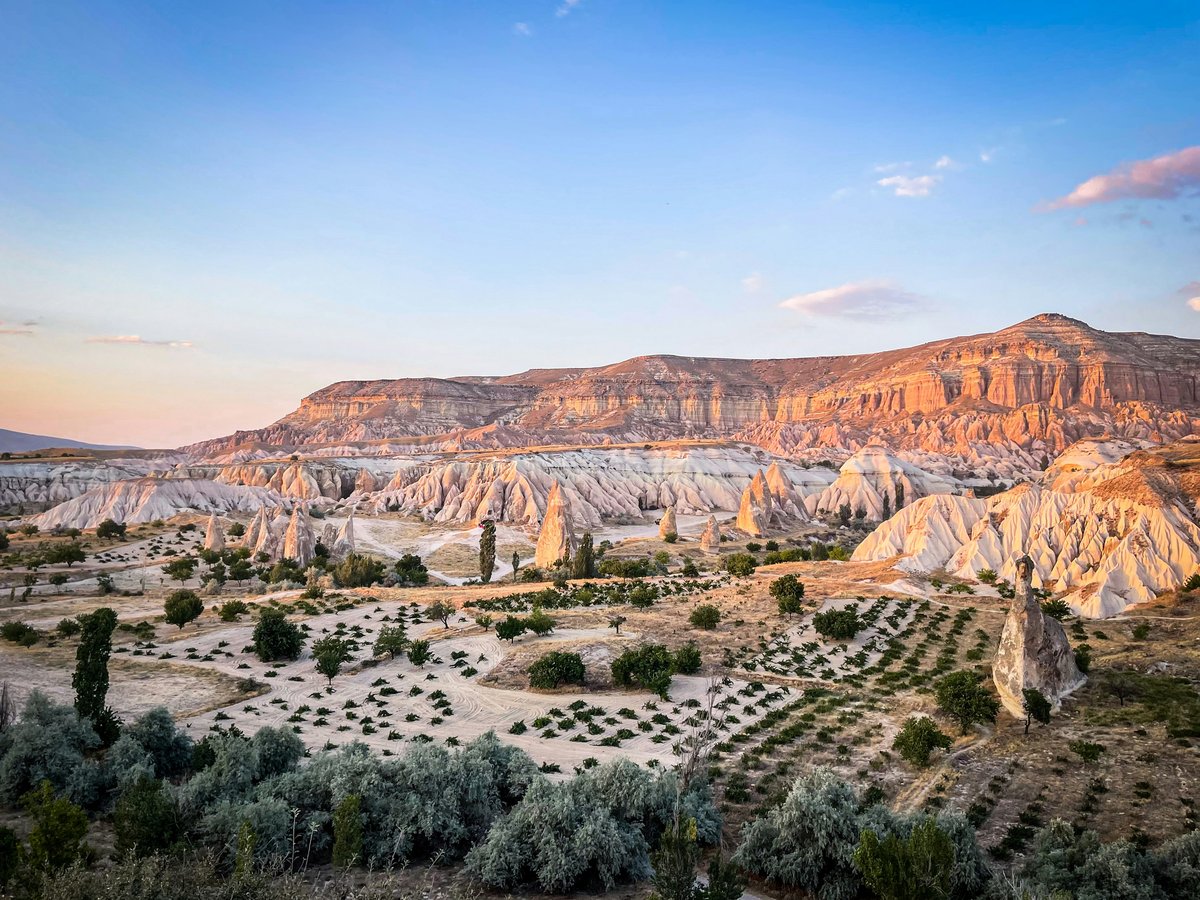
What cultural etiquette should I know for Cappadocia?
Refusing tea in Cappadocia is the fastest way to offend a host. Accept the first glass, even if you don't finish it. Remove shoes before entering any mosque or home in Göreme, Ürgüp, or Avanos. Tip 10-15% at tourist restaurants. Cover knees and shoulders at mosques. During Ramadan, avoid eating visibly on the street in conservative areas like central Nevşehir.
The first thing you'll notice in Cappadocia is how quickly someone hands you a glass of çay. Walk into a carpet shop in Avanos, ask for directions in Ürgüp, linger near a pottery workshop in Göreme. Tea appears. The tulip-shaped glass arrives scalding hot. Hold it by the rim, not the middle. Refusing reads as a snub, but you don't have to finish it. Accepting and taking a sip or two is the baseline courtesy that opens every interaction here. A handshake with "Merhaba" works for most greetings across Göreme, Ürgüp, and Nevşehir. Men might get a two-cheek air-kiss from male acquaintances after a few meetings. Women visiting from abroad tend to get a handshake unless the local person initiates something warmer. Wait and mirror. One thing that catches visitors off guard in smaller villages like Çavuşin or Ortahisar is that older residents may place their right hand on their chest after shaking yours. That's warmth, not formality.
Cappadocia sits in a landscape where 10th-century Byzantine rock-cut churches and Ottoman mosques share the same valleys. At the Göreme Open Air Museum, sites like Karanlık Kilise and Tokalı Kilise are Christian heritage, so dress-code enforcement is lighter there. The working mosques in Nevşehir, Ürgüp, and Avanos follow standard Turkish protocol. Shoes off at the door. Women cover hair, shoulders, and knees. Most mosques keep loaner headscarves near the entrance, but bringing your own lightweight scarf is more comfortable. Men in shorts above the knee will likely be turned away. During Ramadan, avoid eating or smoking visibly on the street in central Nevşehir and the smaller towns. Göreme's tourist core is more relaxed about it, but stepping a few streets off the main drag puts you in a neighborhood context where discretion matters. Iftar dinners at local restaurants are worth joining if invited: they're generous, communal, and a genuine window into daily life here.
Tipping in Cappadocia follows Turkish norms with a tourist-area bump. At sit-down restaurants in Göreme and Ürgüp, 10-15% is appreciated and increasingly expected in places that cater to international visitors. For hot-air balloon pilots and crew, 20-50 TL per person is common. At cave hotels, leaving a small tip for housekeeping at checkout is a thoughtful gesture. Haggling is alive in Avanos pottery shops and Göreme carpet dealers. The first price is never the real price, but aggressive lowballing is rude. Aim for 20-30% below the opening ask and be willing to walk away politely. If a shopkeeper offers you tea during the negotiation, accept it: that's the social lubricant that makes the whole exchange work. In the smaller villages and at roadside fruit stands, prices are usually fixed and fair. Trying to haggle there reads as disrespectful.
Photography etiquette matters more than most visitors expect. The fairy chimneys and valleys are fair game, but always ask before photographing people, especially women in headscarves and elderly residents in villages like Çavuşin, Uçhisar, and Ortahisar. At the Göreme Open Air Museum, flash photography is prohibited inside the painted churches to protect the frescoes. Some cave churches outside the museum complex, like those in the Ihlara Valley, have similar informal rules enforced by local caretakers. When visiting a Turkish home (which happens more often than you'd think if you wander off the tourist trail) bring a small gift. Packaged sweets, quality chocolate, or something from your home country works well. Remove your shoes at the door without being asked. Sit where directed. Complimenting the home is welcome, but don't over-praise a specific object: in traditional hospitality, the host may feel obligated to offer it to you, creating an awkward moment for everyone.
Cultural norms
A handshake is standard when meeting someone in Cappadocia, though between men and women it is polite to wait and see if the other person extends their hand. "Merhaba" works as an all-purpose hello, and "teşekkür ederim" for thank you goes over well with shopkeepers and balloon crew alike. Turks stand closer during conversation than most Western Europeans expect; stepping back can read as coldness.
When visiting mosques in Göreme or Avanos, women should carry a scarf to cover their hair and both sexes need clothing that covers knees and shoulders: shorts and tank tops get you turned away. Shoes come off at the entrance. Outside religious sites the dress code relaxes, though very short clothing draws stares in smaller villages like Ihlara more than in tourist-facing Göreme.
On dolmuş minibuses, pass your fare forward through other riders to the driver. In restaurants, a tip of ten to fifteen percent is welcome but not obligatory; rounding up the bill works at lokanta-style eateries. Tea offered by a carpet or pottery shop owner is a social gesture: refusing it outright is considered rude, even if you have no intention of buying. Pointing the sole of your shoe toward someone, blowing your nose loudly at the dining table, and using your left hand to pass food are the missteps locals notice most.
Greetings
Say "Merhaba" with a handshake for most encounters in Göreme, Ürgüp, and Nevşehir. Older villagers in Çavuşin and Ortahisar may place their right hand on their chest after shaking: mirror the gesture. Men may receive a two-cheek air-kiss after repeated meetings. Wait for the local person to set the tone.
Don't do this
- Refusing offered tea: accept at least one glass and take a sip
- Entering a mosque or home without removing shoes
- Photographing people (especially women in headscarves) without asking permission
- Eating or smoking visibly on the street during Ramadan in conservative areas like central Nevşehir
- Using flash photography inside painted cave churches at Göreme Open Air Museum
- Aggressively haggling at village roadside fruit stands where prices are fixed
- Over-praising a specific object in a host's home: traditional hospitality may compel them to give it to you
- Pointing the sole of your shoe toward someone while seated
- Blowing your nose loudly at a shared dining table
Tipping
Tip 10-15% at sit-down restaurants in Göreme and Ürgüp. Hot-air balloon crew: 20-50 TL per person. Leave a small tip for cave hotel housekeeping at checkout. Round up taxi fares.
Dress code
Cover knees and shoulders at working mosques in Nevşehir, Ürgüp, and Avanos. Women must cover hair inside mosques: bring a lightweight scarf. Men in shorts above the knee are turned away. The Göreme Open Air Museum and tourist restaurants are relaxed; swimwear stays at the hotel pool.
Religious norms
Remove shoes at every mosque entrance. Women cover hair, shoulders, and knees; loaner scarves are available but unreliable in smaller mosques outside Göreme. During Ramadan, avoid eating, drinking, or smoking visibly on streets in central Nevşehir and villages. Göreme's tourist core is lenient, but side streets are neighborhood space. If invited to iftar, accept: it's a genuine communal meal, not a performance.
Last verified by automated review (v1.7.2) on . What is automated review?