Stay in Stockholm in January
72 hotels in the Trip.com pool for Stockholm, from US$23 a night.
Opens Trip.com on Fri 1 Jan to Sun 3 Jan 2027; change the dates there.
Stockholm in January gets roughly 6 hours of usable daylight. The sun tends to rise around 8:45 AM and drop below the horizon by 3:00 PM, which means you'll spend most of your sightseeing hours in some shade of blue-grey Nordic twilight. Temperatures hover around 0.8°C (33°F) during the day and fall to about -3.8°C (25°F) at night, though wind off Saltsjön and Lake Mälaren can make it feel 5 to 10 degrees colder. The air has that particular Scandinavian winter bite, the kind where your breath hangs visible and fresh snow muffles footsteps on the cobblestones of Gamla Stan.
That said, there is a genuine appeal to winter Stockholm that the July crowds never experience. The city empties out after New Year, hotel rates drop to their lowest point of the year, and the museums that feel packed in summer, places like Vasamuseet and Fotografiska, are yours to wander without queues. Stockholmers retreat to candlelit cafés for fika, and an afternoon in a warm Södermalm coffee shop while sleet taps the windows outside is its own kind of reward. January also marks the start of semla season, when bakeries across the city put out the cardamom-spiced cream buns that Swedes look forward to all year.
To be fair, this is not a month for everyone. If you need long sunny days and outdoor dining on Strandvägen, wait until June. But if you are drawn to moody Northern European winters and want to see Stockholm without the tourist layer, January delivers, provided you pack properly and accept the 3 PM sunsets.
Why visit in January
- Hotel rates in January typically sit 30-40% below the June-August peak, making Stockholm's normally expensive accommodation noticeably more affordable.
- Major museums like Vasamuseet, Moderna Museet, and Fotografiska have minimal queues compared to summer, when wait times can reach 45 minutes.
- The city under fresh snow is striking. Djurgården blanketed in white, Stortorget lit by a few streetlamps at 4 PM, the frozen edges of Riddarfjärden. Stockholm's winter aesthetic is distinct from any other season.
- Fika culture reaches its peak expression in winter. The contrast between the cold outside and a warm café with cinnamon buns and strong coffee is something you won't get in July.
Worth knowing
- Only about 6 hours of daylight. By 3 PM the sky is dark, which limits outdoor sightseeing and photography to a narrow window.
- Temperatures regularly dip below freezing, and the 88% average humidity makes the cold feel damp and penetrating. Wind chill near the waterfront can push the perceived temperature well below -10°C (14°F).
- Many restaurants and smaller shops operate on reduced January hours, and some close entirely for the first week or two after New Year.
- Slippery sidewalks and icy cobblestones in Gamla Stan are a real hazard. Without proper footwear, walking becomes genuinely treacherous.
Best for
Think twice if
January in Stockholm is cold, dark, and damp. Expect overcast skies on most days, with temperatures that fluctuate around freezing. Snow is likely but not guaranteed. Some years bring steady snowfall that sticks, others bring grey drizzle that freezes on contact. The 88% humidity makes the cold feel heavier than the numbers suggest. Wind off the surrounding water amplifies the chill, particularly on Djurgården and along Strandvägen. About 13 days of the month see some form of precipitation, usually as light snow or freezing rain rather than heavy downpours.
Seasonal caution
- Temperatures regularly fall below 0°C (32°F) and can drop to -15°C (5°F) during cold snaps. Frostbite risk increases with wind chill, particularly near the waterfront and on exposed bridges between islands.
- Icy sidewalks and cobblestones are a serious slip hazard throughout the city, especially in Gamla Stan where the medieval streets are uneven. Consider buying broddar (ice grips) at any Clas Ohlson or Naturkompaniet store on arrival.
- The limited daylight of roughly 6 hours can affect mood and energy levels. If you are sensitive to seasonal darkness, bring vitamin D supplements and plan activities near windows or well-lit spaces during midday.
Year-round climate
Averages from the last 5 years.
| Month | Avg high (°C) | Avg low (°C) | Rainfall (mm) |
|---|---|---|---|
| Jan | 1 | -4 | 61 |
| Feb | 2 | -4 | 34 |
| Mar | 6 | -1 | 27 |
| Apr | 10 | 1 | 32 |
| May | 16 | 6 | 56 |
| Jun | 21 | 12 | 66 |
| Jul | 22 | 14 | 87 |
| Aug | 21 | 13 | 90 |
| Sep | 17 | 10 | 49 |
| Oct | 11 | 6 | 63 |
| Nov | 5 | 1 | 42 |
| Dec | 1 | -3 | 41 |
Holidays and festivals in January
Public holidays
- New Year's Day(Nyårsdagen)1 January 2027
- Epiphany(Trettondedag jul)6 January 2027
Best things to do in January
Ice skating at Kungsträdgården
outdoorThe outdoor rink at Kungsträdgården in central Norrmalm draws both locals and visitors each winter. The rink sits between bare winter trees and lit buildings, and skating at dusk when the surrounding lights come on is the closest Stockholm gets to a postcard in January. Skate rental is available on site for around 80-100 SEK.
The rink operates from late November through early March. January's consistently freezing temperatures tend to keep the ice in good condition, and crowds are lighter than during the December holiday period.Booking tipNo booking needed. Arrive on weekday afternoons for the emptiest sessions. Weekends between 11 AM and 2 PM get busier with local families.
Sauna and ice swimming at Hellasgården
wellnessHellasgården, about 15 minutes by bus from Slussen, sits on the shore of Källtorpssjön in the Nacka nature reserve. The wood-fired sauna heats to around 80-90°C (176-194°F), and the tradition is to step straight from the sauna into the lake through a hole cut in the ice. The shock of near-freezing water after intense heat is startling, then clarifying. The whole cycle takes about 2 hours.
January's freezing temperatures mean reliable lake ice, and the contrast between the hot sauna and cold plunge is at its most extreme. This is how Swedes have done it for generations.Booking tipNo advance booking required. Bring your own towel. The sauna costs around 80-100 SEK. Arrive before 10 AM on weekends to avoid the afternoon rush.
Vasamuseet on Djurgården
museumThe Vasa, a 69-metre warship that sank in Stockholm harbour on its maiden voyage in 1628, sits preserved in a purpose-built museum on Djurgården. In summer, the museum sees upwards of 5,000 visitors per day. In January, you might share the main hall with a few dozen people. The scale of the ship is easier to absorb without crowds pressing around you. The smell of old timber fills the dim exhibition hall.
January visitor numbers drop to a fraction of summer levels. You can stand directly in front of the stern carvings, take photographs without other visitors in frame, and read the exhibition panels at your own pace.Booking tipBuy tickets online to skip the small queue at the door. The museum is closed on Mondays during the winter season.
Fotografiska
museumThe photography museum on Stadsgårdshamnen in Södermalm hosts rotating exhibitions from international photographers. The top-floor café has wide windows looking across the water toward Djurgården and Skeppsholmen. On a January afternoon, the view of snow-dusted rooftops and the grey-blue harbour through those windows is worth the visit alone.
January exhibitions are often the opening runs of new shows that premiered in late autumn. Fewer visitors means more space with each photograph. The café's warmth and harbour view provide a natural break from the cold.Booking tipOpen until 11 PM most days, making it one of the few cultural venues you can visit after dark in January. Evening visits tend to be quieter.
Walking Gamla Stan in the snow
sightseeingThe medieval old town, built on the island of Stadsholmen, has narrow lanes that date to the 13th century. In January, fresh snow on the cobblestones, warm light from shop windows on Västerlånggatan, and the absence of summer tour groups make the quarter feel closer to its historical atmosphere. The smallest alley, Mårten Trotzigs gränd, is only 90 centimetres (35 inches) wide.
January snowfall transforms the old town's character. The summer crowds are gone, and the streets feel genuinely medieval in the quiet cold. The low-angled winter light catches the ochre and rust facades in a way the high summer sun does not.Nordiska Museet winter exhibitions
museumThe Nordic Museum on Djurgården covers 500 years of Scandinavian cultural history in a building that resembles a Renaissance palace. January programming typically includes exhibitions on Swedish winter traditions, folk art, and Nordic design. The main hall, with its 24-metre ceiling and the massive Gustav Vasa statue, is worth the visit for the architecture alone.
Winter-themed exhibitions are most relevant now, and the museum's indoor warmth makes it a practical refuge on the coldest days. Visitor numbers in January are a fraction of the summer peak.Booking tipFree admission for visitors under 18. Check the museum website for current exhibitions before visiting.
Tunnelbana art tour
cultureStockholm's metro system has been called the world's longest art gallery. Over 90 of the 100 stations feature art installations, from the exposed bedrock caves of Kungsträdgården station (painted in greens and reds with archaeological remnants from the 1500s) to the rainbow ceiling of Stadion station. A self-guided tour of 8-10 stations takes about 2 hours and costs a single SL transit pass.
It is entirely underground, making it a weather-proof activity for January's coldest days. You'll share the platforms with commuters rather than tour groups, which makes photographing the installations easier.Booking tipBuy a 24-hour SL pass (165 SEK) and start at T-Centralen, which has blue-and-white painted cave walls. Avoid rush hours (7:30-9 AM and 4:30-6 PM) for better photographs.
Cross-country skiing at Hellasgården
outdoorWhen January brings sufficient snow, groomed cross-country tracks open in the nature reserves ringing Stockholm. Hellasgården and the trails around Flaten, both in the Nacka reserve southeast of the city, maintain tracks that loop through snow-covered forest within 20 minutes of the city centre by bus. The quiet of skiing through birch and pine forest, hearing only your own breathing and the hiss of skis on snow, is a sharp contrast to the city.
January's sub-zero temperatures typically provide the most reliable snow conditions in the Stockholm area. Ski rental is available at Hellasgården for around 150-200 SEK per day.Booking tipCheck the Stockholms skidspår website for current track conditions before heading out. Snow cover varies year to year and grooming depends on accumulation.
What to eat in January
On menus now
Semla
The cardamom-spiced wheat bun filled with almond paste and whipped cream starts appearing in Stockholm bakeries right after New Year, months before the traditional Fettisdagen date. Vete-Katten on Kungsgatan and Fabrique locations across Södermalm are reliable places to try early-season semlor. Swedes consume an estimated 40 million of these annually.
Ärtsoppa med pannkakor
Yellow pea soup served with thin pancakes on Thursdays is a Swedish tradition that feels especially right in January's cold. The custom dates to the Middle Ages. Most traditional restaurants in Gamla Stan and Norrmalm serve it as a Thursday special through the winter months.
Pytt i panna
A pan-fried hash of diced potatoes, onion, and leftover meat topped with a fried egg and pickled beetroot. January is when Stockholm kitchens use up the last of the Christmas ham this way. It is comfort food at its most direct.
Janssons frestelse
A gratin of potatoes, onions, cream, and Swedish ansjovis (sprat fillets, not Mediterranean anchovies). This Christmas staple lingers on menus through early January at traditional restaurants like Pelikan in Södermalm.
What to drink
Varmchoklad
Swedish hot chocolate tends to be thicker and less sweet than the American version. On a -5°C January afternoon, a cup at Chokladkoppen on Stortorget in Gamla Stan while watching snow fall on the square is hard to argue with. Many cafés make it from real melted chocolate rather than powder.
Regular events in January
Trettondedag jul (Epiphany)Free
January 6 is a public holiday in Sweden, marking the official end of the Christmas period. Most shops and businesses close for the day. Some churches in Stockholm hold Epiphany services with traditional star processions.
January 6Tjugondag Knut (St. Knut's Day)Free
On January 13, Swedes traditionally dismantle their Christmas trees in a custom called julgransplundring. Families strip the tree of decorations while children eat the remaining Christmas candy. Community centres and schools across Stockholm host tree-plundering parties for kids. It marks the definitive end of the holiday season.
January 13Mellandagsrea (post-Christmas sales)Free
The Swedish post-Christmas sales begin December 27 and continue through much of January. Department stores like NK on Hamngatan and Åhléns City on Klarabergsgatan offer discounts of 30-70% on clothing, homewares, and design goods. The first week sees the steepest reductions, though selection can improve as new stock arrives later in the month.
Throughout January, strongest in the first two weeksBest places this January
Kungsträdgården
parkThe central park in Norrmalm transforms into an ice skating venue each winter. The rink is free to enter (skate rental costs around 80-100 SEK), and the surrounding bare trees strung with winter lighting give the park a character completely different from the cherry blossom canopy it is known for in April. Cafés line the park's edge for warming up between sessions.
NorrmalmStortorget
squareThe main square in Gamla Stan, ringed by 17th- and 18th-century merchant houses in ochre, red, and green. In January, without the December Christmas market stalls, the square returns to its actual proportions, and you can appreciate the architecture and the Nobel Museum at its north end. Chokladkoppen café on the square's edge serves hot chocolate and semlor.
Gamla StanMonteliusvägen
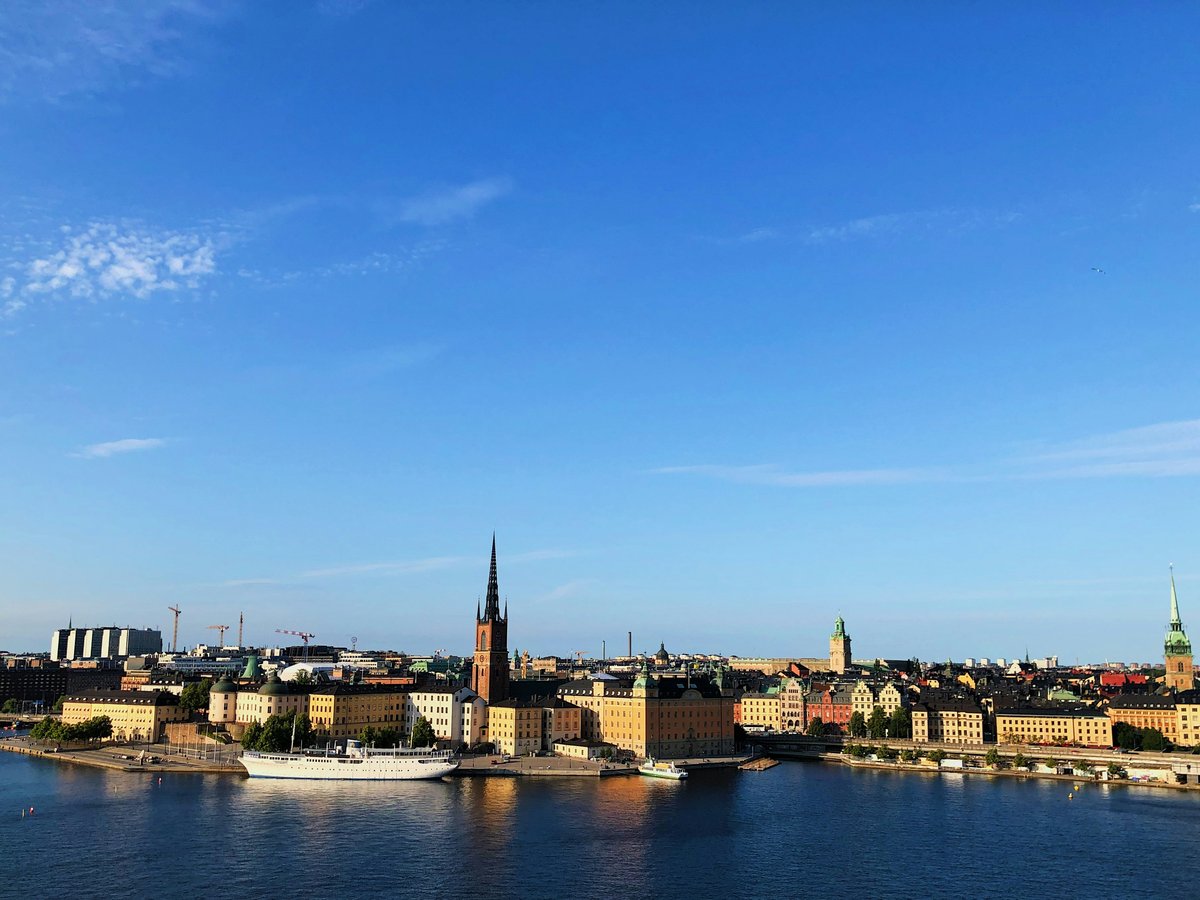
viewpointA 500-metre cliffside walkway along the northern edge of Södermalm with views across Riddarfjärden to Gamla Stan and Kungsholmen. In January, the view of the city skyline against a pink-grey winter sunset (around 2:45 PM) is particularly striking. The path can be icy, so wear boots with grip or broddar.
SödermalmDjurgården
islandThe island park east of the city centre is home to Vasamuseet, Nordiska Museet, and ABBA The Museum. Its forested trails also make for quiet winter walks. The path from Djurgårdsbron past Rosendals trädgård and along the canal is peaceful in January, with potential for fresh snow on the oak-lined avenues. About 3.5 km (2.2 miles) for a comfortable loop.
DjurgårdenÖstermalms Saluhall
marketThe historic food hall on Östermalmstorg, originally built in 1888, reopened after renovation with vendors selling Swedish specialties. In January, this is a warm, dry place to sample cured meats, aged cheeses, pickled herring, and fresh bread. It is noticeably quieter than in tourist season, and vendors tend to be more willing to chat and offer samples.
ÖstermalmModerna Museet on Skeppsholmen
museumThe modern art museum on the island of Skeppsholmen holds works by Picasso, Dalí, and Rauschenberg alongside a strong collection of Swedish contemporary art. The walk across Skeppsholmsbron in January, with ice forming along the waterline and the city behind you, is a quiet 5-minute crossing that feels removed from the city centre.
SkeppsholmenHellasgården
natureA nature recreation area on Källtorpssjön lake, about 8 km (5 miles) southeast of central Stockholm. The wood-fired sauna, lake ice swimming, and groomed cross-country ski trails make this Stockholm's best winter outdoor destination. Bus 401 from Slussen reaches it in 15 minutes. The surrounding Nacka reserve has trails through pine and birch forest.
Nacka
Your packing checklist
Tick items off as you pack. Your progress saves in this browser.
All packed — have a great trip.
Insider tips
Broddar (ice cleats) are not a tourist gimmick. Stockholmers wear them daily in January. Pick up a pair at Clas Ohlson near T-Centralen for around 100-150 SEK on your first day. Your ankles will thank you on every cobblestone street in Gamla Stan.
The Tunnelbana metro art is free to see with any SL ticket, and most visitors never look up from their phones on the platform. Kungsträdgården station, at the bottom of the blue line, has exposed bedrock painted in vivid greens and reds with actual archaeological finds from the 1500s displayed in glass cases.
Dagens rätt (the daily lunch special) at Stockholm restaurants typically runs 130-160 SEK and includes a main course, salad, bread, and coffee. It is the best-value meal in an otherwise expensive city, and January's empty dining rooms mean you'll rarely wait for a table in Vasastan or Södermalm.
If you're visiting Djurgården's museums, take the number 7 tram from T-Centralen instead of walking. The ride crosses Djurgårdsbron and drops you near Vasamuseet. In January's cold, this saves a 20-minute exposed walk along the waterfront.
Early January, especially January 1-6, is still holiday mode in Sweden. Many smaller restaurants and shops remain closed until mid-January. Check opening hours online before walking across the city to a specific place.
Avoid these mistakes
- Planning a full day of outdoor sightseeing. With sunset at 3 PM and wind chill pushing the perceived temperature toward -10°C (14°F), 2-3 hours outside is the practical limit before you need to warm up. Structure each day around 1-2 outdoor blocks with museum or café visits between them.
- Underestimating the cobblestone ice in Gamla Stan. The medieval streets are beautiful but genuinely treacherous when icy. Tourists in flat-soled shoes end up at Södersjukhuset's emergency room every January. Wear boots with grip or buy broddar on arrival.
- Assuming the archipelago is fully accessible. Most Waxholmsbolaget ferry routes to the outer islands stop or reduce dramatically in winter. A few year-round routes serve closer islands like Vaxholm, but the classic island-hopping itinerary is a summer activity.
- Sleeping through the daylight hours. The window of actual sunlight in late January runs from about 8:30 AM to 3:30 PM. If you sleep until 10, you've lost a quarter of your available outdoor light. Set an alarm and front-load outdoor activities.
Practical tips for January
Book museum tickets online before arriving, particularly for Vasamuseet and ABBA The Museum, as it saves queuing in the cold even when lines are short. Many Stockholm restaurants switch to reduced January hours, with some closing Sundays and Mondays entirely. Trettondedag jul on January 6 is a public holiday, and most shops close for the day. The SL 24-hour transit pass (165 SEK) covers the Tunnelbana, buses, trams, and commuter ferries, making it good value for a full day of moving between indoor attractions. Tipping is appreciated but not expected in Sweden. Rounding up or leaving 5-10% at restaurants is typical. Card payment is accepted everywhere in Stockholm, and many places no longer take cash at all. Dress in layers rather than one heavy coat, as shops, museums, and the metro are heated to around 20-22°C (68-72°F). You will overheat indoors in full winter gear without removable mid-layers.
FAQ
Is January a good time to visit Stockholm?
It depends on what you want. January is cold (averaging 0.8°C / 33°F highs and -3.8°C / 25°F lows) and dark (about 6 hours of daylight). It is the least popular month for tourism, which means lower hotel prices, empty museums, and an authentic view of how Stockholmers live in winter. If you're comfortable with cold weather and short days, and you're drawn to museums, saunas, winter walks, and fika culture, January is a legitimate time to visit. If you want long days, outdoor dining, or archipelago trips, wait until June through August.
What is the weather like in Stockholm in January?
Average highs reach 0.8°C (33°F) and lows drop to -3.8°C (25°F), with about 61mm of precipitation across 13 days. Humidity averages 88%, which makes the cold feel damp and persistent. Snow is common but not guaranteed every day. Wind chill near the waterfront on Djurgården and Strandvägen can push the perceived temperature 5-10 degrees lower. Overcast skies are the norm, with occasional clear spells that bring sharp blue light and the coldest nights.
How many hours of daylight does Stockholm get in January?
About 6 hours at the start of January, gradually increasing to roughly 7.5 hours by January 31. The sun rises around 8:45 AM in early January and sets by 2:50 PM. By month's end, sunrise moves to about 8:15 AM and sunset to 3:45 PM. The twilight periods add some usable light before and after, but the sky is noticeably dark by 4 PM throughout the month.
Is Stockholm crowded in January?
No. January is Stockholm's quietest month for tourism. Hotel occupancy rates drop to their lowest of the year, major museums see a fraction of their summer visitor counts, and you won't encounter the tour bus groups that fill Gamla Stan from May through September. The city feels local, quiet, and lived-in. The one exception is the first week of January, when some domestic visitors are still on winter holiday.
Is it worth visiting Stockholm in winter for the Northern Lights?
Stockholm is too far south (59°N latitude) for reliable aurora viewing. The Northern Lights are occasionally visible during strong solar storms, perhaps a few nights per winter, but it is not something to plan a trip around. For a dedicated aurora trip, you would need to travel north to Abisko or Kiruna in Swedish Lapland, about 1,200 km (750 miles) north of Stockholm, where sightings are far more frequent between November and March.
Things to Do in Stockholm in January
 Free cancellation
 The Original Stockholm Ghost Walk and Historical Tour - Gamla Stan
City tour: 1.5 hours, free cancellation.
via Viator Free cancellation
 Stockholm Private Golf Cart Tours
City tour: 2 hours, free cancellation.
via Viator Free cancellation
 Walking Tour of Stockholm's Old Town, Gamla Stan
Day trip: 2 hours, free cancellation.
via Viator Free cancellation
 Viking History, Runes & Countryside 9h Tour to Sigtuna & Uppsala
Day trip: 9 hours, free cancellation.
via Viator Free cancellation
 Stockholm Pizza Cruise - Explore Stockholm's Waterways
Cruise: free cancellation.
via Viator Free cancellation
 1-Day Small-Group Stockholm Archipelago Kayak Tour
Outdoor experience: 8 hours, free cancellation.
via ViatorFind a flight to Stockholm
Live fares to Stockholm appear here once cookies are accepted.
Last verified by automated review (v1.7.2) on . What is automated review?