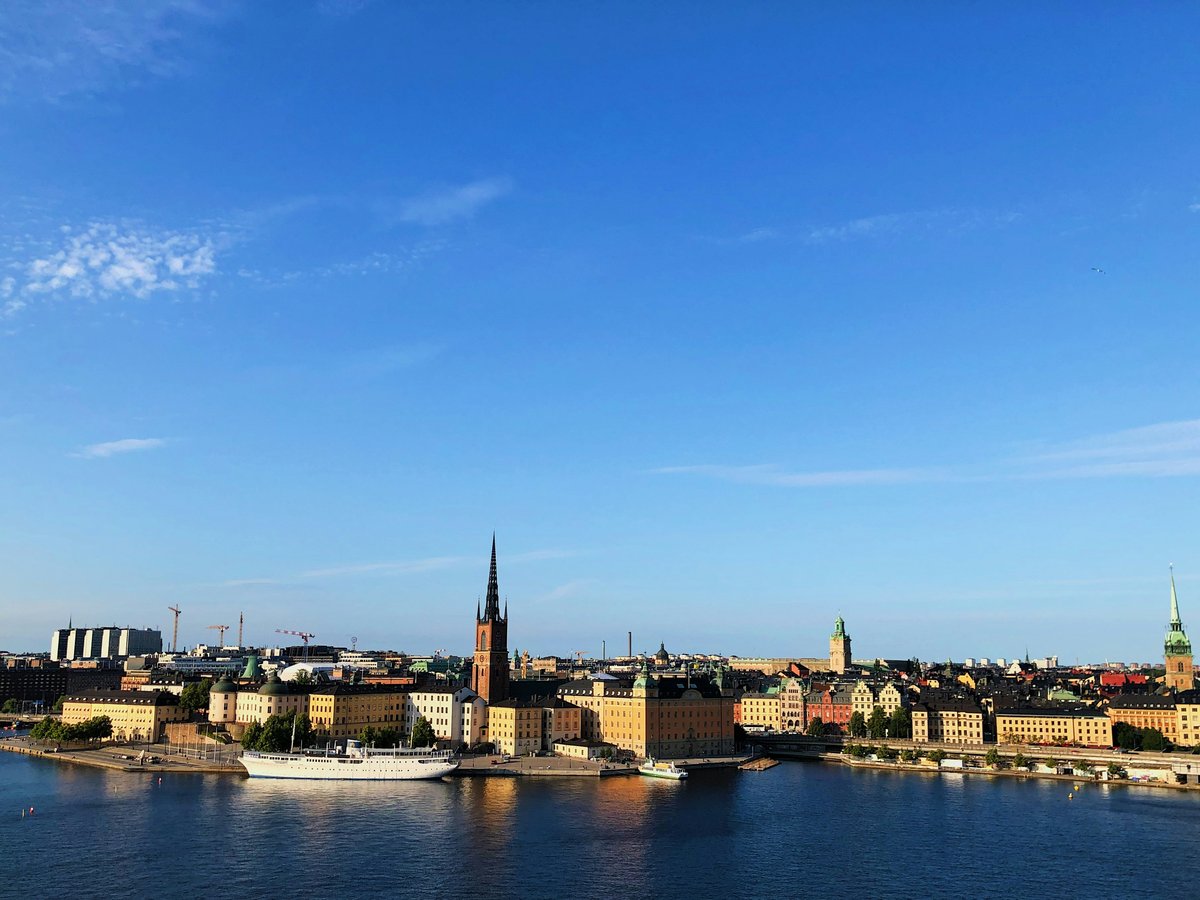
12 packing essentials every Stockholm visitor brings in 2026
A waterproof layerable shell jacket ranks first for Stockholm because the city spans 14 islands and weather shifts between neighborhoods within a single walk. SMHI recorded measurable rain on 47% of June 2025 days at Observatorielunden. The tie-breaker over merino base layers is the shell's dual role as wind protection on Djurgården ferry crossings and rain cover on Gamla Stan's exposed bridges.
The scoring weights three factors roughly equally. How much the item matters because you're in Stockholm specifically, not any other European capital. Quality per dollar, since overpacking with premium gear you won't use wastes money and luggage space. And frequency-of-regret-if-missing, drawn from traveller forums where people name what they wish they'd brought. A waterproof shell jacket tops the list because Stockholm sits on 14 islands connected by 57 bridges, and the water-to-land ratio means weather can shift between Riddarfjärden and Strandvägen within a single walk. SMHI data logged measurable precipitation on 47% of June 2025 days at the Observatorielunden station. That's not all-day downpour. It tends to be short, sharp showers that roll across from Kungsholmen and soak anyone caught on Skeppsholmsbron or the Djurgården waterfront.
The most common packing mistake for Stockholm is treating it like a consistently warm summer destination. Average June highs hover around 20-22°C, but mornings on the T-bana's green line out to Hässelby or the red line toward Ropsten can feel closer to 12°C before the sun clears the buildings. Visitors from southern Europe or North America regularly show up with a single light jacket and end up buying an overpriced fleece at Åhléns City on Klarabergsgatan. The second mistake is ignoring footwear. Gamla Stan's Prästgatan and Mårten Trotzigs Gränd, Stockholm's narrowest alley at 90 centimetres wide, are paved with uneven stone that punishes flat-soled sneakers. Södermalm's hills add a vertical dimension that most city walkers don't anticipate until their calves remind them.
The waterproof shell is not the right top pick for every visitor. If you're coming strictly for a conference at Stockholmsmässan in Älvsjö and plan to move between the venue, your hotel, and a few restaurants by taxi, you likely won't need serious rain protection. The same goes for winter visitors from December through February, when a proper insulated coat replaces the shell entirely and temperatures regularly dip to minus 5°C. For those trips, swap the shell for a down puffer and add thermal layers. The shell recommendation assumes a visitor who will be outdoors for extended stretches, walking the 6 km Djurgården loop, catching ferries from Nybroplan, or day-tripping on a Waxholmsbolaget boat to Vaxholm or Grinda in the archipelago.
Worth noting that Stockholm's Arlanda Express runs every 15 minutes between Arlanda Airport and Stockholm Central Station, a 20-minute ride priced at 299 SEK one way in 2026. That first train ride is where many visitors realize they've underpacked for the temperature. The air-conditioned carriages open onto a platform where the wind can feel brisk even in July. Stockholm's indoor-outdoor rhythm matters for packing decisions. A typical day might start with coffee at a heated café on Götgatan in Södermalm, shift to 3 hours outdoors at Skansen on Djurgården, then move underground to the T-bana's blue line art stations at T-Centralen and Kungsträdgården, where temperatures sit around 15°C regardless of the season above.
The full list
-
Waterproof Packable Shell Jacket
Stockholm's weather shifts fast. You might leave your hotel in Norrmalm under blue sky and hit sideways rain crossing Djurgårdsbron 40 minutes later. A packable shell with sealed seams handles the exposed waterfront walks along Strandvägen without turning your day into a soggy retreat.
Shop Waterproof Packable Shell Jacket -
Broken-In Walking Shoes with Ankle Support
Gamla Stan's cobblestones date to the 1300s and they feel like it underfoot. Add the steep climbs around Södermalm's Monteliusvägen viewpoint and the gravel paths on Djurgården, and unsupportive shoes will have you limping by day two.
Shop Broken-In Walking Shoes with Ankle Support -
Merino Wool Base Layer Top
Morning ferries to Djurgården from Slussen run cool even in June, with wind off Saltsjön cutting through cotton. A merino base regulates temperature from a 7°C ferry deck to the 22°C interior of the Vasa Museum without a full outfit change.
Shop Merino Wool Base Layer Top -
Compact Wind-Resistant Umbrella
Rain hits Stockholm around 170 days per year, often as brief 15-minute bursts that blow through Kungsträdgården without warning. A wind-resistant compact umbrella fits in a jacket pocket for those sudden showers on the Strandvägen promenade.
Shop Compact Wind-Resistant Umbrella -
Type F Power Adapter
Swedish outlets use the recessed Type F Schuko standard. Most North American and UK plugs won't fit, and the adapters sold at Arlanda's arrivals hall run 3-4x the price you'd pay buying one before you leave home.
Shop Type F Power Adapter -
Portable Power Bank (10,000 mAh)
Stockholm's summer daylight stretches past 22:00, meaning 14-hour exploring days that drain a phone battery twice over. You'll rely on your phone for SL's journey planner on the T-bana and for scanning QR tickets at Skansen's entrance gate.
Shop Portable Power Bank (10,000 mAh) -
Reusable Water Bottle (500ml)
Stockholm's tap water comes from Lake Mälaren and ranks among the cleanest municipal supplies in Europe. Refill stations dot T-bana platforms and most museums. Buying bottled water at 25-35 SEK per half-litre adds up pointlessly.
Shop Reusable Water Bottle (500ml) -
Contoured Sleep Mask
From late May through mid-July, Stockholm gets roughly 18-19 hours of daylight. Blackout curtains vary between hotels and Airbnbs, especially in older buildings around Vasastan and Östermalm. A contoured sleep mask weighs nothing and solves the 3 AM sunrise problem.
Shop Contoured Sleep Mask -
SPF 30+ Sunscreen (Travel Size)
At 59°N latitude, Stockholm's June sun sits low but persists for 18+ hours. Reflected light off the water around Skeppsholmen and on archipelago ferries compounds exposure. Scandinavian dermatologists recommend SPF 30 minimum from May through August.
Shop SPF 30+ Sunscreen (Travel Size) -
Swimsuit
Stockholm has over 30 public bathing spots within city limits, from Långholmen's sandy beach to the floating pool at Eriksdalsbadet. The sauna-to-cold-plunge ritual at Hellasgården draws locals year-round, and showing up without a swimsuit means sitting that out.
Shop Swimsuit -
Lightweight Merino Buff or Scarf
Wind funnels through the waterways between Kungsholmen and Södermalm with surprising force, especially crossing Västerbron. A lightweight merino buff doubles as ear protection on evening boat tours through the archipelago when temperatures drop after sunset.
Shop Lightweight Merino Buff or Scarf -
Packable Daypack (15-20L)
Stockholm's islands spread attractions across water crossings where you can't pop back to your hotel easily. A 15-20L daypack carries your rain layer, water bottle, and sunscreen for a full day looping from Norrmalm through Djurgården to Södermalm.
Shop Packable Daypack (15-20L)
Last verified by automated review (v1.7.2) on . What is automated review?