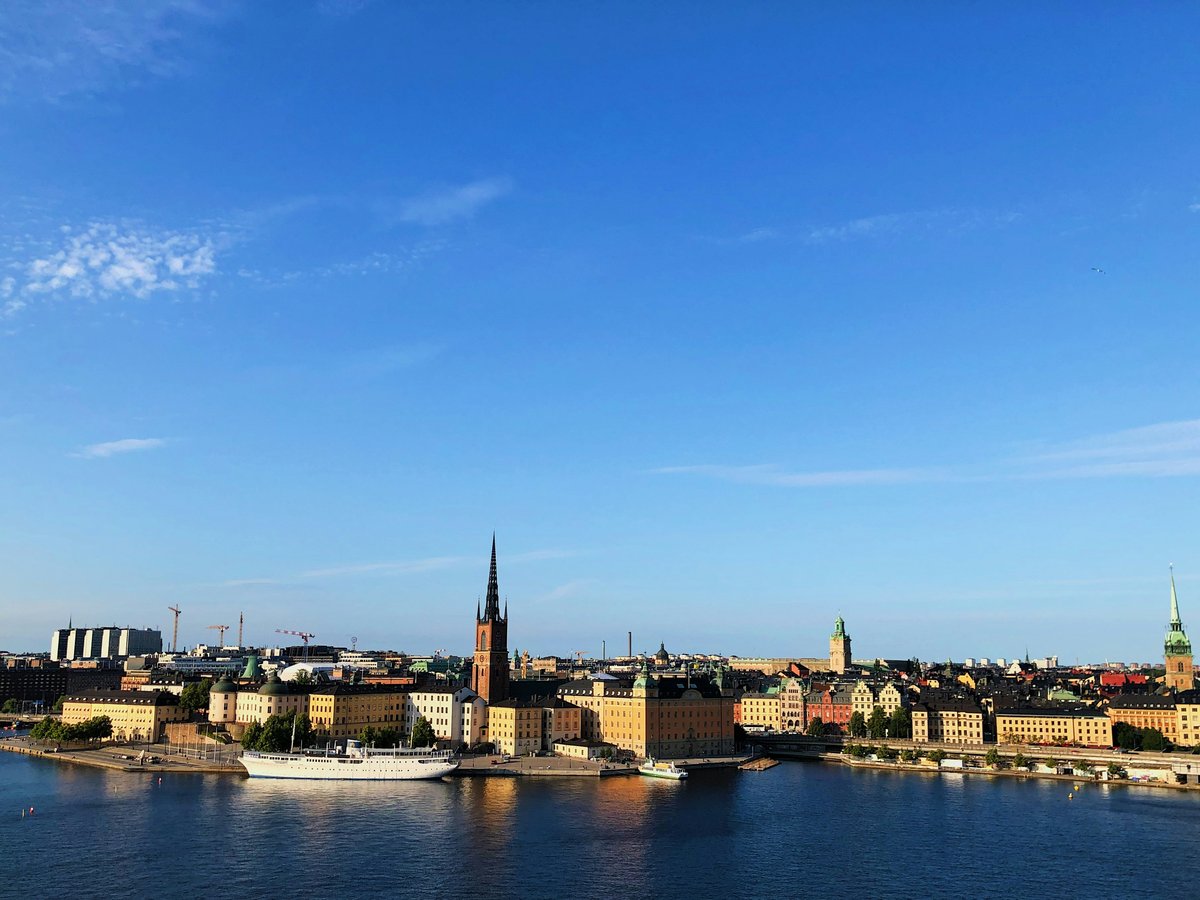
Stockholm tends to surprise people on the shopping front. The city has been exporting design ideas since the 1950s, and that Scandinavian minimalism you see in every lifestyle magazine likely traces back to a Swedish studio. What you'll notice walking around is how much of the retail landscape still leans toward independent shops and heritage brands rather than global chains. Sweden's glass-making tradition runs back to the 1740s in Småland, and those pieces still fill Stockholm storefronts. Dala horses, hand-carved in Nusnäs since the 1800s, remain genuinely popular gifts among Swedes themselves. The city's fashion scene currently sits in an interesting spot, with labels like Acne Studios, Filippa K, and COS all headquartered here, so you'll find current-season pieces before they reach international stockists. Stockholm is also, it's worth noting, almost entirely cashless. Carrying Swedish kronor in paper form is close to pointless in 2026.
Shopping districts
-
Drottninggatan
budget to mid-rangeStockholm's main pedestrian shopping street runs about 1 kilometer from Sergels Torg north toward Odenplan. The southern stretch near T-Centralen is heavy on H&M, Zara, and the usual European high-street brands. It gets more interesting past Hötorget, where smaller Swedish labels and vintage shops start appearing between the chains. Weekends bring serious foot traffic. The vibe is functional, not glamorous. This is where teenage Stockholmers spend Saturday afternoons.
Best for: High-street fashion, fast fashion, and getting oriented on your first day
-
Bibliotekstan
luxuryTucked between Stureplan and Norrmalmstorg, this grid of streets around Biblioteksgatan holds Stockholm's luxury concentration. Acne Studios has a flagship here. You'll find Swedish jeweler Efva Attling alongside international names. The buildings date to the late 1800s, and the storefronts still have that old-money restraint. Even window shopping feels quiet and deliberate. Locals sometimes call this area Stureplan-adjacent, and prices reflect the neighborhood. A wool coat from one of the Swedish brands here might run 5,000 to 15,000 SEK.
Best for: Swedish designer fashion, jewelry, and high-end Scandinavian homeware
-
SoFo (South of Folkungagatan)
mid-rangeSödermalm's SoFo district, centered around Nytorgsgatan, has been Stockholm's creative retail hub since the early 2000s. Independent boutiques selling Swedish-made ceramics sit next to secondhand shops and small-batch skincare studios. The neighborhood still has a slightly scruffy edge that Östermalm lacks. You might find a local potter selling mugs for 250 SEK in the same block as a vintage Levi's shop. Saturday mornings bring the best energy, when the cafes on Nytorget fill up and people drift between shops.
Best for: Independent Swedish design, vintage clothing, ceramics, and small-label fashion
-
Gamla Stan
mid-range to high (tourist markup)The old town's narrow streets, particularly Västerlånggatan, are lined with souvenir shops, and locals tend to avoid them. That said, a few genuinely good spots survive among the tourist traps. Small galleries sell original Swedish art, and you can still find real Dala horses and hand-blown glass rather than mass-produced knockoffs if you look past the first row of shops. Stortorget, the main square, hosts a traditional Christmas market from late November through December 23. Mind you, prices here run 20 to 40 percent higher than the same items in Södermalm.
Best for: Traditional Swedish souvenirs, Christmas market shopping in winter, and small art galleries
-
Östermalm
mid-range to highEast of Birger Jarlsgatan, Östermalm is Stockholm's old-money residential quarter, and the shopping reflects that. Humlegårdsgatan and the streets around Östermalmstorg hold a mix of established Swedish brands and curated homeware shops. Filippa K's flagship sits in this part of town. The atmosphere is polished but not showy. You'll see more locals here than on Drottninggatan, carrying tote bags from Granit or Designtorget. Prices sit comfortably in the mid-to-high range, though some of the homeware shops are more reasonable than they look.
Best for: Scandinavian homeware, quality Swedish fashion, and browsing without tourist crowds
-
Hornstull
budget to mid-rangeAt the western tip of Södermalm, Hornstull has grown from a quiet residential area into a busy weekend destination. The Hornstull Marknad runs on Saturdays and Sundays during summer along the Hornstull Strand waterfront. Permanent shops in the area lean toward vintage, streetwear, and record stores. It's younger and louder than SoFo. The smell of grilled corn and falafel from the food stalls drifts through the whole strip on warm days.
Best for: Weekend flea market browsing, vintage finds, vinyl records, and street food
Markets
-
Östermalms Saluhall
food hallStockholm's finest food hall reopened in its restored 1888 brick building in 2020 after years of renovation. Inside, about 10 vendors sell aged Swedish cheese, cured reindeer, cloudberry preserves, gravlax, and freshly baked sourdough. Prices are high by any standard. A wedge of Västerbotten cheese might cost 80 to 120 SEK. The smell of smoked fish hits you at the entrance. Worth visiting even if you only buy a coffee and a cardamom bun. The building itself, with its iron trusses and arched ceiling, feels like a cathedral for food.
Monday to Saturday, typically 9:30 to 18:00, shorter hours Saturday
-
Hötorgshallen
food and groceryThe indoor market beneath Hötorget has been running since the 1950s. It's rougher around the edges than Östermalms Saluhall and cheaper by a good margin. The ground-floor vendors sell fruit, vegetables, spices, and imported foods from the Middle East and Southeast Asia. Downstairs holds small lunch counters serving everything from Turkish kebabs to Vietnamese pho. Locals grocery shop here, which tells you something.
Monday to Saturday, roughly 10:00 to 18:00
-
Hornstulls Marknad
flea and vintageStockholm's largest outdoor flea market sets up along the Hornstull waterfront on weekends from April through September. Private sellers spread blankets with vintage clothing, old cameras, vinyl records, and kitchen oddities. The food truck row tends to be excellent. You'll find mid-century Swedish furniture pieces, sometimes Alvar Aalto or Bruno Mathsson knockoffs, sometimes the real thing. Arrive before 11:00 for the best selection. By 14:00 the serious stuff is picked over.
Saturdays and Sundays, approximately April through September, 11:00 to 17:00
-
Hötorget Outdoor Market
outdoor produce and flowersThe open-air market in Hötorget square has operated daily for over a century. Flower sellers and fruit vendors set up stalls year-round. In summer, Swedish strawberries appear in late June, and the queue for the first batch is a minor local event. The prices are fair. A bag of seasonal berries runs 40 to 60 SEK in peak season. It's small but authentic, right next to the Konserthuset concert hall.
Monday to Saturday, mornings through afternoon, year-round
-
Skärholmen Loppis
flea and secondhandSouth of the city center at Skärholmens Centrum, this indoor flea market draws bargain hunters from across greater Stockholm. The selection leans toward household goods, furniture, and vintage clothing at genuinely low prices. It's not curated or fashionable. This is where Stockholmers offload and find secondhand goods. Take the T-bana red line to Skärholmen, about 20 minutes from T-Centralen.
Weekends, typically Saturday and Sunday
-
Stortorget Christmas Market
seasonal ChristmasGamla Stan's main square hosts a Christmas market from late November through December 23. The stalls sell glögg (mulled wine), pepparkakor (ginger snaps), handmade candles, and traditional Swedish ornaments. The square itself dates to the 1200s, and on a cold December evening with the stalls lit up, the atmosphere is hard to beat. It gets crowded on weekends. Weekday afternoons, especially early December, are calmer.
Late November through December 23, daily
Souvenirs worth bringing home
Skip the plastic Viking helmets in Gamla Stan. The genuinely Swedish things worth carrying home tend to be smaller and more specific. Hand-blown glass from Kosta Boda or Orrefors, both founded in the Småland glassworks region, remains a classic choice. Pieces start around 300 SEK for a simple vase and climb steeply from there. Dala horses from Grannas A. Olssons, the original workshop in Nusnäs, come in sizes from 5 centimeters to knee-high. The small ones run about 150 to 300 SEK. Västerbotten cheese, a hard aged cheese from northern Sweden with a sharp, slightly nutty flavor, travels well if wrapped properly. Lingonberry jam from Felix or Hafi costs almost nothing (under 50 SEK) and tastes far better than any version you'll find exported. Swedish-designed kitchen textiles from Klippan or Ekelund, woven in small mills, make practical gifts. For fashion, a pair of Acne Studios jeans bought at the Stockholm flagship saves you the international markup. Filippa K scarves and knits are lighter to pack and hold up for years. If you're into skincare, L:a Bruket products from the Swedish west coast have become popular gifts. A tube of sea salt hand cream runs about 200 SEK. One thing to avoid buying in Stockholm is anything labeled 'Swedish design' in a Gamla Stan tourist shop. The genuine article is usually cheaper and better-made in Södermalm or Östermalm.
Practical tips
- Payment methods
- Sweden is effectively cashless in 2026. Nearly every shop, market stall, and cafe accepts cards and contactless payment. Some vendors at flea markets still prefer Swish, the Swedish mobile payment app, which requires a Swedish bank account. As a visitor, a contactless Visa or Mastercard handles about 99 percent of transactions. Carrying more than 200 SEK in cash is unnecessary.
- Tax refunds (Tax Free shopping)
- Non-EU residents can claim a VAT refund of up to 25 percent on purchases over 200 SEK from participating shops. Look for the Tax Free Shopping sign and ask for the form at checkout. You'll need your passport. Process the refund at Arlanda Airport before departure. The desks are in both Terminal 2 and Terminal 5. Allow at least 30 minutes for the queue during summer peak season.
- Opening hours
- Most Stockholm shops open between 10:00 and 11:00 on weekdays and close by 18:00 or 19:00. Saturday hours tend to be shorter, with many closing at 16:00 or 17:00. Sunday opening is increasingly common in central shopping areas, but hours typically run 11:00 to 16:00 at most. Department stores like NK and Åhléns keep longer hours. Grocery stores often stay open until 21:00 or 22:00.
- Bargaining and pricing
- Bargaining is not part of Swedish retail culture in fixed shops. Prices are what they are. The one exception is flea markets and private-seller events like Hornstulls Marknad, where polite negotiation is normal, especially later in the day when sellers want to pack up. A 10 to 20 percent discount on a flea market item is reasonable to ask for. In regular stores, don't try it.
- Seasonal sales
- Sweden's two main sale seasons run in January (after Christmas) and late June through July (midsummer sales). Discounts of 30 to 70 percent are standard during these periods. The best selection tends to appear in the first few days. H&M, Acne Studios, and most department stores participate. Stockholm's summer sales coincide with Midsommar, so late June is a good time for both shopping and cultural experiences.
- Getting around shopping areas
- The T-bana (metro) connects all major shopping districts. Drottninggatan is at T-Centralen, Östermalm at Östermalmstorg station, SoFo at Medborgarplatsen, and Hornstull at Hornstull station. A single-ride ticket costs 39 SEK, or you can buy a 24-hour pass for 165 SEK. Walking between Drottninggatan, Bibliotekstan, and Östermalm takes about 15 minutes, so the central areas don't require transit at all.
FAQ
Is Stockholm an expensive city for shopping compared to other European capitals?
Stockholm sits in the upper range for European shopping. VAT at 25 percent is among the highest in Europe, and imported goods carry that markup. Swedish-made items, particularly design and fashion, can be cheaper here than abroad because you're skipping the export and distribution costs. A pair of Acne Studios jeans costs roughly 15 to 20 percent less at the Stockholm flagship than in London or Paris. Grocery prices are about 30 percent above the EU average. Budget-conscious shoppers do best at flea markets and during the January and June sale seasons.
Can I use euros or US dollars in Stockholm shops?
Almost nowhere accepts euros or dollars. Sweden uses the Swedish krona (SEK), and virtually all transactions happen by card or contactless payment. A few tourist-oriented shops in Gamla Stan might take euros at an unfavorable rate, but you'd lose money on the exchange. Use a travel card with no foreign transaction fees and pay in SEK. Avoid dynamic currency conversion at card terminals, as the rates are consistently worse than your bank's.
What are the best areas for vintage and secondhand shopping in Stockholm?
SoFo in Södermalm is the strongest concentration of permanent vintage shops, with several clustered around Bondegatan and Skånegatan. Hornstulls Marknad, the weekend flea market running April through September along the Hornstull waterfront, is the best single event for secondhand finds. Beyond Södermalm, Skärholmen Loppis in the southern suburbs draws locals looking for genuine bargains on furniture and household goods. Myrorna, the Salvation Army chain, has several locations across the city with rotating stock.
Are shops in Stockholm open on Sundays and public holidays?
Sunday shopping has become common in central Stockholm, though hours run shorter than weekdays, typically 11:00 to 16:00. Department stores like NK on Hamngatan and Åhléns at Klarabergsgatan tend to keep Sunday hours year-round. Smaller independent shops, especially in SoFo and Östermalm, may close on Sundays or open only in the afternoon. On major holidays like Midsommar (late June), Christmas Day, and New Year's Day, expect most shops to close entirely. The days between Christmas and New Year are prime sale-shopping time, and most stores reopen by December 27.
Where should I go for authentic Swedish design and homeware?
Designtorget, with locations in several Stockholm neighborhoods, carries a curated selection of Swedish-designed home goods, kitchen items, and accessories at mid-range prices. Granit focuses on Scandinavian minimalist storage and home organization. For higher-end ceramics and glassware, the shops along Östermalm's side streets carry pieces from Kosta Boda, Orrefors, and smaller Swedish studios. Svenskt Tenn on Strandvägen has been selling Josef Frank textiles and furniture since the 1930s, though prices match the heritage. In SoFo, smaller studios sell one-off ceramics and textiles directly from the makers.
How do I claim a tax refund at the airport when leaving Sweden?
At participating shops, ask for a Tax Free form when you spend over 200 SEK in a single transaction. You'll need to show your passport. Keep the goods unused and in their original packaging. At Arlanda Airport, visit the Global Blue or Planet Tax Free desk before checking in your luggage, since customs may want to inspect the items. Desks are located in both Terminal 2 and Terminal 5. The refund can go back to your credit card or in cash (SEK or euros). Processing takes 5 to 10 minutes per form, but the queue during July and August can add 20 to 30 minutes, so arrive at the airport with time to spare.
Last verified by automated review (v1.7.2) on . What is automated review?