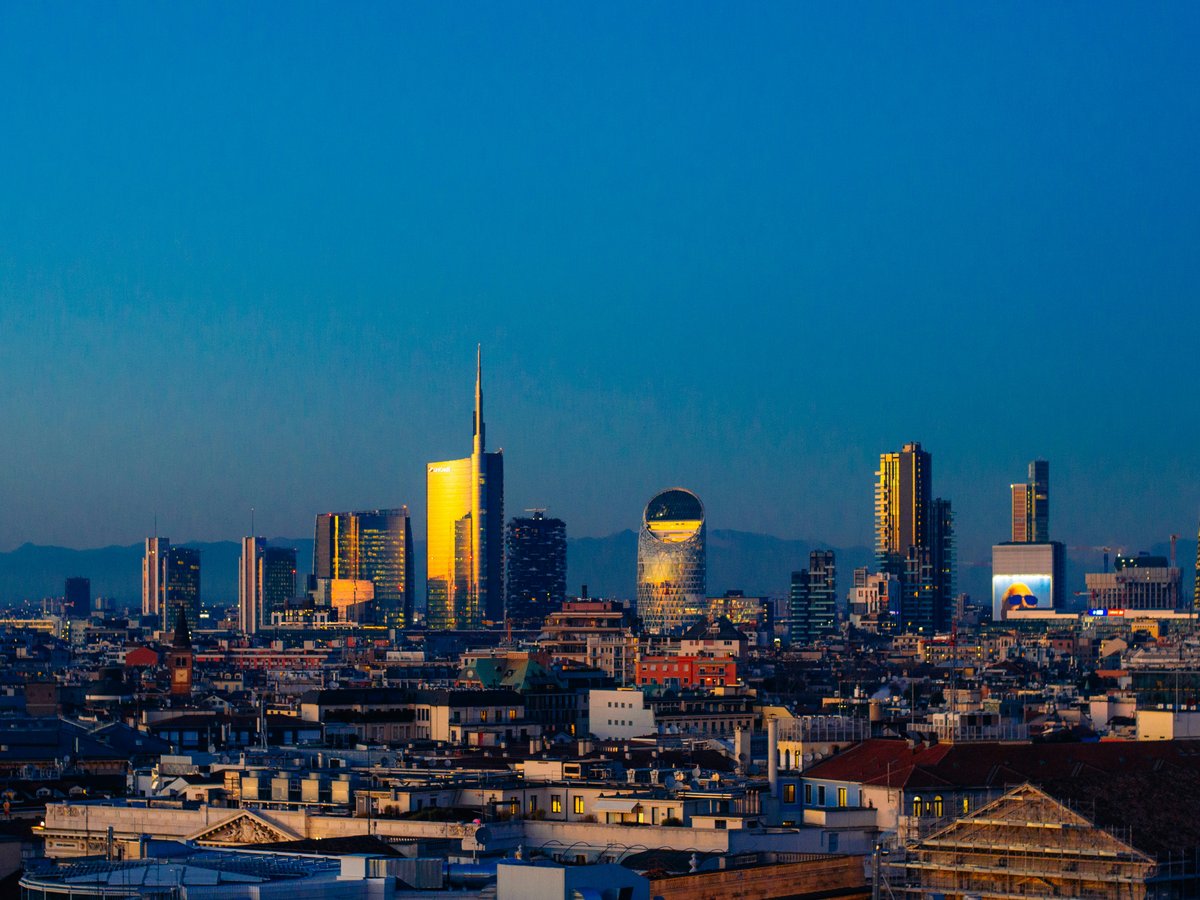
Milan has been Italy's fashion capital since the 1950s, when designers like Krizia and Missoni set up their first ateliers in the city center. The Quadrilatero della Moda, a 4-block grid near the Duomo, still concentrates more high-end fashion per square meter than anywhere else in continental Europe. But the shopping culture here goes well beyond runway labels. Milanese locals tend to shop in neighborhood mercerie and family-run botteghe that have operated for 2 or 3 generations, particularly along the Navigli canals and in the Isola district north of Garibaldi station. You'll find a city where handmade leather goods, artisan perfumery, and vintage mid-century furniture all sit within a few tram stops of each other. Worth noting, Milan is also the historical center of Italian design publishing and stationery. Stores like the Feltrinelli chain and smaller independent cartolerie sell paper goods and art books that are difficult to find outside Lombardy. The twice-yearly Saldi periods, typically starting in early January and early July, can drop prices by 30 to 50 percent even on Via Montenapoleone.
Shopping districts
-
Quadrilatero della Moda
luxuryThe rectangle formed by Via Montenapoleone, Via della Spiga, Via Manzoni, and Corso Venezia is where Milan's global fashion reputation lives. Via Montenapoleone runs about 500 meters and hosts the flagship stores of Prada, Versace, Armani, Dolce & Gabbana, and Bulgari. Via della Spiga is pedestrianized, which makes it quieter, and the storefronts tend to lean slightly younger and more experimental. The side streets between the two main arteries hide smaller Italian labels and private showrooms. To be fair, walking here costs nothing and the window displays alone are worth 30 minutes, even if the price tags run into 4 or 5 figures.
Best for: High fashion, Italian designer flagships, fine jewelry, luxury leather goods
-
Corso Buenos Aires
budget to mid-rangeRunning about 1.3 kilometers from Porta Venezia to Piazzale Loreto, Corso Buenos Aires is reportedly the longest shopping street in Europe by store count, with over 350 shops lining both sides. The feel here is completely different from the Quadrilatero. It's loud, crowded on Saturdays, and full of mid-range chains like Zara, H&M, OVS, and Italian brands like Calzedonia and Intimissimi. You'll also find a few family-owned shoe stores that have held their leases for decades, still selling Italian-made footwear at reasonable prices. During Saldi season, this street gets genuinely hectic.
Best for: High-street fashion, shoes, sportswear, everyday clothing at accessible prices
-
Brera District
mid-range to highThe cobblestoned streets around Via Fiori Chiari and Via Madonnina, north of the Pinacoteca di Brera, have a slower rhythm than the rest of central Milan. Brera is where you'll find independent bookshops, vintage clothing dealers, small perfumeries blending scents on-site, and galleries doubling as design shops. The neighborhood still feels like an artists' quarter in places, though rents have risen steadily since the 2000s. Several antique dealers along Via Fiori Chiari specialize in 20th-century Italian design, selling original Gio Ponti chairs and Murano glass at collector prices.
Best for: Vintage fashion, art books, antiques, artisan perfume, Italian design objects
-
Navigli District
mid-rangeThe two canals, Naviglio Grande and Naviglio Pavese, converge near Porta Genova in Milan's south. The area has evolved since the early 2000s from a gritty, slightly bohemian neighborhood into a popular evening and weekend destination. Along the canal banks you'll find independent boutiques, second-hand clothing shops, and a few record stores. The side streets, particularly Via Corsico and Ripa di Porta Ticinese, have small ateliers where leather workers and jewelers sell directly from their workshops. Prices tend to be more approachable than Brera, and the canal-side atmosphere on a warm evening, with aperitivo spilling onto the towpaths, makes browsing feel unhurried.
Best for: Independent boutiques, handmade jewelry, vintage finds, leather goods from local artisans
-
Corso Vittorio Emanuele II and Galleria Vittorio Emanuele II
mid-range to luxuryCorso Vittorio Emanuele II connects Piazza San Babila to Piazza Duomo and is Milan's busiest pedestrian shopping street. The mix is predominantly international high-street and mid-luxury. Brands like Massimo Dutti, Sephora, and the multi-level Mondadori bookshop anchor the strip. The Galleria itself, built between 1865 and 1877, houses Louis Vuitton, Gucci, and the historic Prada store that has occupied its corner since 1913. The mosaic floors and iron-and-glass ceiling are worth seeing regardless of your budget. Mind you, the cafes inside the Galleria charge a steep premium for the setting.
Best for: Mainstream fashion, luxury flagships in a historic arcade, bookshops, cosmetics
-
Isola District
budget to mid-rangeNorth of Garibaldi station, Isola was a working-class neighborhood until the Porta Nuova redevelopment in the 2010s brought new towers and foot traffic. The original character has held on along Via Borsieri and Via Pastrengo, where small independent shops sell ceramics, locally roasted coffee, natural wines, and handmade clothing. A few concept stores have opened in recent years, mixing Italian and Scandinavian design. The neighborhood still has an edge that Brera has largely lost, and you'll notice the prices reflect that. Coffee at a local bar on Via Borsieri might run 1.20 to 1.50 euros, compared to 3 euros or more near the Duomo.
Best for: Independent concept stores, ceramics, specialty coffee, natural wine, emerging Italian designers
-
Corso Vercelli and Corso Magenta
mid-range to highWest of the city center, Corso Vercelli is where well-dressed Milanese professionals shop without the tourist density of Via Montenapoleone. The street runs about 900 meters and mixes Italian mid-luxury brands with family-run shops selling cashmere, handmade shoes, and tailored menswear. Corso Magenta, which passes Santa Maria delle Grazie (home of Leonardo's Last Supper), has a more residential, quieter feel and features several high-end home furnishing stores. You'll see fewer selfie sticks and more strollers on this side of town.
Best for: Italian-made clothing, cashmere, tailored menswear, home furnishings, browsing without crowds
Markets
-
Mercato di Via Fauché
foodThis open-air market sets up along Via Fauché in the Sempione area, roughly a 10-minute walk from the Arco della Pace. The stalls sell fruit, vegetables, cheese, cured meats, and fresh fish. Locals come early, particularly for the seasonal produce. You'll smell roasting chestnuts in autumn and find crates of Pachino tomatoes in summer. It's a functioning neighborhood market, not a tourist attraction, and the prices reflect that. Stallholders tend to be direct. Point at what you want, and they'll bag it.
Tuesday and Saturday mornings, typically 8:00 to 13:00
-
Mercatone dell'Antiquariato sul Naviglio Grande
flea and antiqueOn the last Sunday of each month (except July), roughly 400 vendors set up along both banks of the Naviglio Grande canal. The market stretches for about 2 kilometers from the Darsena basin westward. You'll find mid-century Italian furniture, vintage Alessi kitchenware, old prints and maps, silverware, vinyl records, and antique jewelry. Quality varies widely from stall to stall. Serious dealers mix with hobbyists clearing out their nonne's attics. Arrive before 10:00 to get first pick, as the better pieces tend to disappear by midday. The crowd thickens after lunch, and the canal-side walkways get tight.
Last Sunday of each month (except July), approximately 9:00 to 18:00
-
Mercato Metropolitano
food hallLocated near Porta Genova in a converted industrial space, Mercato Metropolitano opened in 2015 as a permanent food market and community hub. The vendors inside sell Sicilian arancini, Neapolitan pizza, artisan gelato, craft beer, and organic produce from Lombard farms. There's a strong focus on sustainability and short supply chains. It's louder and more casual than a traditional mercato, closer in feel to a food hall. You can eat on-site at communal tables.
Open daily, generally 10:00 to midnight, with some variation by season
-
Fiera di Sinigaglia
fleaMilan's oldest flea market, Fiera di Sinigaglia, operates on Saturdays along the Darsena near the intersection of the two Navigli canals. The selection leans toward secondhand clothing, old books, military surplus, vintage sunglasses, and assorted curiosities. The atmosphere is scrappy and informal. Bargaining is expected here, which is unusual for Milan. Some stalls accept only cash. Arrive early and wear comfortable shoes, as the browsing can stretch over a couple of hours if you're the rummaging type.
Saturdays, approximately 8:00 to 17:00
-
Mercato di Porta Romana
general and foodOn the southeast side of the city center, this weekly street market fills several blocks near the old Porta Romana gate. The stalls sell a wide mix of clothing, household goods, leather belts and bags, seasonal produce, and flowers. Prices are low by Milan standards, and the vendors cater to residents rather than visitors. You'll hear more Milanese dialect here than English. The cheese and salumi stalls are worth seeking out, particularly for aged Grana Padano and bresaola from the Valtellina.
Tuesday mornings and all day Saturday
-
East Market
vintage and artisanHeld monthly in a former industrial warehouse in the Lambrate district, East Market is Milan's answer to the Brooklyn Flea. Several hundred vendors sell vintage clothing, vinyl records, sneakers, handmade jewelry, and small-batch Italian skincare. There's usually a DJ, a few street food trucks, and craft beer on tap. The crowd skews young, 20s and 30s, and the atmosphere is relaxed. Entry has historically been free or a few euros. Check their social media for exact dates, as the schedule shifts.
Generally one Sunday per month, typically 10:00 to 21:00
Souvenirs worth bringing home
Skip the miniature Duomo replicas and the "I Love Milano" magnets. The things worth carrying home from Milan are the things Milanese people use. Panettone is the obvious choice, and for good reason. The city's bakeries produce it fresh from October through January, and brands like Cova (founded 1817) and Marchesi (founded 1824) sell beautifully boxed versions that travel well. Outside the holiday season, colomba, the Easter dove cake, fills the same niche in spring. Bialetti stovetop espresso makers are manufactured in Italy and widely available in Milan's housewares shops for 25 to 40 euros, depending on size. Alessi kitchen objects, designed in nearby Crusinallo, make distinctive gifts. Italian-made silk ties and scarves from the Quadrilatero's smaller shops tend to cost 60 to 150 euros, well below the big-name equivalents. For food, vacuum-sealed packets of risotto alla milanese seasoning (saffron from Sardinia or Abruzzo, dried porcini, carnaroli rice from the Po Valley) are light and easy to pack. Gorgonzola DOP, produced in towns around Milan since at least the 12th century, can be vacuum-packed by cheese vendors at the municipal markets. Campari, invented in Milan by Gaspare Campari in 1860, is available at any supermarket and still seems to taste better when you bring it home from its birthplace. Leather goods from small Navigli workshops, particularly belts and wallets, often run 40 to 90 euros and are handmade on-site. For design lovers, Italian architecture and design books from Feltrinelli or the Triennale Design Museum bookshop are specific to Milan in a way few other souvenirs can match.
Practical tips
- Bargaining
- Fixed prices are the norm in Milan's shops, boutiques, and department stores. Do not attempt to negotiate. The exceptions are flea markets, particularly Fiera di Sinigaglia and the Naviglio Grande antique market, where polite haggling is expected. Offering 10 to 20 percent below the asking price is reasonable at these markets. At food markets, prices are as marked. In vintage and antique shops with no price tag displayed, asking "Qual è il miglior prezzo?" (What's the best price?) is acceptable, but aggressive bargaining is considered rude.
- Tax Refunds (Tax-Free Shopping)
- Non-EU residents can claim a VAT refund on purchases over 154.94 euros from a single store in a single day. Ask for a Tax Free form at the time of purchase. At Malpensa airport, the customs desk for stamping is in the departures area before check-in. Expect queues of 30 minutes or more during summer and around Christmas. Some shops on Via Montenapoleone use services like Global Blue or Planet, which let you get an immediate partial refund in-store. The actual refund percentage, after processing fees, tends to land around 11 to 14 percent rather than the full 22 percent VAT rate.
- Opening Hours
- Most shops in central Milan open between 9:30 and 10:00 and close around 19:30. Smaller independent stores and some shops in residential neighborhoods still close for lunch, typically 12:30 to 15:30. Sunday opening is common in the Quadrilatero, Corso Vittorio Emanuele, and major shopping centers like CityLife Shopping District, but many smaller shops in Brera, Isola, and the Navigli close on Sundays or open only in the afternoon. Monday mornings can be quiet, as some boutiques open at 15:00 or 15:30 on Mondays.
- Payment Methods
- Credit and debit cards (Visa, Mastercard) are accepted nearly everywhere in Milan, including most market stalls. Contactless payment via phone or card works at the majority of shops and restaurants. Some flea market vendors at Fiera di Sinigaglia and smaller stalls at neighborhood markets still prefer cash. ATMs (called Bancomat in Italy) are widely available, but avoid the Euronet-branded machines common near tourist areas, as they charge conversion fees of 5 to 10 percent. Use bank-affiliated ATMs from Intesa Sanpaolo, UniCredit, or Banco BPM instead.
- Saldi (Sale Seasons)
- Italian law regulates sale periods. The summer Saldi typically start on the first Saturday in July and run for about 6 weeks. Winter Saldi begin in early January and last through February. Discounts start around 30 percent and can reach 50 to 70 percent by the final weeks, though the selection thins out considerably. Corso Buenos Aires and the outlets around Via Torino tend to offer the deepest markdowns. The Quadrilatero participates too, though luxury discounts are more restrained.
- Getting Around While Shopping
- Milan's ATM metro system connects most major shopping areas. Duomo station (M1, M3) puts you at Corso Vittorio Emanuele and the Galleria. Montenapoleone station (M3) opens directly onto the Quadrilatero. Porta Genova (M2) serves the Navigli and Fiera di Sinigaglia. A single ride ticket costs 2.20 euros and is valid for 90 minutes on metro, trams, and buses. For Corso Buenos Aires, exit at Porta Venezia or Lima (M1). Tram line 9 connects several shopping districts in a single loop and is a pleasant way to move between them.
FAQ
When is the best time of year to shop in Milan?
The Saldi periods offer the clearest savings. Summer sales start around the first Saturday of July, and winter sales begin in the first week of January. Both run roughly 6 weeks. If you want full selection rather than discounts, September and October are strong months, as the new autumn collections arrive and the city is buzzing after Fashion Week (typically held in the third week of September). November can be quiet and pleasant for browsing without crowds. Avoid the last 2 weeks of August, when many smaller shops close entirely for the Ferragosto holiday period.
Is Milan's shopping scene worth it if I'm on a tight budget?
Corso Buenos Aires, Via Torino, and the Porta Romana market all cater to budget-conscious shoppers. OVS and Piazza Italia sell Italian-designed basics at very accessible prices. The outlet stores near Via Torino mark down Italian brands significantly. For food souvenirs, the Esselunga and Coop supermarket chains sell high-quality Italian products (olive oil, pasta, saffron, coffee) for a fraction of what tourist shops charge. A 250g bag of Lavazza or Illy coffee costs about 4 to 6 euros at a supermarket.
Are Milan's outlet malls worth the trip?
Serravalle Designer Outlet sits about 100 kilometers south of Milan, roughly 90 minutes by shuttle bus from the city center. It has over 300 stores carrying Italian and international brands at 30 to 70 percent off retail. Closer to the city, the FoxTown outlet in Mendrisio, Switzerland, is about 60 kilometers north and reachable by train. Both are popular on weekends, so weekday visits tend to be less hectic. Whether the travel time is worth it depends on how much you plan to buy. For 1 or 2 items, staying in the city during Saldi season likely makes more sense.
Can I ship purchases home from Milan?
Most luxury stores on Via Montenapoleone and in the Galleria offer international shipping, often included for purchases above a certain threshold. For items bought at markets or smaller shops, the Italian postal service (Poste Italiane) offers international parcel shipping, though the process at the post office can be slow. Private services like DHL and UPS have drop-off points throughout central Milan. A 5-kilogram package to North America typically costs 40 to 80 euros depending on speed. For fragile items like ceramics or glassware, DHL tends to be the safer choice.
What should I know about counterfeit goods in Milan?
Street vendors near the Duomo and along Corso Buenos Aires occasionally sell counterfeit handbags, sunglasses, and watches. Buying counterfeit goods in Italy is illegal for the buyer as well as the seller. Fines for buyers can technically reach several thousand euros, though enforcement varies. Beyond the legal risk, the quality is predictably poor. If a Prada bag is being sold for 30 euros on a blanket, it is not a Prada bag. Stick to authorized retailers and established market stalls.
Do Milan shops speak English?
In the Quadrilatero, the Galleria, Corso Vittorio Emanuele, and department stores like La Rinascente, staff almost always speak English. In neighborhood shops in Isola, the Navigli, and residential areas, Italian is more common, though younger staff often have some English. At food markets, a few basic Italian phrases help. "Quanto costa?" (How much?) and "Posso assaggiare?" (Can I taste?) go a long way. Most market vendors will switch to gesture-and-calculator communication if language is a barrier.
Last verified by automated review (v1.7.2) on . What is automated review?