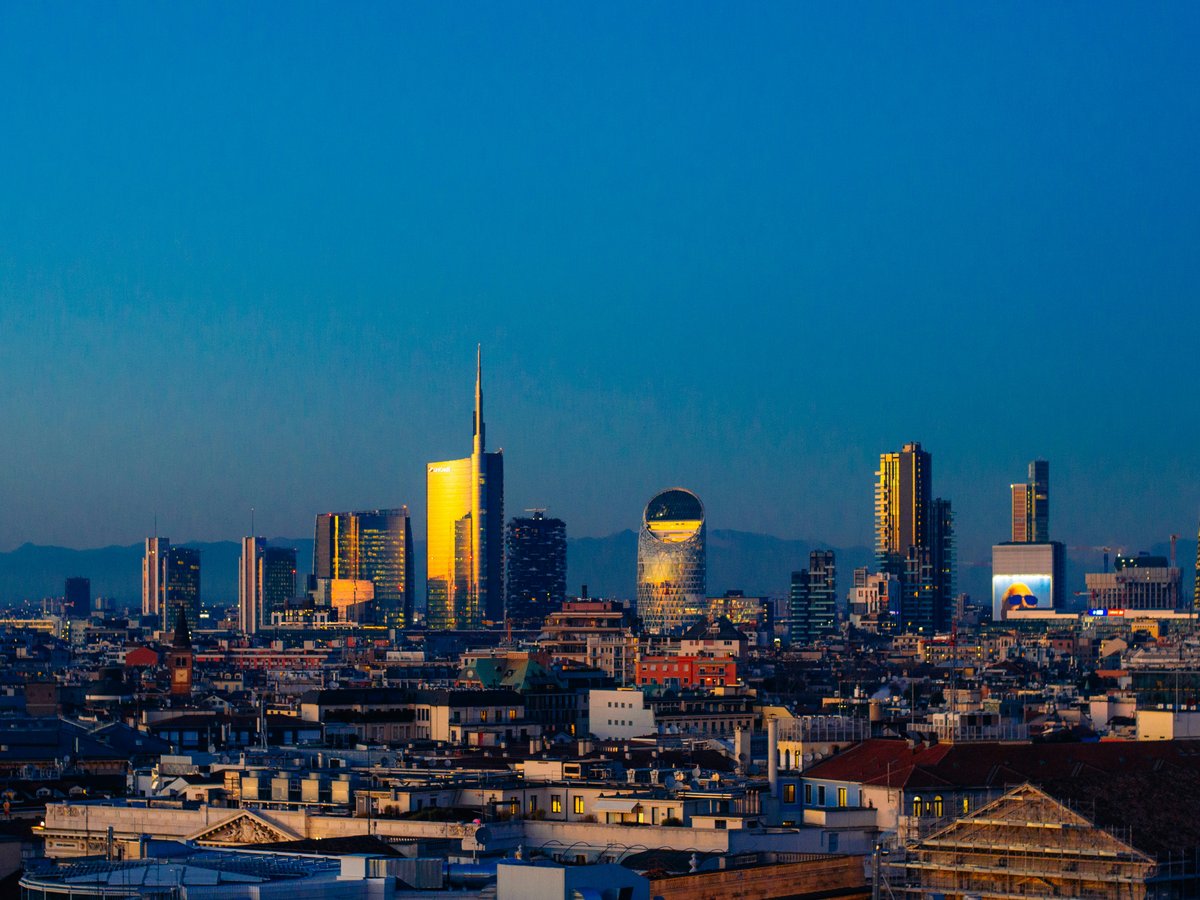
Where do locals actually go in Milan?
Isola's Via Borsieri bars on Tuesday and Wednesday evenings, NoLo's Mercato Comunale on Viale Monza mornings, Porta Venezia's Bar Basso any weeknight. Milan's locals scatter across residential neighborhoods past Piazzale Loreto that tourists never reach. The aperitivo window between 6:30pm and 8pm midweek is the easiest way to meet Milanese regulars over a €7 spritz.
Via Borsieri in Isola is where Milan's under-35 creative workers drink on Tuesday and Wednesday nights. The tourist bars are a 10-minute walk south on Corso Como. Frida, at Via Antonio Pollaiuolo 3, fills up around 9:30pm with graphic designers and freelance translators ordering €7 spritzes. The noise stays conversational until about 11pm. Two blocks north, Fonderie Milanesi on Via Giovenale Vegezio 11 runs a €12 lunch menu that pulls from nearby architecture studios. The smell of slow-braised ossobuco carries past the doorway. Mind you, Isola gets loud on Friday and Saturday nights when the weekend crowd arrives from the hinterland. If you're renting here for a month, expect quiet streets Monday through Thursday and bass from bar speakers bleeding through single-pane windows after midnight on Fridays.
NoLo, north of Piazzale Loreto, is where Milan's rent still makes sense for a multi-month stay. One-bedroom apartments on Airbnb run €900-1,200 per month, compared to €1,500 or more in Brera. The Mercato Comunale on Viale Monza opens at 7:30am with Eritrean spice vendors next to Lombard cheese stalls. Counter-service espresso at the market entrance costs €1.20, not the €2.50 you'll pay near the Duomo. Città Studi, the university district south of Piazza Leonardo da Vinci, has trattorias serving €9 primi to Politecnico students. Bar Bianco in Parco Sempione fills with young Milanese on Saturday afternoons from April through October. They sprawl on the grass with takeaway pizza from the kiosks along Viale Alemagna. Milan scores 4.8/10 for digital-nomad suitability (sourced from TTDI's editorial rubric). The gap between tourist-zone and residential-neighborhood prices in areas like NoLo can reach 40%.
The Naviglio Grande towpath between the Darsena and Via Corsico flips from local to tourist by the hour. Before 5pm on weekdays, the canal-side benches belong to retirees and dog walkers. By 7pm on Saturdays, the crowd is 80% tourists paying €10 for a weak Aperol spritz at the bars near Alzaia Naviglio Grande. Porta Venezia, east of Giardini Pubblici Indro Montanelli, keeps a steadier local ratio year-round. Bar Basso on Via Plinio 39 has served the Negroni Sbagliato it invented in 1972 to the same fashion-industry regulars for decades. The bartenders still free-pour into oversized goblets, and the cold bitterness of Campari and prosecco hits differently at a marble counter that hasn't changed since the 1960s. On Thursday evenings, Via Lecco's sidewalk tables fill with Porta Venezia's LGBTQ+ community. Milan scores 7.2/10 for LGBTQ+ friendliness (sourced from TTDI's editorial rubric), and this 200-meter stretch is the neighborhood that earned most of that number.
Milan's aperitivo culture is the single best entry point for meeting locals, but timing matters. The sweet spot falls between 6:30pm and 8pm, Tuesday through Thursday. Anything before 6pm reads as tourist. Anything after 9pm becomes a dinner crowd already settled into their group. The mercato rionale system still runs strong across the city's 88 NIL neighborhoods. Mercato di Via Fauché in the Sarpi district opens Tuesday and Saturday mornings, 8am to 1pm. You'll hear Milanese dialect mixed with Mandarin and smell fresh porcini when they're in season from September through November. Saturday mornings belong to the Fiera di Sinigaglia flea market along the Darsena. The city's vintage dealers set up by 7am, and the worthwhile finds tend to go by 10.
Where they actually go
Frida
Isola: Narrow bar on Via Antonio Pollaiuolo 3. Freelancers and designers crowd in by 9:30pm midweek. €7 spritzes, exposed brick walls, and a noise level that stays conversational until 11pm.
Fonderie Milanesi
Isola: Former foundry on Via Giovenale Vegezio 11 turned lunch spot. The €12 fixed plate draws architects from nearby studios. Warm bread smell, industrial ceiling, concrete floors that hold the cool in summer.
Mercato Comunale di Viale Monza
NoLo: Morning market where Eritrean spice stalls sit next to Lombard cheese vendors. €1.20 espresso at the entrance counter. Opens 7:30am, most stalls wind down by 1pm.
Bar Basso
Porta Venezia: Birthplace of the Negroni Sbagliato since 1972 at Via Plinio 39. Fashion-industry regulars at the marble bar, oversized goblets, free-poured drinks. The interior hasn't changed since the 1960s.
Bar Bianco
Parco Sempione: Saturday afternoon spot from April through October. Young Milanese sprawl on the grass with takeaway pizza from Viale Alemagna kiosks. Warm-season only, closed through winter.
Mercato di Via Fauché
Sarpi (Chinatown): Tuesday and Saturday mornings 8am to 1pm. Milanese dialect and Mandarin compete across the stalls. Fresh porcini in autumn, blood oranges in winter. The produce is priced for residents.
Fiera di Sinigaglia
Darsena / Navigli: Saturday-morning flea market along the canal. Vintage dealers set up by 7am. Anything worth buying tends to go before 10am. The smell of old leather and espresso from the Darsena kiosks.
Via Lecco sidewalk bars
Porta Venezia: Thursday-evening gathering point for Milan's LGBTQ+ community. Sidewalk tables fill by 8pm. Low-key, conversational, and nobody is performing for an audience.
Best times to visit
Tuesday through Thursday 6:30pm-8pm for aperitivo. Neighborhood markets 7:30am-1pm Tuesday and Saturday. Fiera di Sinigaglia flea market Saturday from 7am. Isola and Navigli bars are locals-dominated Monday through Thursday but tourist-heavy Friday and Saturday nights.
Last verified by automated review (v1.7.2) on . What is automated review?