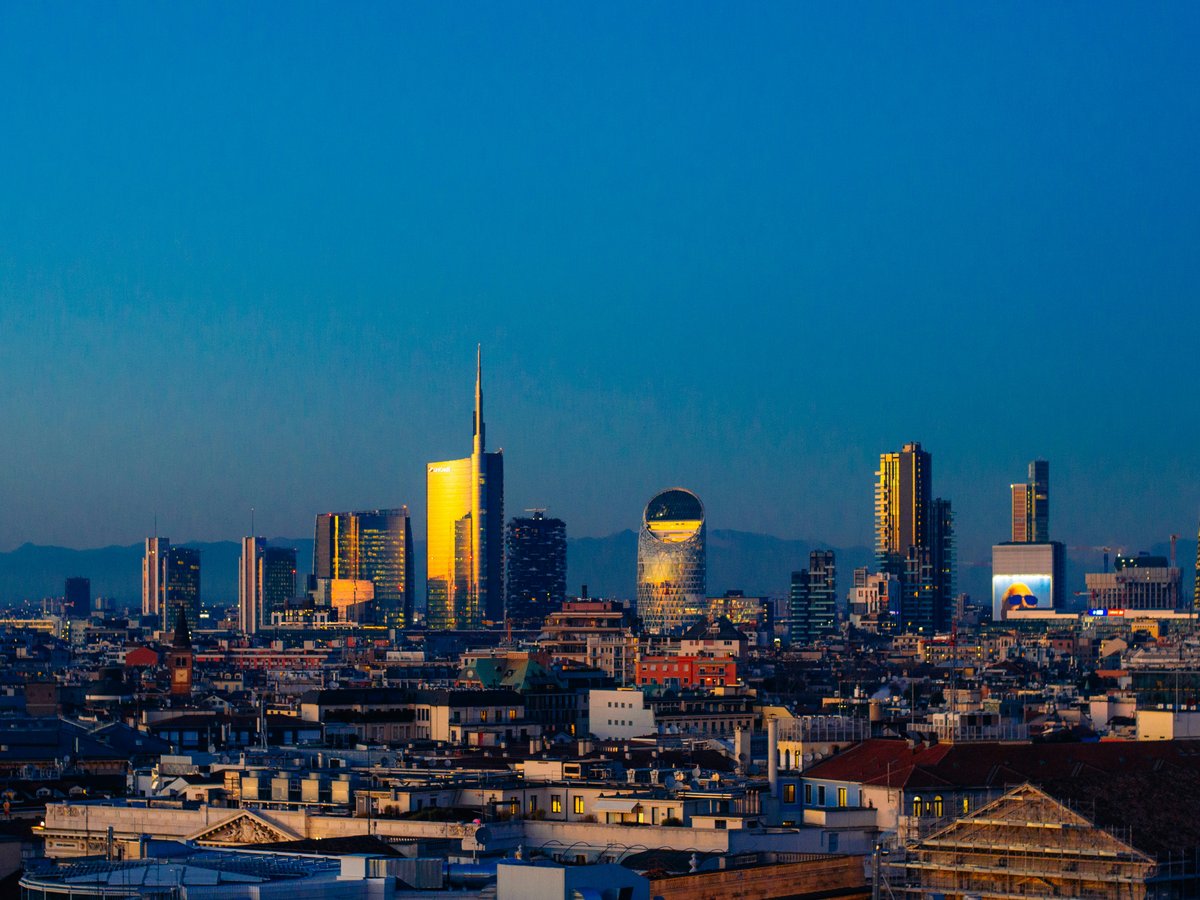
Milan's nightlife runs on a different clock than most Italian cities. The aperitivo ritual starts around 6:30 PM, when office workers from the Porta Nuova financial district and fashion houses along Via Montenapoleone crowd into bars for a Negroni Sbagliato and complimentary food spreads. That ritual isn't a warmup. For many Milanese, it is the night out. The city's fashion-world roots show up everywhere after dark, from door policies at clubs near Corso Como to the careful outfit choices you'll notice even at a neighborhood wine bar in Isola. Things tend to stay quiet until around 11 PM on weekends, and most clubs don't fill up before 1 AM. Milan is still a late city by northern European standards, but it wraps up earlier than Rome or Naples. Last call at most bars lands between 2 and 3 AM. Clubs might run until 5 or 6 AM on Saturday nights, though the crowd thins noticeably after 4. The Milanese approach to going out tends to be more curated than chaotic. People pick one or two spots for the evening rather than bar-hopping across 6 neighborhoods. Worth noting, the city's nightlife has shifted significantly since 2020, with several historic venues closing and new ones still finding their footing in areas like NoLo and Corvetto.
The Bar Scene in Milan
Milan's cocktail culture has deep roots. The Negroni Sbagliato was invented here at Bar Basso in the 1970s, and the city still takes its mixed drinks seriously. You'll find serious cocktail bars scattered across Brera, Navigli, and the Porta Venezia area, most charging between 12 and 18 euros per drink. Bartenders in Milan tend to lean Italian-classic rather than tiki or speakeasy, though you'll find both if you look. The aperitivo tradition is the real backbone of bar culture here. Between roughly 6:30 and 9:30 PM, most bars set out food spreads, ranging from a few bowls of olives and chips to full buffet tables with pasta, rice salads, focaccia, and cured meats. The price of your drink, usually 8 to 14 euros, covers access to the food. Navigli still draws the biggest aperitivo crowds, with dozens of bars lining the canal banks. The scene there skews younger, with university students from Bocconi and Politecnico di Milano filling the towpaths by 7 PM on Thursdays. Wine bars have been quietly multiplying across the city, especially in Isola and around Porta Romana. These tend to pour natural wines from small Italian producers in Piedmont, Friuli, and Sicily, often by the glass for 6 to 10 euros. The atmosphere is usually low-key. Dim lighting, a few wooden tables, maybe a chalkboard menu. Rooftop bars exist but they're fewer than you might expect given Milan's skyline ambitions around Porta Nuova and CityLife. The ones that do operate tend to sit atop hotels and charge 15 to 22 euros per cocktail. The views from higher floors look out over the Duomo's marble spires and, on clear days, the Alps to the north. Dive bars are harder to find than in Rome or Naples. Milan's rents push most places toward a polished look. That said, you'll still find rough-edged spots in Ticinese and along some of the less-renovated stretches of the Navigli canals, where a beer still costs 4 or 5 euros.
Clubbing in Milan
Milan's club scene sits at the intersection of fashion, music, and Italian social performance. The city has historically leaned toward house and techno, with a strong connection to the broader European electronic circuit. DJs from Berlin, Amsterdam, and London pass through regularly, and local residents have built followings across the Lombardy region. On any given Saturday, you might find a deep house night running alongside a reggaeton party and a hip-hop event, all within a few kilometers of each other. Dress codes matter here more than in most Italian cities. Trainers and sportswear will get you turned away at the door of most established clubs, especially around the Corso Como and Garibaldi areas. Dark jeans, clean shoes, and a jacket tend to be the safe bet. Women face less scrutiny at the door, though the Milanese fashion instinct means most people dress up regardless. Door policies can feel arbitrary. Guest lists, promoter connections, and table reservations all smooth the way in. Showing up as a group of 4 or 5 men without women in the group is the fastest way to get turned away on a busy Saturday. Cover charges typically range from 15 to 25 euros on weekends, often including one drink. Some of the bigger events push that to 30 or 40 euros when international headliners are booked. Thursdays have become the unofficial start of the weekend for university-age crowds, with reduced or waived entry at several spots. Clubs rarely fill before 1 AM, and peak energy tends to hit between 2 and 3:30 AM. The after-hours scene is smaller than Berlin's, but it exists. A few spots near the Lambrate area and the industrial zones south of Porta Romana have been running morning sets that carry into 8 or 9 AM on Sundays.
Live Music After Dark
Milan has the strongest live music infrastructure in Italy, though that bar is lower than in London or Berlin. The city hosts international touring acts at the Forum di Assago (capacity around 12,000) and the newer Unipol Forum spaces, while mid-size venues hold between 300 and 2,000 people and cater to indie, jazz, and electronic acts. The Conservatorio di Milano feeds a steady stream of jazz-trained musicians into the local scene, and you'll find small jazz clubs operating several nights a week, particularly in the Navigli and Brera neighborhoods. Sets typically start between 9:30 and 10:30 PM, running 2 to 3 hours. The Italian indie rock and cantautore traditions remain strong in Milan. Venues in Isola and around Porta Venezia book emerging Italian-language acts alongside singer-songwriters on most weeknights. Cover charges for these smaller shows tend to be 5 to 15 euros. Thursday and Friday are the strongest nights for live bookings. The city's proximity to Switzerland and its role as Italy's business capital mean international acts on European tours frequently add a Milan date, sometimes performing in more intimate settings than they'd play in Rome. Milanese hip-hop and trap have grown into a significant local scene. Artists from the city's periphery neighborhoods have built national followings, and you'll hear Italian rap in most bars and clubs. Live rap shows tend to draw younger crowds, 18 to 25, and often sell out in the 500 to 1,500 capacity venues. Summer changes the equation. From June through September, outdoor festivals and courtyard concerts take over spaces like the Chiostri dell'Umanitaria and various parks, often running free or low-cost community music events on weeknight evenings.
Nightlife neighborhoods
-
Navigli
Canal-side bars packed shoulder to shoulder on weekend evenings, with the smell of fried food and the hum of a hundred conversations bouncing off the water. Strings of warm bulbs reflect in the Naviglio Grande. It gets messy late on Saturdays.
- Best for
- Aperitivo crowds, university-age groups, Thursday through Saturday nights
- Standouts
- The bars along Alzaia Naviglio Grande and the side streets off Ripa di Porta Ticinese draw the thickest crowds. Smaller spots on the Naviglio Pavese side tend to be less packed.
-
Brera
Narrower streets, more expensive drinks, and a polished crowd that skews 30 and older. The cobblestones get slippery after rain. Candlelit wine bars sit next to gallery spaces, and the conversation volume stays lower than in Navigli.
- Best for
- Cocktail-focused evenings, date nights, weeknight drinks with colleagues from the nearby financial district
- Standouts
- Concentrated along Via Fiori Chiari and the streets between the Pinacoteca di Brera and Via Solferino.
-
Corso Como and Porta Garibaldi
The legacy nightlife strip, still carrying the reputation it built in the 1990s and 2000s as Milan's glamour district. The street itself is pedestrianized and lined with bars. The crowd is mixed now, more tourist-heavy than a decade ago, and locals tend to treat it as a pre-club stop rather than a destination.
- Best for
- Late-night clubbing, fashion-industry gatherings during Salone del Mobile and Fashion Week in April and September
- Standouts
- The clubs and bars concentrated between Corso Como and the Porta Garibaldi train station area.
-
Isola
The former working-class neighborhood north of Porta Garibaldi has been changing rapidly since the Bosco Verticale towers went up around 2014. You'll find natural wine bars, vinyl shops doubling as evening hangouts, and a younger creative crowd. The streets off Via Borsieri still have a neighborhood feel after 10 PM, with locals drinking outside corner bars.
- Best for
- Wine-focused evenings, a more local crowd, weeknight exploring
- Standouts
- Scattered along Via Borsieri, Via Pastrengo, and the smaller streets around Piazzale Archinto.
-
Porta Venezia and Porta Buenos Aires
Milan's most openly LGBTQ+ neighborhood, with a concentration of queer-friendly bars and clubs along and around Via Lecco and Via Panfilo Castaldi. Eritrean and East African restaurants share the blocks with cocktail spots, giving the area a distinct food-and-drink mix you won't find elsewhere in the city. The mood tends to be welcoming and a bit less image-conscious than Corso Como.
- Best for
- LGBTQ+ nightlife, diverse dining before drinks, a relaxed and inclusive bar scene
- Standouts
- Via Lecco and Via Panfilo Castaldi form the core strip. The surrounding streets between Corso Buenos Aires and Porta Venezia hold most of the action.
-
Colonne di San Lorenzo and Ticinese
The columns of the old Roman gate on Corso di Porta Ticinese become an open-air gathering spot on warm evenings, with groups sitting on the steps drinking beer from nearby shops. The sound of bottles clinking and someone's Bluetooth speaker playing Italian rap carries across the piazza. It's one of the most genuinely spontaneous nightlife spots in the city, and it costs almost nothing.
- Best for
- Budget-friendly evenings, the under-25 crowd, warm-weather socializing from April through October
- Standouts
- The bars and shops flanking the Colonne di San Lorenzo, and the small venues further south along Corso di Porta Ticinese toward the Navigli.
-
Lambrate
An industrial zone turned creative quarter east of the city center. Warehouses converted into event spaces host one-off parties, underground electronic nights, and art openings that bleed into DJ sets. It's rougher around the edges than Brera or Isola, with fewer permanent bars and more pop-up events. You'll need to check social media listings to know what's on.
- Best for
- Electronic music fans, after-hours events, those willing to travel for a less commercial night out
- Standouts
- Warehouse spaces and converted industrial buildings, particularly in the streets around Via Conte Rosso and Via Ventura. Listings change frequently.
Safety after dark
Milan is a generally safe city for going out, and violent crime against tourists at night is uncommon. That said, pickpocketing tends to increase in crowded nightlife areas, particularly along the Navigli canals and around Corso Como on weekend nights. Keep your phone in a front pocket and be aware in packed bars. Drink spiking incidents have been reported in Milan as in any major European city. Watch your glass, and if a drink tastes off or unusually strong, leave it. Taxi scams are rare with licensed white cabs, but confirm the meter is running before the car moves. The green light on the roof means the cab is free. Uber operates in Milan, and the app gives you a fare estimate upfront, which removes most pricing surprises. Milan's Metro Line 2 (green) runs until about 12:30 AM on weekdays and around 1:30 AM on weekends, while night buses (lines NM1, NM2, NM3) cover major routes through the early morning hours. The NM1 runs along the Navigli corridor. Walking alone through quieter industrial areas like parts of Lambrate or the southern periphery late at night warrants normal urban caution. Stick to lit streets and main roads when heading home after 3 AM.
Practical tips
- Aperitivo economics
- Most bars include food with your drink purchase during aperitivo hours, roughly 6:30 to 9:30 PM. A single Spritz or Negroni at 10 to 14 euros effectively buys you dinner if the spread is generous. Navigli and Isola tend to have the most substantial food offerings for the price.
- Tipping at bars and clubs
- Tipping is not expected at Italian bars. Leaving small change on the counter is appreciated but not required. At sit-down cocktail bars in Brera or around Corso Como, rounding up by a euro or two is a friendly gesture but nobody will look twice if you don't. There is no 20% custom here.
- Cover charges and drink tokens
- Club cover charges typically include one drink, marked on a card or token you receive at the door. Additional drinks inside clubs run 8 to 15 euros. Hold onto your drink card. Some clubs charge a fee, often 20 to 50 euros, if you lose it.
- When to arrive
- Aperitivo spots fill from 7 PM onward. Bars get busy around 10:30 to 11 PM. Clubs are nearly empty before midnight and don't reach full capacity until 1:30 or 2 AM. Arriving at a club at 11 PM means standing in a half-empty room for 2 hours.
- Language at the door
- English works at most bars and many clubs, especially around Corso Como and Navigli where staff expect international visitors. At smaller neighborhood spots in Isola or Ticinese, a few words of Italian go a long way. "Un Negroni, per favore" and "il conto" will cover most situations.
- Seasonal shifts
- Milan's nightlife moves outdoors from late May through September. Canal-side terraces, rooftop bars, and courtyard events replace the winter indoor circuit. August sees a noticeable dip as many Milanese leave for the coast or mountains, and some smaller bars close for 2 to 3 weeks around Ferragosto on August 15.
FAQ
What time do bars and clubs close in Milan?
Most bars close between 2 and 3 AM. Clubs on weekends can run until 5 or 6 AM, though the crowd tends to thin significantly after 4 AM. A few after-hours spots in areas like Lambrate keep going past sunrise on Sundays.
Is there a dress code for going out in Milan?
Bars are generally relaxed, though Milanese tend to dress well by default. Clubs near Corso Como and Garibaldi enforce dress codes more strictly. Dark jeans, proper shoes, and a clean look will get you through most doors. Trainers, shorts, and flip-flops are likely to get you refused at established clubs.
Do I need to book a table or be on a guest list for Milan clubs?
It helps significantly, especially on Saturday nights and during events like Fashion Week in September or the Salone del Mobile in April. Many clubs allocate a large share of their capacity to table reservations and guest lists managed by promoters. Without either, expect a wait or possible refusal at the busiest spots.
How do I get home after a late night out in Milan?
Milan's Metro stops running around 12:30 AM on weeknights and 1:30 AM on weekends. Night buses (NM1, NM2, NM3) cover key routes through the early hours. Licensed white taxis are reliable, and Uber operates in the city with upfront pricing. Taxi stands near major nightlife areas like Navigli and Corso Como stay active into the early morning.
What is aperitivo and should I do it?
Aperitivo is Milan's pre-dinner drinking ritual, running roughly 6:30 to 9:30 PM at most bars. You order a drink, typically a Spritz, Negroni, or Negroni Sbagliato, for 8 to 14 euros, and the bar sets out a food spread included in the price. Some places offer a few snacks; others lay out a full buffet. It is the defining social ritual of Milanese nightlife, and skipping it means missing the way locals start their evenings.
Is Milan's nightlife expensive compared to other European cities?
It sits in the middle tier. Cocktails cost 10 to 18 euros at most bars, roughly on par with Paris and slightly below London prices. A beer at a neighborhood spot might be 4 to 6 euros. Club entry on weekends is typically 15 to 25 euros with one drink included. Aperitivo remains the best value, since 10 to 14 euros covers both a drink and food.
Last verified by automated review (v1.7.2) on . What is automated review?