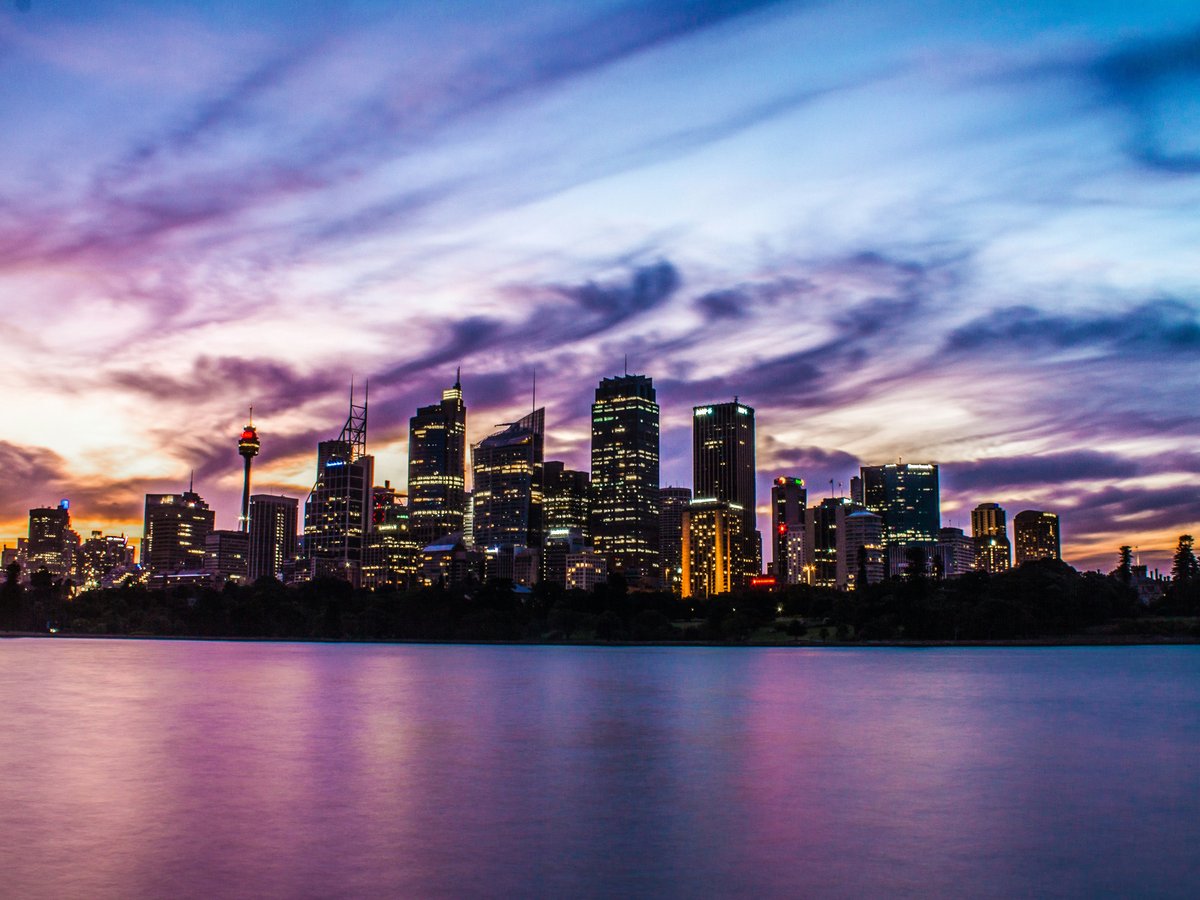
Stay in Sydney in June
87 hotels in the Trip.com pool for Sydney, from US$18 a night.
Opens Trip.com on Fri 4 Jun to Sun 6 Jun 2027; change the dates there.
June in Sydney is defined by one thing above all else: Vivid Sydney, the city's colossal light and music festival that typically wraps up in the second or third week of the month. If you time your visit right, you'll catch the Opera House wrapped in projected art, entire neighborhoods turned into light installations, and a general buzz that makes you forget it's winter. Because yes: it is winter. Expect daytime highs around 16.6°C (62°F) dropping to 7.9°C (46°F) at night, with the kind of crisp mornings that make you reconsider that second coffee stop purely for the hand warmth. The sun sets before 5pm, which feels abrupt if you're used to Sydney's summer reputation.
That said, June has a quiet charm once Vivid packs up. The crowds thin out considerably, hotel rates come down from the summer madness, and the harbour takes on this steely grey quality in the early mornings that photographs tend to love more than your average tourist does. The rainfall is quite low (around 53mm across maybe 7 days) making it one of the drier months, which catches people off guard. You might get a stretch of five sunny days in a row, just cool ones.
The honest version: if you need beach weather and long golden evenings, June is not your month. If you're drawn to festivals, whale watching off the headlands, hearty food, and a Sydney that feels like it belongs to the people who live here rather than the tourist brochures: it's a genuinely rewarding time to visit.
Why visit in June
- Vivid Sydney transforms the harbour foreshore and surrounding precincts into a walkable open-air gallery of light installations: free to attend, running into early-to-mid June
- Whale migration season begins in late May, with humpbacks visible from coastal headlands and dedicated boat tours departing from Circular Quay and Manly
- Hotel rates sit 25-35% below the December-January peak, and you can often walk into restaurants that need a two-week booking in summer
- The driest stretch of the year: 53mm total rainfall across the month means fewer washout days than the January wet season
- Smaller crowds at major attractions like the Harbour Bridge climb, Taronga Zoo, and the Blue Mountains: wait times drop noticeably
Worth knowing
- Daylight hours are short (sunrise after 7am, sunset before 5pm) which limits outdoor sightseeing time and makes late afternoon feel like evening
- Morning temperatures around 8°C (46°F) can feel raw, particularly near the water where wind chill bites along the harbour foreshore
- Ocean water temperature drops to about 17-18°C (63-64°F), which rules out casual beach swimming for most visitors
- Some outdoor dining spots scale back their terrace service or close seasonal pop-ups entirely
Best for
Think twice if
Sydney's June is the first full month of winter, but it's a mild winter by global standards. Days tend to be crisp and clear more often than grey, though when a cold front sweeps through from the south you'll feel it in your bones near the harbour. Mornings carry a chill that lingers until mid-morning, and you'll notice locals pulling on puffer jackets the moment the sun dips. Humidity sits around 74%, which you feel less as sticky and more as that damp cold that seeps through thin layers. Rain, when it comes, tends to arrive as short frontal systems rather than all-day drizzle: a few hours of steady rain and then clear skies again.
Year-round climate
Averages from the last 5 years.
| Month | Avg high (°C) | Avg low (°C) | Rainfall (mm) |
|---|---|---|---|
| Jan | 26 | 19 | 132 |
| Feb | 26 | 19 | 108 |
| Mar | 25 | 18 | 182 |
| Apr | 22 | 14 | 106 |
| May | 19 | 11 | 118 |
| Jun | 17 | 8 | 53 |
| Jul | 17 | 8 | 97 |
| Aug | 19 | 9 | 91 |
| Sep | 21 | 11 | 57 |
| Oct | 23 | 13 | 74 |
| Nov | 24 | 15 | 95 |
| Dec | 25 | 17 | 72 |
Holidays and festivals in June
Public holidays
- Western Australia Day(Western Australia Day)7 June 2027
Headline events
Vivid Sydney
Late May through mid-June (usually wraps around June 15-17)
The Southern Hemisphere's largest festival of light, music, and ideas. The Opera House sails become a projection canvas, the Rocks and Barangaroo transform into illuminated walkways, and Circular Quay pulses with colour from dusk until late. Over 3 million people attend across the festival's run. The light walk is free; ticketed music and talks events fill venues across the city.
Best things to do in June
Vivid Sydney light walk along the harbour
festivalA free, self-guided walk from the Opera House through the Rocks to Barangaroo and sometimes extending to Darling Harbour. Installations change each year: expect interactive projections, giant illuminated sculptures on the water, and building-scale animations that genuinely stop you mid-stride.
The festival only runs from late May to mid-June. Miss June and you miss it entirely until next year.Booking tipGo on a weeknight if possible. Friday and Saturday nights draw crushing crowds along the Circular Quay stretch: Tuesday or Wednesday gives you breathing room and better photo angles.
Whale watching from South Head or North Head
natureHumpback whales begin their northern migration along the Sydney coastline in late May, with sightings becoming reliable through June. You can spot them from the headlands for free (binoculars help) or take a dedicated boat tour out of Circular Quay or Manly Wharf.
June is the opening weeks of the northward migration. Whales pass close to shore and are still in exploratory mode: breaching and surface activity tends to be higher early in the season.Booking tipBoat tours fill on weekends. Book midweek for smaller group sizes and better rail positions.
Winter swimming at Bronte or Icebergs
outdoorThe Bondi Icebergs pool stays open year-round, and the ocean pool at Bronte is free. Winter swimming might sound mad, but there's a local community that embraces it: the cold shock followed by a hot coffee from the Bronte kiosk is a ritual.
The pools are virtually empty compared to summer, the winter ocean has a clarity you don't get in warmer months, and the post-swim warmth from a flat white at the Icebergs dining room hits differently when you're properly cold.Fireplace pub crawl through the Inner West
food and drinkSeveral pubs across Balmain, Newtown, and Enmore maintain real fireplaces that only get lit in winter. The Courthouse Hotel in Newtown, the London Hotel in Balmain: ducking into a warm pub after walking through cold streets is a different experience to summer beer gardens.
Fireplaces only operate from roughly May through August. In summer these are just normal pubs. In winter they become gathering points with a specific atmosphere: the smell of woodsmoke, condensation on windows, locals nursing dark stouts.Blue Mountains winter hiking
outdoorThe trails around Wentworth Falls, Leura, and the Grand Canyon track are at their most comfortable for sustained hiking in winter. No summer heat exhaustion, fewer crowds on the tracks, and the eucalyptus mist sits in the valleys in a way that gives you those layered blue-grey views the mountains are named for.
Cool temperatures (8-14°C in the mountains) make the strenuous valley descents and climbs manageable without overheating. The low sun angle also creates dramatic light in the valleys that peaks around the winter solstice.Booking tipThe train from Central to Katoomba runs hourly and takes about 2 hours. No booking needed, but leave early: the 7:30am service gets you to the trailhead before 10am when day-trippers arrive.
Winter markets at Carriageworks
food and drinkThe Carriageworks Farmers Market in Eveleigh continues through winter with a seasonal shift toward root vegetables, mushrooms, preserves, and hot food stalls. The industrial heritage building keeps the wind off and the atmosphere cosy.
The winter produce rotation brings items you won't see in summer: truffles, Jerusalem artichokes, blood oranges, specialty mushrooms from the Southern Highlands. Plus hot cider stalls that don't exist in warm months.Australian Museum and Powerhouse Museum winter exhibitions
cultureMajor institutions tend to open their blockbuster winter exhibitions in late May or June, timed to school holidays later in the month. The Australian Museum in Darlinghurst and the Powerhouse in Ultimo both programme significant shows for this window.
June school holidays (last two weeks) drive exhibition programming. New shows launch, and indoor cultural activities become the obvious choice on cold or wet days.What to eat in June
In season: fruit
Blood oranges
June marks the start of the Australian blood orange season. You'll find them at weekend farmers markets (Carriageworks and Orange Grove) with that distinctive ruby flesh and tart-sweet juice that makes a winter Negroni worth ordering.
On menus now
Slow-braised lamb shanks
Pubs and bistros across the Inner West and Surry Hills lean heavily into hearty braises once winter arrives. Lamb shanks with root vegetables become a staple at neighbourhood locals: the kind of dish that pairs with a dark ale and a fireplace.
Bone broth and ramen
The cold drives people toward hot bowls. The concentration of quality ramen shops along the CBD's Kingsford and Haymarket strips means competition keeps standards high, and winter is when queues form for the thicker, pork-bone-heavy tonkotsu styles.
In markets
Sydney rock oysters
Winter is peak season for Sydney rocks: the cooler water concentrates their briny, mineral flavour. You'll find them at their plumpest and most complex at oyster bars around Circular Quay and in the fish markets at Pyrmont.
Truffle season dishes
Australian black truffles from Manjimup and the Canberra region start appearing on fine dining menus across Surry Hills and the CBD from early June. Restaurants like those along Crown Street run dedicated truffle menus through July.
Regular events in June
Sydney SolsticeFree
A relatively new winter festival timed around the June 21 solstice, featuring late-night openings at galleries, live music in laneways, outdoor fire installations, and extended restaurant hours in the CBD and Rocks precinct.
Around June 21 (winter solstice weekend)Sydney Film Festival
One of Australia's oldest film festivals, screening premieres, documentaries, and international features across venues including the State Theatre on Market Street and Event Cinemas George Street. Runs for about 12 days.
Early to mid-June (usually starts first week)Matariki (Maori New Year) community celebrationsFree
Sydney's significant New Zealand diaspora community marks Matariki with cultural events, kai (food) gatherings, and dawn ceremonies in parks across the western suburbs and occasionally at Barangaroo.
Late June (aligned with the Matariki star cluster rising)NSW school holidays begin
The last two weeks of June typically overlap with NSW public school holidays, which means family-focused programming at museums, zoos, and cultural venues, and slightly busier attractions on weekdays.
Approximately June 20 onward through early JulyBest places this June
The Rocks
neighborhoodThe cobblestone precinct comes alive after dark during Vivid, but even in daylight the winter atmosphere suits it: fewer tour groups, the Friday markets less chaotic, and the old sandstone buildings look their best under overcast skies. Ducking into the Glenmore Hotel rooftop for a harbour view with a warm drink is a winter ritual.
The RocksRoyal Botanic Garden
parkMisty winter mornings make the garden feel almost private. The rose beds are dormant but the camellia collection peaks in June: pale pinks and whites against dark green foliage along the paths near Mrs Macquaries Point. Also a reliable free vantage point for Vivid installations across the harbour.
CBDBarangaroo Reserve
parkThe headland park at the northern end of Barangaroo catches morning light beautifully in winter and serves as the western anchor of the Vivid light walk. The sandstone terracing holds heat from the low sun in the afternoon: a decent spot to sit with a takeaway coffee.
BarangarooNewtown and Enmore Road
neighborhoodThe strip along King Street and into Enmore Road is arguably better in winter than summer: the vintage shops, bookstores, and Thai restaurants don't depend on weather, and the pubs with fireplaces become genuinely inviting rather than just another option.
Inner WestWatsons Bay and South Head
natureThe coastal walk to South Head lighthouse is one of the better whale-spotting vantage points in Sydney. June mornings here are often clear with a brisk southerly wind: bring binoculars, a thermos, and patience. The Watsons Bay Hotel does a solid fish and chips for afterward.
Watsons BayDarlinghurst and Crown Street
neighborhoodThe restaurant strip along Crown Street between Oxford Street and Cleveland Street runs truffle menus and winter degustation specials through June. It's a good neighbourhood for an evening walk between dinner spots, wine bars, and the odd gallery opening.
DarlinghurstTaronga Zoo
attractionFewer crowds in winter mean you can watch the animal encounters without jostling for position. The ferry ride from Circular Quay to Taronga Wharf on a clear winter day (cold air, flat harbour water, the city skyline behind you) is worth the trip on its own.
Mosman
Your packing checklist
Tick items off as you pack. Your progress saves in this browser.
All packed — have a great trip.
Insider tips
The Vivid light walk crowd bottleneck is always between the Opera House and Museum of Contemporary Art. If you start your walk from Barangaroo heading east instead of from Circular Quay heading west, you hit the densest installations with the crowd flowing away from you rather than into you.
For whale watching without paying for a boat tour, the cliff path between Bondi and Coogee (particularly the section near Mackenzies Point) offers surprisingly reliable sighting opportunities in June. Locals bring thermos flasks and camp on the benches around 7-8am when activity peaks.
The winter Carriageworks market on Saturday mornings is where Sydney's restaurant chefs shop. Arrive before 9am and you'll see familiar faces from Surry Hills kitchens filling crates with specialty produce that never makes it to Woolworths.
Sydney's best ramen queues are shorter on cold weekday lunches than on weekends: counterintuitively, winter weeknight dinner service is when everyone thinks to go. Hit Haymarket ramen spots at noon on a Tuesday.
The Art Gallery of NSW in the Domain runs free guided tours daily and the new Sydney Modern extension is worth a full afternoon. In winter, the natural light through the underground galleries shifts quality throughout the day: afternoon is best for the lower level.
Avoid these mistakes
- Packing for Australian summer regardless of the month: June visitors from the Northern Hemisphere often underestimate Sydney winter because they associate Australia with heat. Eight degrees at 7am near the water is properly cold, and you'll be miserable in a t-shirt.
- Planning a full beach day at Bondi: the water is around 17°C, the sand is cold, and the wind comes straight off the Tasman Sea. You can walk the Bondi to Bronte coastal path comfortably, but lying on the beach for hours is a summer activity.
- Missing Vivid because you assumed it runs all month: the festival typically ends by mid-June. If you arrive in the third or fourth week expecting light installations, you'll find a normal dark harbour. Check dates before booking.
- Underestimating sunset timing for outdoor plans: the sun sets before 5pm in June. If you're planning a coastal walk, a harbour ferry ride for the views, or any outdoor photography, you need to start earlier than your instincts suggest.
Practical tips for June
Book Vivid-adjacent accommodation (CBD, The Rocks, Darling Harbour, Milsons Point) well before arrival if visiting the first two weeks: rates stay below summer levels but availability tightens. The Opal card (contactless transport card) works on ferries, trains, and buses with a daily cap around AUD 16.80: tap on with any Visa/Mastercard contactless card for the same pricing. Most major attractions maintain regular hours through June, though some outdoor-focused operations (harbour kayaking, sailing schools) reduce schedules or require minimum group sizes. Restaurant reservations are easier to secure than summer across the board: same-day bookings work for all but the most sought-after fine dining spots. The two weeks of school holidays starting around June 20 make museums and the zoo noticeably busier on weekdays; plan indoor cultural visits for the first half of June if you prefer quiet galleries. Dress in layers you can adjust throughout the day: mornings are cold enough for a proper jacket, afternoons can feel mild enough for shirtsleeves in direct sun, and evenings drop quickly once the sun goes.
FAQ
Is June a good time to visit Sydney?
June is a solid time to visit if you're not chasing beach weather. Vivid Sydney in the first half of the month is genuinely world-class and gives the city an energy that rivals summer. Prices are lower, crowds thinner, and the weather (while cool) is mostly dry and clear. It ranks around 6th out of 12 months overall, held back mainly by short days and cold mornings rather than anything actively unpleasant.
What is the weather like in Sydney in June?
Cool and mostly dry. Average highs sit around 16.6°C (62°F) with lows near 7.9°C (46°F). Rainfall is just 53mm across about 7 days: making it one of the driest months. Humidity hovers around 74% but doesn't feel oppressive at these temperatures. You'll get strings of clear, sunny days punctuated by the occasional cold front that brings a day or two of rain before clearing. Frost is rare in the city itself but possible in western suburbs.
Is Sydney crowded in June?
Significantly less crowded than summer (December-February). The first two weeks draw Vivid visitors to the harbour foreshore in the evenings, which creates concentrated crowd pockets along the light walk, but daytime attractions run well below capacity. After Vivid wraps up mid-month, the city settles into genuine low season. Major attractions, restaurants, and public transport all feel noticeably more relaxed than peak periods.
Can you swim at Sydney beaches in June?
Technically yes, but it's cold. Ocean temperatures drop to around 17-18°C (63-64°F), which is bracing to say the least. The ocean pools at Bronte and Bondi Icebergs stay open and attract dedicated winter swimmers: locals in the Icebergs winter swimming club treat it as a point of pride. Casual tourists typically find a coastal walk more enjoyable than getting in the water.
What should I wear in Sydney in June?
Layers, layers, layers. Mornings demand a proper jacket (fleece or light down) with a wind-resistant outer layer for harbour areas. By midday on a clear day you might strip down to a long-sleeve shirt in direct sun. Evenings get cold quickly after sunset at 4:55pm, so carry your warm layers even if midday felt mild. Closed-toe shoes, a scarf, and a compact umbrella cover the remaining contingencies. You won't need heavy winter boots or thermal everything: it's cold, not freezing.
Things to Do in Sydney in June
 Free cancellation
 Blue Mountain Small Group Tour All Inclusive
Day trip: 10 hours, free cancellation.
via Viator Free cancellation
 Blue Mountains Day Trip from Sydney Including Scenic World
Day trip: 10 hours, free cancellation.
via Viator Free cancellation
 Blue Mountains Day Tour Including Parramatta River Cruise
Day trip: 10 hours, free cancellation.
via Viator Free cancellation
 Blue Mountains authentic tour Scenic World waterfalls lookouts
Day trip: 9.5 hours, free cancellation.
via Viator Free cancellation
 Sydney Whale-Watching Cruise Including Lunch or Breakfast
Cruise: 4 hours, free cancellation.
via Viator Free cancellation
 Sydney Harbour Sightseeing Cruise Morning or Afternoon Departure
Cruise: 1.5 hours, free cancellation.
via ViatorFind a flight to Sydney
Live fares to Sydney appear here once cookies are accepted.
Last verified by automated review (v1.7.2) on . What is automated review?