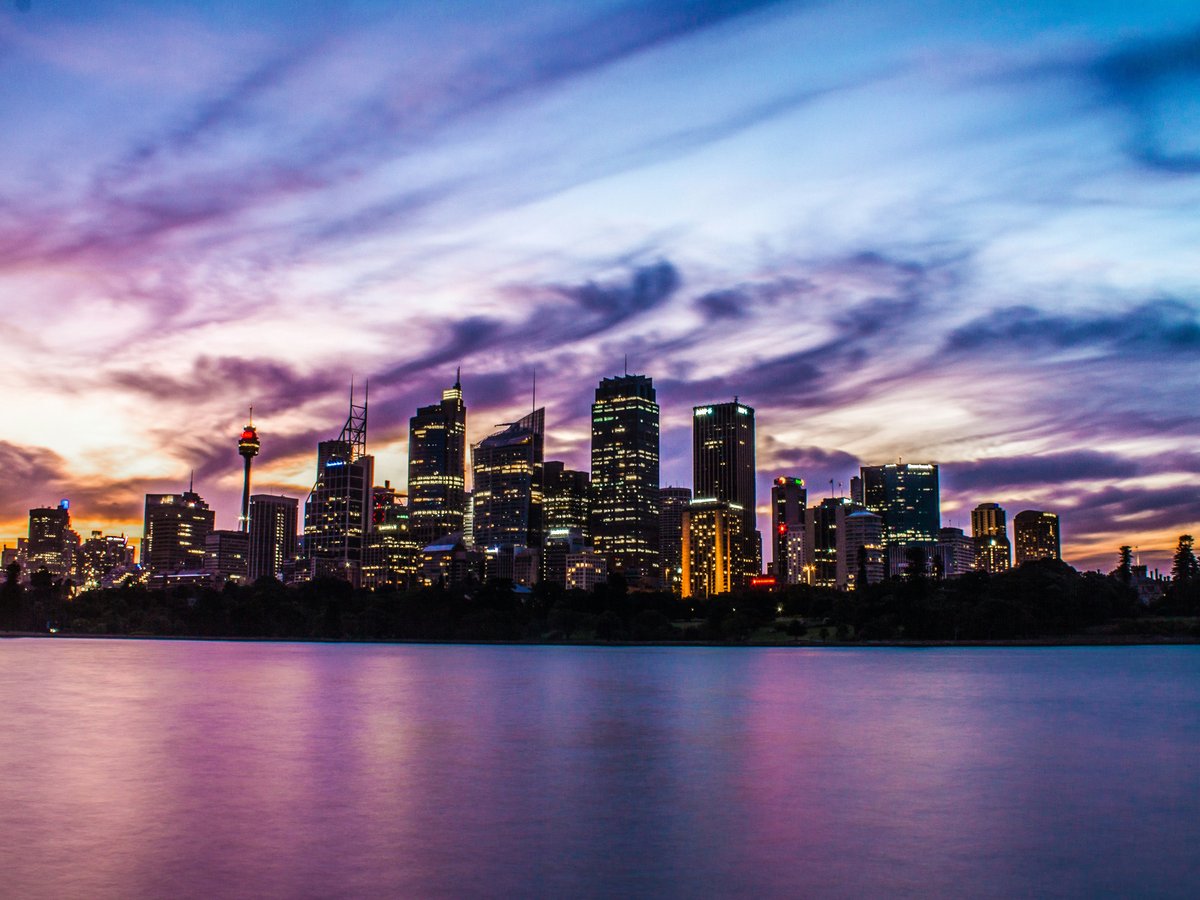
Sydney is a harbour city that sprawls, and understanding it means understanding the water. The harbour splits the city into north and south, with the bridge and ferries connecting the two halves. South of the harbour, the CBD sits on a narrow peninsula between Darling Harbour to the west and the Botanic Gardens to the east. From there, neighborhoods fan out: south toward the airport through older inner-city suburbs, east toward the beaches, west toward the university belt. The eastern suburbs tend toward money and ocean views; the inner west leans younger, scruffier, more interesting for food. North of the bridge is its own world entirely: leafier, quieter, with Manly at the tip feeling almost like a separate town. Most visitors stay south of the harbour, and honestly that makes sense. The train network is decent for a city this size, but ferries are the secret: they connect dots that roads make complicated, and they're genuinely one of the best public transport experiences anywhere.
Neighborhoods
-
The Rocks
Sandstone warehouses and narrow laneways squeezed between the harbour bridge pylons and Circular Quay. It feels older than the rest of Sydney because it is: convict-era buildings still stand here, though most now house pubs and galleries rather than anything utilitarian. Weekends bring market stalls along George Street North. The pace is slow for a spot this central, partly because locals tend to avoid it and partly because the streets themselves resist rushing: uneven cobblestones, tight corners, stairs cut into rock.
- Best for
- First-time visitors who want to walk to the Opera House and bridge, history buffs, anyone who likes a pub with low ceilings and 200 years of stories in the walls
- Key streets
- George Street North for the weekend markets, Argyle Street through the sandstone cut, Nurses Walk for the quiet laneway feel, Hickson Road along the working wharves
-
Surry Hills
Dense, walkable, and still holding onto its slightly gritty reputation even as property prices have pushed well past reasonable. The architecture is Victorian terraces: iron lacework balconies, narrow frontages, tiny courtyards out back. Crown Street is the spine, running from Oxford Street down to Cleveland. The food scene here is arguably Sydney's best concentration per square meter: Thai, Lebanese, Italian, Japanese, modern Australian, all within a few blocks of each other. Mornings smell like roasting coffee beans. There's construction noise most weekdays: the area hasn't stopped being developed for a decade.
- Best for
- Food-obsessed travelers, couples wanting walkable restaurants and bars without the tourist density, anyone comfortable with inner-city noise and pace
- Key streets
- Crown Street end to end, Bourke Street between Campbell and Devonshire for cafes, the short stretch of Reservoir Street around the park
-
Newtown
Sydney's self-consciously alternative suburb, anchored by King Street: a long commercial strip of Thai restaurants, vintage shops, tattoo parlours, bookshops, and pubs that book live music most nights. The buildings are mostly two-storey shopfronts with residential above, painted in murals and wheat-paste art that changes monthly. It's loud. Buses rattle down King Street constantly. The footpaths are cracked and narrow. Students from Sydney Uni spill in from the north end; families have crept in from the south near St Peters. There's a persistent smell of pad thai and incense that hangs around the Enmore Road intersection.
- Best for
- Budget travelers, music lovers, anyone under 35 who wants to eat well for under $20, people who genuinely don't care about harbour views
- Key streets
- King Street from the station south to the Enmore Theatre, Enmore Road branching west, Australia Street for the quieter residential feel with good murals
-
Potts Point
Art deco apartment blocks, Norfolk pines, and a density that feels more Melbourne or even European than typical Sydney. This was the bohemian quarter in the 1960s (writers, artists, sex workers, sailors on shore leave) and some of that texture persists in the architecture even if the demographics have shifted firmly upmarket. Macleay Street is lined with cafes where people sit with newspapers for an unreasonable amount of time. The streets running off it toward the harbour drop steeply and offer glimpses of water between buildings. It still feels slightly louche in a way that neighbouring Elizabeth Bay has polished away entirely.
- Best for
- Couples and solo travelers wanting walkable dining and a residential feel without suburban quiet, anyone who appreciates architecture and doesn't need a beach
- Key streets
- Macleay Street for dining and people-watching, Victoria Street for the terrace houses and protest history, Challis Avenue running down toward the Finger Wharf
-
Paddington
Narrow terraces with iron lacework climbing up and down hills, big Moreton Bay figs shading the streets, galleries occupying former corner shops. Oxford Street runs through the middle: it was Sydney's gay strip in the 80s and 90s, and while that identity has dispersed somewhat, the rainbow crossings remain and the pubs still host drag shows. Saturday mornings belong to Paddington Markets in the old church grounds. The side streets are residential and quiet enough to hear lorikeets fighting in the trees. It feels established, slightly conservative below the Oxford Street layer: old money in sandstock brick.
- Best for
- Art and gallery hoppers, Saturday market browsers, anyone wanting inner-city quiet on a tree-lined street with easy bus access to the CBD or Bondi
- Key streets
- Oxford Street between Taylor Square and the Paddington Town Hall, William Street for galleries, Glenmore Road running south toward Five Ways
-
Bondi
The beach dominates everything. The crescent of sand, the concrete promenade, the Norfolk pines along Campbell Parade: it all tilts toward the water. Behind the beachfront strip, the suburb climbs steep streets lined with 1930s apartment blocks and newer developments fighting for ocean glimpses. Hall Street, one block back from Campbell Parade, has become the eating street: better food, lower prices, less wind. The morning crowd is runners and swimmers; by midday it's tourists and families; by evening the bars fill with locals who've been in the water all day. It smells like salt and sunscreen. The southerly wind picks up most afternoons and drives sand across the promenade hard enough to sting.
- Best for
- Beach people, fitness-oriented travelers, anyone who wants the iconic Sydney postcard experience and is willing to pay the premium for proximity to sand
- Key streets
- Campbell Parade along the beachfront, Hall Street one block back for restaurants, Curlewis Street climbing east toward the coastal walk starting point
-
Manly
Feels like a beach town that happens to be attached to a major city by a 20-minute ferry ride. The Corso (a pedestrian strip connecting the harbour side to the ocean beach) is lined with surf shops, fish and chip joints, and gelato places that have been there forever. The ocean beach is big and exposed, good for surfing; the harbour side at Shelly Beach is calm and clear, better for snorkeling. The residential streets behind are quiet, hilly, and full of fibro cottages slowly being replaced by modern boxes. There's a small-town energy here: people know each other, nod on the street, stop to chat outside the IGA.
- Best for
- Families with kids who want beach and calm water options, surfers, anyone who'd rather be in a beach town than a city and commute in for the sights
- Key streets
- The Corso from wharf to beach, North Steyne along the ocean front, Addison Road climbing up to the headland, Bower Lane to Shelly Beach
-
Glebe
A university-adjacent suburb that still feels slightly countercultural despite the gentrification. Glebe Point Road runs from Broadway down to the water at Blackwattle Bay, getting quieter and more residential as it goes. The top end near Broadway is busy: bookshops (including one of Sydney's last proper secondhand bookshops), Thai restaurants, yoga studios. The architecture is a mix of grand Victorian mansions (some now university housing) and smaller workers' cottages. Saturday markets at the school grounds are smaller and less polished than Paddington's: more crystals, more vintage denim, more home-baked banana bread.
- Best for
- Budget-conscious travelers, book lovers, anyone wanting a quieter alternative to Newtown with similar politics but less noise, people who like waterfront walks that aren't beaches
- Key streets
- Glebe Point Road from Broadway to the water, Bridge Road for the Federation houses, the foreshore walk along Blackwattle Bay toward the fish markets
-
Chippendale
A pocket suburb (maybe fifteen blocks total) that went from industrial wasteland to gallery district in about five years. The Central Park development on Broadway anchors the west side with its vertical garden facade (you've probably seen photos: entire apartment tower covered in trailing plants). Behind it, Kensington Street has been converted from warehouse to laneway dining. The streets are quiet for something this central: you're ten minutes' walk from Central Station. Remnant terrace rows sit next to converted warehouses, and White Rabbit Gallery occupies a former Rolls-Royce showroom with one of the world's significant contemporary Chinese art collections. It still feels transitional: unfinished, becoming something.
- Best for
- Art and design people, anyone wanting Central Station proximity without staying in the CBD itself, travelers who like neighborhoods that feel slightly unfinished and changing
- Key streets
- Kensington Street for the food laneway, Abercrombie Street past White Rabbit Gallery, Balfour Street for the quieter residential section
-
Darlinghurst
Sandwiched between Surry Hills, Potts Point, and Paddington, Darlinghurst has its own mood: slightly grittier, more nocturnal. Victoria Street at the north end is tree-lined and residential; Oxford Street at the south end is bars, clubs, and late-night kebab shops. In between, the backstreets hold some of Sydney's most interesting small restaurants: the kind with twelve tables and no signage. The architecture is terraces again, but tighter and steeper than Paddington's. The neighbourhood is walkable to the CBD in fifteen minutes, and this proximity means it never fully quiets down. You'll hear sirens and taxi doors at 2am. The daytime is different: locals walking dogs, people queuing for brunch at places that don't take bookings.
- Best for
- Nightlife seekers, LGBTQ+ travelers (historically and still the centre of Sydney's queer community), anyone who wants a late-night neighbourhood that's still residential enough to sleep in
- Key streets
- Victoria Street for the leafy residential stretch, Oxford Street between Taylor Square and Crown Street, Liverpool Street for the quiet restaurant discoveries
FAQ
Where should I stay in Sydney if I only have three days?
Surry Hills or Potts Point give you the best ratio of walkability to interest. Both are ten to fifteen minutes on foot from Circular Quay (Opera House, ferries, The Rocks), both have excellent food within stumbling distance of wherever you're sleeping, and both connect easily to trains for day trips. Surry Hills skews slightly younger and busier; Potts Point is quieter after dark. Bondi is tempting but you'll spend a surprising amount of time on buses getting to and from the harbour sights.
Is it worth staying on the North Shore or in Manly?
Manly is genuinely worth it if beach time is your priority and you're comfortable with a 20-minute ferry commute for city sights. The ferry ride itself is a highlight: you pass the Opera House and bridge every trip. The North Shore suburbs like Neutral Bay or Cremorne are pleasant but residential in a way that might feel isolated without a car. You'd be relying on buses to get anywhere interesting after dark, and Sydney buses after 10pm are infrequent at best.
Which Sydney neighborhood has the best food scene?
Surry Hills has the highest density of quality restaurants in the smallest walkable area: Thai on Crown Street, modern Australian on Bourke Street, Japanese on Commonwealth Street, all within ten minutes of each other. Newtown is better for cheap eats and late-night options. Potts Point and Chippendale's Kensington Street are strong for dinner specifically. For seafood, the fish markets near Glebe remain hard to beat on value, though the setting is utilitarian rather than atmospheric.
How does public transport work between Sydney neighborhoods?
The train network connects the CBD to Newtown, Redfern, and Bondi Junction (then bus to Bondi Beach). For harbour crossings, ferries run from Circular Quay to Manly, Taronga Zoo, Watsons Bay, and Barangaroo. Buses fill the gaps: the 333 and 380 to Bondi, the 389 to Bronte via Paddington. An Opal card (or contactless credit card) works across all modes. The system functions well during the day but thins dramatically after midnight. Taxis and rideshares are the reality for late-night cross-suburb trips.
What are the safest neighborhoods for solo travelers in Sydney?
Sydney is generally safe by global city standards. Surry Hills, Paddington, Potts Point, Glebe, and Manly all feel comfortable walking alone at night. Kings Cross (the stretch immediately south of Potts Point along Darlinghurst Road) still has a slightly unpredictable energy after midnight on weekends, though it's considerably tamer than its reputation suggests. The usual city-sense applies: stick to lit streets, keep your phone in your pocket on quiet train platforms late at night, and don't leave valuables visible in parked cars anywhere in the eastern suburbs.
Where should I stay in Sydney on a budget?
Newtown and Glebe offer the best value: both have hostels and budget accommodation, cheap eating options everywhere, and decent public transport links. Newtown is on the train line (faster to the CBD); Glebe requires a bus but is closer to Darling Harbour on foot. Redfern, one stop from Central on the train, has seen new budget hotels open as the area develops: it's functional rather than pretty but genuinely convenient. Avoid booking budget places in the CBD itself; the rooms tend to be tiny and the neighborhood dies after office hours.
Last verified by automated review (v1.7.2) on . What is automated review?