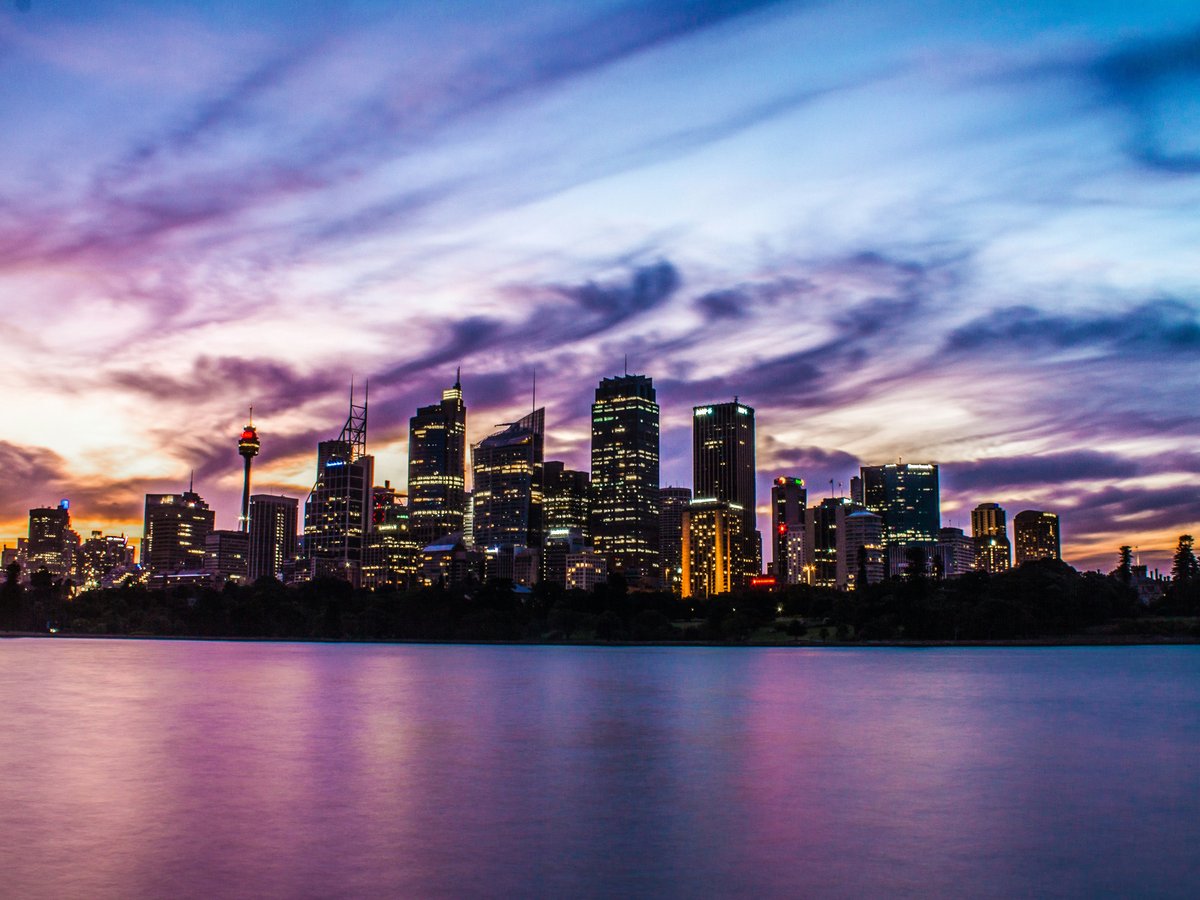
How much does Sydney cost per day in 2026?
A budget day in Sydney runs about AUD 90 (USD 65), covering a hostel dorm in Surry Hills or Glebe, capped Opal transit, and meals split between supermarket runs and Chinatown lunch plates at AUD 12-16. The free tier is strong. The Art Gallery of NSW, Museum of Contemporary Art, and Royal Botanic Gardens charge nothing.
Budget AUD 90 (USD 65), midrange AUD 250 (USD 180), luxury AUD 560+ (USD 400+). Here's where the AUD 90 comes from. A hostel dorm bed in Surry Hills or Glebe runs AUD 35-50 per night, with Wake Up! Sydney on Pitt Street and YHA Sydney Harbour among the better-reviewed options. Food costs AUD 25-35 if you work the system, mostly Chinatown plates and supermarket cold cases. Opal transit has a daily cap that keeps bus, train, and ferry costs predictable. One AUD 15-20 museum entry or harbour ferry round-trip fills out the rest. The midrange AUD 250 assumes a three-star in Darlinghurst or Ultimo, two restaurant meals, and a paid attraction. Luxury means the Park Hyatt in The Rocks or QT Sydney on Market Street, a dinner at Aria, and taxis everywhere.
The cheapest real food in Sydney sits in Haymarket and Chinatown, not Circular Quay. A pho or laksa from the Sussex Street strip costs AUD 15-17. The food courts inside Market City on Hay Street run AUD 12-16 for a full plate of stir-fried noodles or rice. Worth noting, the Woolworths and Coles on George Street sell pre-made sushi rolls for AUD 5-8, and those cold cases save a backpacker AUD 15 a day versus eating out for every meal. Skip the fish and chips at Darling Harbour unless you want to pay AUD 22 for something that costs AUD 14 in Marrickville. The smell of charred garlic from the wok stations near Paddy's Markets on Thomas Street lingers in the air even if lunch there runs AUD 13. Newtown along King Street has Thai and Vietnamese spots where AUD 15 buys a generous serve with portions bigger than CBD equivalents.
Sydney's Opal card has quirks that save money if you pay attention. The weekday daily cap sits at AUD 8.05 and the weekly cap at AUD 50. But Sunday is the hack. Every Sunday, the cap drops to AUD 2.50 for the entire day, unlimited rides. A return ferry to Manly, normally AUD 7.71 each way, costs AUD 2.50 total on a Sunday. Plan your Taronga Zoo visit (founded 1916, entry AUD 49 for adults) or Watson's Bay trip for a Sunday and the transport is nearly free. The airport train is the one Opal ride that hurts. An AUD 15.84 station access fee lands on top of the normal fare, so the trip from the international terminal to Central Station runs about AUD 18 total. The 400 bus from Mascot reaches Bondi Junction at standard Opal fare with no access fee. It takes 40 minutes longer. That saves about AUD 15.
For a city this expensive, Sydney gives away a lot for free. The Art Gallery of New South Wales (founded 1880) charges nothing for its permanent collection, and the Sydney Modern building opened in 2022 with free general admission. The Museum of Contemporary Art at Circular Quay costs nothing either. The Royal Botanic Gardens have been open since 1816, and they're one of the better spots to sit on warm grass with an AUD 5 supermarket sandwich while kookaburras laugh from the Moreton Bay figs overhead. Walking across the Harbour Bridge is free, and the view from the eastern footpath at sunset, the Opera House (opened 1973) turning pink against a cooling westerly, beats any paid observation deck. Sydney Tower (opened 1981) charges AUD 30-35 for its observation deck. The bridge climb marketed at every hotel lobby costs AUD 174-403 depending on the session. The Pylon Lookout runs about AUD 19 for a similar harbour view. Bondi to Coogee is a 6-kilometre coastal walk with no ticket.
Card surcharges catch visitors off guard in Sydney. Most cafes and restaurants add 1-2% for credit and debit payments, sometimes 3% for Amex, printed in small text at the register rather than on the listed price. Weekend and public holiday surcharges at restaurants can add 10-15% to the bill, legal and standard across New South Wales. Mind you, tipping is not expected in Australia, so ignore the suggested tip prompts on EFTPOS terminals. A flat white at any Sydney cafe runs AUD 5-6, and three a day adds AUD 15-18 to your daily spend. If you're staying more than a few days, a bag of Campos beans from Harris Farm Markets costs about AUD 12, and most hostels have a machine. Tap water is clean and free across Sydney. Order it at restaurants and skip the AUD 8-12 sparkling.
Daily budget breakdown
Hostels, street food, and public transit. Local currency: AUD.
Comfortable hotels, sit-down meals, occasional taxis.
Upscale lodging, multi-course dinners, private transport.
Hidden costs to budget for
- Airport train station access fee of AUD 15.84 on top of normal Opal fare to Central
- Credit and debit card surcharges of 1-3% at most cafes and retailers
- Weekend and public holiday menu surcharges of 10-15% at restaurants
- Daily coffee habit at AUD 5-6 per flat white, three a day adds AUD 15-18
- Sparkling water at restaurants AUD 8-12 when tap water is safe and free
- Bridge Climb tickets AUD 174-403 when the free harbour footpath has the same view
- Some hostel booking platforms add AUD 3-5 in undisclosed service fees
- Opal card minimum top-up AUD 10 with sub-AUD-5 balances non-refundable
Last verified by automated review (v1.7.2) on . What is automated review?