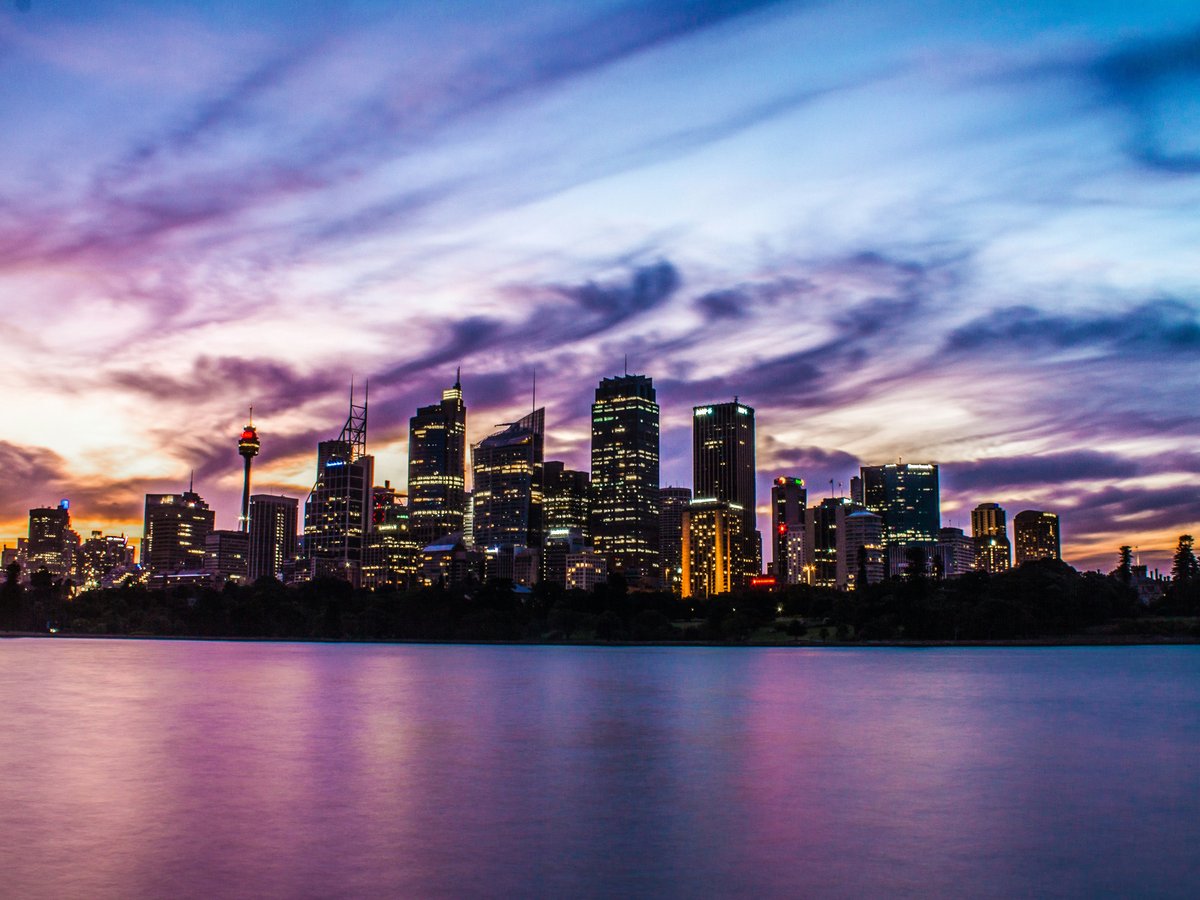
Sydney's museums argue for the city rather than merely display it. The collections here range from the deep-time natural history of a continent to the convict ledgers that opened the colonial chapter, from a working harbour's maritime spine to art galleries that treat contemporary practice as a civic obligation. Several of the buildings are themselves the exhibit: a Georgian barracks on Macquarie Street, a Colonial Regency house above Elizabeth Bay, a mint that predates the federation. Others are purpose-built civic institutions, publicly funded and free to enter on their standing collections. Together they map the city's arguments with itself, about First Peoples and settlement, about science and applied craft, about war and remembrance, about what a harbour town owes its own past. The 12 that follow are grouped for a visitor with a week: two natural-history and science anchors, the harbour trio at Pyrmont, Circular Quay and Millers Point, the sandstone quartet on Macquarie Street, and the domestic and memorial rooms that fill the gaps. Skip the packaged bus tours; a museum day here is a walking day, and the walks between them are half the point.
-
1 Australian Museum
1 William Street Sydney NSW 2010The continent's deep-time natural history under one roof, at the top of William Street
At 1 William Street in the 2010 postcode, the Australian Museum sits where the CBD gives way to Darlinghurst, a Sydney institution rather than a visitor attraction bolted on for tourists. Skip the harbourfront queues on your first morning and start here instead; the collections read the continent from the inside out, and the building rewards a slow walk rather than a checklist. Its coordinates land it at -33.8743, 151.2130, a short stroll from Hyde Park's eastern edge, which makes it easy to pair with the barracks and the Anzac Memorial in a single museum-heavy loop. The Wikidata record, Q769416, anchors the identity for anyone tracing provenance; the website at australianmuseum.net.au carries the current exhibition calendar. Go early, stay through lunch, and let the rest of the day settle around it.
Dates from 1845 · Heritage Act - s.170 NSW State agency heritage register
Hours: PH,Mo-Su 10:00-17:00
-
2 Hyde Park Barracks
Queens Square/10 Macquarie St, Sydney NSWConvict Sydney read straight from the room that held them
The sandstone walls at 10 Macquarie Street hold the plainest and most honest account of convict Sydney the city has, and Hyde Park Barracks does not soften it. Don't bother with the packaged colonial-history bus loops; the barracks itself is the primary document, and an hour inside teaches more than a morning of narrated windscreen. The site sits at -33.8696, 151.2128, on the Queens Square corner where Macquarie Street meets Hyde Park, and it pairs naturally on foot with the Mint next door and the State Library across the road. The Wikidata identifier is Q1577600; current interpretation and ticketing sit under Sydney Living Museums at sydneylivingmuseums.com.au/hyde-park-barracks-museum. Give it a full morning. The upstairs sleeping quarters, with the hammocks slung back where they hung, are the room the whole colony hinges on.
Part of a UNESCO World Heritage Site
Hours: Mo-Su 10:00-18:00
-
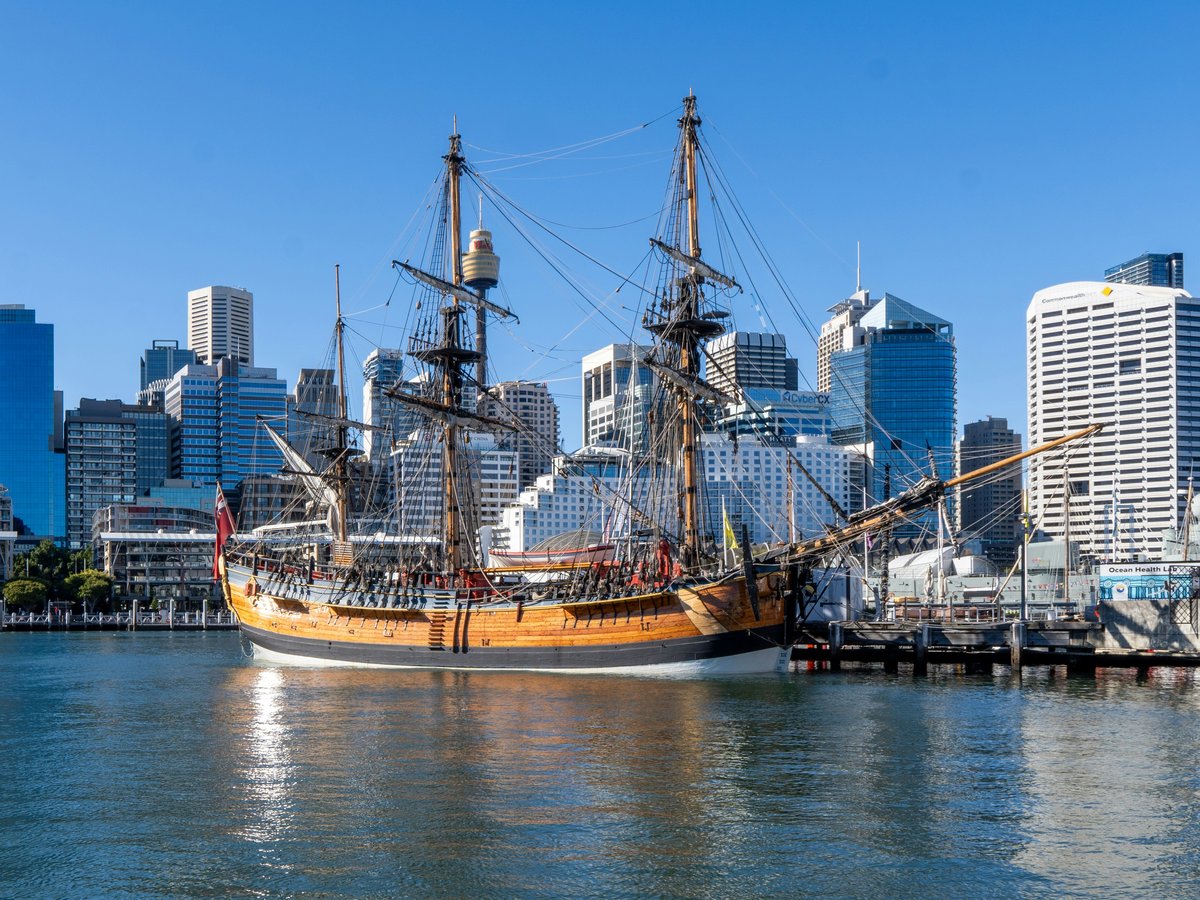
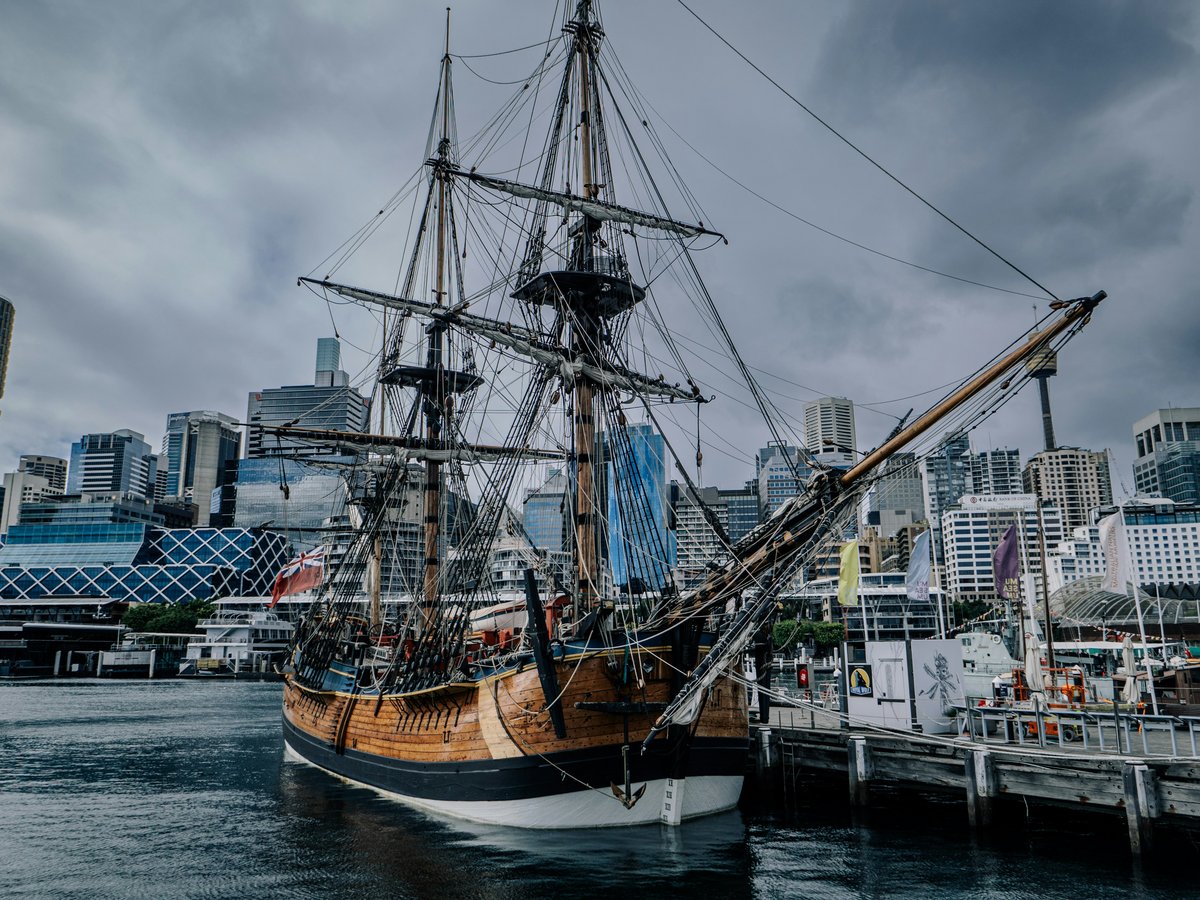
3 Australian National Maritime Museum
58 Pirrama Road, Pyrmont, NSW 2009A working harbour spine, with vessels moored alongside the galleries
Out at 58 Pirrama Road in the 2009 postcode, the Australian National Maritime Museum treats the harbour as its permanent collection. The vessels moored alongside are half the point; the indoor galleries carry the rest. The locals head here on a clear afternoon rather than the CBD galleries, because Pyrmont catches the light off the water and a maritime museum in a working port reads very differently to one inland. Coordinates plant it at -33.8692, 151.1990, a short walk across Pyrmont Bridge from Darling Harbour and the city. The Wikidata entity is Q844329, and the current fleet and exhibition schedule sit on the museum's own site at anmm.gov.au. Give it half a day and go on foot; the walk in from the CBD, past the water and the residential streets of Pyrmont, is part of the visit.
Hours: Mo-Su 10:00-16:00
-
4 Museum of Applied Arts and Science
500 Harris St, Ultimo NSWSydney's applied-science and industrial-craft collection, across four sites
500 Harris Street in Ultimo is the visitor's front door to what is, in fact, a group of four science museums under one institution, and the Powerhouse address is what most people mean when they say they are going to MAAS. Skip the argument about which branch is the real one; the Ultimo shed is the one you can walk to from Central, and it is the one built around the machinery. Coordinates put the door at -33.8786, 151.1994, on the Ultimo side of the rail lines, an easy walk from Chinatown and Darling Harbour. The Wikidata identifier is Q2107035, and current programming, closures and ticketed exhibitions sit on maas.museum. Check the site before you go: the institution is in a long redevelopment cycle and the mix of open galleries shifts.
Dates from 1879
-
5 Elizabeth Bay House
7 Onslow Avenue, Elizabeth Bay, NSW 2011A Colonial Regency house preserved as a room-by-room domestic argument
7 Onslow Avenue in the 2011 postcode is a Colonial Regency house, now a museum and grotto, that punches well above its size. Elizabeth Bay House is what remains when nineteenth-century colonial ambition ran out of money mid-build, and the compromise is more interesting than a completed mansion would have been. The locals prefer it to the packaged harbour cruises for a quiet Sunday, because the drawing rooms open onto a view the harbour developers spent the next century trying to buy back. Its coordinates are -33.8701, 151.2260, off the eastern-suburbs bus lines, close enough to the ferry at Elizabeth Bay to make an afternoon of it. The Wikidata entity is Q656521; opening days and event programming are on Sydney Living Museums' site at sydneylivingmuseums.com.au/elizabeth-bay-house. Give it an hour, and take the walk down to the water afterwards.
Dates from 1839 · Heritage Act - s.170 NSW State agency heritage register
Hours: Su-Mo 10:00-16:00
-
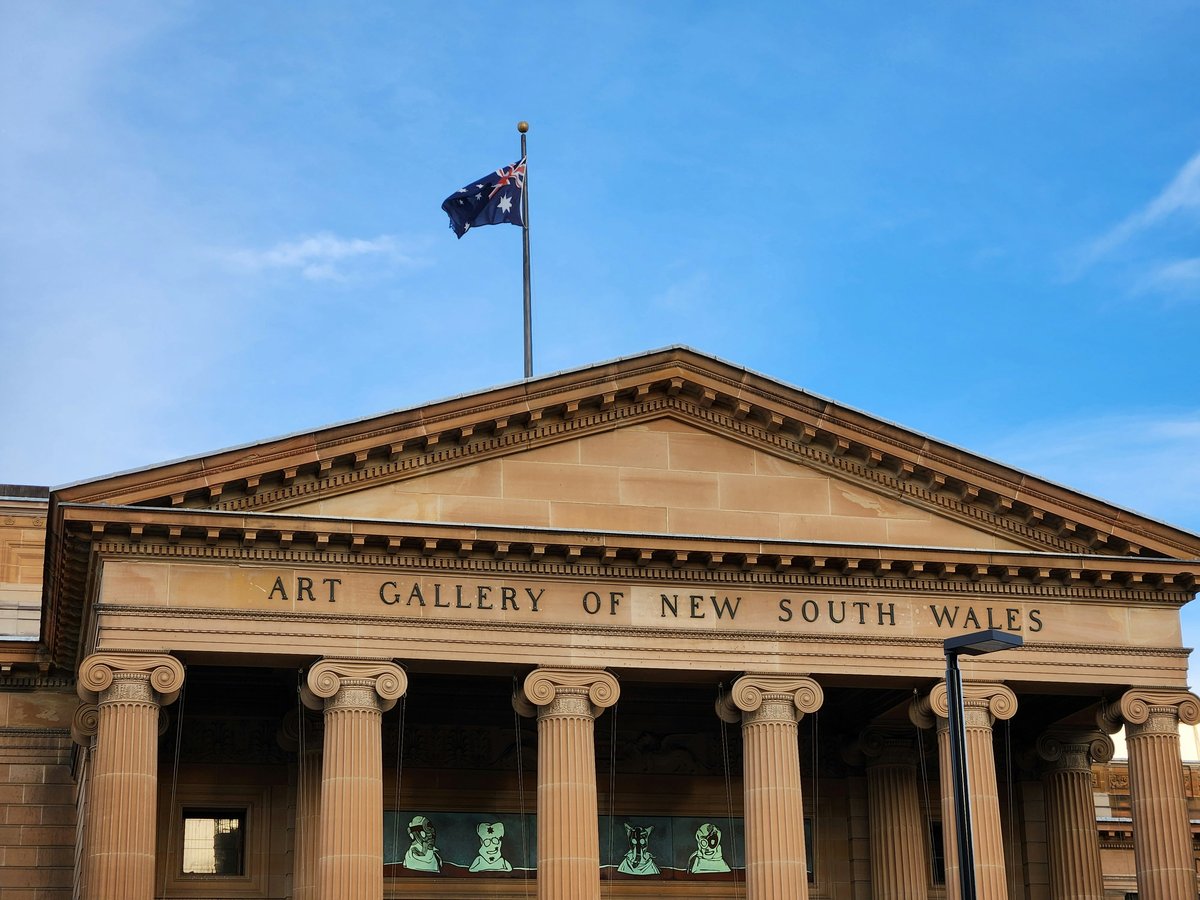
6 Art Gallery of New South Wales
The state's public art collection, free on the standing galleries
Set at -33.8686, 151.2172 on the Domain's eastern flank, the Art Gallery of New South Wales is the state's public gallery and museum, and it is the one Sydney institution where the standing collection alone will justify a full morning. Skip the paid blockbuster if your time is short; the free galleries do the heavy lifting, from colonial-era Australian painting to the Yiribana gallery of First Nations work. The number to call for a specific exhibition or access query is 02 9225 1700, which reaches the front-of-house line rather than an outsourced ticketing agent. The Wikidata identifier is Q705551, and the current-programming calendar lives at artgallery.nsw.gov.au, which now covers both the original building and the newer harbourside wing across the land bridge. Walk in from Hyde Park or St James station; the approach through the Domain is part of the visit.
Dates from 1880
Hours: Th-Tu 10:00-17:00; We 10:00-22:00
-
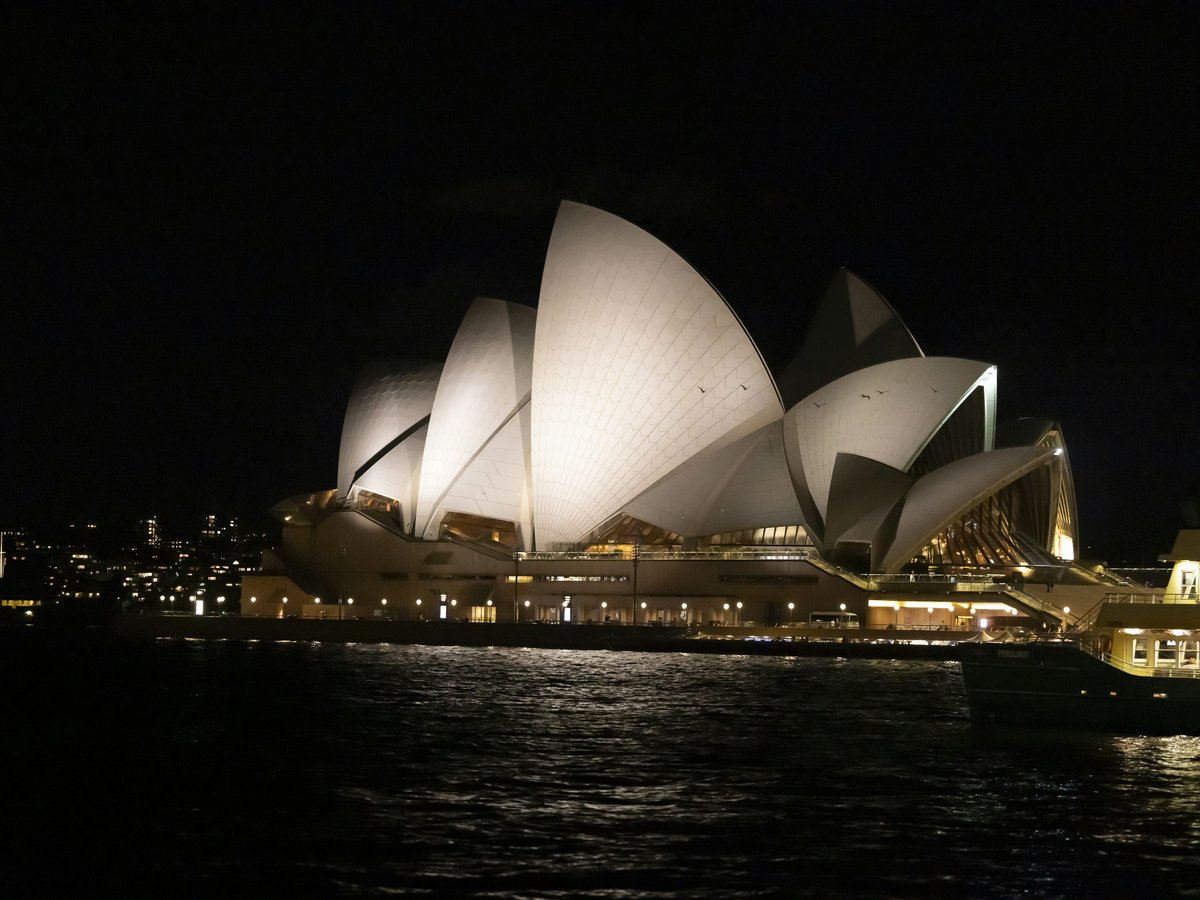
7 Museum of Contemporary Art Australia
George Street, NSW 2000Contemporary practice on a Circular Quay address the harbour built around
Planted at -33.8600, 151.2089 on the western side of Circular Quay, the Museum of Contemporary Art Australia is Sydney's dedicated contemporary art museum, sharing a doorstep with the ferry wharves and, across the cove, the Opera House. Skip the harbour-cruise photo lap and cross Circular Quay to the MCA instead; the free ground-floor galleries alone repay the walk, and the rooftop cafe gives you the view the cruise ticket was selling. Direct enquiries are answered on +61 2 9245 2400, which reaches the museum's own reception rather than a third-party call centre. The Wikidata entity is Q690242; current exhibitions, closures and admission conditions are published on the museum's own site at mca.com.au. Time a visit for a weekday morning if you can; on weekends the Quay is loud, and the galleries are worth quieter attention.
Dates from 1991
Hours: Fr-We 10:00-17:00; Th 10:00-21:00
-
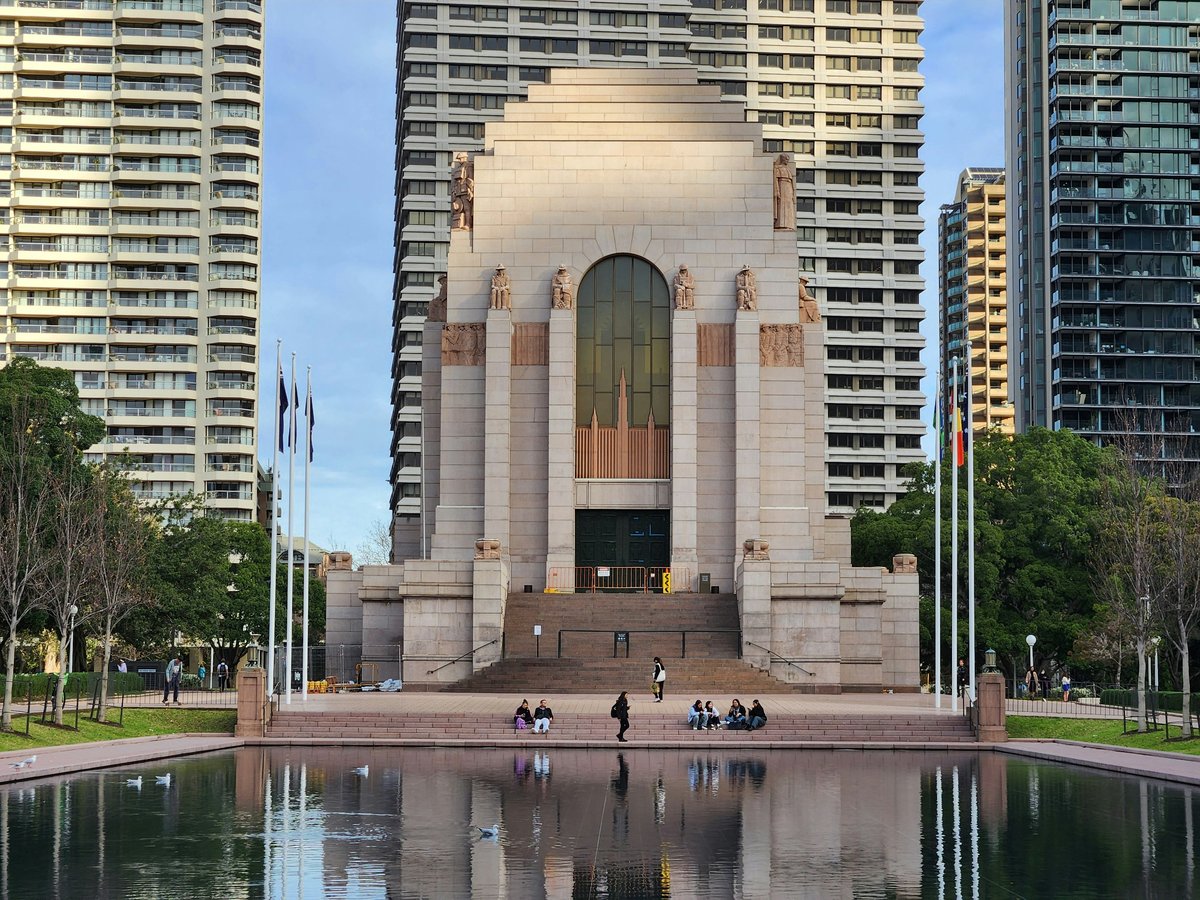
8 Anzac Memorial
A memorial and museum together, at Hyde Park's southern end
Anchored at -33.8757, 151.2109 at the southern end of Hyde Park, the Anzac Memorial is both a memorial and a museum, and the pairing is what distinguishes it. Don't bother with the postcard photo from the reflecting pool and leave; the interior chamber and the lower-level exhibits are the reason to come, and they are free to enter. The locals bring visiting family here rather than to the packaged war-history bus tours, because the memorial's own interpretation, curated by NSW's memorial trust, does the work with more restraint than a commercial narration. The Wikidata identifier is Q844556, and the current-programming calendar, including commemorative dates and access hours, is published on the trust's own site at anzacmemorial.nsw.gov.au. Pair it with the barracks up Macquarie Street for a Hyde Park loop that reads the city's civic memory end to end.
Dates from 1934 · Heritage Act — State Heritage Register
-
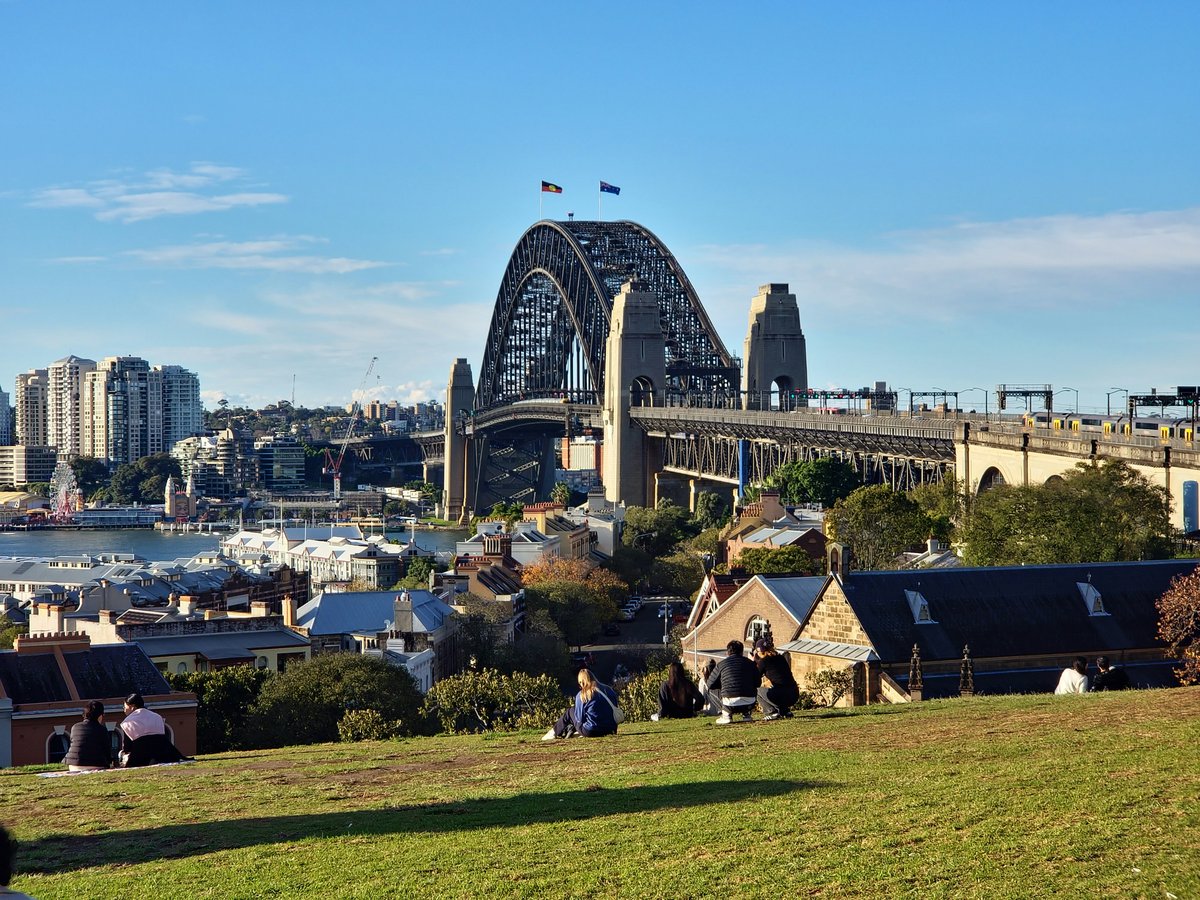
9 Sydney Observatory
A working astronomical observatory on the harbour's highest ridge
Perched at -33.8596, 151.2046 on Observatory Hill in Millers Point, Sydney Observatory is a working astronomical observatory, and the ridge it sits on is the highest natural point of the inner harbour. Skip the paid harbour-view rooftop bars in the CBD; the walk up to the observatory lawn is free, and the view over Walsh Bay and the bridge is the one the observatory's astronomers had first. Book a night session on the site's calendar if the sky is clear; the domes are working instruments, not display pieces. The Wikidata identifier is Q7660067, and current programming, including public tours and night viewings, is published on the observatory's own site at sydneyobservatory.com.au. Combine with the MCA at Circular Quay for a Millers Point half-day that keeps you off the tourist axis.
Heritage Act — State Heritage Register
-
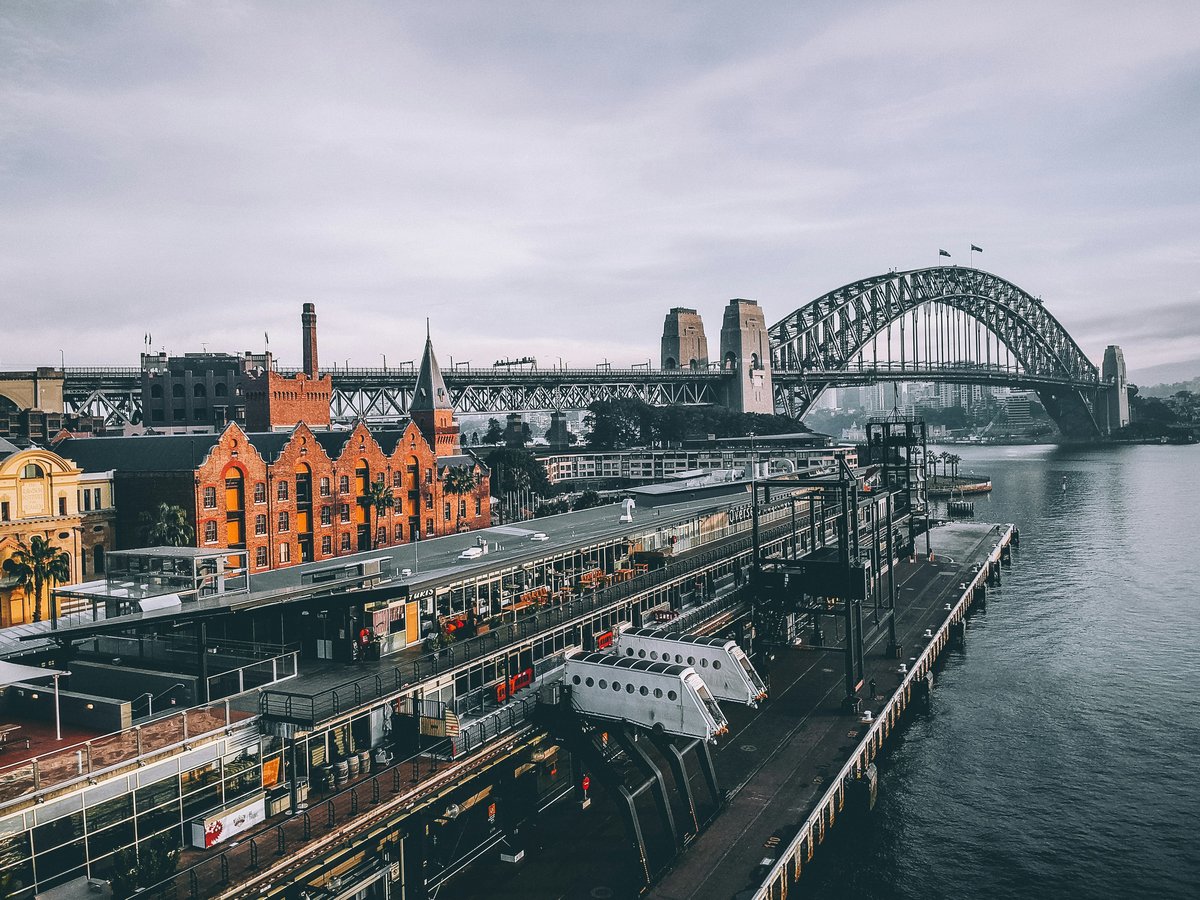
10 Sydney Mint
The oldest surviving public building in the Sydney CBD, on Macquarie Street
Positioned at -33.8689, 151.2125 on the Macquarie Street sandstone strip, the Sydney Mint is one of the CBD's oldest surviving public buildings, sitting immediately beside Hyde Park Barracks and sharing its Georgian visual grammar. The locals know to walk into the courtyard even when there is no ticketed exhibition on; the arcade cafe and the timber-lined interior are open to the public, and the site rewards a slow lap. Don't read the Mint as a coin museum, which is not what it is now; treat it as a building you can enter, whose survival on this stretch of Macquarie Street is the fact worth crossing town for. The Wikidata identifier is Q1641346, and current-use information, event bookings and any interpretive programming sit on Sydney Living Museums' page at sydneylivingmuseums.com.au/the-mint. Pair with the barracks two doors north for a single-block colonial half-hour.
Heritage Act — State Heritage Register
-
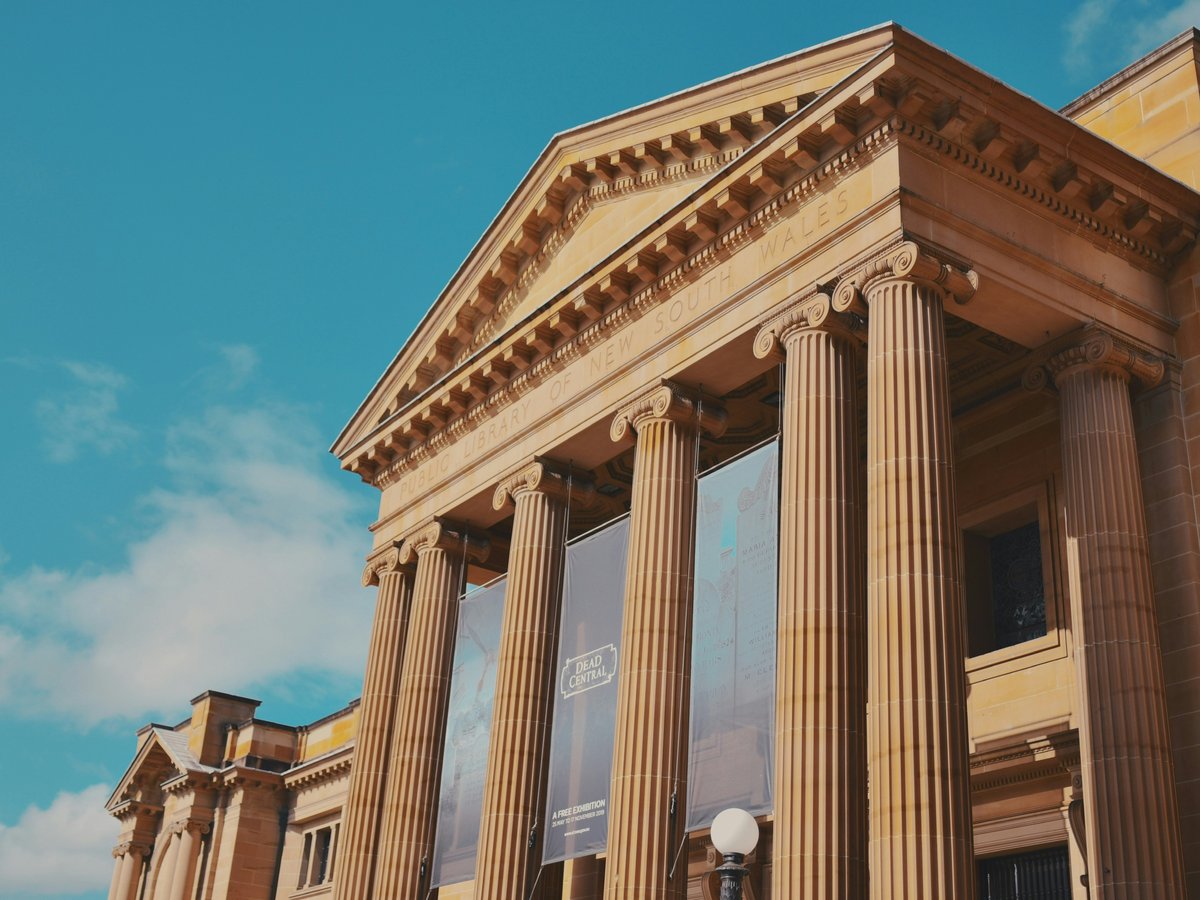
11 State Library of New South Wales
1 Shakespeare Place, NSW 2000The state's central library, with permanent exhibitions read like a museum
Set at -33.8664, 151.2133 on the Macquarie Street ridge, the State Library of New South Wales is the central library for the state, and its exhibition halls read more like a museum than a reading room. The locals slip in on hot afternoons and leave two hours later without meaning to; the Mitchell reading room and the changing exhibitions across the ground floor are free, well-lit and quiet in a way the harbourfront galleries no longer manage. Skip the paid audio tours of nearby institutions and start here instead; a librarian at the front desk will point you at whichever exhibition is currently up. The Wikidata identifier is Q6133813, and the current calendar, opening hours and reader-ticket rules are published on the library's own site at sl.nsw.gov.au. Combine with the Art Gallery down the road for a Domain-and-Macquarie-Street morning.
Dates from 1869
-
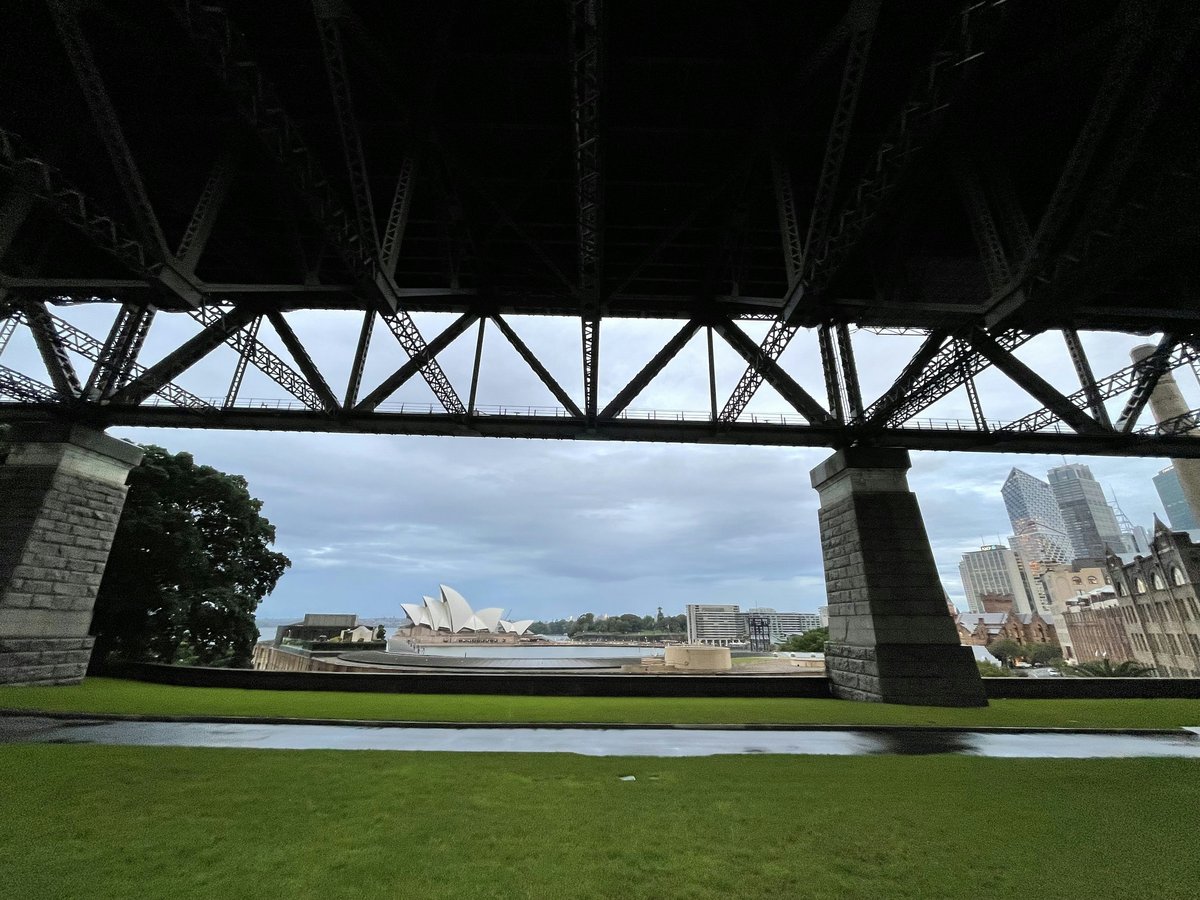
12 Museum of Sydney
Bridge Street, 2000The colonial governors' residence footprint, read as a city-history museum
Grounded at -33.8636, 151.2110 on the corner of the CBD's financial district, the Museum of Sydney is the city-history museum of Sydney itself, and the footprint it sits on is the reason to visit. Skip the harbour-cruise version of Sydney's origin story and come here for the ground-up account instead; the outdoor forecourt marks the outline of the first Government House, and the interior galleries read the colony from that point outward. The locals bring interstate visitors here rather than to the packaged narrated tours, because the interpretation is measured and the building is small enough to be finished in an unhurried hour. The Wikidata identifier is Q910232, and current-exhibition programming and access details sit on Sydney Living Museums' page at sydneylivingmuseums.com.au/museum-of-sydney. Combine with Circular Quay and the MCA for a compact half-day that keeps you inside the original colonial square mile.
Dates from 1995
Hours: Mo-Su 10:00-17:00
Last verified by automated review (v1.7.2_accom-wave-738-20260903045845) on . What is automated review?