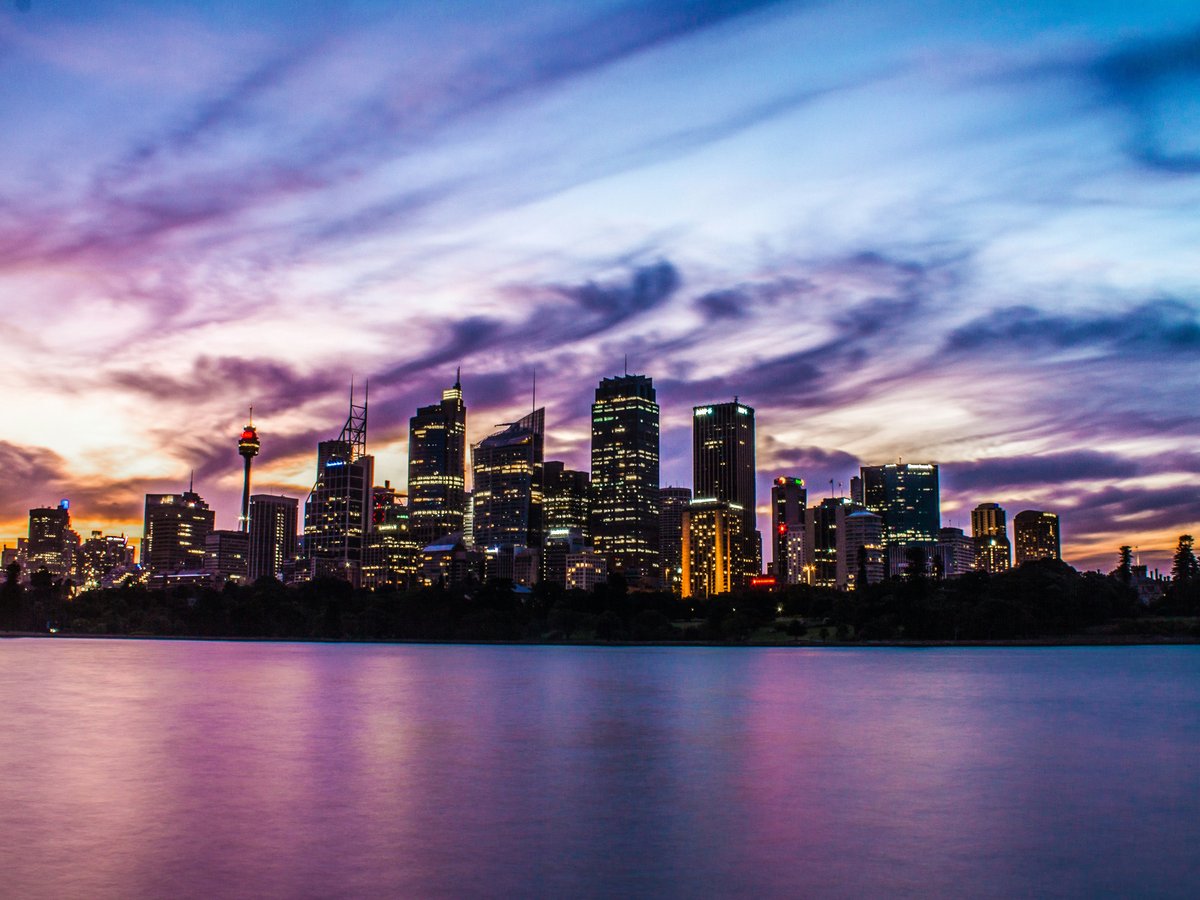
Sydney's nightlife has a complicated relationship with itself. The lockout laws that gutted Kings Cross between 2014 and 2021 left scars the city is still recovering from: whole blocks of clubs shuttered, replaced by frozen yogurt shops and real estate offices. But here's the thing: the scene didn't die, it scattered. It moved to Newtown, burrowed deeper into Surry Hills laneways, crept up to rooftops in Barangaroo, and found new life in the inner west suburbs that never had lockout restrictions to begin with. What you'll find now is a nightlife culture that's less concentrated than it once was, more spread out, and in some ways more interesting for it. Sydneysiders tend to start late: dinner at eight, first drinks at nine thirty, and nobody's really dancing before midnight on a weekend. The drinking culture leans toward wine and craft beer more than spirits, though the cocktail bar scene has quietly become one of the best in the southern hemisphere. It's a city where a Friday night might start with natural wine at a Surry Hills bar, drift into a basement cocktail spot, and end at a kebab shop in Enmore at two in the morning. Not exactly the all-night rager reputation of Melbourne or Berlin, but there's more depth here than people give it credit for.
Where Sydney Drinks: From Rooftop Sunsets to Basement Whiskey
The cocktail bar scene in Sydney has matured quietly over the past decade, and the best spots tend to be the ones you'd walk past without noticing. The small bar revolution: kicked off when licensing laws changed around 2008 to allow venues under 60 capacity: filled Surry Hills, Darlinghurst, and the CBD with intimate, low-key drinking rooms tucked behind unmarked doors and down narrow staircases. That template still holds. You'll find bartenders who take their craft seriously without being precious about it, menus that change seasonally, and a general preference for spirit-forward drinks over the sugary tiki trend that peaked a few years back. The rooftop bar thing is real, though it skews more toward the after-work crowd than the late-night set. Circular Quay and Barangaroo have a handful of spots where the harbour views do most of the heavy lifting: the drinks are fine, the prices are steep, and you're mostly paying for the sunset over the Bridge. Worth doing once. The Rocks has a similar deal, though the pubs there carry genuine history, sandstone walls and all. Dive bars still exist, though calling them that feels generous in a city where even the rough-around-the-edges places tend to have a decent wine list. Newtown and Marrickville are your best bet for the kind of place where the furniture doesn't match, the music's too loud, and nobody's judging your order. Expect schooners of local lager (Reschs if the pub stocks it, Young Henrys or Batch if it leans craft) and a general lack of pretension that can be hard to find closer to the CBD. Wine bars have had a genuine moment in Sydney. The natural wine wave hit hard around 2018 and hasn't really receded. Surry Hills and Paddington are thick with places pouring skin-contact whites and funky orange wines alongside charcuterie boards. If that sounds like your thing, you'll be well looked after. If you just want a glass of Barossa shiraz, you might need to ask specifically: some menus lean so heavily into the natural side that conventional wines feel like an afterthought. One thing worth noting: Sydney bar prices will sting if you're coming from Southeast Asia or even parts of Europe. A cocktail in the CBD runs somewhere north of twenty dollars, often closer to twenty-five or twenty-eight at the more polished spots. Beer's a bit kinder: a schooner might be ten to fourteen dollars depending on where you are and what you're drinking. Nobody tips at bars here, so at least that's off your plate.
Dancing in Sydney: What's Left, What's New, What's Worth It
Let's be honest about this: the Sydney club scene in the mid-2020s is a shadow of what it was fifteen years ago. The lockout laws did real damage to Kings Cross and the CBD, and while those laws were repealed in 2021, the venues that closed didn't magically reopen. What remains is a smaller, more fragmented scene that rewards people willing to look for it. The big-room club experience (international DJs, massive sound systems, queues around the block) still happens, but it's more event-driven than venue-driven. Warehouse parties in Alexandria and Marrickville pop up on long weekends, promoted through Instagram and word of mouth rather than permanent signage. The outdoor festival circuit picks up in summer, with day-to-night parties in parklands and harbour-side venues drawing thousands. For week-to-week clubbing, the inner west carries the weight. Newtown and Enmore have a handful of venues that run club nights on Fridays and Saturdays, leaning toward house, techno, and disco rather than commercial EDM. The dress code situation is generally relaxed in these spots: clean sneakers, no singlets, and you'll be fine. Darlinghurst still has a cluster of venues along Oxford Street, many of them tied to the LGBTQ+ community, where the music tends toward pop, disco, and the kind of high-energy dance tracks that keep a room moving until three in the morning. The CBD has a few basement clubs that skew younger: uni students on Thursday and Friday nights, commercial hip-hop and top-forty playlists, sticky floors, and drink specials that draw crowds despite the mediocre sound. Entry fees vary but tend to sit between ten and thirty dollars depending on the night and who's playing. Some venues do free entry before a certain hour, usually ten or eleven PM. Peak hours for clubs in Sydney are roughly midnight to two AM on weekends. Things empty out faster than they would in Melbourne or any European city: last drinks at three AM is still common at most venues, though a few have later licenses running to five. If you're used to Berlin or Bangkok hours, adjust expectations. The trade-off is that Sydney's outdoor drinking culture (the rooftop sessions, the harbour-side pubs) fills the gap that late-night clubbing leaves open. Door policies can be strict at CBD venues, especially on weekends. Bouncers have broad discretion under RSA (Responsible Service of Alcohol) laws, and being visibly intoxicated is genuine grounds for refusal: this isn't a bluff, it's enforced. Groups of men without women in the group sometimes face extra scrutiny at commercial clubs, a frustrating reality that's worth knowing about in advance. Smaller venues in the inner west tend to be more relaxed about all of this.
The Sound After Dark: Where Sydney Plays
Sydney has always been a live music city, even when the licensing laws tried to choke it. The pub rock tradition runs deep: this is where bands like Midnight Oil and INXS cut their teeth, and the lineage carries through to the current crop of indie, punk, and garage acts playing rooms across the inner west on any given Thursday night. Newtown is the spiritual home of Sydney live music. King Street and its side streets hold several venues that book local and touring acts most nights of the week. The sound varies: you might catch a four-piece indie rock band on a Wednesday, a hip-hop showcase on Friday, and a solo folk act on Sunday afternoon. Ticket prices for local acts are usually modest, somewhere in the ten to twenty-five dollar range, and the rooms tend to be small enough that you're standing close enough to feel the kick drum in your chest. Marrickville has emerged as a second hub, particularly for the heavier and more experimental end of things. Warehouse-style venues in the industrial pockets host noise, post-punk, electronic, and genre-defying acts that wouldn't fit the Newtown pub circuit. Shows start late (doors at eight, first band at nine, headliner at ten thirty is typical) and the crowd tends toward the kind of people who read music blogs and have opinions about reverb pedals. Surry Hills sits somewhere between the two. The venues there book a mix of local bands, DJs, and occasional international touring acts passing through on the Australian leg of a world tour. Jazz has a quiet but persistent presence here: a few bars run weekly jazz nights that draw a loyal crowd of regulars who listen rather than talk over the music. For bigger acts, the CBD and Darling Harbour have the arena-scale venues, though those are more about seated concerts than the sweaty, beer-on-the-floor live music experience. The sweet spot in Sydney is the 200-to-500-capacity rooms where the sound is good, the bar is close, and the band is playing like they have something to prove. Those rooms are mostly in the inner west, and they're mostly at their best on Thursday, Friday, and Saturday nights. One trend worth watching: the Sunday session. Several pubs across Sydney run live music on Sunday afternoons, usually from around three to six PM, often free entry. It's a genuinely pleasant way to spend the tail end of a weekend: cold schooner, warm afternoon light through pub windows, a band playing something loose and unhurried. The crowd skews local and relaxed. If you're only in town for a weekend, a Sunday session might be the most authentically Sydney musical experience you can have.
Nightlife neighborhoods
-
Newtown and Enmore
The beating heart of Sydney's independent nightlife: grungy, queer-friendly, and unapologetically loud. King Street after dark smells like Thai food and spilled beer, with music leaking out of half the doorways you pass.
- Best for
- Live music fans, the LGBTQ+ community, anyone who wants to bar-hop on foot without pretension or planning
- Standouts
- The strip along King Street between the station and Enmore Road is dense enough that you can wander and follow the noise. Enmore Road itself has larger live music rooms and late-night spots.
-
Surry Hills
Dimly lit wine bars, basement cocktail spots, and laneway restaurants that blur the line between dinner and drinks. The crowd is creative-industry types: designers, photographers, people who work in advertising and prefer to forget about it after seven PM.
- Best for
- Date nights, cocktail enthusiasts, people who prefer conversation over volume
- Standouts
- Crown Street and its surrounding laneways hold most of the action. The small bar scene here is dense: you could spend a whole evening within a few blocks.
-
Darlinghurst and Oxford Street
Sydney's historic LGBTQ+ strip has thinned out over the years but still holds a core of clubs and bars that come alive on weekends. The energy is celebratory and a bit messy in the best possible way: sequins, drag shows, pop anthems at full volume.
- Best for
- Club nights, drag shows, LGBTQ+ nightlife, anyone who wants to dance to pop music without irony
- Standouts
- The Oxford Street stretch between Taylor Square and Hyde Park has the highest concentration. Some of these venues have been running for decades.
-
The Rocks and Circular Quay
Historic pubs in sandstone buildings that are genuinely old, not the fake-heritage kind. The Rocks at night has a tourist-adjacent feel but the pubs themselves serve a decent schooner, and the harbour views from the waterfront spots are hard to argue with.
- Best for
- First-night-in-Sydney drinks, visitors who want harbour views without a nightclub cover charge
- Standouts
- The pubs clustered around George Street and the waterfront in The Rocks are the draw. Circular Quay's rooftop spots are more about the view than the venue.
-
Barangaroo
The newer, shinier waterfront precinct has filled up with upscale bars and restaurants that cater to the finance crowd during the week and tourists on weekends. Polished concrete, harbour breezes, and cocktails that cost what a meal does in Newtown.
- Best for
- After-work drinks, waterfront cocktails, groups who want a scenic but low-key evening
- Standouts
- The Barangaroo South end has the concentration of restaurants and bars. Things tend to wind down earlier here than in the inner west.
-
Marrickville and Sydenham
Industrial-chic brewing district that's become Sydney's craft beer capital. Old warehouses converted into taprooms, with food trucks parked outside and picnic tables under fairy lights. On warm evenings the whole area has a loose, neighbourhood-party feel.
- Best for
- Craft beer enthusiasts, Saturday afternoon sessions that drift into evening, groups who want space and fresh air
- Standouts
- The brewery and distillery cluster around Sydenham Road and Addison Road. Several are within walking distance of each other, making a crawl easy.
-
Kings Cross
The famous red-light strip never really recovered from the lockout laws. What was once Sydney's late-night playground is now quieter, more residential, and still finding its new identity. A few bars and restaurants have moved in, but the all-night party reputation belongs to the past. Worth a walk-through for the history, if nothing else.
- Best for
- Curious visitors who want to see what the fuss was about, a quiet drink with a side of nostalgia
- Standouts
- The main strip along Darlinghurst Road has a handful of bars and cafes. The Potts Point end is more polished, with wine bars and small restaurants.
Safety after dark
Sydney is a generally safe city after dark, but a few things are worth keeping in mind. Drink spiking happens: it's not common, but it's not unheard of either. Keep your drink in your hand, don't accept drinks from strangers, and look out for your mates. If something feels off, trust that instinct and tell venue staff.
Getting home is straightforward if you plan ahead. Trains run late on Friday and Saturday nights: NightRide bus services replace some lines after regular hours, and routes are posted at stations. Ride-share apps work well, though surge pricing after midnight on weekends can double or triple the fare. Having a rough idea of your route home before you start drinking saves you from making expensive decisions at two AM.
The taxi situation is fine. Ranks outside major venues and at transport hubs fill up on weekend nights. Licensed taxis are metered, and you should see the driver's ID displayed on the dashboard. Unlicensed cars soliciting rides outside clubs are a scam: don't get in.
Scams targeting tourists are rare in Sydney compared to some Asian cities, but the classic ones exist: inflated prices at tourist-trap bars near the harbour, unofficial tour operators near Circular Quay, and occasional pickpocketing in crowded venues. Keep your phone in a front pocket or zipped bag when you're in a packed room.
RSA laws mean bartenders and bouncers can and will refuse service if they think you're too intoxicated. This isn't personal: it's the law, and venues face serious fines for breaches. If you're cut off, it's time to get food and water, not to argue. Being aggressive with door staff is the fastest way to get banned from a venue and potentially have police called.
For solo travellers, especially women: the inner west neighborhoods generally feel safer and more welcoming at night than the CBD or Kings Cross. Stick to well-lit streets, let someone know where you are, and don't hesitate to ask bar staff to help you get a ride home if you feel uncomfortable. Most venues take duty of care seriously.
Practical tips
- Cover charges
- Most bars in Sydney don't charge entry. Clubs and live music venues do: expect anywhere from ten to thirty dollars on weekends, sometimes free before a certain hour on weeknights. Check the venue's social media beforehand, as many post their door prices and guest list options there.
- Tipping
- Australia doesn't have a tipping culture in the American sense. Bartenders and wait staff are paid a living wage, so tipping is genuinely optional. Rounding up the bill or dropping a few coins in the jar is a nice gesture but nobody expects it, and nobody will chase you for it. Never feel obligated.
- Dress codes
- Most Sydney bars have no dress code beyond the basics: closed shoes, no singlets (tank tops), generally clean and presentable. CBD clubs and rooftop bars tend to be stricter: collared shirts for men, no thongs (flip-flops), and bouncers who exercise a fair bit of discretion. Inner west venues are the opposite: jeans, band tees, and sneakers are the uniform.
- Drinks to know
- Schooner is the standard beer size in NSW: 425ml, roughly three-quarters of a pint. A middy is smaller at 285ml. If you order a pot, people will know you're from Melbourne. Wine is ordered by the glass, and most bars carry a decent by-the-glass selection. Espresso martinis have been Sydney's unofficial signature cocktail for years now: love them or hate them, they're everywhere.
- Last drinks and closing times
- Standard last drinks in most Sydney venues is around midnight to one-thirty AM on weeknights, and two to three AM on weekends. A handful of venues hold late-night licenses that run until five AM, but these are the exception. If you're planning a late night, check closing times in advance: showing up at a bar at one AM on a Thursday expecting a few more hours might leave you disappointed.
- ID requirements
- Bring photo ID if you look under 25: venues are strict about this. A passport or Australian driver's license is accepted everywhere. International driving licenses sometimes cause confusion at the door, so a passport is your safest bet. Bouncers scan IDs at many CBD venues, which is standard practice and not cause for concern.
FAQ
What time does nightlife start in Sydney on weekends?
Most people don't head out until nine or ten PM on Fridays and Saturdays. Bars start filling up from around eight, but the real energy doesn't hit until closer to eleven. Clubs peak between midnight and two AM. If you're coming from a culture where people go out at midnight and stay until sunrise, Sydney will feel early by comparison: things wind down by three at most venues.
Is Kings Cross still worth visiting for nightlife?
Honestly, not for the nightlife itself: the strip lost most of its late-night venues during the lockout law years and hasn't bounced back in any meaningful way. It's worth a walk-through for the neon signs and the history, and the Potts Point end has some genuinely good wine bars and restaurants, but if you're looking for the wild late-night scene Kings Cross was famous for, that era is over. Head to Newtown or Darlinghurst instead.
How do I get home late at night in Sydney?
Trains run extended hours on Friday and Saturday nights, and NightRide buses cover major routes after rail services stop. Ride-share apps are reliable but expect surge pricing after midnight on weekends: a trip that costs fifteen dollars at ten PM might cost forty at two AM. Taxi ranks outside major venues and at transport hubs are another option. Plan your route home before you start drinking, and keep enough charge on your phone to book a ride.
Are there good nightlife options on weeknights in Sydney?
Tuesday through Thursday tends to be quieter, but Newtown and Surry Hills have bars and venues that run events mid-week: trivia nights, acoustic sets, industry nights with cheaper drinks. Thursday is the unofficial start of the weekend for a lot of the hospitality and creative crowd, so you'll find more energy then. Monday and Tuesday are genuinely quiet in most areas, with some notable exceptions for comedy nights and jazz sessions.
Do Sydney bars and clubs accept card payments?
Almost universally, yes. Australia is one of the most cashless societies on earth, and tap-and-go payments work at essentially every bar, club, and venue in Sydney. Some places have gone entirely cashless. That said, keeping a small amount of cash isn't a bad idea for the occasional market stall, food truck, or older taxi that doesn't have a working terminal.
What should I know about alcohol laws in Sydney?
RSA (Responsible Service of Alcohol) laws are taken seriously. Bartenders and bouncers are legally required to refuse service to anyone who appears intoxicated, and venues face heavy fines for non-compliance. This means you can be refused entry or cut off even if you feel fine. Don't argue with staff about it: the law backs them up, and getting confrontational only makes things worse. Drinking in public spaces like parks and beaches is generally prohibited, though enforcement varies.
Last verified by automated review (v1.7.2) on . What is automated review?