Sydney on a budget
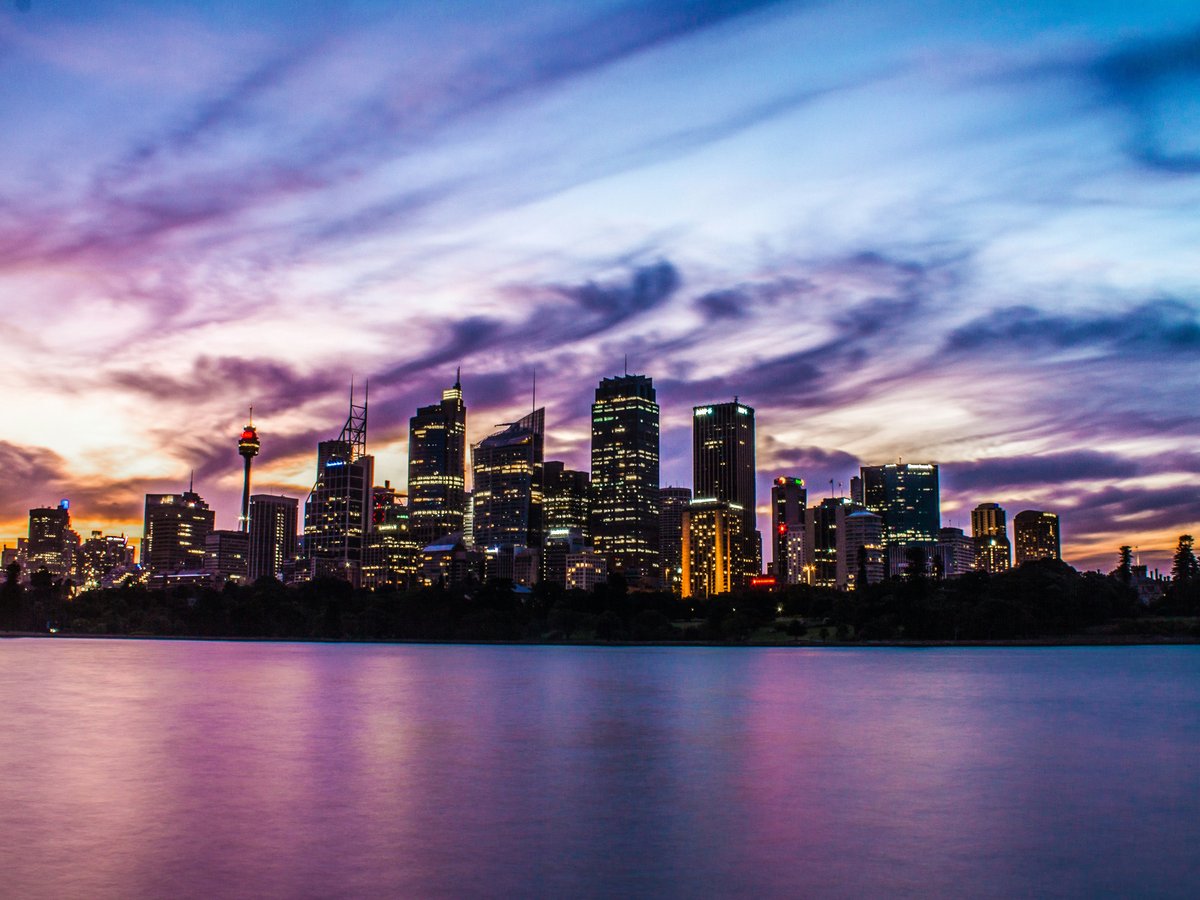
Royal Botanic Gardens, Sydney is a botanic garden that is free to walk into, on the harbour edge. Most of the picks for budget travelers in Sydney sit in Haymarket and Chippendale. Sydney has 18 budget-tier hotels in the Trip.com pool from US$18 a night.
Sydney for budget travelers, in numbers
- Picks on this page
- 22 places across 2 lists, led by Wake up! Sydney Central, 28 Hotel, Devere Hotel
- budget-tier hotels
- 18 in the Trip.com poolfrom US$18 a night
Questions budget travelers ask about Sydney
-
Cost per day
A budget day in Sydney runs about AUD 90 (USD 65), covering a hostel dorm in Surry Hills or Glebe, capped Opal transit, and meals split between supermarket runs and Chinatown lunch plates at AUD 12-16. The free tier is strong. The Art Gallery of NSW, Museum of Contemporary Art, and Royal Botanic Gardens charge nothing.
Read the full answer → -
What to avoid
Skip the Sydney Tower Eye, the waterfront restaurants on Circular Quay and Darling Harbour, and any Blue Mountains coach tour on your first day. At Bondi, stay between the red and yellow flags. Wear SPF 50 even on mild October days, and before you order on a Sunday, check the bottom of the menu for the surcharge line.
Read the full answer → -
Getting around
Tap a contactless bank card on trains, buses, ferries, and light rail: the whole network takes it. The airport train has a steep surcharge (around A$16 per person) that catches everyone off guard. Ferries double as the best sightseeing in the city. Uber for late nights. Sydney is walkable in clusters, but the clusters are far apart.
Read the full answer → -
Airport to city
Take the Airport Link train from Sydney Airport (SYD): around $18.70 AUD ($13 USD), 13 minutes to Central station, trains every 10 minutes from 5am to midnight. After midnight, Uber or Didi from the arrivals pickup zone runs $40-55 AUD ($29-39 USD) to the CBD. Skip the taxi queue unless surge pricing is extreme.
Read the full answer → -
Food culture
Sydney's food identity comes from its immigrant communities spread across suburbs most visitors never reach. The best pho is 40 minutes west in Cabramatta, not the CBD. Lebanese charcoal chicken thrives in Lakemba. Cantonese barbecue fills Haymarket. The harbour-side dining looks good, but the real eating happens on suburban train lines radiating out from Central Station.
Read the full answer →
Curated for budget travelers
-
Best hostels
Sydney's hostel inventory stretches from the international terminal gates to a ferry ride across the harbour, and the neighborhood you choose shapes the trip more than the bed. The CBD and its southern fringe cluster the most beds near Central Station, where backpacker corridors run along George Street and spill into Chinatown's late-night dumpling houses. East of the city center, the quieter pockets around Potts Point and Woolloomooloo trade nightlife volume for tree-lined walks and harbour proximity. South of the tracks, Chippendale and Redfern offer cheaper rooms in neighborhoods that reward curiosity over convenience. Manly stands apart on the northern beaches, a ferry commute from Circular Quay that suits travelers who came for the coast, not the city. Near the airport, two adjacent suburbs serve the red-eye crowd with functional beds and shuttle-bus proximity. Across all ten neighborhoods, nightly rates for hostels and budget hotels range from $18 to $80, and the spread says more about location than quality.
See the picks → -
Best free attractions
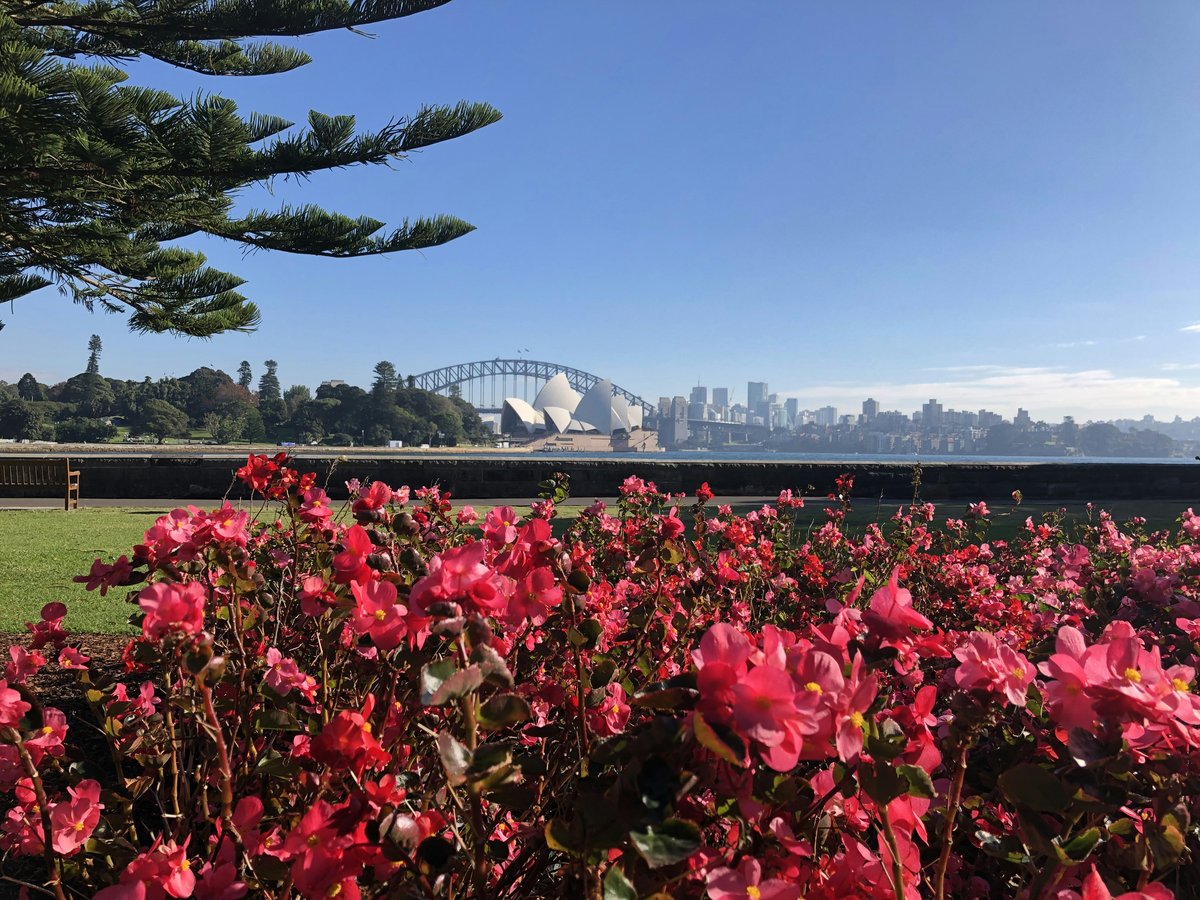
Sydney's best free hours are spent outside, and everything here is built around open ground: botanic gardens, city parks, and national parks that ask for your time rather than your wallet. Some go back a long way. Hyde Park dates from 1810 and the Royal Botanic Gardens from 1816, while the Chinese Garden of Friendship is newer, opening in 1988, as is Lane Cove National Park, which dates from 1992. Several are protected on the State Heritage Register. The range runs from small city parks, Wynyard Park on York Street among them, good for a quiet lunch, to national parks in New South Wales that need a whole day. This list is for the early riser, the long walker, and the visitor who wants a break from the city without leaving it. Read it as a set of moods: pick the one that matches your day.
See the picks →