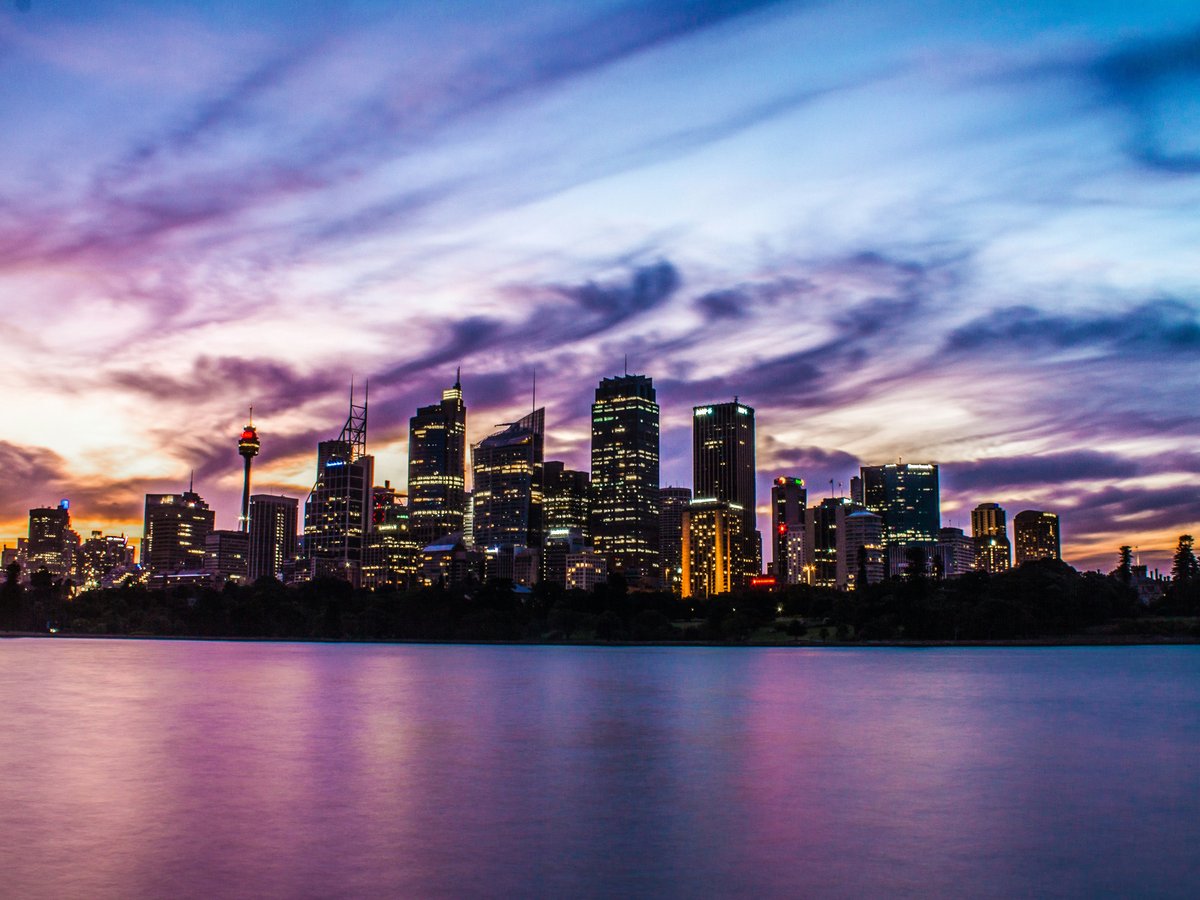
Sydney for families
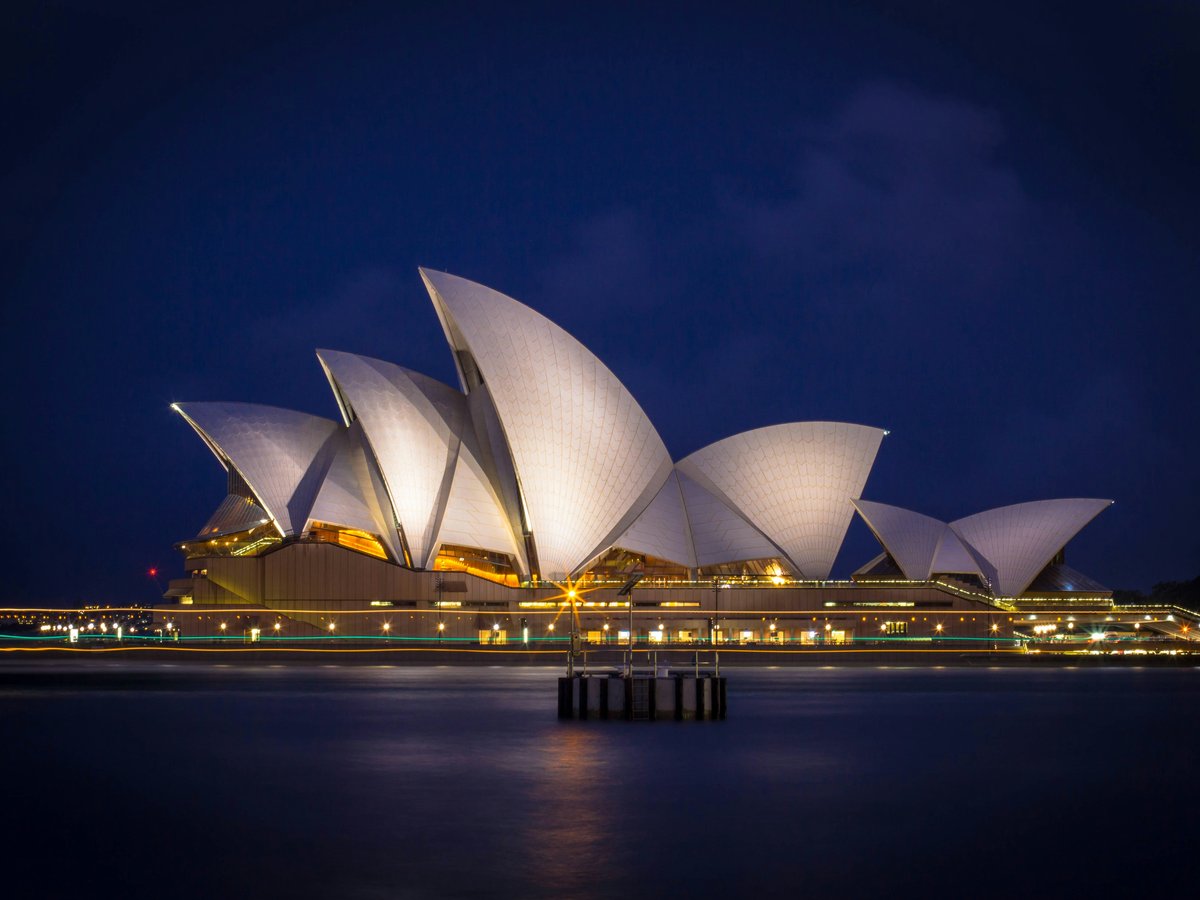
Sydney Opera House is a multi-venue performing arts centre whose exterior is the city's most photographed object and whose interior is the reason to buy a ticket. St James’ Church, Sydney is the Anglican parish church at the top of King Street, small in scale and outsized in the city's civic memory.
Sydney for families with kids, in numbers
- Score for families
- 8.5 out of 10
- Picks on this page
- 36 places across 3 lists, led by Sydney Opera House, St James’ Church, Sydney, St Andrew's Cathedral
Questions families with kids ask about Sydney
-
Family-friendly
Sydney scores 8.5/10 for family friendliness (see the TTDI Family-Friendliness Index). Ferries connect Circular Quay to Taronga Zoo in 12 minutes and Manly Beach in 30. Kids under 4 ride all public transport free, and the child Opal card caps at AUD 4.20 daily. The Australian Museum and Royal Botanic Gardens are free for under-16s. Strollers work on most footpaths and all ferries, though older train stations may lack lifts.
Read the full answer → -
Is it safe?
Sydney is very safe for solo travelers of any age. The honest risks are phone theft along the Bondi-to-Bronte walk, UV that hits extreme by 10am in summer, and rip currents at the eastern beaches. Night trains run until midnight; NightRide buses fill the gap to 4:30am. Call 000 for any emergency.
Read the full answer → -
What to pack
The UV here will surprise you: Sydney's ozone layer is thinner than most Northern Hemisphere cities, and you'll burn in fifteen minutes at Bondi even under cloud cover. Pack SPF 50+ sunscreen, a wide-brim hat, polarized sunglasses, layers for 10–25°C swings between harbour breezes and midday heat, and a Type I power adapter: Australia's three-pin plug fits nothing else.
Read the full answer → -
Getting around
Tap a contactless bank card on trains, buses, ferries, and light rail: the whole network takes it. The airport train has a steep surcharge (around A$16 per person) that catches everyone off guard. Ferries double as the best sightseeing in the city. Uber for late nights. Sydney is walkable in clusters, but the clusters are far apart.
Read the full answer → -
Best time to visit
Go in March or early April, when the sea at Bondi hits its warmest, around 22 to 23°C, the January school-holiday crowds have gone home, and harbourside hotel rates have fallen from their summer peak. November comes second, with jacarandas in Kirribilli and long evenings. Skip late December and January unless you're after the New Year's Eve fireworks and don't mind paying peak prices for them.
Read the full answer →
Curated for families with kids
-
Must-see attractions
Sydney's must-sees are, for the most part, buildings that still earn their keep: a multi-venue performing arts centre, a bridge across the harbour, an Anglican parish church in the inner city, a fountain in Hyde Park, and a site that works as both memorial and museum. We've kept this list to places where something happens at the address, not places that look good in photographs and do little else. It runs from a UNESCO World Heritage Site out to a mosque at 65-67 Wangee Road, with a Catholic church out in Randwick. Most stops fall in the 2000 postal area, and several sit on the State Heritage Register. This is a list for visitors who would rather buy a ticket, sit through a service or walk a crossing than tick off a skyline. Take the order loosely, and give the quieter entries the same hour you would give the famous ones.
See the picks → -
Best free attractions
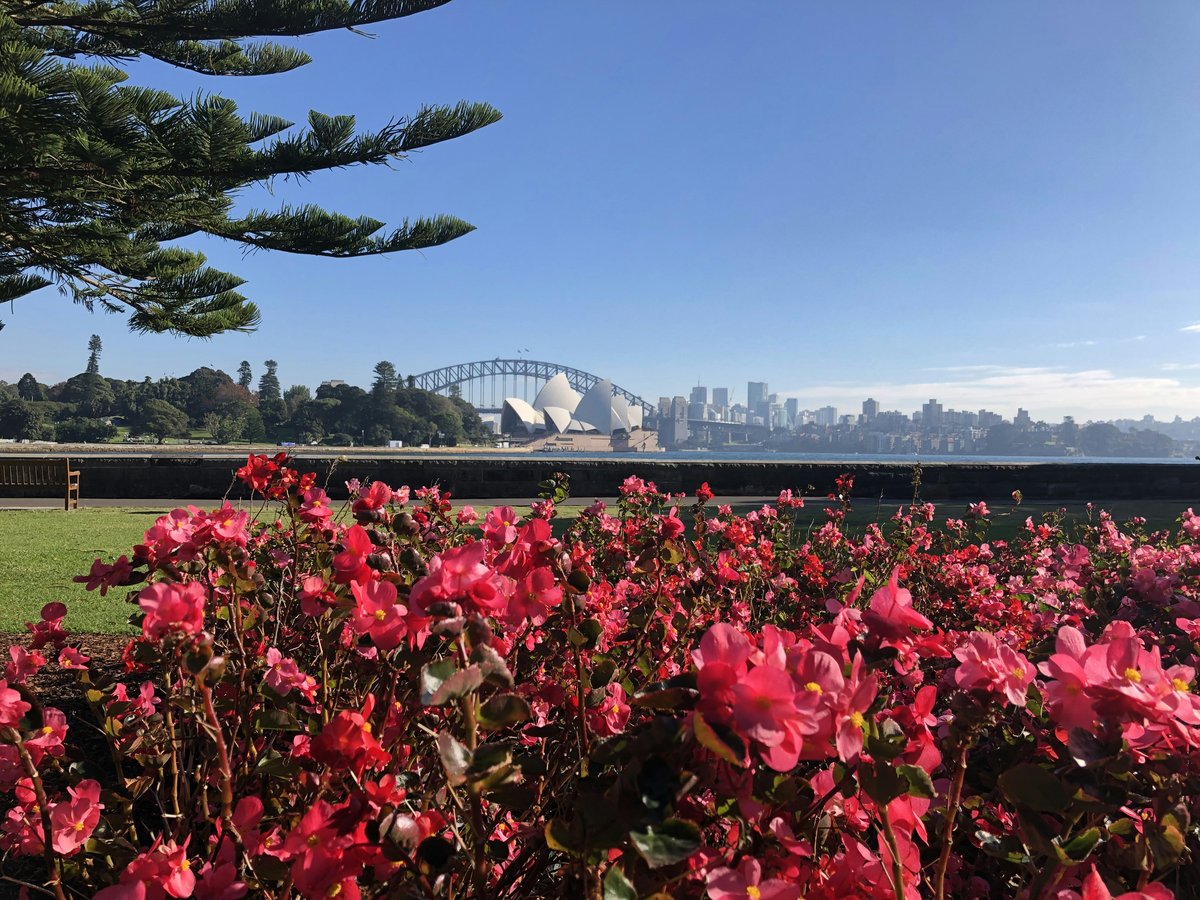
Sydney's best free hours are spent outside, and everything here is built around open ground: botanic gardens, city parks, and national parks that ask for your time rather than your wallet. Some go back a long way. Hyde Park dates from 1810 and the Royal Botanic Gardens from 1816, while the Chinese Garden of Friendship is newer, opening in 1988, as is Lane Cove National Park, which dates from 1992. Several are protected on the State Heritage Register. The range runs from small city parks, Wynyard Park on York Street among them, good for a quiet lunch, to national parks in New South Wales that need a whole day. This list is for the early riser, the long walker, and the visitor who wants a break from the city without leaving it. Read it as a set of moods: pick the one that matches your day.
See the picks → -
Best museums
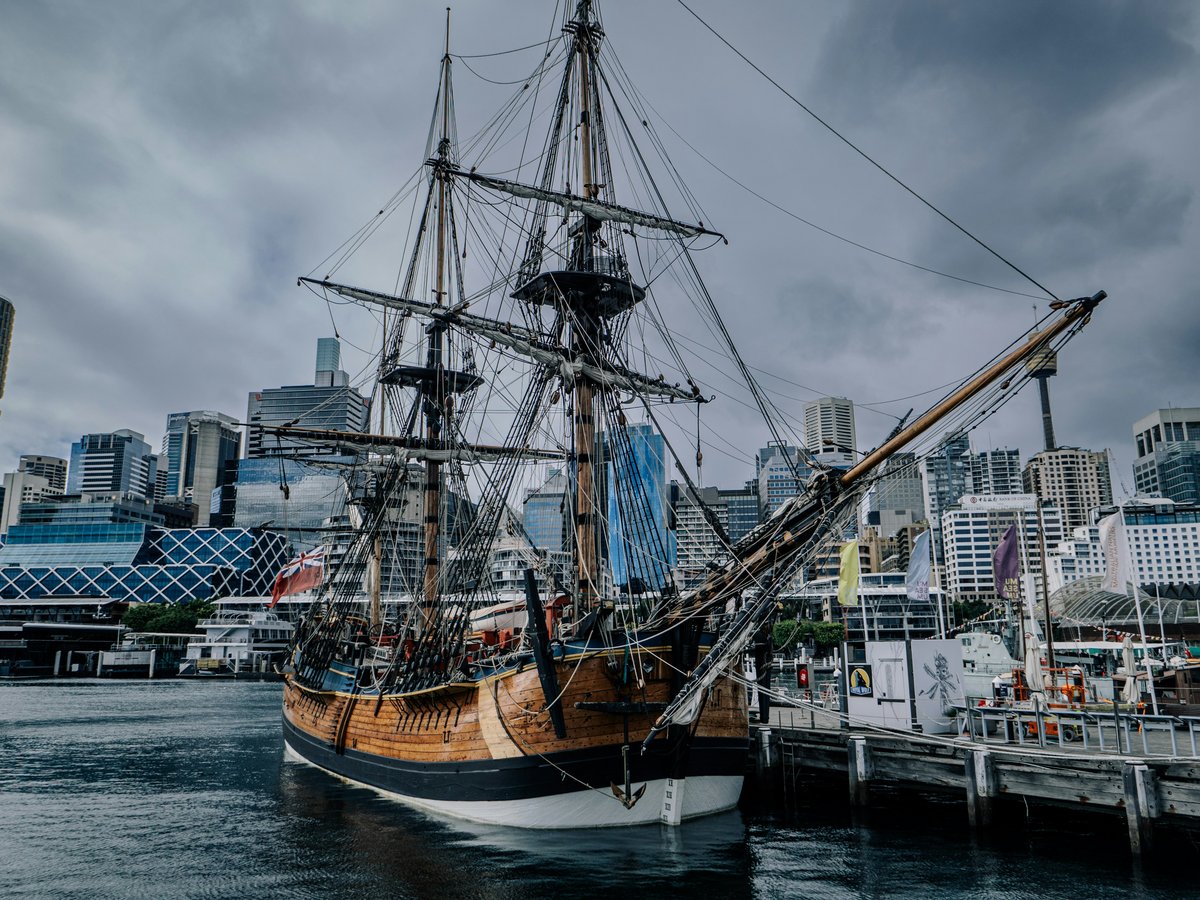
Sydney's museums argue for the city rather than merely display it. The collections here range from the deep-time natural history of a continent to the convict ledgers that opened the colonial chapter, from a working harbour's maritime spine to art galleries that treat contemporary practice as a civic obligation. Several of the buildings are themselves the exhibit: a Georgian barracks on Macquarie Street, a Colonial Regency house above Elizabeth Bay, a mint that predates the federation. Others are purpose-built civic institutions, publicly funded and free to enter on their standing collections. Together they map the city's arguments with itself, about First Peoples and settlement, about science and applied craft, about war and remembrance, about what a harbour town owes its own past. The 12 that follow are grouped for a visitor with a week: two natural-history and science anchors, the harbour trio at Pyrmont, Circular Quay and Millers Point, the sandstone quartet on Macquarie Street, and the domestic and memorial rooms that fill the gaps. Skip the packaged bus tours; a museum day here is a walking day, and the walks between them are half the point.
See the picks →