What should I avoid in Sydney?
Skip the Sydney Tower Eye, the waterfront restaurants on Circular Quay and Darling Harbour, and any Blue Mountains coach tour on your first day. At Bondi, stay between the red and yellow flags. Wear SPF 50 even on mild October days, and before you order on a Sunday, check the bottom of the menu for the surcharge line.
The first expense hits at Sydney Airport: the Airport Link train to Central takes about 15 minutes, but a station access fee of roughly A$17 is added to the normal Opal fare, so one adult pays close to A$20. For two or three people with bags, an Uber or DiDi to a CBD hotel often costs A$45 to A$60, which works out cheaper per head than the train. Skip the currency exchange counters in the arrivals hall. The mid-market rate on 8 October 2026 was A$1.4402 per US dollar, and airport booths tend to give you several cents less. On the Opal readers, tap any contactless Visa, Mastercard or phone wallet instead of buying a card, noting that each traveller needs their own, because most gates refuse one card tapped twice. On Sundays the fare cap stays under A$10 for a full day of trains, buses and ferries.
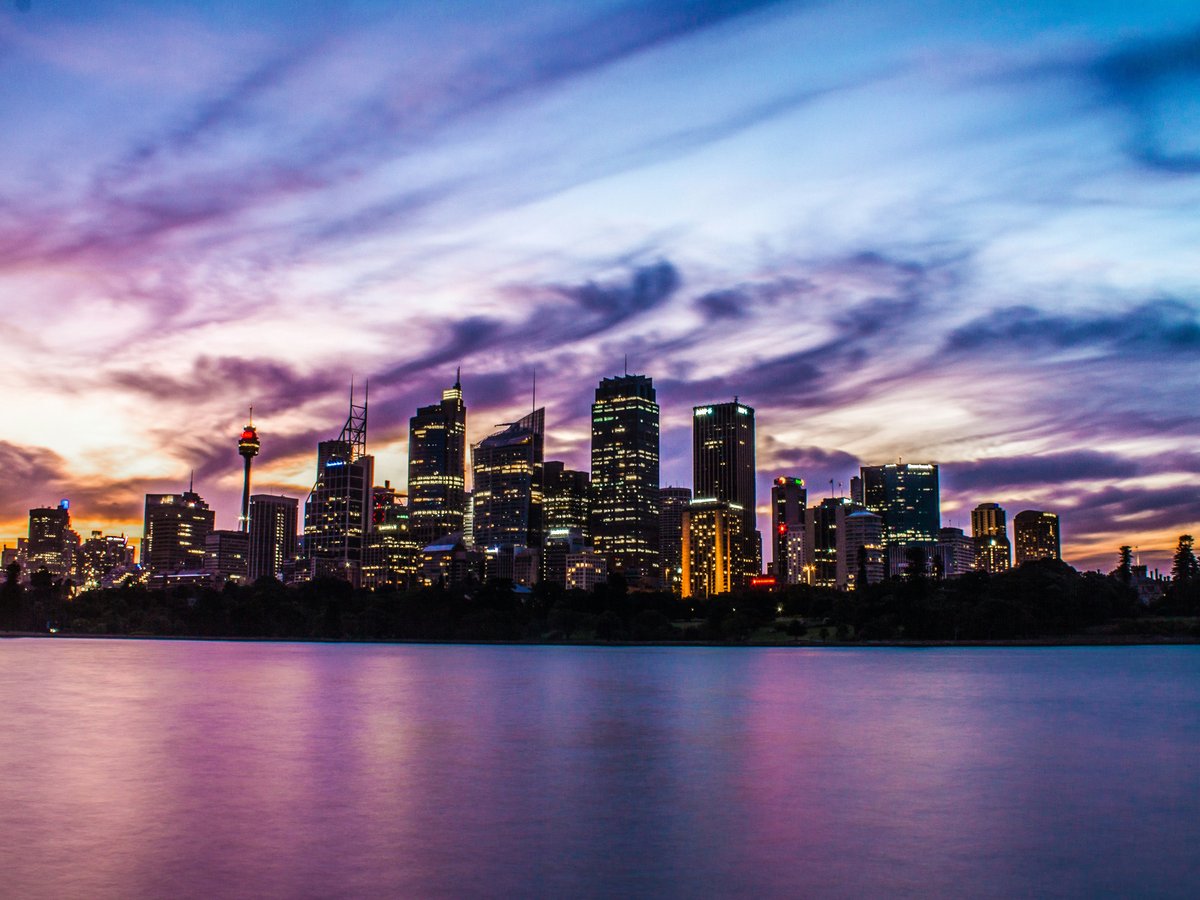
Sydney Tower opened in 1981, and it is the first attraction we would cut. The Sydney Tower Eye charges around A$35 or more for a view of office rooftops, while Observatory Hill in The Rocks gives you the harbour and the bridge arch for free, with salt wind off the water and the smell of cut grass. The same goes for BridgeClimb, which costs more than A$200 a person. Climb the stairs from Cumberland Street and walk the Harbour Bridge's eastern footpath for nothing, with the rumble of trains running through the steel under your feet. Skip the harbour lunch cruises too. The F1 ferry to Manly costs a standard Opal fare, passes the Opera House (completed in 1973) and takes about 30 minutes. The Darling Harbour and Circular Quay waterfronts charge A$32 for fish and chips that taste of the freezer. Walk 10 minutes to Thai Town around Campbell Street in Haymarket, where a steaming bowl of boat noodles costs about A$18.
Sydney rates 8.3/10 for solo-traveler safety (see the TTDI Solo-Safety Index), and its beaches cause more trouble than crime does. The south end of Bondi has a permanent rip that lifeguards call the Backpackers' Express, sitting where first-timers drop their towels because the water there looks calm. Swim between the red and yellow flags, which lifeguards move during the day. Sunburn is the second hazard. Sydney's 20.5°C clear sky on 9 October feels mild, but spring UV readings in New South Wales often reach 8 or higher, and pale skin can burn in under 20 minutes. Woolworths and Chemist Warehouse sell SPF 50 for about A$15. The Bondi to Coogee walk covers 6 kilometres of sun-baked sandstone with almost no shade, so start before 9am. In early October the ocean is around 19°C, cold enough to make your chest tighten when you duck under at Tamarama.
Two money habits catch visitors out. Many Sydney restaurants add a 10 to 15 percent surcharge on Sundays and public holidays, and a growing number of cafes charge 1 to 1.5 percent extra for card payments. Tipping is optional in Australia, and no Surry Hills barista expects 20 percent. Don't book a Blue Mountains coach tour for day one: those tours often run 10 hours or longer, and jet lag will likely flatten you by the time you reach the Three Sisters lookout at Echo Point. The Blue Mountains Line train from Central to Katoomba takes about two hours on a normal Opal fare, so save it for day three. On day one, go to the Royal Botanic Garden, founded in 1816, and the Art Gallery of New South Wales next door, founded in 1880. Both are free to enter, and a few hours of daylight on Farm Cove helps reset your body clock faster than a hotel nap.
Tourist traps to skip
- Sydney Tower Eye (around A$35 for rooftop views; Observatory Hill in The Rocks is free)
- BridgeClimb at more than A$200 when the Harbour Bridge eastern footpath costs nothing
- Waterfront restaurants on the Circular Quay promenade and at Darling Harbour
- Harbour lunch cruises, when the F1 Manly ferry runs the same water for an Opal fare
- Blue Mountains coach day tours of 10 hours or more booked for arrival day
- Airport currency exchange counters in the Sydney Airport arrivals hall
Common scams
- Airport exchange booths that pay several cents per US dollar below the mid-market rate
- Sunday and public holiday restaurant surcharges of 10 to 15 percent printed in small type at the foot of the menu
- Card payment surcharges of 1 to 1.5 percent at cafes
- The Airport Link station access fee of roughly A$17, added on top of the normal Opal fare
Seasonal hazards
- The Backpackers' Express rip at the south end of Bondi Beach; stay between the red and yellow flags when you swim
- Spring UV readings in New South Wales often hit 8 or higher, even when the air temperature is around 20°C
- Little shade on the 6-kilometre Bondi to Coogee walk; start before 9am
- Ocean temperatures run around 19°C in early October, cold enough to cause shock for swimmers who haven't prepared for it
Last verified by automated review (v1.7.2) on . What is automated review?