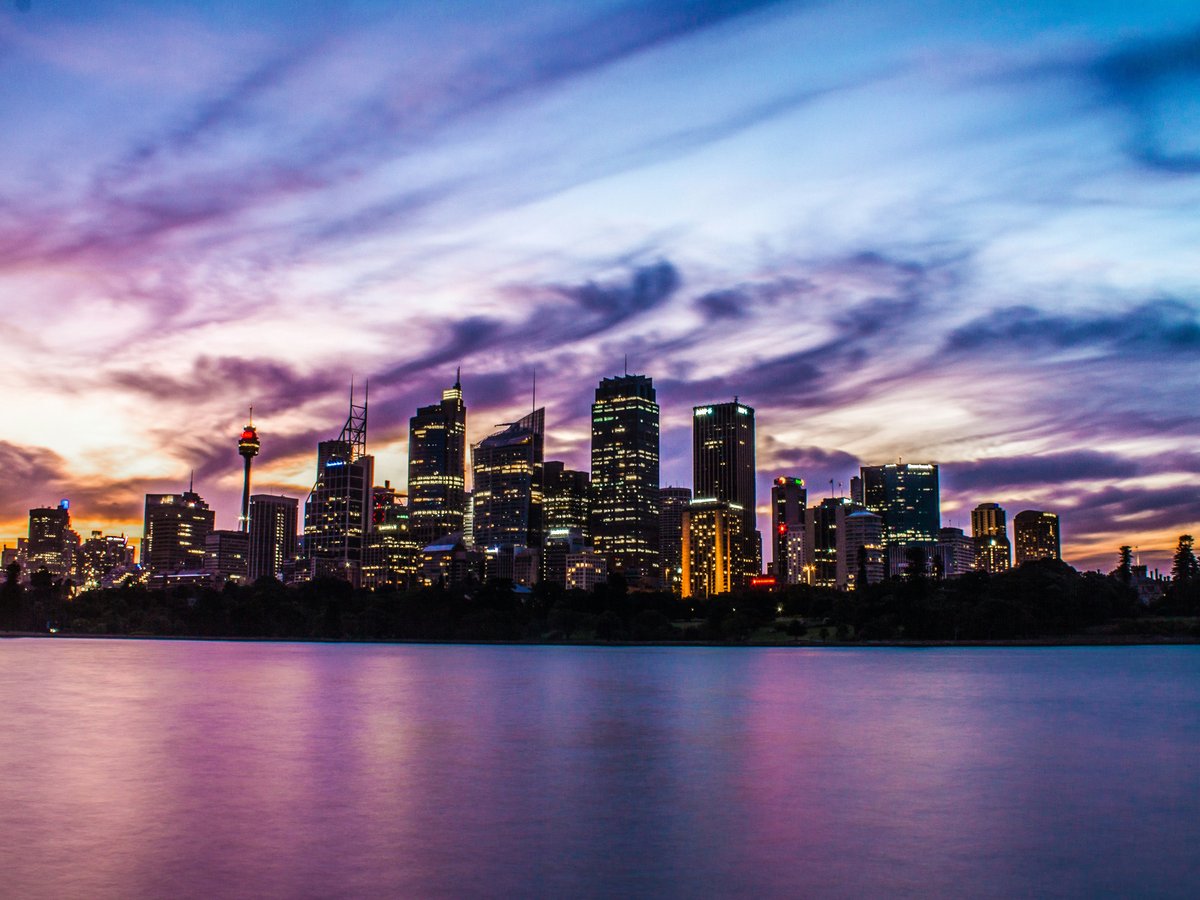
Sydney isn't really a city you visit specifically to shop, and that's part of its charm. What you'll find here tends to reflect the place itself: beachy, outdoorsy, a bit design-conscious, and increasingly focused on local makers and independent labels. The big department stores exist, sure, but the more interesting stuff happens in the inner-city neighborhoods where small-batch ceramicists share a laneway with vintage dealers and someone selling hand-poured candles that smell like native bushland. Australian fashion has its own sensibility (linen-heavy, relaxed tailoring, earthy palettes) and Sydney is where a lot of those labels are based. The city also has a genuinely strong market culture, particularly on weekends, when it can feel like half the population is wandering through some outdoor stall setup with a flat white in hand. Worth noting: prices here are high by global standards. The Australian dollar and local wages push retail costs well above what you'd pay in Southeast Asia or even parts of Europe. That said, the quality of local goods (particularly wool, skincare, and indigenous art) tends to justify what you're paying.
Shopping districts
-
Pitt Street Mall and CBD
mid-range to highThe commercial spine of the city centre, anchored by the Westfield Sydney and Queen Victoria Building. Pitt Street Mall itself is pedestrianised and perpetually busy: a mix of international chains, mid-range Australian labels, and the two big department stores, David Jones and Myer. The QVB, a few steps away, is worth walking through even if you buy nothing. It's a Romanesque Revival building from the 1890s with tiled floors and stained glass, and the tenants lean slightly upmarket. The Strand Arcade nearby is smaller, quieter, and houses more independent Australian designers. Most locals treat the CBD as the place for practical shopping (you need a work shirt, you need new runners) rather than a destination browse.
Best for: Department stores, international brands, and Australian designer labels in heritage arcades
-
Paddington and Oxford Street
mid-range to highOxford Street through Paddington has been through cycles: it was the fashion strip in the nineties, then it hollowed out, and now it's rebuilding with a mix of local designers, concept stores, and galleries. The vibe skews arty and slightly bohemian, though the houses in the surrounding streets sell for several million dollars, so take the bohemian thing with a grain of salt. You'll find independent fashion boutiques, vintage shops, and a scattering of homewares stores. Saturday mornings, the Paddington Markets set up in the church grounds on Oxford Street, and the whole area takes on a weekend energy. It's a good place to browse without a plan.
Best for: Independent Australian fashion, vintage clothing, art galleries, and weekend market browsing
-
Newtown and Enmore
budget to mid-rangeIf Paddington is polished bohemian, Newtown is the scruffier, more genuine version. King Street runs through the middle and it's still genuinely eclectic: op shops next to record stores next to bookshops next to Thai restaurants. The vintage and secondhand scene here is probably the best in Sydney, and prices tend to be lower than what you'd find in the eastern suburbs. There's a strong queer community presence that shapes the character. You might stumble across a pop-up zine fair or a store selling nothing but crystals and tarot decks. The foot traffic slows down once you cross into Enmore, but that stretch has some good independent shops too. A bit gritty in places. That's the point.
Best for: Vintage and secondhand clothing, record shops, bookstores, and counter-culture finds
-
Surry Hills
mid-range to highSurry Hills sits just east of Central Station and has become one of the city's densest concentrations of small, design-conscious shops. Crown Street and its side streets are where most of the action is: independent fashion labels, ceramics studios with retail fronts, specialty food shops, and a couple of very good bookstores. The neighbourhood has gentrified considerably over the past fifteen years, and it shows in the price tags, but the quality of what's on offer is generally high. It's also where a lot of Sydney's best cafes are, so you can make a morning of it. On the first Saturday of each month, a few of the streets close for a small community market.
Best for: Design-led homewares, independent fashion, specialty food, and cafe-hopping between shops
-
Mosman and the Lower North Shore
highAcross the Harbour Bridge, Mosman's Military Road has a strip of boutiques, homewares stores, and gift shops that cater to the affluent North Shore demographic. It's quieter than the inner city and the shopping is more curated than chaotic. You'll find Australian resort-wear labels, linen stores, and a handful of jewellers. Not a destination most visitors specifically seek out, but if you're heading to Taronga Zoo anyway, it's a pleasant detour. The Balmoral area nearby has a beachside village feel with a few more shops tucked along the esplanade.
Best for: Upmarket resort wear, homewares, and a quieter browsing pace away from the CBD
-
The Rocks
mixedThe Rocks is undeniably touristy (you'll know it the moment you see the didgeridoo shops) but it earns its place because the weekend market there is quite good, and a handful of the permanent stores sell legitimate Australian-made goods. The area sits right at the foot of the Harbour Bridge, so the setting is hard to argue with. Weekdays it's sleepier, with a few galleries and souvenir shops ticking over. The real draw is Saturdays and Sundays when The Rocks Markets fill the narrow streets. Mind you, you'll need to filter through some generic tourist tat to find the genuine local makers, but they're there: jewellers using Australian opals, leather workers, printmakers doing native flora studies.
Best for: Weekend markets, Australian-made souvenirs, and opal jewellery near the Harbour Bridge
-
Birkenhead Point and DFO
budget to mid-rangeIf you're specifically looking for discounted brands, these two outlet centres are where Sydney does that. Birkenhead Point is on the harbour in Drummoyne: you can take a ferry there, which makes the whole thing feel less like outlet mall drudgery. DFO Homebush is larger but more industrial-park in feel. Both carry end-of-season stock from Australian and international labels at meaningful discounts. Not glamorous shopping by any stretch, but practical if you want to pick up Australian brands like R.M. Williams boots or Country Road pieces without paying full retail.
Best for: Discounted Australian and international brands, particularly R.M. Williams and surf labels
Markets
-
The Rocks Markets
artisan and foodProbably Sydney's most-visited market, set among the historic sandstone buildings at the base of the Harbour Bridge. Around 200 stalls on a good weekend, with a genuine mix of local artisans alongside the inevitable tourist fare. The jewellery stalls tend to be strong: several vendors work with Australian opals and pearls. You'll also find handmade leather goods, photography prints of Sydney, native botanicals, and food stalls doing everything from paella to Turkish gozleme. It gets crowded by mid-morning, so arriving early has real advantages. The smell of sizzling garlic prawns mixed with harbour salt air is distinctly Rocks Markets.
Saturdays and Sundays, roughly 10am to 5pm
-
Paddington Markets
artisan and fashionRunning since 1973, this Saturday market fills the grounds of the Uniting Church on Oxford Street. It's smaller and more curated than The Rocks, with a strong lean toward fashion designers, jewellers, and artists selling their own work. The crowd tends to be local (Paddington residents doing their Saturday morning circuit) which keeps the quality higher than markets that cater primarily to tourists. You might find a ceramicist who fires everything in their Marrickville studio, or a jeweller who sources sapphires from the New England region up north. There's usually someone doing palm readings in the corner too. The whole thing has a relaxed, slightly arty Saturday energy.
Saturdays, 10am to 4pm
-
Glebe Markets
flea and vintageGlebe Markets set up in the grounds of Glebe Public School every Saturday and they've been going since the early nineties. The vibe is more grassroots than Paddington: secondhand books, vintage clothing, handmade jewellery, student art, and the occasional box of vinyl records someone is clearing out of their garage. Prices are generally lower and the atmosphere is less polished, which is part of the appeal. The surrounding streets have good cafes and a few bookshops, so it folds nicely into a Saturday morning wander through the neighbourhood. The food options tend toward the organic and vegetarian end of things.
Saturdays, 10am to 4pm
-
Bondi Markets
artisan and fashionHeld in the grounds of Bondi Beach Public School on Sundays, this one benefits from its location: you're a short walk from the beach in either direction. The stalls are a mix of local designers selling direct (swimwear, resort wear, handmade sunglasses), vintage dealers, and craft producers. The crowd is heavy on backpackers and Eastern Suburbs locals. It's not the cheapest market in Sydney but the setting is hard to beat, and the walk along the coastal path to Bronte afterwards makes the whole Sunday feel well spent. You can hear the waves from certain stalls on a quiet morning.
Sundays, 10am to 4pm
-
Carriageworks Farmers Market
food and produceThis is where Sydney's serious food people shop. Held inside the Carriageworks arts precinct in Eveleigh (a converted railway workshop with soaring ceilings and raw concrete) the market brings together producers from across New South Wales. You'll find single-origin honey, biodynamic vegetables, heritage-breed meats, artisan cheeses, sourdough from proper bakers, and seasonal fruits you might not recognise. It's not cheap, but the produce quality is outstanding. The smell of freshly baked bread and roasting coffee fills the space. Saturdays are the main day; there's a smaller Wednesday version too.
Saturdays 8am to 1pm, Wednesdays 8am to 1pm (smaller)
-
Kirribilli Markets
flea and generalOn the north side of the Harbour Bridge, in the shadow of Admiralty House, this monthly market has a neighbourhood feel that bigger markets sometimes lack. The mix is eclectic: secondhand goods, vintage fashion, bric-a-brac, handmade crafts, and food stalls. It draws a loyal North Shore crowd and the harbourside setting is quietly spectacular. Views of the Opera House from a secondhand book stall. Not the most curated market in the city, but the atmosphere and location make up for the occasional table of random household goods.
Fourth Saturday of each month, 7am to 3pm
-
Chinatown Night Markets
night and foodDixon Street in Chinatown comes alive on Friday evenings with food stalls, cheap goods, and a buzzy atmosphere. It's not a sophisticated shopping experience: you're looking at phone accessories, novelty items, and street food rather than artisan crafts, but the energy is infectious and the eating is good. Dumplings, skewers, bubble tea, and rotating specials from various Asian cuisines. The steam rising from the dumpling steamers, the clatter of wok stations, the neon reflecting off wet pavement after a summer shower. It's more about the atmosphere and the food than the merchandise, to be fair.
Friday evenings, typically 4pm to late
Souvenirs worth bringing home
Skip the mass-produced boomerangs and stuffed koalas: those are made overseas and have nothing to do with Sydney specifically. What's genuinely worth bringing home: Australian opal jewellery is a real thing here, and Sydney has reputable dealers, particularly around The Rocks and in the CBD. Opals from Lightning Ridge and Coober Pedy are the benchmark. Look for stones set by local jewellers rather than the cheapest pendant on a market table. Native Australian skincare is another strong pick: brands using ingredients like kakadu plum, macadamia oil, and tea tree have proliferated, and the formulations are genuinely good. Aesop started in Melbourne but is everywhere here and makes a practical, well-packaged gift. For food, look at Tasmanian pepper, lemon myrtle, and wattleseed: native botanicals that are finding their way into serious cooking. Carriageworks Farmers Market is a good place to find these packaged for travel. Merino wool products are legitimately excellent and Australia produces some of the finest in the world. Indigenous art is worth considering seriously, but buy from galleries that can verify the provenance and ensure the artist is being fairly compensated: places affiliated with Aboriginal art cooperatives. A genuine bark painting or limited-edition print is a meaningful souvenir, not a trinket. R.M. Williams boots are a classic Australian purchase: they're handcrafted from a single piece of leather and last for years. Not cheap, but the quality speaks for itself. Tim Tams and Vegemite are the cliche food gifts, but honestly, people seem to love receiving them.
Practical tips
- Bargaining
- Australia doesn't have a bargaining culture in retail shops: prices are fixed and attempting to haggle will likely get you a polite but firm 'no.' The exception is markets, where some stallholders are open to a modest negotiation, particularly later in the day or if you're buying multiple items. Even then, it's gentle: more 'would you do both for sixty?' than aggressive back-and-forth. For larger purchases like opals or art, asking about a cash discount is sometimes worth a try.
- Tourist Refund Scheme (TRS)
- If you spend AUD 300 or more at a single retailer with the same ABN (tax number), you can claim back the 10% GST at the airport before departure. You'll need the original tax invoice, your passport, and your boarding pass. The TRS counter is located after customs at the international terminal: arrive with enough time, as queues can be substantial during peak hours. The goods need to be carried as hand luggage unless they're oversized, in which case you'll need to visit the TRS counter before checking your bags. It's genuinely worthwhile on bigger purchases.
- Opening Hours
- Most CBD and shopping centre stores open around 9:30 or 10am and close at 5:30 or 6pm on weekdays. Thursday is traditionally late-night shopping in the CBD, with stores staying open until 9pm. Weekend hours vary: Saturdays are similar to weekdays, but Sundays tend to start later and finish by 5pm. Markets keep their own schedules, typically Saturday and Sunday mornings through early afternoon. Supermarkets and some pharmacies in the inner city stay open later, with a handful operating 24 hours. Suburban strip shopping can be unpredictable: some stores still close at noon on Saturdays and don't open Sundays.
- Payment Methods
- Card payments are accepted nearly everywhere in Sydney, and contactless tap-and-go is the default for most transactions. Many cafes and smaller market stalls have gone cashless entirely. That said, carrying some cash for older market vendors and very small purchases is still sensible. International credit cards work without issue at most terminals. Tipping is not expected in retail settings. If you're using a foreign card, check whether your bank charges international transaction fees: some Australian merchants also offer dynamic currency conversion at the terminal, which typically gives you a worse rate than your bank would.
- Sunday and Public Holiday Trading
- Sunday trading is legal and widespread in Sydney, but hours are shorter than weekdays: expect 10am to 5pm in most areas. Public holidays are more variable. Christmas Day and Good Friday see almost everything closed. Boxing Day, 26 December, is a major shopping event with significant sales, and stores open early. Australia Day and other public holidays tend to see reduced hours but most major retailers and shopping centres stay open. Markets may or may not run on public holidays: check individual market websites before making a trip.
- Getting Your Purchases Home
- Australia Post offers international parcel services from post offices throughout the city, and packing materials are sold on-site. For fragile items like ceramics or opal jewellery, this can be more practical than trying to fit everything in your luggage. Some retailers: particularly those selling larger items like art or R.M. Williams boots: offer their own international shipping. If you're claiming the TRS refund, remember the goods generally need to leave with you, not be shipped separately. Duty-free shops at the airport carry standard international brands but rarely stock the interesting local goods you'd find in the city proper.
FAQ
What are the best shopping areas in Sydney for Australian-made products?
The Strand Arcade in the CBD has a concentration of independent Australian designers and is worth a focused visit. Surry Hills, particularly along Crown Street, has design-led homewares and fashion from local makers. The Rocks Markets on weekends bring together artisans working with Australian materials: opals, native timbers, leather. Paddington Markets on Saturdays are strong for emerging designers selling direct. For Australian food products, Carriageworks Farmers Market in Eveleigh is the standout, with producers from across New South Wales.
Is shopping in Sydney expensive compared to other major cities?
Generally, yes. The combination of Australian wages, import costs, and the GST means retail prices tend to be higher than in the US, UK, or most of Asia. A coffee that costs three dollars elsewhere might be five or six here. Fashion and electronics are noticeably more expensive than in the US. That said, Australian-made goods (wool, skincare, boots, local food products) are priced competitively because you're buying at origin. The Tourist Refund Scheme helps recoup the 10% GST on purchases over AUD 300 from a single store, which takes some of the sting out of bigger buys.
Are Sydney's markets worth visiting if I'm not looking to buy anything?
Definitely. Several of Sydney's markets are as much about atmosphere and food as they are about shopping. The Rocks Markets have a harbour setting that's enjoyable just to walk through. Carriageworks Farmers Market is a food experience in its own right: the building alone is worth seeing. Bondi Markets put you steps from one of the world's most recognised beaches. Even if you leave empty-handed, you'll likely eat well and see parts of the city that a standard tourist route might miss.
Where should I buy Aboriginal art in Sydney to ensure it's authentic?
This matters a great deal, because the market for fake or exploitative Indigenous art is unfortunately substantial. Look for galleries that are members of the Indigenous Art Code, which sets ethical standards for the industry. Several galleries in The Rocks and the CBD specialise in Aboriginal art and can provide certificates of authenticity and information about the artist and their community. Art centres and cooperatives run by Aboriginal communities are the gold standard: some have representation in Sydney galleries. Avoid cheap prints or paintings sold without any provenance information, particularly from generic souvenir shops. A genuine piece might cost more, but you're supporting the artist and their community directly.
What day is best for shopping in Sydney?
Saturday is likely the strongest single day if you want to combine market browsing with regular retail. The Rocks Markets, Paddington Markets, Glebe Markets, and Carriageworks Farmers Market all run on Saturdays, and most stores keep normal hours. Thursday evening is the CBD's late-night shopping, with stores open until 9pm: useful if your days are packed with sightseeing. Sundays are good for Bondi Markets and The Rocks Markets, but retail hours tend to be shorter. Weekdays are quieter in terms of foot traffic, which some people prefer, though you'll miss the market scene entirely.
Can I get a tax refund on purchases made at markets?
It depends. To claim under the Tourist Refund Scheme, you need a tax invoice showing the retailer's ABN and the GST component, with purchases totalling AUD 300 or more from the same ABN. Most market stallholders are small operators who may not issue invoices in the right format, and individual purchases rarely reach the AUD 300 threshold from a single vendor. It's possible if you buy a high-value item (say, a piece of jewellery) from a market vendor who is GST-registered and provides a proper tax invoice. But for typical market browsing of smaller items, the TRS won't apply. Focus TRS claims on larger purchases from established retail stores.
Last verified by automated review (v1.7.2) on . What is automated review?