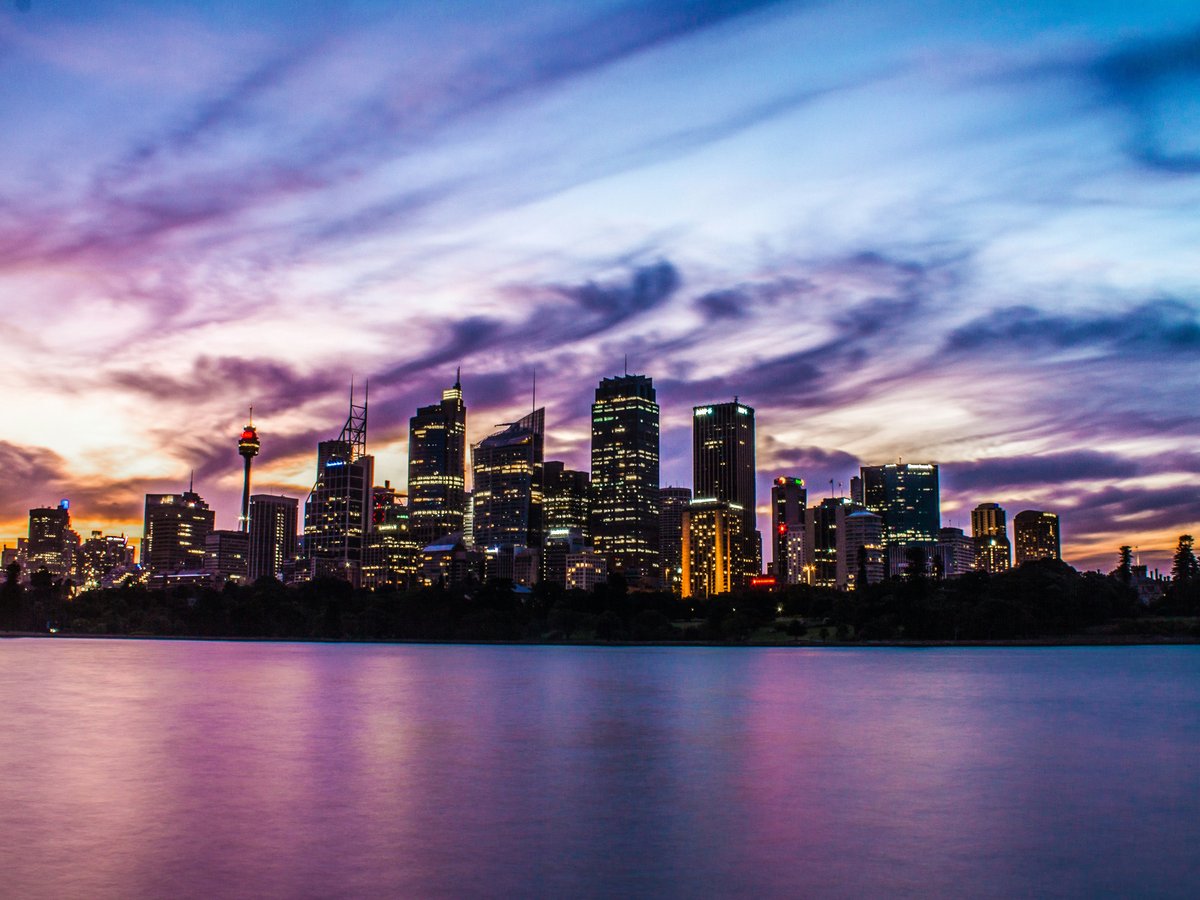
Stay in Sydney in January
87 hotels in the Trip.com pool for Sydney, from US$18 a night.
Opens Trip.com on Fri 1 Jan to Sun 3 Jan 2027; change the dates there.
January in Sydney is full summer, and the city leans into it completely. Average highs sit around 25.6°C (78°F) with lows near 18.9°C (66°F), which sounds comfortable on paper, but a handful of days each January tend to spike well past 35°C (95°F), the kind of dry heat that rolls off the western plains and makes the sandstone glow. This is peak holiday season. Schools are out until late January, the Sydney Festival fills the calendar with hundreds of performances across the city, and Australia Day on the 26th draws crowds to the harbour. Every hotel near Circular Quay knows exactly what month it is.
The trade-off is straightforward: you get the best of Sydney's outdoor life; long beach days, harbour swimming at Nielsen Park, warm evenings wandering through Surry Hills, but you pay peak rates for the privilege, and you share the city with everyone else who had the same idea. Accommodation in popular areas like Bondi and The Rocks can run 40-60% above the annual average. That said, the light lasts past 8pm, the ocean temperature is warm enough that you don't have to talk yourself into getting in, and there's a loose, holiday energy that the cooler months simply don't carry.
One thing worth watching: January sits within bushfire season. Most years you won't notice much, but in bad fire years (and they seem more frequent now) smoke from regional fires can settle over the harbour basin for days, turning those famous blue skies a washed-out grey and pushing air quality into ranges where you probably want to stay indoors. The 2019-2020 summer was the extreme case. It's worth checking air quality forecasts in the week before you arrive, particularly if you're planning long outdoor hikes or coastal walks.
Why visit in January
- Long daylight hours: sunset after 8pm means you can fit a full beach day and still have a leisurely dinner in Newtown or Darlinghurst without rushing
- Sydney Festival runs all month with hundreds of events, many of them free, spread across The Domain, Barangaroo, and inner-city venues
- Ocean water temperature reaches its warmest point of the year, typically 22-24°C (72-75°F), making the harbour beaches and the Bondi-to-Coogee walk genuinely enjoyable rather than bracing
- The holiday mood is infectious: locals are still in summer mode, outdoor cinemas are running, and you'll find pop-up bars and food events that only exist in the warmer months
Worth knowing
- Peak pricing across the board: hotel rates, domestic flights, and restaurant reservations all hit their yearly highs, especially the first two weeks when families are still on school holidays
- Occasional extreme heat days can push past 40°C (104°F), the sort of temperature where a planned coastal walk turns into a genuine health concern if you're not prepared
- Afternoon thunderstorms are common enough that you'll likely lose at least a few beach hours to sudden downpours: 132mm across roughly 16 rainy days means it's not dry by any measure
- The harbour and major beaches get genuinely crowded, particularly on weekends and around Australia Day: finding a decent patch of sand at Bondi after 10am on a Saturday takes some determination
Best for
Think twice if
Summer in full swing. Most days are warm and sunny with a pleasant sea breeze that kicks in along the coast by early afternoon, though it rarely reaches the western suburbs. Expect a few genuinely hot days where the thermometer climbs above 35°C and the humidity makes it feel worse. Afternoon thunderstorms roll in roughly every other day: they tend to build quickly, dump rain for 20-40 minutes, then clear. Mornings are often the best part of the day: still, warm, with soft light over the harbour before the heat builds. Evenings stay mild enough for outdoor dining without a jacket.
Seasonal caution
- Extreme heat days: at least one or two days each January typically exceed 38°C (100°F), occasionally reaching 42-44°C (108-111°F). Stay hydrated, seek shade, and reconsider outdoor plans on these days: heatstroke is a real risk, particularly on unshaded walking tracks
- Bushfire smoke: in bad fire years, smoke from regional bushfires can blanket Sydney for days, pushing air quality to hazardous levels. Check the NSW Department of Planning and Environment air quality index before committing to outdoor plans
- Strong UV index: January UV regularly hits 11-13 (extreme). You can burn in under 15 minutes without protection, even with cloud cover. This is not theoretical: emergency departments see sunburn cases daily through January
- Rip currents: ocean beaches like Bondi, Bronte, and Maroubra have strong rip currents that shift daily. Always swim between the red and yellow flags, and if you're not confident in surf conditions, stick to harbour beaches like Balmoral or Redleaf Pool
Year-round climate
Averages from the last 5 years.
| Month | Avg high (°C) | Avg low (°C) | Rainfall (mm) |
|---|---|---|---|
| Jan | 26 | 19 | 132 |
| Feb | 26 | 19 | 108 |
| Mar | 25 | 18 | 182 |
| Apr | 22 | 14 | 106 |
| May | 19 | 11 | 118 |
| Jun | 17 | 8 | 53 |
| Jul | 17 | 8 | 97 |
| Aug | 19 | 9 | 91 |
| Sep | 21 | 11 | 57 |
| Oct | 23 | 13 | 74 |
| Nov | 24 | 15 | 95 |
| Dec | 25 | 17 | 72 |
Holidays and festivals in January
Public holidays
- New Year's Day(New Year's Day)1 January 2027
- Australia Day(Australia Day)26 January 2027
Headline events
Sydney Festival
Throughout January (usually 6 January to late January)
One of Australia's largest annual arts festivals, with over 150 events spanning theatre, music, dance, visual art, circus, and free outdoor performances across the city. The program fills venues from the Sydney Opera House and Carriageworks to pop-up stages in The Domain and Barangaroo Reserve. Many of the outdoor events are free, drawing large crowds on warm summer evenings. It sets the cultural tone for the entire month and gives January in Sydney a character that no other month quite matches.
Australia Day
26 January
The national holiday on 26 January draws large crowds to Sydney Harbour for the tall ships race, aerial displays, harbour ferries decked out in flags, and an evening fireworks show. The Barangaroo precinct and Circular Quay fill up early. Worth noting that the day carries significant weight for Indigenous Australians: you'll likely encounter both celebrations and Invasion Day protests, and the conversation around the date's meaning has been shifting for years. It shapes the mood of the final week of January in ways that go beyond the fireworks.
Best things to do in January
Bondi to Coogee coastal walk
outdoorThe six-kilometre clifftop path from Bondi to Coogee passes through Tamarama, Bronte, and Clovelly, with ocean pools, sculpture spots, and hidden rock shelves along the way. The sandstone cliffs glow golden in the morning light, and you'll hear the crash of waves below the whole time. Start early: by 9am the path gets busy and the sun starts to bite.
Longest daylight window means you can walk at dawn or dusk without rushing, and the ocean pools along the route are warm enough for a proper swim between sections.Booking tipNo booking needed, but parking near Bondi fills up fast on weekends. Take the bus from the city or walk down from Bondi Junction station.
Sydney Festival events in The Domain
cultureThe Domain (that big open parkland behind the Art Gallery of NSW) hosts free outdoor concerts, film screenings, and performances throughout January as part of Sydney Festival. You'll see families with picnic blankets, groups sharing wine from eskies, and that particular mix of high culture and lawn-sitting that Sydney does well. The smell of trampled grass and warm earth hangs in the evening air.
Sydney Festival only runs in January. The free Domain events are among the most popular and don't require tickets, just turn up with a blanket and something to drink.Booking tipArrive at least an hour early for popular headline acts. Bring insect repellent: the mosquitoes come out as the sun drops.
Harbour swimming at Nielsen Park
outdoorNielsen Park in Vaucluse has a netted harbour beach with calm, clear water and views back toward the city skyline. The water is warm, the sand is coarse, and the surrounding bushland gives the whole spot a slightly secluded feel despite being fifteen minutes from the CBD. There's a kiosk for coffee and the shaded grassy areas fill up with families by mid-morning.
Water temperature peaks in January, typically 22-24°C, making harbour swimming comfortable rather than the bracing experience it is in spring. The long evenings mean you can swim until well past 7pm.Booking tipStreet parking is extremely limited on weekends. The ferry to Rose Bay plus a short walk, or the bus to Vaucluse, avoids the headache entirely.
Open-air cinema at St George OpenAir Cinema
entertainmentSet on the harbour's edge at Mrs Macquaries Point, the outdoor cinema runs through January and into February. The screen sits right on the water with the Opera House and Harbour Bridge as the backdrop. Films start at sunset, and the transition from golden light to screen glow with the city behind it is genuinely special. You can feel the harbour breeze on your arms as the temperature drops just enough to be comfortable.
The outdoor cinema season is tied to summer: it only runs from late December through February. January's warm, dry evenings and late sunsets make it the prime month.Booking tipSessions sell out, especially on Friday and Saturday evenings. Book well ahead for popular screenings. Bring a light layer for after sunset: the harbour breeze picks up.
Kayaking on Sydney Harbour
outdoorPaddling out from Rose Bay or Lavender Bay in the early morning, before the ferries start churning up wake, is one of the best ways to experience the harbour. The water is glassy, the light catches the Opera House shells, and you might spot a penguin colony near Manly if you're lucky. The salt air and the rhythmic splash of the paddle make the city feel far away, even though you can see the skyline the whole time.
Calm summer mornings with minimal wind and warm water temperatures. If you capsize in January you just laugh it off: in July you'd be scrambling for the shore.Booking tipEarly morning sessions tend to have the calmest water. Most operators run guided tours that depart around sunrise: check with harbour kayak providers for current session times.
Manly Beach and the Corso
outdoorTake the ferry from Circular Quay to Manly: the thirty-minute ride across the harbour is half the experience, with the Opera House shrinking behind you and the headlands opening up. Manly's beach is long, the surf is reliable, and the Corso pedestrian strip connecting the harbour side to the ocean side is lined with cafés where you can sit with a flat white and watch the parade of surfers, families, and backpackers. The whole suburb smells like sunscreen and salt.
January brings the most consistent surf and warmest water. The Manly ferry runs frequently, and the beach is patrolled by lifeguards through the peak summer period.Booking tipThe ferry from Circular Quay fills up on hot weekends: tap on early or consider the faster Manly Fast Ferry service. No beach booking needed, but if you want surf lessons, book a day ahead.
Exploring The Rocks weekend markets
shoppingThe Rocks Markets run every Saturday and Sunday under the Harbour Bridge, with local artisans, food stalls, and buskers filling the narrow heritage streets. The sandstone buildings throw shade in the afternoon, and the smell of fresh bread and grilled halloumi drifts between the stalls. It's touristy, sure, but the setting is hard to argue with: you're buying handmade jewellery with the bridge arching overhead.
Summer means the markets extend into the warm evenings, and the foot traffic through The Rocks creates a lively atmosphere that quiets down considerably in the cooler months. January's long daylight hours let you browse without watching the clock.Booking tipNo booking required. Get there before 11am on Saturday if you want to browse without shuffling through crowds. The George Street end tends to be less congested.
Taronga Zoo ferry visit
natureThe ferry ride to Taronga from Circular Quay takes about twelve minutes and delivers you to a zoo built into the hillside with harbour views from nearly every exhibit. The Australian animals section (wombats, platypus, echidnas) is shaded and cooler. In January the zoo runs twilight concerts in the evening, combining live music with harbour sunset views and the strange soundtrack of tropical birds settling in for the night.
The summer twilight concert series only runs in January and February. Longer daylight hours also mean you can take your time without rushing through exhibits before closing.Booking tipBuy a zoo and ferry combo pass online to avoid queuing at the wharf. The Sky Safari cable car from the ferry wharf to the top of the zoo saves a steep uphill walk in the heat.
What to eat in January
In season: fruit
Mangoes
Peak Australian mango season runs through January. Kensington Pride (or Bowen) mangoes from Queensland flood the markets: fragrant, almost obscenely juicy, with that sticky-sweet flesh that stains your shirt if you're not careful. Paddington and Marrickville farmers' markets are good places to find them at their ripest.
Stone fruit
White peaches, nectarines, and cherries from the Orange region in NSW hit their stride in January. The white peaches in particular have a floral sweetness that the imported ones never quite match. Look for them at farmers' markets: they bruise easily so they don't travel well to supermarkets at peak ripeness.
On menus now
Sydney rock oysters
January is prime season for Sydney rocks: smaller and more minerally than Pacific oysters, with a briny, clean finish that tastes like the harbour itself. You'll find them shucked fresh at waterfront restaurants around Circular Quay and at the Sydney Fish Market, where the queue tends to snake out the door on weekends.
Fish and chips on the beach
Not exactly seasonal in the strictest sense, but January is when this tradition peaks. The smell of hot chips and battered barramundi carried on the salt breeze at Manly or Coogee is essentially Sydney's summer perfume. Every beachside takeaway does its own version, and locals tend to have strong opinions about which one gets it right.
Pavlova
Summer is still pavlova season in Australia: crisp meringue shell, marshmallow centre, buried under passionfruit pulp and sliced strawberries. It shows up at nearly every barbecue and gathering through January. The texture contrast between the crunchy shell and the soft collapse inside is the whole point.
Regular events in January
Flickerfest International Short Film Festival
Australia's premier short film festival screens at the open-air Bondi Pavilion over ten days in January. The beachside setting (you can hear the ocean between films) makes it feel different from a regular cinema festival. A mix of Australian and international shorts, with categories spanning drama, documentary, animation, and experimental work.
Mid-January (usually around 10-19 January)The Rocks Aroma FestivalFree
A one-day coffee festival in The Rocks that draws Sydney's specialty roasters and baristas for tastings, latte art competitions, and the kind of caffeinated enthusiasm that only a city as coffee-obsessed as Sydney could sustain. The roasted-bean smell fills the narrow streets for blocks.
Late July (note: this typically runs mid-year, not January)Parramatta LanesFree
A summer street-food and arts event that transforms laneways in the Parramatta CBD with pop-up food stalls, live music, art installations, and performances. It highlights Western Sydney's food culture (which is arguably more diverse and interesting than the inner-city scene) with cuisines spanning Lebanese, Vietnamese, Indian, and Pacific Islander in a single laneway.
Late January to early FebruaryFerrythonFree
On Australia Day, decorated ferries race across Sydney Harbour from Shark Island to Circular Quay. It's cheerfully absurd (these are commuter ferries, not racing vessels) and the spectacle of oversized boats lumbering toward the finish line while crowds cheer from the foreshore captures something about Australian humour that's hard to explain until you see it.
26 JanuarySydney International Tennis
A lead-up tournament to the Australian Open, held at Sydney Olympic Park in Homebush. It draws top-ranked players tuning up for Melbourne, and the atmosphere tends to be more relaxed and accessible than the Open itself. You'll see players up close during practice sessions, and the grounds are less packed than Melbourne Park a week later.
Early to mid-JanuaryBest places this January
Mrs Macquaries Point
scenic viewpointA harbourside promontory in the Royal Botanic Garden with unobstructed views of both the Opera House and the Harbour Bridge. Come at sunset: the light turning the Opera House shells pink while the bridge darkens to silhouette is one of those views that lives up to the postcards. Morning joggers have the path mostly to themselves before 7am.
Royal Botanic GardenBarangaroo Reserve
parkThe reclaimed headland park on the western harbour edge has native plantings, sandstone terraces, and a waterfront promenade where the breeze keeps the January heat manageable. The reserve connects to a dining precinct with waterfront restaurants. It's become one of the better spots to watch Australia Day fireworks without fighting the Circular Quay crowds.
BarangarooWatsons Bay
beach and villageA quiet harbourside village at the end of South Head, with calm swimming at Camp Cove and dramatic cliff views from The Gap lookout. The ferry from Circular Quay is a scenic half-hour ride, and the fish-and-chip kiosk near the wharf is a local institution. The water at Camp Cove is sheltered and usually warmer than the ocean beaches: perfect for a swim without the surf.
Watsons BayCarriageworks
arts venueA repurposed railway workshop in Eveleigh that hosts Sydney Festival performances, art exhibitions, and the weekly Carriageworks Farmers Market on Saturday mornings. The industrial architecture (soaring ceilings, exposed steel, concrete floors that hold the cool) creates a dramatic setting for whatever's on. In January, the Festival programming here tends toward the more experimental and immersive productions.
EveleighWendy Whiteley's Secret Garden
gardenA lush, informal garden carved out of abandoned railway land in Lavender Bay by artist Wendy Whiteley over several decades. Fig trees throw deep shade, winding paths drop toward harbour views, and the whole place feels like stumbling into someone's private paradise. The dappled light and heavy scent of frangipani in summer make it one of the most atmospheric spots on the harbour.
Lavender BaySydney Fish Market
market and foodThe largest fish market in the Southern Hemisphere operates daily and is at its liveliest in January when holidaymakers join the regular local crowd. The noise, the ice, the shouting auctioneers at the wholesale end, the smell of brine and charcoal from the grilled seafood counters: it's sensory overload in the best way. Come hungry and eat your way through the food hall.
PyrmontBronte Beach and Bronte Baths
beachQuieter than Bondi but just as beautiful, Bronte sits in a small valley with a park running right down to the sand. The ocean pool at the southern end is hewn into the rock shelf and fills with each wave: swimming laps while spray crashes over the edge is a particular kind of Sydney experience. The park fills with barbecue smoke on weekend afternoons.
BronteRoyal Botanic Garden
park and gardenThirty hectares of harbour-front garden right next to the Opera House. In January the tropical plants are at their peak, the flying foxes hang in noisy colonies from the fig trees, and you can walk from the rose garden to the harbour edge in five minutes. The garden is free to enter and offers some of the only shaded walking in the CBD: worth remembering on those 38°C spike days.
CBD
Your packing checklist
Tick items off as you pack. Your progress saves in this browser.
All packed — have a great trip.
Insider tips
The Bondi to Coogee walk is half the effort and twice as pleasant if you start at Coogee heading north: you get the morning sun at your back instead of in your eyes, and the crowds thin because most people start from the Bondi end
Ferry rides are part of the Opal public transport card system: a harbour cruise from Circular Quay to Manly or Watsons Bay costs the same as a regular commuter fare and gives you better views than most paid harbour cruises
For Australia Day, skip the Circular Quay crush and watch the fireworks from Bradleys Head in Mosman or Blues Point Reserve in McMahons Point: far fewer people, same harbour views, and you can leave when it's over without waiting an hour for a train
The Sydney Fish Market gets overwhelmingly crowded by late morning in January: arrive before 8am for the best selection, shorter queues at the food hall counters, and the chance to see the wholesale auction floor in action
If the forecast shows a 40°C day, pivot to indoor plans: the Art Gallery of NSW is free and air-conditioned, the underground galleries at the Museum of Contemporary Art stay cool, and the swimming pools at Andrew Boy Charlton or North Sydney Olympic Pool are dramatically less crowded than the beaches
Avoid these mistakes
- Underestimating the UV: overcast doesn't mean safe. The thin ozone layer over Australia means UV penetrates cloud cover far more effectively than in the Northern Hemisphere. People burn badly on cloudy January days because they assumed they didn't need sunscreen
- Trying to do Bondi Beach on a weekend afternoon: by noon on a Saturday in January, you're fighting for towel space and the surf is packed with beginners on rental boards. Go early morning or try Tamarama or Bronte instead for the same coastline with a fraction of the crowd
- Booking harbour-view accommodation without checking the aspect: some hotel rooms marketed as 'harbour view' face the wrong direction or have the view partially blocked by neighbouring buildings. Check specific room photos rather than the hotel's hero image
- Skipping the western suburbs: Parramatta, Cabramatta, and Bankstown have some of the most interesting food in Greater Sydney, particularly Southeast Asian and Middle Eastern. Tourists who never leave the eastern beaches miss the most diverse dining the city offers
- Not checking the air quality index on hazy days: what looks like morning fog or mist can be bushfire smoke from fires hundreds of kilometres away. The NSW government publishes hourly air quality readings by suburb
Practical tips for January
Book accommodation and any ticketed Sydney Festival shows at least six to eight weeks before your January arrival: popular areas like Bondi, Manly, and the CBD fill up fast, and headline Festival performances sell out well in advance. Public transport runs extended hours during Sydney Festival, but the Opal card system charges a daily cap so you won't overspend on trains and ferries. Keep a close eye on the Bureau of Meteorology's seven-day forecast: the difference between a 26°C sea-breeze day and a 42°C westerly scorcher is the difference between a beach day and an air-conditioning day, and they can arrive back-to-back. Carry cash for smaller beachside kiosks and markets, though most Sydney businesses are now tap-to-pay. If you're renting a car, be aware that parking near beaches in January is either expensive or non-existent: the bus and ferry network covers every major beach and is far less stressful.
FAQ
Is January a good time to visit Sydney?
January is a solid month for Sydney if you're comfortable with summer heat and peak-season crowds. You get long daylight hours, warm ocean swimming, Sydney Festival, and that relaxed summer energy the city carries through the holidays. The trade-off is higher prices, occasional scorching days above 38°C, and genuinely busy beaches on weekends. It's not the cheapest or quietest time, but it might be the most characteristically Sydney.
How hot does Sydney get in January?
Average highs sit around 25-26°C, which is pleasant, but January typically delivers a few days that spike to 38-42°C when hot westerly winds blow in from the interior. These heatwave days feel significantly worse than the average suggests. The coast gets some relief from sea breezes, but western suburbs like Parramatta and Penrith can run several degrees hotter. Air conditioning is widespread but not universal in older buildings.
Is it safe to swim at Sydney beaches in January?
Yes, provided you swim between the red and yellow flags that lifeguards set up daily. Rip currents are the main hazard: they shift position and can be strong, particularly at surf beaches like Bondi, Bronte, and Maroubra. If you're not confident in the surf, harbour beaches like Balmoral, Nielsen Park, or Camp Cove offer calm, sheltered water. Ocean pools like Bronte Baths and Wylie's Baths let you swim in seawater without the waves.
What should I budget for a January trip to Sydney?
January is Sydney's most expensive month for accommodation and domestic flights. Hotel rates in popular areas typically run 40-60% above the annual average, and last-minute bookings can be significantly higher. Many Sydney Festival events are free, and public transport is capped at a daily maximum on the Opal card, which helps control costs. Food and drink pricing doesn't swing as dramatically as accommodation: restaurants charge the same year-round, though some add a public holiday surcharge on Australia Day.
Does it rain a lot in Sydney in January?
January averages around 132mm of rainfall spread across roughly 16 days, which sounds like a lot but tends to come in short, sharp afternoon thunderstorms rather than all-day grey drizzle. A typical pattern is a clear morning, heat building through midday, then a dramatic 20-40 minute downpour followed by sunshine again. It rarely ruins a full day, but carrying a compact rain jacket or umbrella is worth it. The upside is that everything smells fresh and the air cools noticeably after the storm passes.
Is bushfire smoke likely to affect my January visit?
It varies enormously year to year. Many Januarys pass with clean air and no noticeable smoke. In bad fire years (like the 2019-2020 season) smoke from regional fires can settle over the Sydney basin for extended periods, reducing visibility and pushing air quality to hazardous levels. There's no reliable way to predict this months in advance. Check the NSW Department of Planning and Environment air quality readings in the week before you travel, and have a flexible indoor backup plan for the worst days.
Things to Do in Sydney in January
 Free cancellation
 Blue Mountain Small Group Tour All Inclusive
Day trip: 10 hours, free cancellation.
via Viator Free cancellation
 Blue Mountains Day Trip from Sydney Including Scenic World
Day trip: 10 hours, free cancellation.
via Viator Free cancellation
 Sydney The Rocks Guided Walking Tour
City tour: 1.5 hours, free cancellation.
via Viator Free cancellation
 Blue Mountains Day Tour Including Parramatta River Cruise
Day trip: 10 hours, free cancellation.
via Viator Free cancellation
 Blue Mountains authentic tour Scenic World waterfalls lookouts
Day trip: 9.5 hours, free cancellation.
via Viator Free cancellation
 WILD Wombat and Kangaroo Day Tour, All Inclusive
Day trip: 10.5 hours, free cancellation.
via ViatorFind a flight to Sydney
Live fares to Sydney appear here once cookies are accepted.
Last verified by automated review (v1.7.2) on . What is automated review?