Stay in Sydney in July
87 hotels in the Trip.com pool for Sydney, from US$18 a night.
Opens Trip.com on Fri 2 Jul to Sun 4 Jul 2027; change the dates there.
July is the dead of winter in Sydney, and that single fact reframes everything about a visit. Daytime temperatures sit around 16.7°C (62°F), which might sound manageable until the wind picks up off the harbour: then it cuts right through you. Mornings drop to about 8°C (47°F), and the sun disappears by around five o'clock. If you're arriving from a northern hemisphere summer expecting the sun-drenched postcard version of the city, the temperature gap alone will catch you off guard. Bring a proper jacket. Not a light layer. A jacket.
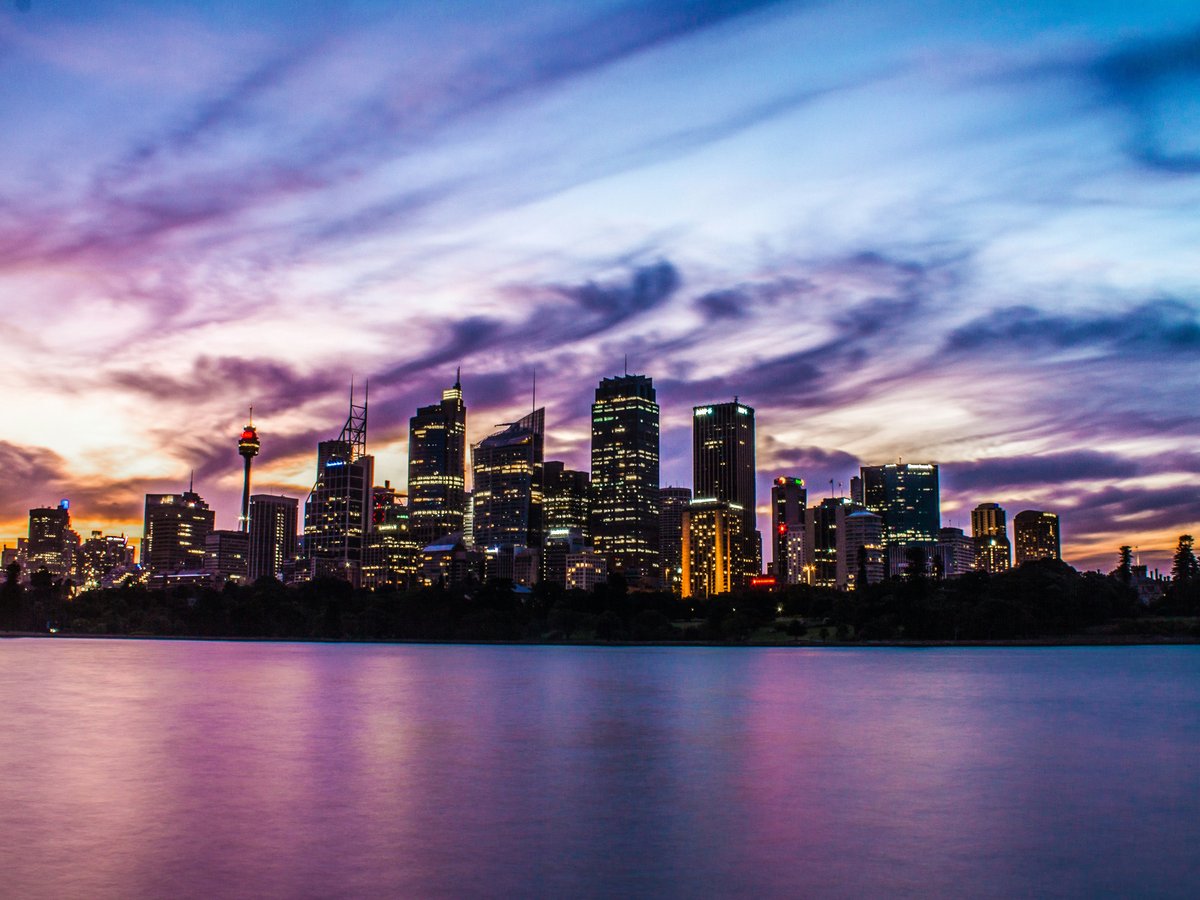
That said, Sydney doesn't really do grim winters. The sky tends to stay blue more often than grey, and when the sun is out, the light has this low, golden quality that makes the harbour look better in photographs than it does in midsummer glare. Whale watching season is well underway along the coast, restaurant kitchens shift into truffle menus and slow-braised everything, and you can walk into places like the Art Gallery of New South Wales or wander The Rocks without competing for breathing room. A clear winter morning in The Rocks (sandstone buildings, the harbour glinting behind them, barely a soul around) feels like a different city from the one you fight through in January.
The honest trade-off is straightforward: you lose beach weather, long evenings, and that buzzy summer atmosphere Sydney trades on. What you gain is a quieter, more affordable version of the city with genuinely sharp cultural offerings and some of the year's best dining. Whether that swap appeals depends entirely on what you came for.
Why visit in July
- Whale watching season is at its peak along the coastline: humpback whales migrate north past the Sydney Heads in June through August, and July tends to deliver the highest numbers of sightings from both shore lookouts and boat tours
- Hotel rates typically drop 20-30% from summer peaks, and you can score walk-in reservations at restaurants in Surry Hills and Darlinghurst that book out weeks ahead during December and January
- The winter light in Sydney is genuinely special: low-angle sun, crisp air, and the kind of golden-hour harbour views that photographers deliberately time trips around
- The Blue Mountains are at their most atmospheric in winter, with morning fog pooling in the Jamison Valley before burning off to reveal sharp, cold-air views by late morning
Worth knowing
- The sun sets by about 5:10pm, which chops your outdoor sightseeing day short and makes evening harbour walks chilly rather than pleasant; plan indoor activities for after four o'clock
- Beach swimming is effectively off the table: water temperatures hover around 17-18°C (63-64°F), and even most locals stay dry until at least September
- Some rooftop bars and outdoor dining terraces either close for the season or feel genuinely uninviting once the wind picks up after dark
- NSW school holidays run from late June into mid-July, which pushes up domestic flight prices and means family-friendly spots like Taronga Zoo get busier than you might expect for winter
Best for
Think twice if
July sits in the middle of Sydney's winter, and while it's nowhere near freezing, it runs cooler than most visitors expect. Daytime highs hover around 16.7°C (62°F), dropping to 8.3°C (47°F) overnight and in the early mornings. Humidity sits at about 72%, which tends to make the cold feel more penetrating than the numbers suggest: a damp chill that gets into your bones if you're underdressed. Expect roughly 97mm of rain spread across about nine days. The rain usually arrives in bursts rather than all-day drizzle, so a soggy morning can give way to a crisp, blue afternoon easily enough. Wind is the real wildcard. Cold fronts sweep through periodically, and when they do, the harbour breezes shift from refreshing to genuinely sharp. On calm days, though, winter Sydney in the sunshine feels mild and pleasant: you just can't count on calm days.
Year-round climate
Averages from the last 5 years.
| Month | Avg high (°C) | Avg low (°C) | Rainfall (mm) |
|---|---|---|---|
| Jan | 26 | 19 | 132 |
| Feb | 26 | 19 | 108 |
| Mar | 25 | 18 | 182 |
| Apr | 22 | 14 | 106 |
| May | 19 | 11 | 118 |
| Jun | 17 | 8 | 53 |
| Jul | 17 | 8 | 97 |
| Aug | 19 | 9 | 91 |
| Sep | 21 | 11 | 57 |
| Oct | 23 | 13 | 74 |
| Nov | 24 | 15 | 95 |
| Dec | 25 | 17 | 72 |
Best things to do in July
Whale watching from Sydney's headlands
natureHumpback whales migrate north along the NSW coast from June through August, passing close enough to Sydney's coastline that you can spot them from shore with the naked eye. Cape Solander in Kamay Botany Bay National Park and North Head at Manly are the two best free vantage points: the whales sometimes pass within a few hundred metres of the cliffs. On a good day, you'll see spouts, breaches, and tail slaps without spending a cent.
July is typically the peak of the northbound humpback migration, with the highest concentration of whale sightings along the Sydney coastlineBooking tipBoat tours operate from Circular Quay and Darling Harbour: book at least a week ahead for weekend departures, as winter boats run smaller capacities than summer
Winter dining trail through Surry Hills
foodSurry Hills is arguably Sydney's strongest dining neighbourhood, and July is when its kitchens do their most creative work. Truffle-shaved dishes, bone marrow, slow-cooked duck, spiced winter cocktails: the menus are richer, bolder, and more interesting than the lighter summer fare. Walk from Crown Street down through Bourke Street and you'll hit half a dozen places worth stopping at. The smell of wood-fired ovens and braised meat spilling onto the footpath on a cold evening is a sensory experience in itself.
Winter menus featuring Australian black truffles, slow-braised cuts, and seasonal tasting menus only appear from June through AugustBlue Mountains winter walk
outdoorsThe Blue Mountains in winter have a character that's completely different from the tourist-season version. Morning fog fills the Jamison Valley like a white lake, then slowly burns off as the sun climbs, revealing the sandstone cliffs and eucalyptus canopy in sharp, cold light. The trails (Prince Henry Cliff Walk, the National Pass, the Grand Canyon track) are quiet enough that you might walk for an hour without seeing another person. The air smells of damp eucalyptus and cold stone.
Cooler temperatures make the steep trail sections comfortable rather than punishing, fog creates dramatic valley views found only in winter, and trail crowding drops to near zero on weekdaysBooking tipTake the train from Central Station: about two hours to Katoomba. Check the weather forecast the morning of and be flexible with your day; cloud-socked lookouts show you nothing
Art Gallery of New South Wales
cultureThe AGNSW recently expanded with a new building (the North Building) that roughly doubled its exhibition space. In winter, the galleries are uncrowded enough that you can stand in front of a painting for as long as you like without anyone nudging past. The permanent collection spans Aboriginal and Torres Strait Islander art, Australian modernists, and a strong Asian art wing. The building itself, with its views over the Royal Botanic Garden and harbour, feels warmer and more intimate without summer crowds.
Summer crowds thin out dramatically, letting you experience both the new North Building and the original galleries at a walking pace that does the collection justiceBondi to Coogee coastal walk
outdoorsThis six-kilometre clifftop path might be Sydney's most famous walk, and July is arguably the best month to do it. In summer, you're sharing the narrow track with hundreds of people in the heat. In winter, the path is mostly yours. The ocean is wild and grey-green, waves smash against the sandstone, and the air tastes like salt and cold. You'll pass Tamarama's empty beach, the headland at Bronte where surfers still paddle out in wetsuits, and the Waverley Cemetery perched on the cliff edge: one of the most striking spots on the walk.
Comfortable walking temperatures of 14-17°C (57-63°F) and dramatically fewer crowds compared to summer: the track often feels almost private on weekday morningsWinter swimming at Bondi Icebergs
experienceThe Bondi Icebergs ocean pool sits right at the southern end of Bondi Beach, carved into the rocks at sea level. In winter, the pool stays open and the experience is singular: swimming in cool saltwater while waves break over the pool wall, sending spray across the surface. The water isn't heated, so it's bracing, but the Icebergs club restaurant upstairs serves wine and lunch with floor-to-ceiling views of the beach. The contrast of the cold pool and the warm restaurant is one of Sydney's more memorable pairings.
Winter is when the Icebergs Swimming Club's identity comes alive: the club was founded specifically for winter swimming, and the dramatic waves breaking over the pool wall are at their most impressive in JulyBooking tipThe pool is open to the public for a small entry fee: arrive before 10am on weekends to avoid a queue at the turnstile
Sydney Opera House performance season
cultureJuly falls in the middle of the Opera House's main performance calendar, with opera, ballet, and orchestral programs running through the winter months. The building is extraordinary from outside (everyone knows that) but sitting inside the Concert Hall or the Joan Sutherland Theatre on a cold evening, with the harbour visible through the glass foyer walls at interval, is a genuinely different experience. The acoustics in the Concert Hall after its recent renovation have been widely praised.
The winter performance season tends to feature headline productions from Opera Australia and the Sydney Symphony Orchestra, and tickets are easier to secure than during the packed summer festival programBooking tipBook tickets at least two weeks ahead for weekend performances: weeknight shows are usually available with a few days' notice
What to eat in July
In season: fruit
Blood oranges
Blood oranges come into season around July across the Australian citrus belt. The deep red flesh turns up in cocktails, salads, and desserts at bars and restaurants all over the inner west. They tend to be tarter than navel oranges, with a berry-like undertone that works particularly well in winter gin drinks.
On menus now
Sydney rock oysters
Winter is prime season for Sydney rock oysters: they're not spawning, so the flesh is firm, plump, and at its most flavourful. You'll find them shucked fresh at Sydney Fish Market in Pyrmont and on the menus of most seafood-focused restaurants across the city. The texture difference between a winter oyster and a watery summer one is night and day.
Slow-braised lamb shanks
Not unique to July, but this is when every pub worth its salt in Newtown and Balmain puts a lamb shank on the winter menu. Slow-cooked for hours, falling-off-the-bone tender, served over mash with a glass of Barossa shiraz: it's the kind of meal that makes you grateful it's cold outside. The smell of red wine and rosemary drifting out of pub kitchens is half the experience.
Hot pot
Sydney's large East Asian communities mean hot pot restaurants do serious business in winter. Chinatown in Haymarket fills up on cold evenings with groups huddled around bubbling broth pots, ordering thinly sliced lamb and handmade dumplings. The steam rising from the table, the noise, the warmth: it's the opposite of a quiet winter night.
In markets
Australian black truffles
The Australian truffle season runs from June through August, with July right in the sweet spot. Most come from Manjimuk in Western Australia and the Tasmanian highlands, but Sydney restaurants (particularly around Surry Hills and the CBD) build entire degustation menus around them. Shaved over handmade pasta or folded into scrambled eggs, the earthy, almost mushroomy aroma is hard to forget.
Regular events in July
NAIDOC WeekFree
A national week of celebration recognising the history, culture, and achievements of Aboriginal and Torres Strait Islander peoples. In Sydney, events pop up across the city: talks, art exhibitions, film screenings, performances, and community gatherings at venues including Barangaroo, the Australian Museum, and various community centres across the inner west and western suburbs. The program changes each year around an annual theme, and many events are free and open to everyone.
First full week of July (typically 7-14 July)Yulefest in the Blue Mountains
A distinctly Australian tradition that started in the 1980s when Irish visitors to the Blue Mountains wanted a proper cold-weather Christmas. Restaurants and guesthouses across Katoomba, Leura, and Blackheath offer full Christmas dinners throughout July (roast turkey, pudding, crackers, the lot) beside log fires in stone-walled dining rooms. It sounds kitschy, but there's something genuinely warm about tucking into a roast dinner in the mountain cold while it's winter outside, unlike the sweaty December version Australians usually endure.
Throughout July, with peak bookings on weekendsBastille Day celebrations
Sydney's French community and various French restaurants mark July 14 with special menus, wine tastings, live music, and cultural events. Alliance Française de Sydney typically hosts events, and French-leaning restaurants in the CBD, Surry Hills, and the eastern suburbs run prix fixe Bastille Day dinners. It's low-key compared to the festivities in France, but the food tends to be genuinely good and the atmosphere is convivial.
July 14 and the surrounding weekendBest places this July
The Rocks
neighbourhoodSydney's oldest neighbourhood is at its most atmospheric in winter. The narrow sandstone lanes, heritage pubs, and weekend markets feel intimate without summer tourist density. On a clear winter morning, the light hits the sandstone and the Harbour Bridge looms overhead, and the whole precinct has a quiet weight to it that disappears in the summer rush. The pubs are genuinely cosy (stone walls, fireplaces in some, dark wood) and they pour local craft beers that pair well with a cold afternoon.
The RocksRoyal Botanic Garden
parkThe gardens sit right on the harbour and are free to enter year-round. In July, the camellias tend to be in bloom, the lawns are green from winter rain, and the paths are nearly empty on weekday mornings. The harbour views from Mrs Macquaries Chair (the eastern tip of the gardens) are arguably better in winter light than summer. The air smells of damp earth and eucalyptus, and you can hear the birds clearly without the summer crowd noise drowning them out.
CBDSydney Fish Market
marketThe southern hemisphere's largest fish market is worth a visit any time of year, but winter is when Sydney rock oysters are at their peak: firm, briny, and plump. The market sits on Blackwattle Bay in Pyrmont, and the new redeveloped building has improved the seating and the overall experience. Grab a dozen oysters and a glass of semillon at one of the seafood bars, watch the fishing boats, and try not to think about how much you'd pay for the same plate in a restaurant.
PyrmontNewtown and King Street
neighbourhoodNewtown's main strip, King Street, is one of Sydney's best walking streets for eating, drinking, and browsing. In July, the vintage shops, bookstores, and record stores make for solid cold-weather browsing, and the pub and café culture here is year-round. The Thai, Vietnamese, and Indian restaurants along the strip are particularly appealing in winter: the kind of steaming, aromatic food that warms you from the inside. The neighbourhood has a scruffier, more lived-in energy than the polished eastern suburbs.
NewtownBarangaroo Reserve
parkThis reclaimed headland park on the western harbour foreshore is a good spot for a brisk winter walk with harbour views. The native plantings (sandstone, banksia, she-oaks) give it a different feel from the manicured Royal Botanic Garden. On a clear winter afternoon, the sun sits low over Balmain across the water and the light is warm despite the cold air. The harbourside restaurants along the Barangaroo waterfront promenade serve winter menus that make the most of the location.
BarangarooQueen Victoria Building
shoppingIf the cold or rain drives you indoors, the QVB on George Street is one of the more interesting ways to spend an hour. The Romanesque revival architecture (stained glass, mosaic floors, the central dome) is worth seeing even if you're not shopping. In winter, the interior warmth and the golden light through the glass feel like a refuge. The basement level has a decent food court for a budget lunch, and the upper floors house some of the city's more interesting independent retailers.
CBDManly and North Head
coastalTake the ferry from Circular Quay to Manly: the thirty-minute harbour crossing is one of Sydney's best-value experiences in any season, and on a clear winter day the views are exceptional. Manly itself is quieter in July but far from dead: the cafés along the Corso stay busy, and the walk up to North Head offers some of the best whale watching vantage points on the coast. The headland trail runs through scrubby coastal heath with views north to Palm Beach and south to the city skyline. Wrap up warm, because the wind at the top is relentless.
Manly
Your packing checklist
Tick items off as you pack. Your progress saves in this browser.
All packed — have a great trip.
Insider tips
Head to North Head at Manly for whale spotting instead of paying for a boat tour: it's free, the whales often pass within a few hundred metres of the cliff, and you can stay as long as you like. Bring binoculars if you have them, but on good days you can see breaches and spouts with the naked eye. The dedicated whale watching platform has interpretive signage so you know what you're looking at.
The winter menus at restaurants across Surry Hills and Chippendale represent some of the most creative cooking in the city all year. Chefs use the quieter season to experiment (truffle degustation menus, unusual braised cuts, fermentation-forward dishes) and the prices are often more reasonable than the same restaurants charge in peak summer. Ask for the seasonal tasting menu if one exists.
Wednesday evenings at the Art Gallery of New South Wales often feature extended hours with talks, live music, and a bar in the foyer space. It's become something of a local winter ritual: a warm, free, culturally engaged way to spend a cold evening that most tourists don't know about.
The Manly ferry from Circular Quay is effectively a harbour cruise that costs the price of a public transport fare. On a clear winter afternoon, sit on the right-hand side heading to Manly for views of the Opera House and Harbour Bridge as you pull away. The return trip at sunset (the sky turning pink behind the bridge) is worth timing deliberately.
If you're heading to the Blue Mountains for a day trip, check the Bureau of Meteorology forecast for Katoomba specifically, not Sydney. The mountains sit at around 1,000 metres elevation and temperatures run 5-8°C colder than the city. A pleasant 16°C day in Sydney can mean 8°C and fog in Katoomba, which is either disappointing or magical depending on whether you planned for it.
Avoid these mistakes
- Packing for Australian stereotypes instead of actual July conditions: arriving in shorts and flip-flops when you genuinely need a warm jacket, scarf, and closed shoes, especially after dark. Sydney's winter is mild by global standards, but 8°C with harbour wind at 6pm is properly cold if you're underdressed.
- Planning a full day of outdoor sightseeing without accounting for the early sunset: the afternoon disappears fast when the sun drops below the horizon before 5:15pm. Outdoor attractions tend to close 30 minutes earlier in winter, and you can easily lose your last hour of good light if you haven't budgeted for it.
- Booking a Blue Mountains day trip without checking the mountain forecast: the lookouts at Echo Point and Govetts Leap get completely socked in with cloud on overcast days, and you'll see nothing but white. Flex your schedule so you can go on a forecast clear day, even if it means rearranging your plans.
- Assuming the beaches are dead and skipping the coast entirely: Manly in particular still has open cafés, coastal walks, and winter surfers in the water. Bondi Icebergs pool is open and arguably at its most interesting in winter. The beach experience is different, not absent.
Practical tips for July
Book whale watching boat tours at least a week ahead for weekend departures: operators run smaller boats in winter and fill up faster than you'd expect. Most museums and major galleries keep regular hours year-round, though some outdoor attractions like wildlife parks close 30 minutes earlier in winter, typically at 4:30pm. Restaurant reservations across Surry Hills, Darlinghurst, and Newtown are noticeably easier to score than in summer, but weekend dinner at popular spots still benefits from booking a day or two out. The Opal card works across all Sydney public transport (trains, buses, ferries, light rail) with a daily cap that means you won't overpay even if you're hopping on and off all day. If you're heading to the Blue Mountains, trains from Central Station take about two hours to Katoomba and run frequently, but the last return service leaves around 9pm so plan your evening accordingly. The Manly ferry runs until late evening and is included on the Opal card: it's the best-value harbour experience in the city.
FAQ
Is July a good time to visit Sydney?
It depends what you're after. July is Sydney's winter: cooler weather, shorter days, and no beach swimming to speak of. But it's also when you get the city at its quietest and most affordable, with whale watching season in full swing, truffle-driven restaurant menus, and cultural attractions you can enjoy without crowds. If your ideal trip centres on the beach and outdoor dining, wait until October or November. If you're drawn to food, culture, and coastal walks in crisp weather, July is a genuinely solid choice, just set your expectations for winter conditions.
What is the weather like in Sydney in July?
Expect daytime highs around 16.7°C (62°F) and overnight lows near 8.3°C (47°F). You'll likely see rain on about 9 days across the month, totalling roughly 97mm: the showers usually come in bursts rather than all-day drizzle. Humidity sits at around 72%. The biggest factor people underestimate is the wind: cold fronts push through periodically and the harbour breeze can make 16°C feel considerably colder. That said, clear winter days in Sydney are genuinely beautiful: blue sky, sharp light, and comfortable enough for walking in a decent jacket.
Can you swim at Bondi Beach in July?
You can, but most people won't want to. Ocean temperatures sit around 17-18°C (63-64°F), which is cold enough that even many locals stay out of the water until spring. That said, you'll see winter surfers in wetsuits at Bondi and Manly most mornings, and the Bondi Icebergs ocean pool stays open year-round for anyone willing to brave the cool water. If you do swim, a wetsuit is strongly recommended. The coastal walk from Bondi to Coogee, though, is arguably better in winter than summer: comfortable temperatures and far fewer people on the path.
Is Sydney crowded in July?
Noticeably less crowded than the November-February peak. International tourism drops significantly in winter, and while NSW school holidays (late June to mid-July) bring domestic families to attractions like Taronga Zoo and the aquarium, the overall feeling across the city is quieter. Restaurants that need bookings weeks ahead in summer are often available with a day or two's notice. The Opera House forecourt, the Harbour Bridge walkways, and the Bondi to Coogee path all feel spaciously uncrowded compared to their summer versions.
What should I wear in Sydney in July?
Layers are the key. Start with a long-sleeve base layer, add a wool or fleece mid-layer, and carry a windproof jacket: the harbour wind is the thing that catches people out more than the raw temperature. Closed-toe shoes are essential, preferably waterproof or at least water-resistant for the occasional rain. Pack a scarf for evenings and a beanie if you're planning early-morning whale watching from the headlands. On clear, calm days you might shed the outer layer by midday, but mornings and evenings consistently need warm clothing.
Things to Do in Sydney in July
 Free cancellation
 Blue Mountain Small Group Tour All Inclusive
Day trip: 10 hours, free cancellation.
via Viator Free cancellation
 Blue Mountains Day Trip from Sydney Including Scenic World
Day trip: 10 hours, free cancellation.
via Viator Free cancellation
 Blue Mountains Day Tour Including Parramatta River Cruise
Day trip: 10 hours, free cancellation.
via Viator Free cancellation
 Sydney Whale-Watching Cruise Including Lunch or Breakfast
Cruise: 4 hours, free cancellation.
via Viator Free cancellation
 Sydney Harbour Sightseeing Cruise Morning or Afternoon Departure
Cruise: 1.5 hours, free cancellation.
via Viator Free cancellation
 Small Group: Blue Mountains with Zoo, Koala Photo & Scenic World
Day trip: 10.8 hours, free cancellation.
via ViatorFind a flight to Sydney
Live fares to Sydney appear here once cookies are accepted.
Last verified by automated review (v1.7.2) on . What is automated review?