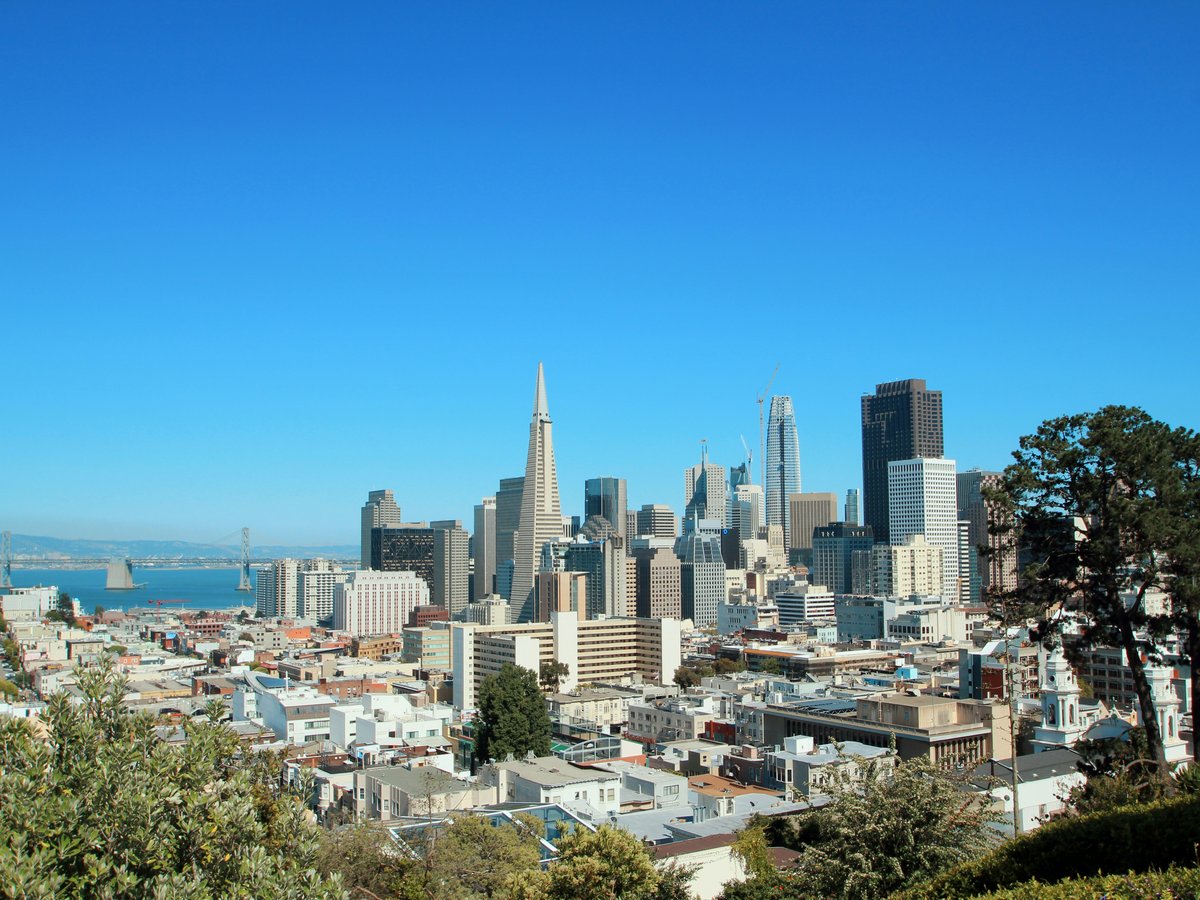
What should I pack for San Francisco?
Layers are the single non-negotiable for San Francisco. June fog keeps temperatures around 12-15°C at Ocean Beach while the Mission District hits 20°C the same afternoon. Pack a windproof shell, fleece mid-layer, and walking shoes with grip for the steep hills. Leave the shorts at home until September.
Shop the packing list (14 items)San Francisco's weather will trick you if you pack based on "California." The city sits on a peninsula where Pacific fog pours through the Golden Gate strait most mornings from June through August. Step off BART at Embarcadero station and the damp cold hits your face immediately. Temperatures hover around 12-15°C in the fog belt. That same afternoon, the Mission District might reach 21°C under clear sky. Pack three layers minimum. A wind-resistant shell is the single most important item you'll carry. Under it, a fleece or merino mid-layer for west side neighborhoods like the Sunset and Richmond. Underneath, a long-sleeve base that works alone when sun breaks through in SoMa around 2 PM. Cotton is a poor choice. The fog is wet enough to leave a film on your skin during the 1-km walk from Fort Point to the Golden Gate Bridge vista point. Synthetics or merino dry in an hour. Cotton stays clammy all day.
Footwear matters more in San Francisco than in most American cities. Filbert Street between Hyde and Leavenworth tilts at a 31.5% grade. Even the walk from Union Square up to Coit Tower in North Beach involves 90 meters of elevation gain over 1.6 km. Flat sneakers with no grip will slide on the smooth concrete sidewalks when fog makes them slick. Bring shoes with actual tread and ankle support. Forget sandals for the first 3 days. Alcatraz Island's cell house tour covers about 2 km of uphill concrete paths in steady wind, and the return ferry leaves whether your feet are wrecked or not. If you plan to walk Golden Gate Park end to end, that is 5 km on flat ground, but the trails through the botanical garden get muddy after overnight fog.
Skip packing an umbrella for a summer visit. San Francisco's rain falls mainly November through March, and the summer fog is not rain. It is a horizontal mist that makes umbrellas useless. Wind at the Golden Gate Bridge will invert a cheap one in about 4 seconds flat. What you need is a packable rain jacket with a hood. To be fair, the city's Walgreens stores on nearly every third block carry most toiletries at roughly the same prices you'd find at home. Sunscreen at the Walgreens on Powell and Market runs $9-12 for SPF 50. You will need it on clear days. The fog burns off by noon on maybe 40% of summer days, and UV at this latitude is strong enough to redden fair skin in 25 minutes. Bring your own prescription medications, though. US pharmacies require a local prescription for many items Europeans buy over the counter.
September and October are San Francisco's actual warm months, when temperatures reach 22-26°C and Dolores Park in the Mission fills with locals in t-shirts. If you visit then, swap the fleece for a light cardigan and add sunglasses you won't mind losing. November through March, pack proper rain gear. The city receives about 500 mm of rainfall across those 5 months, and the wind makes a hood non-negotiable. January nights average 8°C, cold enough for a proper winter jacket if you plan to eat outdoors in North Beach, where restaurants line Columbus Avenue with heat lamps that don't quite reach every table. One year-round item people forget is a portable charger. Navigate from the Haight through the Castro to the Mission on Google Maps and your phone battery hits 15% by 3 PM.
Essentials
- Windproof shell jacket with hood (non-negotiable, even in July) Shop
- Fleece or merino wool mid-layer Shop
- 2-3 long-sleeve base layers in synthetic or merino (not cotton) Shop
- Walking shoes with rubber tread and ankle support for 31% grade hills Shop
- Long pants for every day (temperatures rarely call for shorts June through August) Shop
- Portable phone charger, 10,000 mAh minimum Shop
- Reusable water bottle (San Francisco tap water comes from Hetch Hetchy reservoir, clean and cold) Shop
- Daypack with zippered compartments (pickpockets work the Powell Street cable car turnaround) Shop
- Sunscreen SPF 50+ (UV breaks through fog faster than you would expect) Shop
- Light scarf or neck buff for wind at Ocean Beach and the Golden Gate Bridge walkway Shop
Seasonal extras
- September-October: sunglasses, one pair of shorts for Mission District afternoons at 22-26°C, lighter cotton layers Shop
- November-March: waterproof rain jacket rated for sustained rain, waterproof shoes or Gore-Tex trail shoes, compact umbrella (useful in winter unlike summer fog) Shop
- June-August: warm beanie for evening fog walks at Lands End, second fleece layer if you plan sunset at Baker Beach where it drops to 10°C by 8 PM Shop
- December-January: proper winter coat for evenings, thin gloves for early morning at Fisherman's Wharf where wind chill sits around 4-6°C Shop
Buy on arrival
- Sunscreen at Walgreens on Powell and Market ($9-12 for SPF 50)
- Cheap fleece at Old Navy, 801 Market Street ($15-25 if you underestimated the cold)
- SF Muni visitor passport at BART station kiosks ($24 for 3 days of unlimited bus, metro, and cable car)
- Hand warmers at any CVS or Walgreens ($3-5 per pack, useful for the Alcatraz ferry in wind)
- Lip balm with SPF at any drugstore ($3-4, the dry wind and fog combination chaps lips fast)
- Reusable shopping bag (California charges $0.10 per bag at grocery and convenience stores under SB 270)
Last verified by automated review (v1.7.2) on . What is automated review?