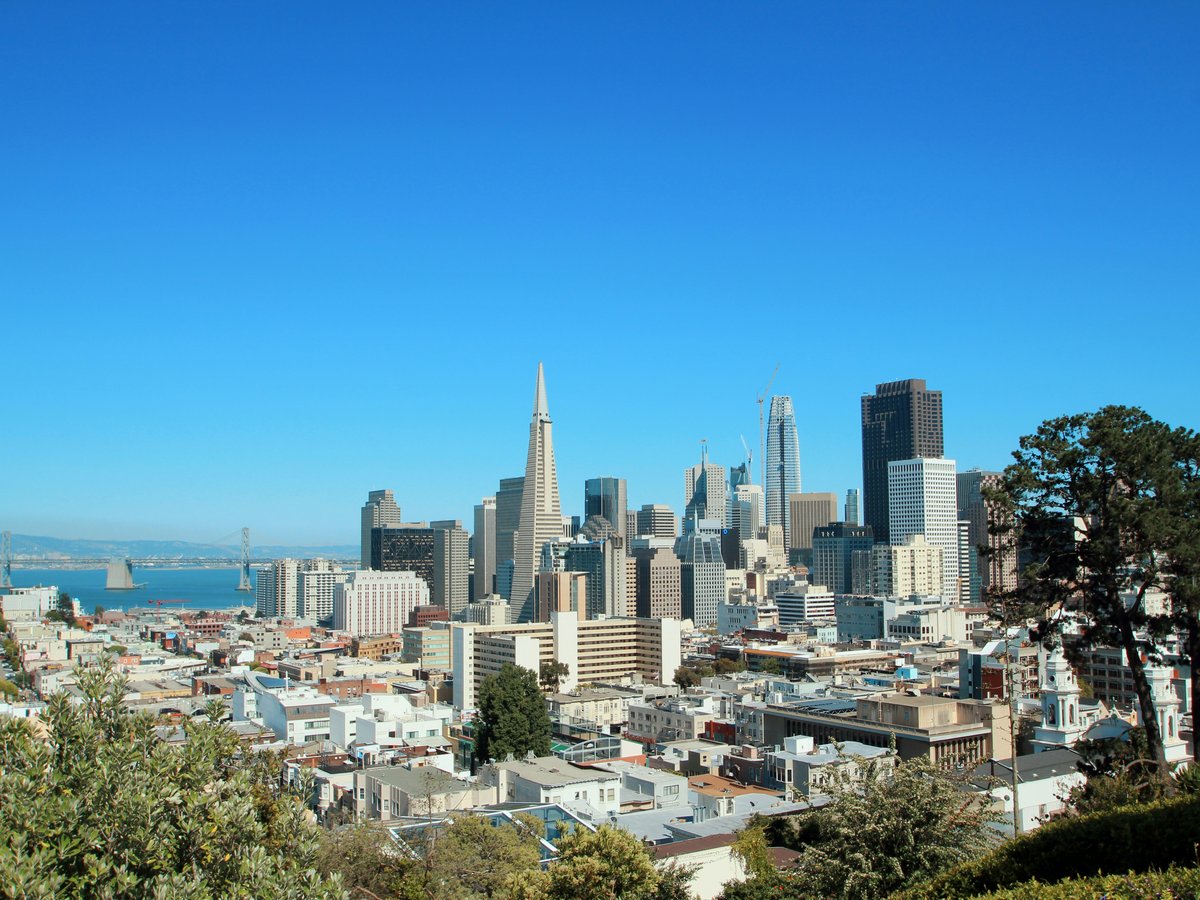
San Francisco has always been a city where independent retail holds its ground. The locally owned bookstore, the single-origin roaster, the ceramicist selling from a converted garage in the Outer Sunset. These still define the shopping culture here more than any chain or mall. The city produces and imports distinctive goods, from Tartine bread to Heath Ceramics tiles, and it tends to reward the shopper who wanders off the obvious paths. Chinatown's Grant Avenue is the oldest in North America, established in the 1850s. The Mission District's Valencia Street has shifted from hardware stores to design shops over the past 15 years. Union Square still anchors the luxury tier. What ties it all together is a preference for the local and the craft-made. San Francisco shoppers will pay more for something produced within 50 miles, and retailers know it. You'll notice fewer big-box stores here than in most American cities of 800,000 people. The real finds tend to be food, ceramics, printed goods, and vintage clothing.
Shopping districts
-
Union Square
luxuryThe traditional luxury core of San Francisco sits between Geary, Powell, Post, and Stockton streets. Saks Fifth Avenue, Neiman Marcus, and Gump's (open since 1861) anchor the area. The Westfield San Francisco Centre mall connects to the Powell Street BART station. This is where international visitors tend to start. The department stores carry the usual global brands, but Gump's remains a genuinely local institution for home goods and jewelry. Foot traffic dropped after 2020 and some storefronts still sit empty. That said, the core luxury shops remain, and the area is still walkable and well-served by the Powell-Mason cable car line.
Best for: Designer fashion, international brands, department store shopping
-
Valencia Street, Mission District
mid-rangeValencia between 16th and 24th streets has become San Francisco's independent retail corridor. You'll find bookstores like Dog Eared Books, vintage clothing shops, small-batch chocolate at Dandelion Chocolate's factory on Valencia, and record stores. The street still has some of its older Latino businesses mixed in with the newer arrivals. Foot traffic peaks on weekends. The smell of fresh tortillas from nearby 24th Street taquerias drifts over if the wind is right. Rent pressure has pushed some shops out over the past 5 years, but the street remains one of the densest concentrations of indie retail in the Bay Area.
Best for: Independent bookstores, vintage clothing, artisan chocolate, local design
-
Hayes Valley
mid-range to highHayes Street between Laguna and Franklin is a compact 3-block stretch that punches above its weight. Patricia's Green, the small park at the center, hosts rotating public art. The shops lean toward California-designed clothing, home goods, and beauty products. Rare Device sells curated gifts and stationery. The neighborhood rebuilt itself after the 1989 Loma Prieta earthquake brought down the Central Freeway that once shadowed it. Storefronts are small. Rents are high. The result is a tightly edited mix of local and emerging designers. Weekend afternoons get crowded, especially when weather hits the mid-60s.
Best for: California-designed clothing, curated gifts, home goods
-
Chinatown, Grant Avenue
budget to mid-rangeGrant Avenue from Bush to Broadway is the main commercial artery of the oldest Chinatown in North America. The shops sell tea, dried goods, silk, ceramics, and herbal medicine. You'll hear Cantonese and Mandarin on every block. The produce markets on Stockton Street, one block west, are where Chinatown residents shop for groceries. Whole fish on ice, stacked crates of bok choy, dried mushrooms sold by the pound. The tourist shops on Grant carry the expected souvenirs, but the tea merchants and herbalists deeper in the neighborhood have been run by the same families for decades. Prices are low by San Francisco standards.
Best for: Tea, dried goods, silk, herbal remedies, produce, ceramics
-
Haight Street, Upper Haight
budget to mid-rangeHaight Street between Masonic and Stanyan still trades on the 1967 Summer of Love association, and honestly, some of the shops lean into that a bit too hard. But the vintage clothing stores are legitimately good. Amoeba Music on Haight fills a former bowling alley with vinyl, CDs, and ephemera. Piedmont Boutique has sold outrageous costumes and platform shoes since 1972. The street has a secondhand and counterculture personality that feels less curated than Valencia, rougher around the edges. Incense and patchouli linger in the air near the head shops. You might find a solid 1970s leather jacket for a fraction of what you'd pay in a boutique, if you dig through the racks.
Best for: Vintage clothing, vinyl records, counterculture ephemera, costume pieces
-
Fillmore Street, Pacific Heights
mid-range to highFillmore between Jackson and Bush runs through one of the city's wealthiest neighborhoods. The shops here reflect that. Boutique clothing, high-end consignment at places like Crossroads Trading, upscale home furnishings, and beauty stores. The pace is slower than Union Square and the crowds thinner. You're shopping alongside Pacific Heights residents, not tourists. The street has good cafes for breaks. On clear days, you can see across to the Marin Headlands from the cross streets. Price points sit between mid-range and high, depending on which block you're on.
Best for: Boutique clothing, high-end consignment, home furnishings
-
Polk Street, Russian Hill to Nob Hill
mid-rangePolk Street between Broadway and Post has a quieter personality than Valencia or Haight. Small antique shops, a few vintage clothing stores, wine bars, and neighborhood restaurants line both sides. The stretch between Green and Union tends to have the best browsing. It's less destination-shopping and more the kind of street where you stop into places as you walk. Locals still do their everyday errands here, picking up dry cleaning between the boutiques. The area gets foggy and cool in summer afternoons, so bring a layer.
Best for: Antiques, casual browsing, wine, neighborhood boutiques
Markets
-
Ferry Building Marketplace
food and artisanThe 1898 Ferry Building on the Embarcadero waterfront houses permanent food vendors inside and hosts a farmers market outside. The Saturday morning market, running since 1993 under the CUESA nonprofit, draws 10,000 to 25,000 visitors weekly. Cowgirl Creamery sells its Mt. Tam triple-cream cheese here. Hog Island Oyster Co. shucks Tomales Bay oysters to order. Rancho Gordo sells heirloom beans grown in Napa. The Tuesday and Thursday markets are smaller and less crowded. The indoor hall is open daily. You'll smell roasting coffee and sourdough as you walk through.
Saturday farmers market year-round, 8am to 2pm. Tuesday and Thursday markets 10am to 2pm. Indoor hall open daily.
-
Alemany Farmers' Market
farmers marketAlemany Boulevard in Bernal Heights hosts San Francisco's oldest farmers market, operating since 1943. This is where locals who cook shop for produce. Prices tend to run 20 to 40 percent lower than the Ferry Building. The stalls sell Central Valley stone fruit in summer, Asian greens year-round, and honey from Bay Area hives. The crowd is largely neighborhood regulars. You won't find the artisan cheese vendors or craft pastry stands here. It's utilitarian, and the produce quality is consistently strong. Parking is easier than at the Ferry Building, and the pace feels unhurried.
Saturdays, year-round, 6am to approximately 3pm. Arrive early for the best selection.
-
Treasure Island Flea
flea and artisanTreasure Island, the artificial island built for the 1939 Golden Gate International Exposition, hosts a monthly flea market with roughly 400 vendors. The mix leans toward vintage furniture, handmade jewelry, local clothing designers, and antiques. Food trucks line the perimeter. The San Francisco skyline view from the island is one of the best in the Bay Area. Wind picks up in the afternoon, so layers help. The market has operated since 2011 and typically runs the last weekend of each month, though the schedule shifts occasionally.
Last full weekend of each month, typically 10am to 4pm. Check the schedule online before visiting, as dates shift seasonally.
-
Clement Street, Inner Richmond
street market and neighborhood shopsClement Street between 2nd and 12th avenues functions as an informal daily market. The stretch has Chinese bakeries, Russian delis, Korean grocery stores, and produce stands spilling onto the sidewalk. Green Apple Books, one of the city's best used bookstores, sits on Clement at 6th Avenue. The neighborhood has some of the most affordable prepared food in San Francisco. It feels like a neighborhood that hasn't been fully discovered by the wider city, even though it's been this way for decades. The fog rolls in from Ocean Beach most summer afternoons, keeping the temperature cool.
Daily. Individual shop hours vary, but most open by 10am. Weekends are busiest.
Souvenirs worth bringing home
The best souvenirs from San Francisco tend to be consumables. Tartine Bakery's country loaf or morning bun from the Manufactory on Alabama Street travel well if you're heading home the same day. Heath Ceramics, made in Sausalito since 1948, sells seconds at a discount from its Ferry Building shop. Dandelion Chocolate produces single-origin bars at its Valencia Street factory. For printed goods, City Lights Bookstore in North Beach has been a literary landmark since 1953 and carries its own imprint. Fog City News on Market Street stocks a deep selection of international chocolates and magazines. Chinese tea from the Chinatown merchants makes a lightweight, packable gift. Local roasters like Sightglass, Ritual, and Four Barrel sell whole beans. Avoid the Fisherman's Wharf souvenir shops unless you specifically want a cable car magnet. The goods with real character come from the neighborhoods listed above.
Practical tips
- Sales tax
- California charges a combined state and local sales tax. In San Francisco, the total rate currently sits at 8.625 percent, applied to most retail purchases. Clothing is not exempt, unlike in some other states. There is no tourist tax refund program in the United States, so the price you pay at the register is final.
- Store hours
- Most San Francisco shops open between 10am and 11am and close by 6pm or 7pm. Smaller independent stores in neighborhoods like Valencia and Hayes Valley might keep shorter weekday hours and extend on weekends. The Ferry Building indoor hall is open daily from 7am to 7pm on weekdays, with slightly shorter weekend hours. Chinatown shops often open earlier, around 9am, and some stay open until 9pm.
- Payment methods
- Credit and debit cards are accepted nearly everywhere in San Francisco. Many smaller shops and market vendors have gone cashless entirely. Apple Pay and contactless payment are widely accepted. That said, a few Chinatown merchants and some Alemany Farmers' Market vendors still prefer cash, so carrying a small amount is worth it for those areas.
- Bags and packaging
- San Francisco banned single-use plastic bags in 2007, one of the first U.S. cities to do so. Stores charge a small fee for paper bags. Bring a reusable bag. Most shops provide minimal packaging, reflecting the city's general environmental stance.
- Getting between shopping districts
- The Muni Metro and bus system connects most shopping areas. The F-Market historic streetcar line runs from the Castro through the Ferry Building. The Powell-Mason cable car reaches Union Square. Valencia Street is walkable from the 16th Street BART station. Hayes Valley sits a 10-minute walk from Civic Center BART. Lyft and Uber are widely available but traffic in SoMa and downtown can be slow during weekday afternoons.
FAQ
What are the best neighborhoods for shopping in San Francisco?
Valencia Street in the Mission District is likely the strongest corridor for independent retail. Hayes Valley offers a compact, well-edited 3-block stretch of California-designed goods. Union Square remains the luxury center. Chinatown's Grant Avenue and Stockton Street are best for tea, produce, and traditional goods. The Haight has the city's deepest vintage clothing selection. Each neighborhood has a distinct personality, so the best fit depends on what you're looking for.
Is bargaining or haggling common in San Francisco shops?
Fixed prices are the norm in nearly all San Francisco retail. You won't typically negotiate at boutiques, department stores, or most market stalls. The exception might be some flea market vendors at Treasure Island Flea, where mild negotiation on vintage or secondhand goods is sometimes expected. At the farmers markets, prices are generally fixed. Chinatown tea merchants occasionally offer a modest discount on larger purchases, but it's not a given.
Are shops in San Francisco open on Sundays?
Most shops in the main shopping districts open on Sundays, often with slightly reduced hours. Union Square stores and the Ferry Building indoor hall keep Sunday hours. Valencia Street and Hayes Valley shops are generally open, as weekends are their busiest period. Some smaller owner-operated shops in quieter neighborhoods like Polk Street may close on Sundays or Mondays. The Saturday Ferry Building farmers market does not run on Sundays, but the Tuesday and Thursday markets cover midweek.
Where can I find locally made goods in San Francisco?
The Ferry Building houses several local producers, including Cowgirl Creamery from Point Reyes, Recchiuti Confections, and Acme Bread. Heath Ceramics sells from both the Ferry Building and its Sausalito factory showroom. Dandelion Chocolate on Valencia Street makes single-origin chocolate bars on-site. Hayes Valley shops tend to stock California-designed and locally produced clothing and home goods. The Treasure Island Flea features local makers and designers monthly.
What should I avoid buying at Fisherman's Wharf?
Fisherman's Wharf souvenir shops sell mass-produced goods that are rarely made in San Francisco or even in California. The cable car figurines, Golden Gate Bridge snow globes, and printed t-shirts are generic imports. If you want something genuinely connected to the city, shop in the neighborhoods instead. Ghirardelli Square at the Wharf does sell Ghirardelli chocolate, which has legitimate San Francisco history dating to 1852, so that's a reasonable exception.
Last verified by automated review (v1.7.2) on . What is automated review?