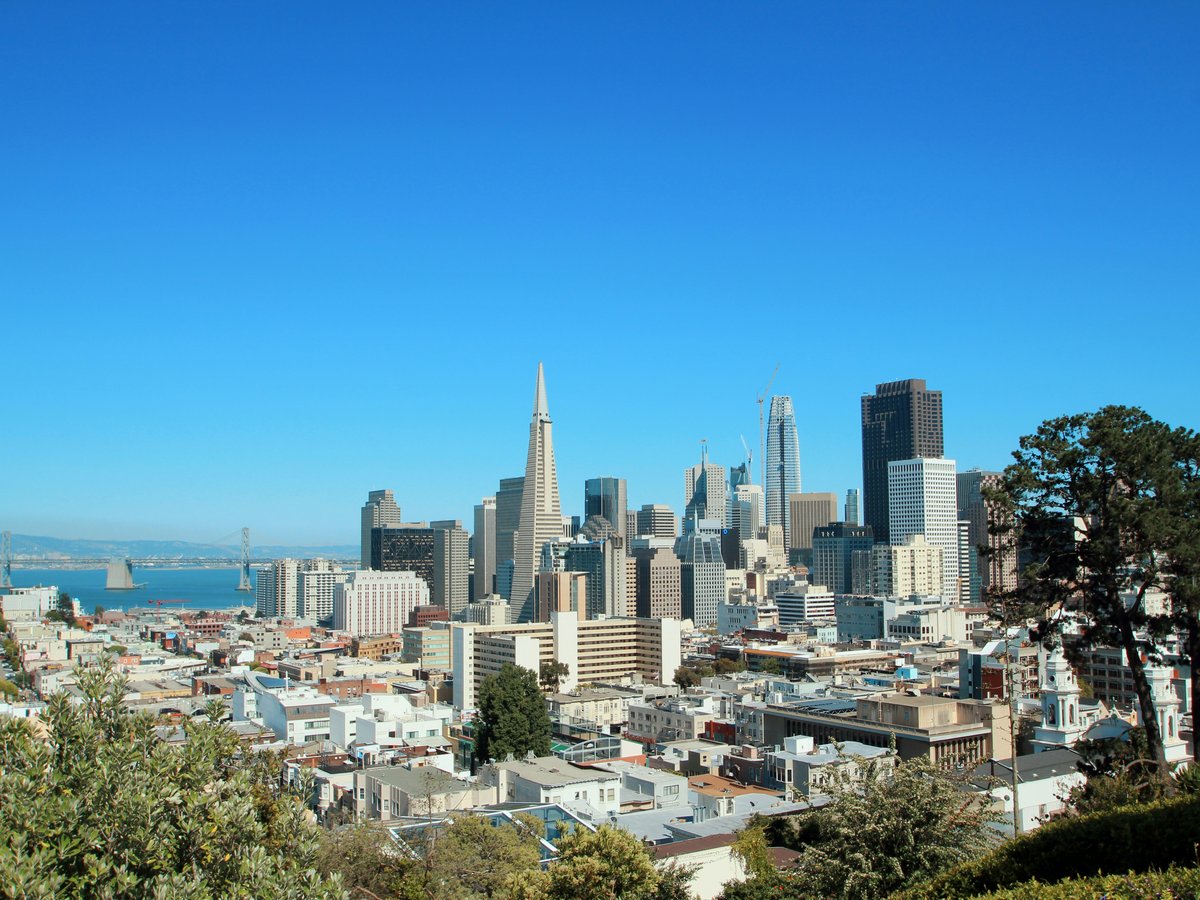
12 packing essentials every San Francisco visitor brings in 2026
A windproof layering jacket tops the list because San Francisco's microclimates can swing 15°F between the Mission District and Ocean Beach in a single afternoon. The tie-breaker over generic rain gear is wind resistance. Karl the Fog pushes 20-25 mph gusts through the Golden Gate gap most summer mornings, and a shell that blocks wind matters more here than waterproofing.
San Francisco's weather tends to confuse first-time visitors who land at SFO expecting California sunshine. The city logged 66 foggy days in 2024 according to the National Weather Service, and summer temperatures along the Embarcadero average a cool 62°F while the Mission District, sheltered behind Twin Peaks, might sit at a dry 75°F the same afternoon. We scored each item on three weighted axes. Destination-specific usefulness counts for 50% of the weight, and a windproof layer ranks higher than sunscreen because you'll need it 9 months out of 12. Quality per dollar carries 30%, since buying a replacement hoodie at a Fisherman's Wharf gift shop will run $60-80 for something worth $25 online. Frequency of regret if missing rounds out the remaining 20%. Traveller threads on r/AskSF consistently flag forgotten layers and wrong footwear as the top two packing regrets.
The most common mistake is packing for 'California' rather than San Francisco specifically. People arrive in flip-flops and tank tops, then feel the cold salt air hit their arms at Pier 39 and spend $80 on an overpriced sweatshirt. The second mistake is bringing one heavy coat instead of 3-4 light layers. The N-Judah streetcar runs from the foggy Sunset District to the Castro, and you might peel off two layers in those 15 minutes as the temperature climbs. Third, visitors skip sun protection because the fog looks like overcast sky. UV still penetrates that marine layer. The exposed 1.7-mile walk across the Golden Gate Bridge offers zero shade, and the UV index reaches 6-7 even on gray June days. Worth noting, too, that BART's underground stations between Civic Center and 16th Street Mission run warm year-round, so wearing too many layers on the train gets sticky fast.
The windproof layering jacket is not the right top pick for everyone. If you're visiting San Francisco in September or October, the city's warmest stretch, you'll likely spend most daylight hours comfortable in a light long-sleeve shirt. The warm pavement and dry air of Indian summer in Dolores Park can reach 80°F, and a wind shell might sit unused in your bag all day. Visitors who plan to stay in the sheltered neighborhoods east of Twin Peaks, like Nob Hill, North Beach, or the Financial District, face less wind than anyone walking Ocean Beach or the Presidio coastal trails. For those itineraries, grippy walking shoes arguably matter more. The 31.5% grade on Filbert Street near Telegraph Hill will test your soles and ankles far more than any breeze. That said, if your plans include even one trip to Lands End or Crissy Field, pack the jacket. Evening wind at Sutro Baths drops the feels-like temperature below 50°F in July.
The full list
-
Windproof packable shell jacket
Karl the Fog pushes 20-25 mph gusts through the Golden Gate gap most summer mornings. A shell under 200g stops the chill at Lands End and Crissy Field, then stuffs into a daypack for warm afternoons in the Mission. More useful here than rain gear 10 months of the year.
Shop Windproof packable shell jacket -
Broken-in grippy walking shoes
San Francisco has 48 named hills. The grade on Filbert Street near Telegraph Hill reaches 31.5%, and the 16th Avenue mosaic steps in the Sunset get slippery from fog drip. Bring rubber-lugged shoes you've already walked 20+ miles in.
Shop Broken-in grippy walking shoes -
Warm fleece or merino mid-layer
Evening temperatures at Ocean Beach drop to 52-55°F even in July. A 200-weight fleece under your shell creates a layering system warm enough for sunset walks to Sutro Baths or outdoor dining at Park Chalet in Golden Gate Park.
Shop Warm fleece or merino mid-layer -
SPF 50+ broad-spectrum sunscreen
UV index at the Golden Gate Bridge walkway reaches 6-7 on overcast June days, and the 1.7-mile exposed crossing offers zero shade. The marine layer tricks visitors into skipping sunscreen. Pack a travel-size tube of at least SPF 50.
Shop SPF 50+ broad-spectrum sunscreen -
Small packable daypack (15-20L)
Handles the layer math. You'll shed your fleece in Dolores Park at 2pm and add it back crossing the Presidio at 5pm. Also carries water on the Lands End trail, which has no vendors along its 3.4-mile coastal path.
Shop Small packable daypack (15-20L) -
Reusable water bottle (600ml+)
San Francisco tap water comes from the Hetch Hetchy reservoir in Yosemite and ranks among the best municipal water in the US. Free refill stations sit at most BART stations and throughout Golden Gate Park. Saves $4-6 per refill versus tourist-priced water near Pier 39.
Shop Reusable water bottle (600ml+) -
Crossbody bag with zipper closure
Crowded cable car rides on the Powell-Hyde and Powell-Mason lines are where SFPD pickpocketing reports concentrate. A zippered crossbody worn across the chest keeps your phone and wallet secure through the Tenderloin and SOMA transit corridors.
Shop Crossbody bag with zipper closure -
Portable battery pack (10,000mAh)
A full day from Haight-Ashbury to Chinatown to the Embarcadero drains most phones by 3pm, especially with GPS mapping the city's irregular street grid. A 180g battery pack costs less than a $50 emergency replacement near Union Square.
Shop Portable battery pack (10,000mAh) -
Light merino scarf or neck gaiter
Wind funnels through the Financial District corridors along Market Street and at the Embarcadero BART plaza. A merino buff weighs 50g and blocks the 15-20°F wind chill that catches people off guard at the Ferry Building on summer evenings.
Shop Light merino scarf or neck gaiter -
Lip balm with SPF 15+
Persistent Pacific wind dries lips faster than most visitors expect. By day 2 of walking the Coastal Trail from the Cliff House to Baker Beach, chapped lips are nearly guaranteed. Drugstores on Haight Street charge $7-9 for what costs $3 at home.
Shop Lip balm with SPF 15+ -
Moisture-wicking base layers
Hill climbs generate real sweat. The walk from the Castro up to Twin Peaks summit gains 275 feet in under a mile, and cotton leaves you clammy when fog rolls back in at the top. Synthetic or merino keeps temperature regulation working across microclimates.
Shop Moisture-wicking base layers -
Compact travel umbrella (sub-250g)
San Francisco averages 67 rainy days per year, concentrated November through March. A light umbrella handles the drizzle that blows through the Richmond and Sunset avenues. Mind you, locals favor hoods because the wind inverts cheap models fast.
Shop Compact travel umbrella (sub-250g)
Last verified by automated review (v1.7.2) on . What is automated review?