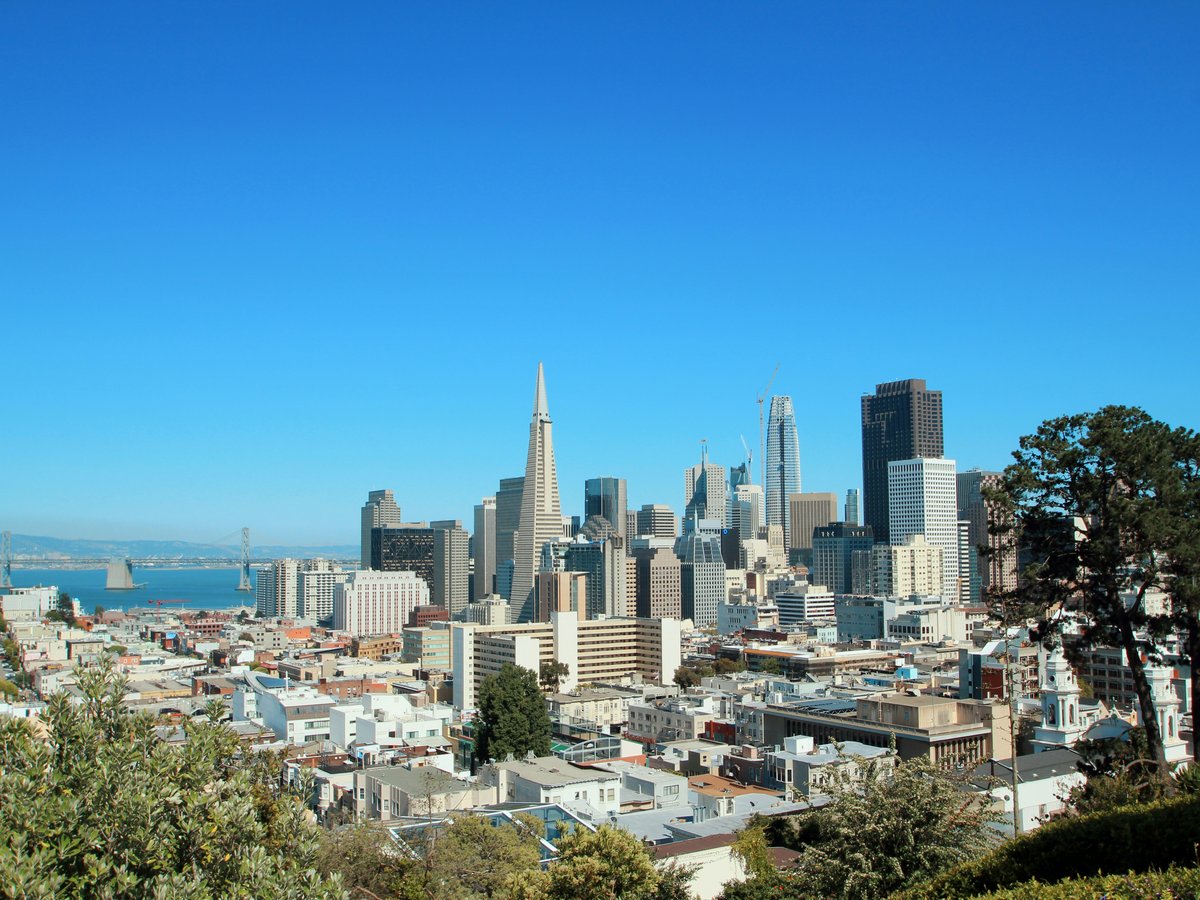
San Francisco sits on the tip of a peninsula, surrounded on three sides by water, and that geography defines everything about the place. The city covers just forty-seven square miles, making it one of the most densely packed urban areas in the western United States, yet it never feels claustrophobic because the hills keep opening up sightlines to the bay or the Pacific. Summer mornings start under a marine layer the locals have named Karl, which pushes through the Golden Gate gap and burns off by noon in the Mission while the Sunset stays socked in until three. That microclimatic split is not a quirk; it is the organizing principle of daily life here. The Mission, flat and sheltered, runs warm and has run Latino for generations, its taquerias on 24th Street more telling than any guidebook entry. The Richmond and Sunset districts, fogged-in and residential, hold some of the best Cantonese and Burmese food in North America, served without ceremony in storefronts along Clement and Irving streets. North Beach still smells like espresso from the Italian roasters that arrived after the 1906 earthquake levelled the old waterfront, and City Lights bookstore on Columbus Avenue remains a working monument to the Beats who passed through in the 1950s. The Haight carries its Summer of Love reputation lightly now, its Victorian row houses restored and expensive, but the Panhandle at its edge is still where runners loop before work. A first-time visitor will notice the steepness before anything else: the grades on Filbert or 22nd Street are not metaphorical. Then the light, which comes off the water at low angles even midday and gives the white and pastel facades a sharpness you do not get in flatter cities. Dress in layers. The locals are not precious about it; they mean it.
San Francisco in photos
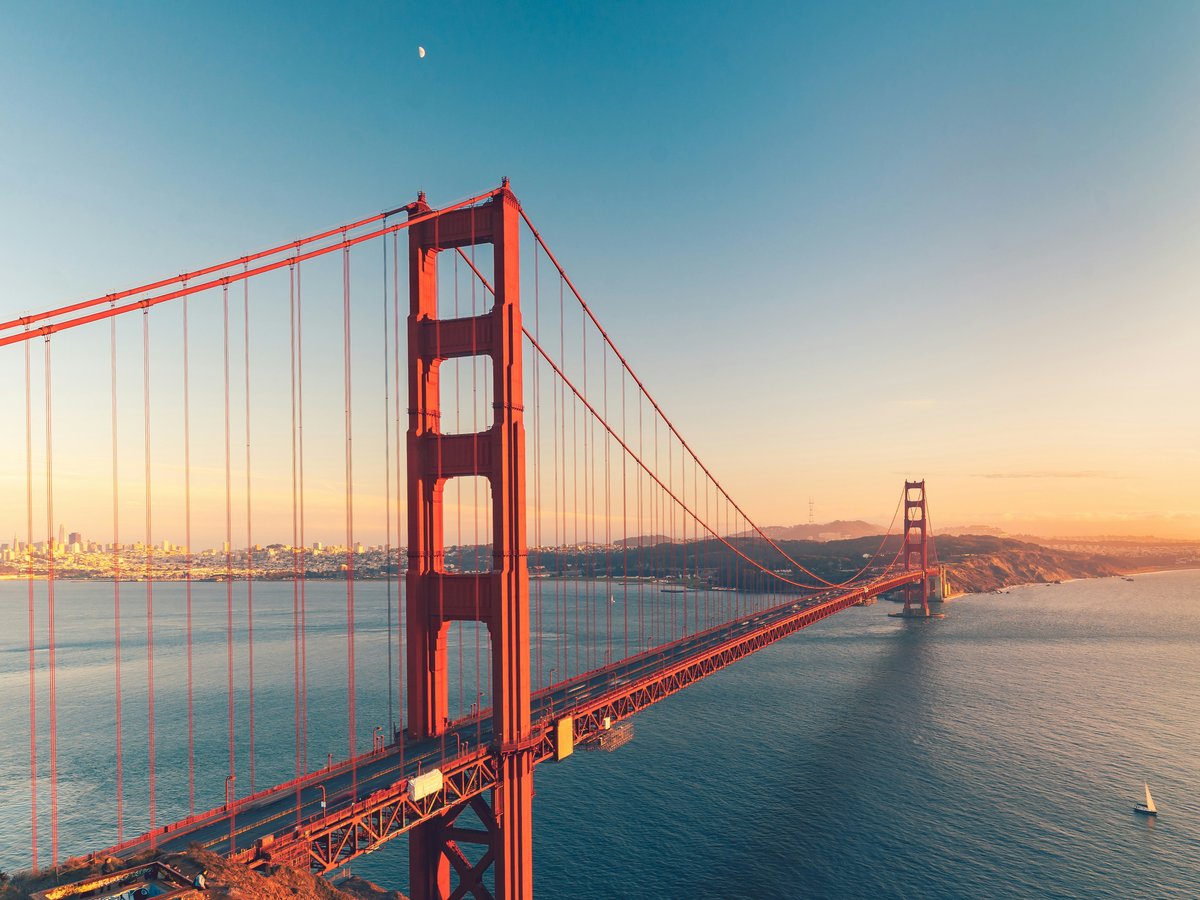
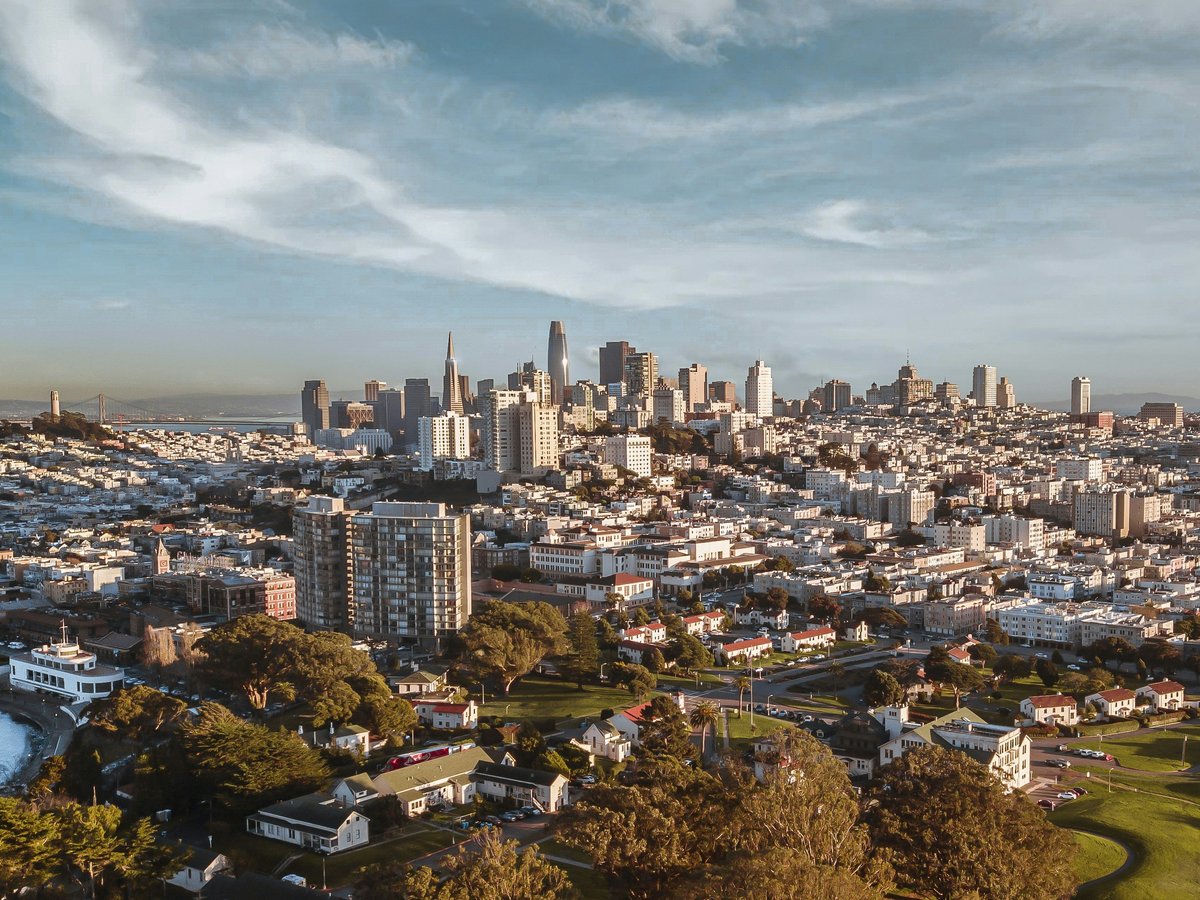
San Francisco right now
Answers about San Francisco
-
Airport to city
Take BART from SFO's International Terminal directly to Powell Street in Union Square. The ride costs $10.20, takes 29 minutes, and runs every 15-20 minutes from roughly 5am to midnight. After midnight, Uber or Lyft costs $35-55 to downtown. Buy a Clipper card at the BART station for $3 to use on all San Francisco transit.
Read the full answer → -
Best time to visit
September and October are San Francisco's real summer. The fog that blankets the city from June through August retreats, afternoon highs reach 70-75°F along the Embarcadero, and hotel rates sit 15-20% below peak. First-time visitors who arrive in July expecting California sunshine find 55°F grey skies and damp Pacific wind instead.
Read the full answer → -
Cost per day
Budget travelers can manage San Francisco on about $80/day. That covers a hostel dorm in SoMa or the Mission ($45-55/night), taqueria and Chinatown meals ($20-25), and a $5 Muni day pass. Golden Gate Park, Ocean Beach, and the Presidio cost nothing. Museum free days and the Golden Gate Bridge pedestrian path fill the rest.
Read the full answer → -
Cultural etiquette
San Francisco runs on practiced informality. First names from the start, 18-20% tips expected without exception, and a directness about social issues that surprises most visitors. Undertipping below 18% at restaurants is the single biggest cultural mistake. The second is wearing shorts in June, when fog keeps the Sunset District around 13°C.
Read the full answer → -
Best day trips
Sonoma Valley is the best single-day trip from San Francisco for couples, 70 km north, about 55 minutes by car, with $20-30 wine tastings and dinner on the town square. Muir Woods paired with a Golden Gate Ferry return through Sausalito works as a 4-5 hour half-day. Half Moon Bay, Point Reyes, and Santa Cruz round out the coastal options.
Read the full answer → -
Digital nomads
San Francisco rates 7/10 for nomads. Gigabit fibre is standard in most apartments, coworking runs $300-550/month, and the cafe-laptop culture is genuine. The catch is cost. Budget $4,800/month minimum for a furnished room, food, transit, and a hot desk. No US digital nomad visa exists. ESTA visitors from 42 countries get 90 days.
Read the full answer → -
Family-friendly
San Francisco is solidly family-friendly, though cold summer fog catches unprepared families off guard. The California Academy of Sciences in Golden Gate Park and the Exploratorium at Pier 15 are two of the best children's science museums in the US. Stroller logistics depend on which neighborhood you pick. Flat stretches along the Embarcadero work. The hills of Noe Valley do not.
Read the full answer → -
Food culture
San Francisco's food culture runs neighborhood by neighborhood. The Mission serves $14 super burritos at La Taqueria. The Outer Richmond offers Burmese tea-leaf salad at Burma Superstar for $12. The Ferry Building draws 25,000 to its Saturday farmers market. Sourdough bread (Boudin, since 1849), Dungeness crab, and cioppino are the city's signatures, but the deepest eating lives in the residential avenues west of downtown.
Read the full answer → -
Getting around
Clipper card on Muni and BART for the backbone, Uber or Lyft to dodge the hills, and your legs for flat stretches in the Mission and Marina. BART runs from SFO to downtown Powell Street in 30 minutes for about $9.65. Cable cars are a ride, not transit. $8 each way, expect a 45-minute line at Powell and Market.
Read the full answer → -
How to get there
San Francisco International (SFO), 21 km south of downtown, handles most flights. United runs its Pacific hub here with transpacific and domestic nonstops. Oakland (OAK) is Southwest's cheaper alternative, 45 minutes by BART across the Bay. Round-trip fares from the US East Coast run $280-500. From London, £550-900 nonstop. BART from SFO to Powell Street costs $10.55 and takes 29 minutes.
Read the full answer → -
Is it safe?
San Francisco is safe enough for a solo trip, scoring 6 out of 10 overall with a solo-traveler safety score of 5.8/10 (see the TTDI Solo-Safety Index). Smashed rental-car windows, phone snatches on Market Street, and open drug use in the Tenderloin are the real risks to plan around, while violent crime against visitors remains rare and clusters on a handful of downtown blocks.
Read the full answer → -
Layover guide
Yes, with 6 hours or more. BART runs directly from SFO to downtown in about 30 minutes. That leaves time for the Ferry Building, Fisherman's Wharf, or Crissy Field's view of the Golden Gate Bridge. The US has no airside transit, so every passenger clears immigration. You'll need a valid ESTA or visa, and should check eligibility before committing to leave.
Read the full answer → -
LGBTQ-friendly
San Francisco is 10/10. The city where Harvey Milk won his seat on the Board of Supervisors in 1977 has only gotten more welcoming since. The Castro remains the country's most visible queer neighborhood, Pride draws over a million people each June, and California's anti-discrimination protections are among the strongest in the US.
Read the full answer → -
Where locals go
San Francisco's locals cluster in neighborhoods most visitors skip. The Outer Sunset along Judah Street, Inner Richmond's Clement Street corridor, and Bernal Heights along Cortland Avenue are where residents eat, drink, and grocery shop. Weekday mornings at Andytown Coffee Roasters or Saturday dim sum at Good Luck Dim Sum on Clement Street put you in rooms where nobody's holding a guidebook.
Read the full answer → -
Must-see
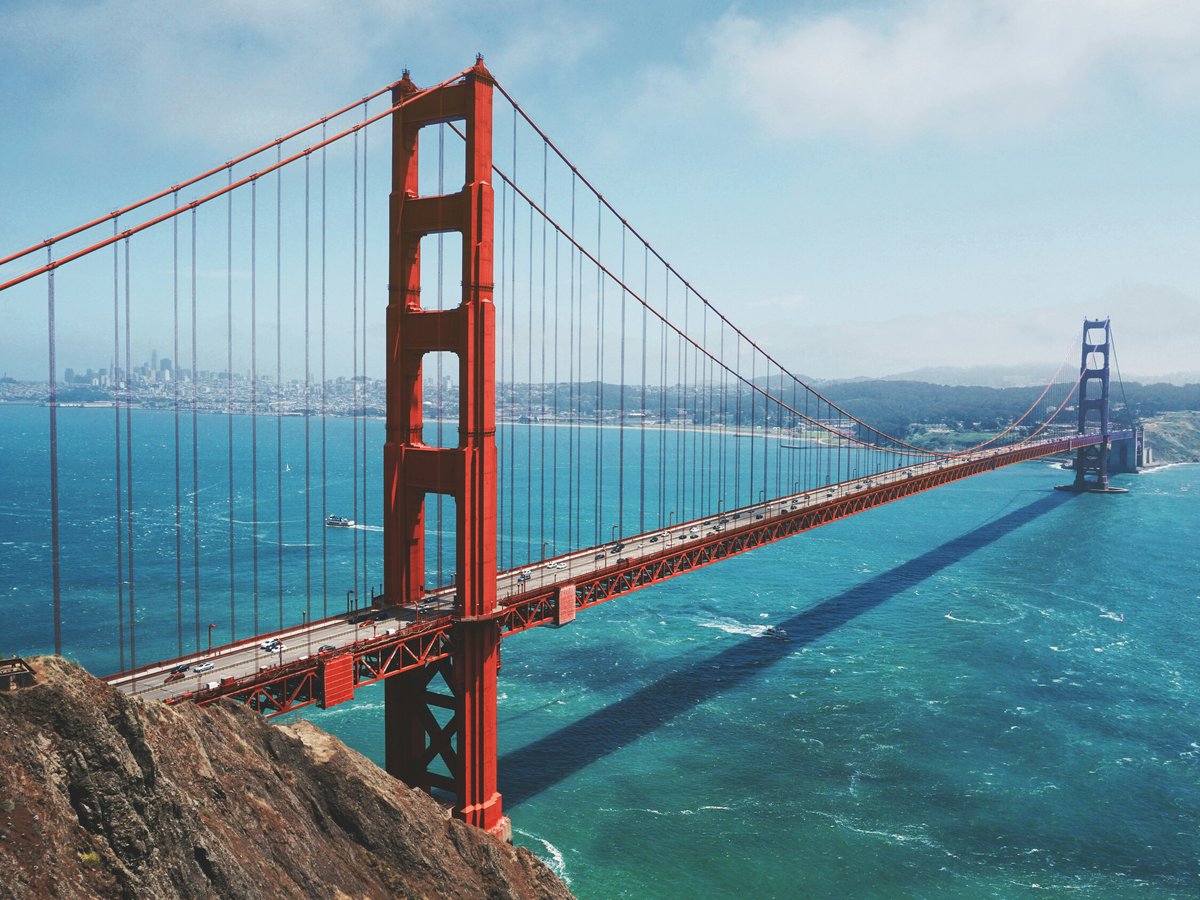
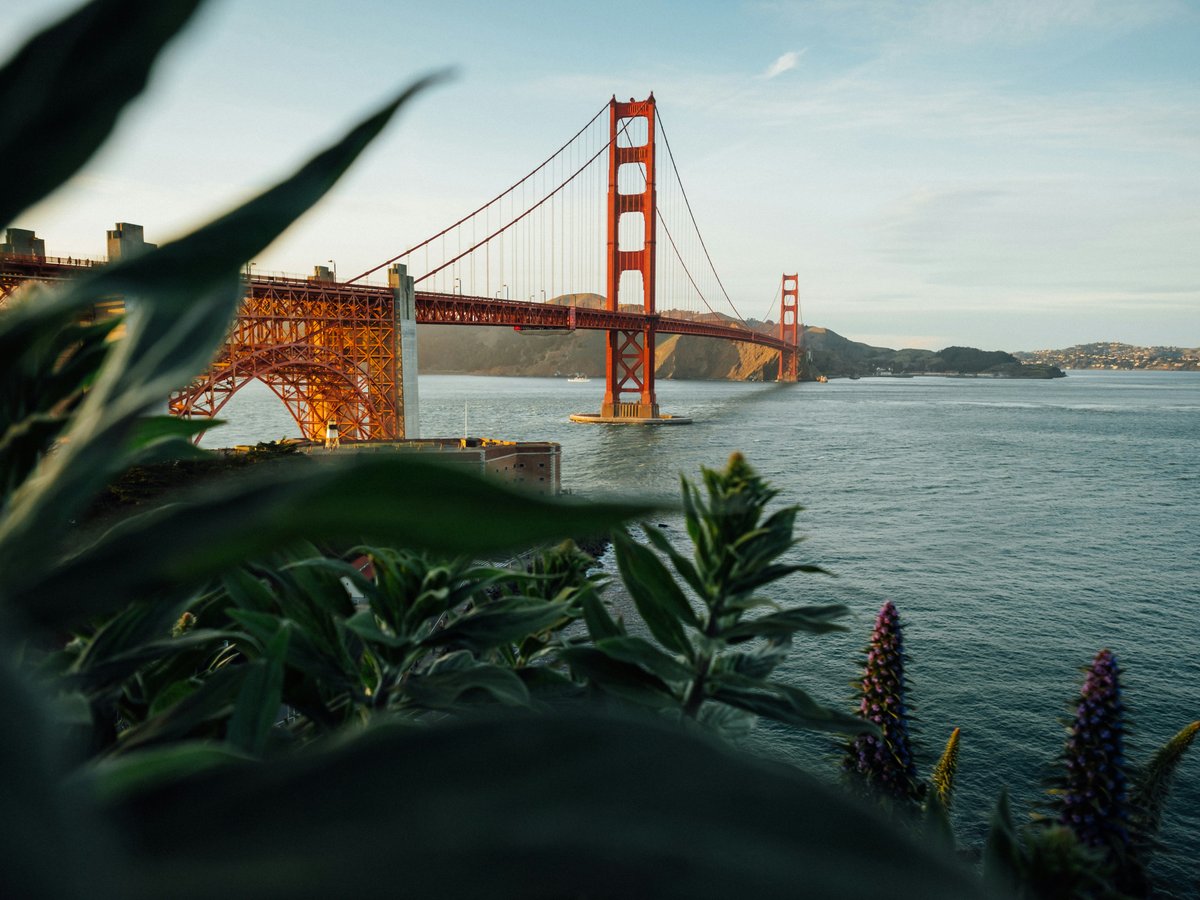
The Golden Gate Bridge on foot, from the south Presidio side. Walk the 2.7 km to the north tower and back in about 50 minutes. June fog currently sits at bridge-deck level most mornings, so aim for afternoon when the 13°C wind off the Pacific feels sharp but the towers stand clear. Book Alcatraz 2-3 weeks ahead. Everything else is walk-up.
Read the full answer → -
Solo travel
San Francisco might be the strongest solo-travel city on the West Coast. MUNI and BART run until midnight, the cafe culture practically expects single tables, and neighborhoods like the Castro and Mission have walkable social scenes built for one. The Tenderloin and mid-Market need avoiding after dark, and fog drops temperatures to 12°C even in June, so pack layers.
Read the full answer → -
This week
San Francisco this week sits at 19.5°C with summer fog that clears by noon most days. The Ferry Building Farmers Market peaks Saturday morning. Weekday afternoons offer the clearest window for Golden Gate Bridge photos before the fog returns. Some 50 live events fill the week, from comedy at Cobb's to punk at Neck of the Woods.
Read the full answer → -
3-day itinerary
Day 1 runs from the Ferry Building to Alcatraz, then into North Beach and Chinatown. Day 2 crosses the Golden Gate Bridge, drops through the Presidio and Marina, and ends at Golden Gate Park. Day 3 covers the Mission, Castro, and SFMOMA. About 35 km total, with Muni buses between clusters.
Read the full answer → -
What to avoid
Skip the sit-down restaurants at Fisherman's Wharf. They charge 40-60% above North Beach prices for the same Dungeness crab. Never leave anything visible in a parked car. San Francisco reported over 24,000 car break-ins in 2023. The summer fog drops temperatures to 12°C by mid-afternoon, so pack layers even in July.
Read the full answer → -
What to pack
Layers are the single non-negotiable for San Francisco. June fog keeps temperatures around 12-15°C at Ocean Beach while the Mission District hits 20°C the same afternoon. Pack a windproof shell, fleece mid-layer, and walking shoes with grip for the steep hills. Leave the shorts at home until September.
Read the full answer → -
Where to stay
Union Square for a first San Francisco trip. Powell Street BART connects to SFO airport in 30 minutes, two cable car lines run from the square, and Chinatown starts 7 minutes north on foot. Budget $180-280 per night for a mid-range hotel. The Marina suits visitors who want Golden Gate Bridge proximity, but has no rail transit.
Read the full answer →
Deep guides for San Francisco
Curated lists for San Francisco
accommodation
-
Best boutique hotels
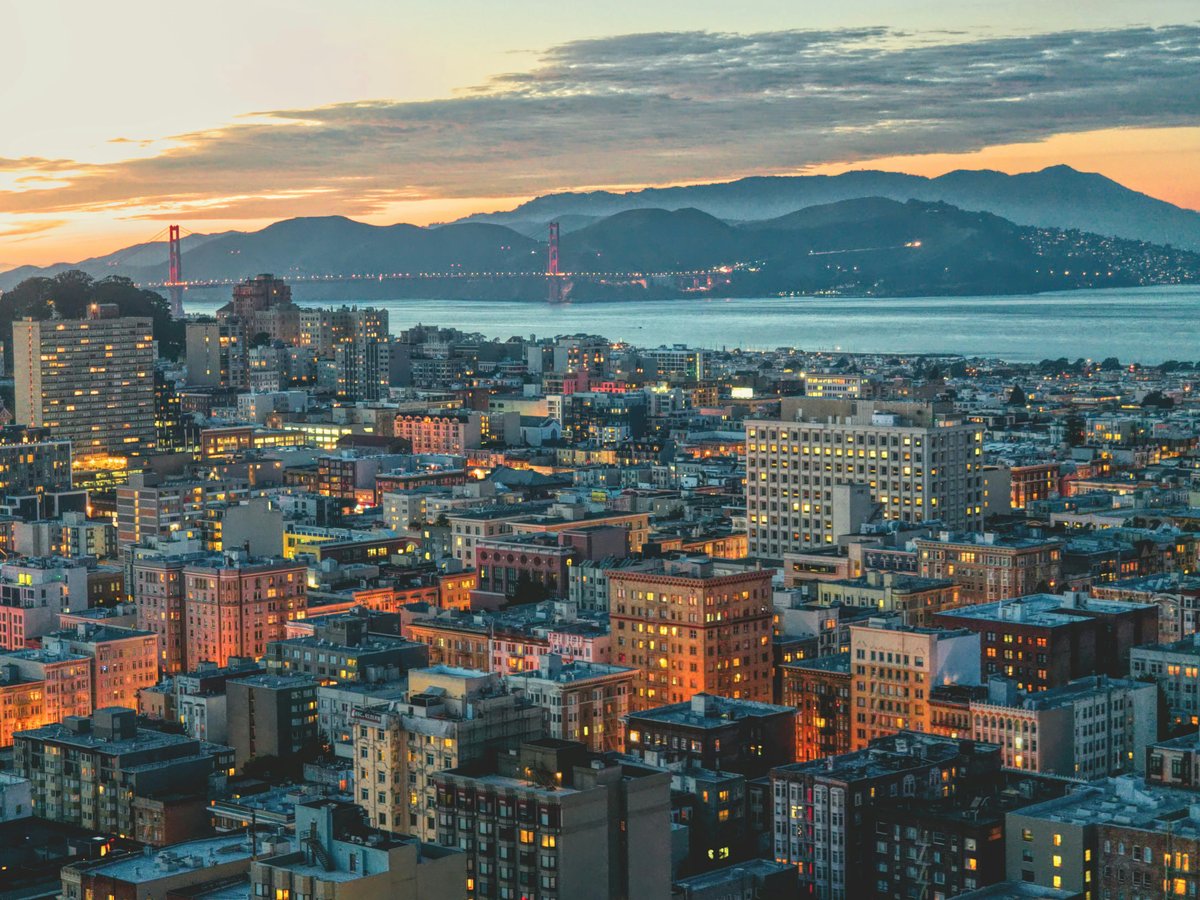
San Francisco splits into neighborhood pockets that feel like different cities sharing one skyline. The hills enforce it: a 15-minute walk from Union Square drops you into Chinatown's produce markets or climbs toward Nob Hill's apartment-lined slopes, and those few blocks change the price tier, the street noise, and the nearest late-night meal. Downtown and Union Square stack the highest hotel density, with mid-range rooms that put you within reach of the Powell Street cable car turntable, BART, and Muni Metro. Move north toward Fisherman's Wharf and the inventory shifts to waterfront chains pitched at first-time visitors. Head west and the Western Addition, Cow Hollow, and the Marina District trade transit convenience for residential quiet and free parking. The Tenderloin's southern edge, labeled Little Saigon on the hotel maps, holds the cheapest beds in the city but asks you to be deliberate about your walking route after dark. Lower Nob Hill sits between the commercial core and the older apartment hotels on the hill's western face. This guide groups ten neighborhoods by hotel count and picks one representative property in each, so the choice is about the street you wake up on, not the thread count.
See the picks → -
Best hostels
San Francisco's hostel map follows the city's own topography: steep hills separate neighborhoods by character as much as by altitude, and picking the wrong one means a transit ride to everything you came for. The budget beds cluster in two bands. One runs along Market Street from the Tenderloin through South of Market, where nightly rates sit between $64 and $77 and the city's transit spine, BART and Muni Metro, is underfoot. The other scatters into residential quarters like the Castro, Pacific Heights, and the Marina District, where prices drop as low as $26 a night but the walk to a downtown museum takes longer. The Mission and Lower Nob Hill split the difference: close enough to the core, far enough to hear a different language on the sidewalk. Eight neighborhoods below, ranked by hostel count, with a top pick in every card. The city's fog belt matters more than any guidebook admits; the Marina and Pacific Heights wake up gray while the Mission stays clear until afternoon. Book by the vibe you want after dark, not the postcard view you will not see until noon.
See the picks → -
Best luxury hotels
San Francisco's luxury hotels divide along a line most visitors never draw. One group clusters around Union Square and South of Market, where the convention energy keeps rates competitive and lobbies full. The other sits west, in residential neighborhoods where the hotels are smaller, the streets quieter, and the morning walk leads to a bakery instead of a keynote. Choosing between them is the first real decision a visitor makes, and it shapes every day of the trip. The twelve properties below cover both sides, ranked by the particular strength of each one's case. Rates and guest ratings are sourced from Trip.com and reflect published figures at time of research.
See the picks → -
Where to stay
San Francisco's hotel neighborhoods stack along a gradient of hills, fog, and noise. The flat blocks south of Market Street hold the densest concentration of rooms, from budget beds near BART stations to a $557 tower overlooking the Yerba Buena Gardens. Climb north and the options thin: Union Square and the downtown core pack mid-range and luxury rooms around cable car lines, while Lower Nob Hill wedges cheaper hotels into the steep streets above the Tenderloin. Farther out, the Marina District and Pacific Heights trade transit access for residential quiet and free parking. Fisherman's Wharf clusters its inventory around the waterfront tourist strip, loud by day and empty after dark. Price is not purely a function of neighborhood here; a hostel dorm in Pacific Heights runs $26 a night while a downtown convention hotel charges six times that for a smaller room. The useful question is not which hotel has the best rate, but which neighborhood puts the right version of San Francisco outside your door.
See the picks →
attractions
-
Best free attractions
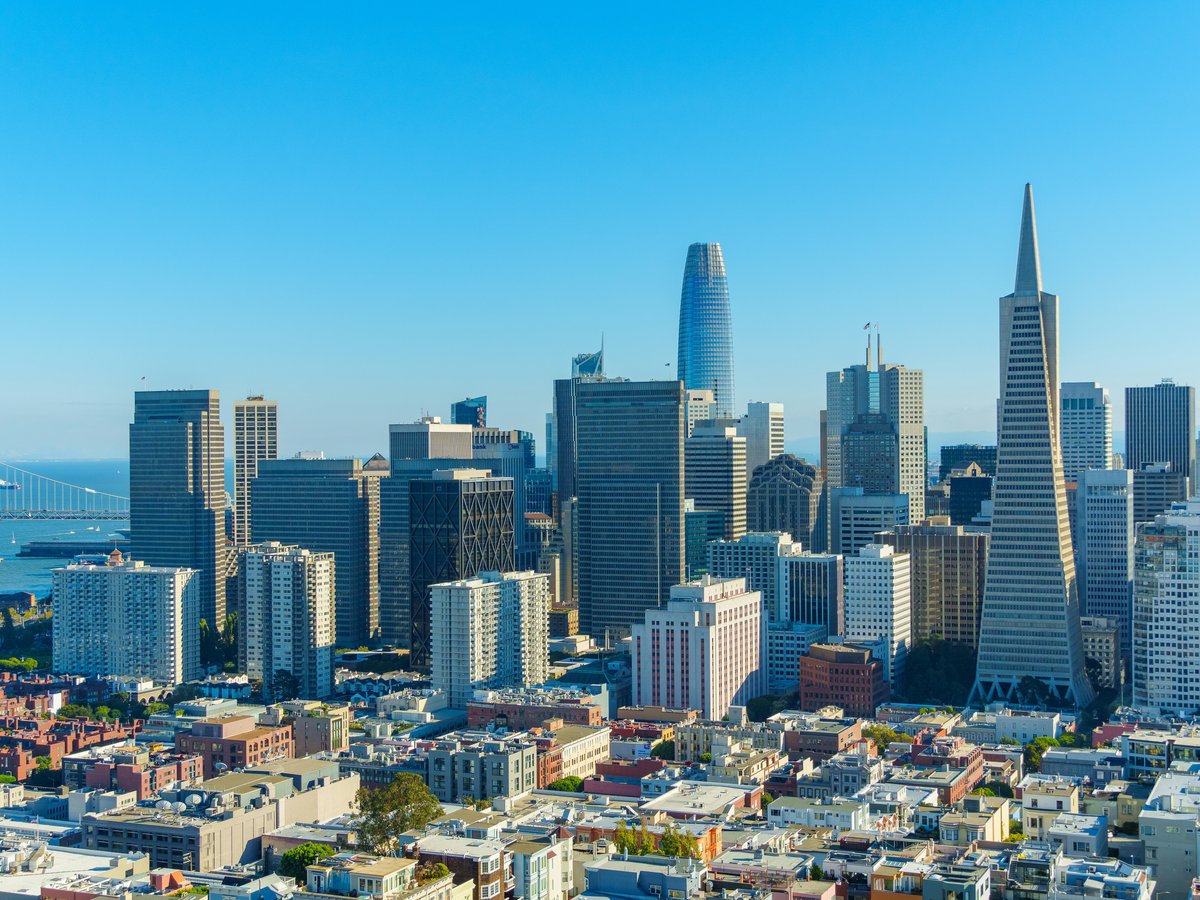
San Francisco's free hours are the ones the city runs on: fog wrapping the coastal cliffs, drum circles on a park slope, tai-chi mornings on a neighborhood square, eucalyptus stands and hillside vantage points that keep costing nothing but time. This list favours the outdoors and the civic: parks, plazas, and gardens catalogued as such by the public record, from the National Register-listed Presidio to a historic Japanese garden the city has kept intact. The twelve places below are the ones locals treat as extensions of their own living rooms, and none of them ask for a ticket at the door: the paid attractions inside them are optional; the parks themselves are not. Skip the guided-cable-car queue for a day and walk instead. Bring layers, wear shoes you can climb hills in, and use the citations for the addresses and the official sites; the rest of it is on foot.
See the picks → -
Best museums
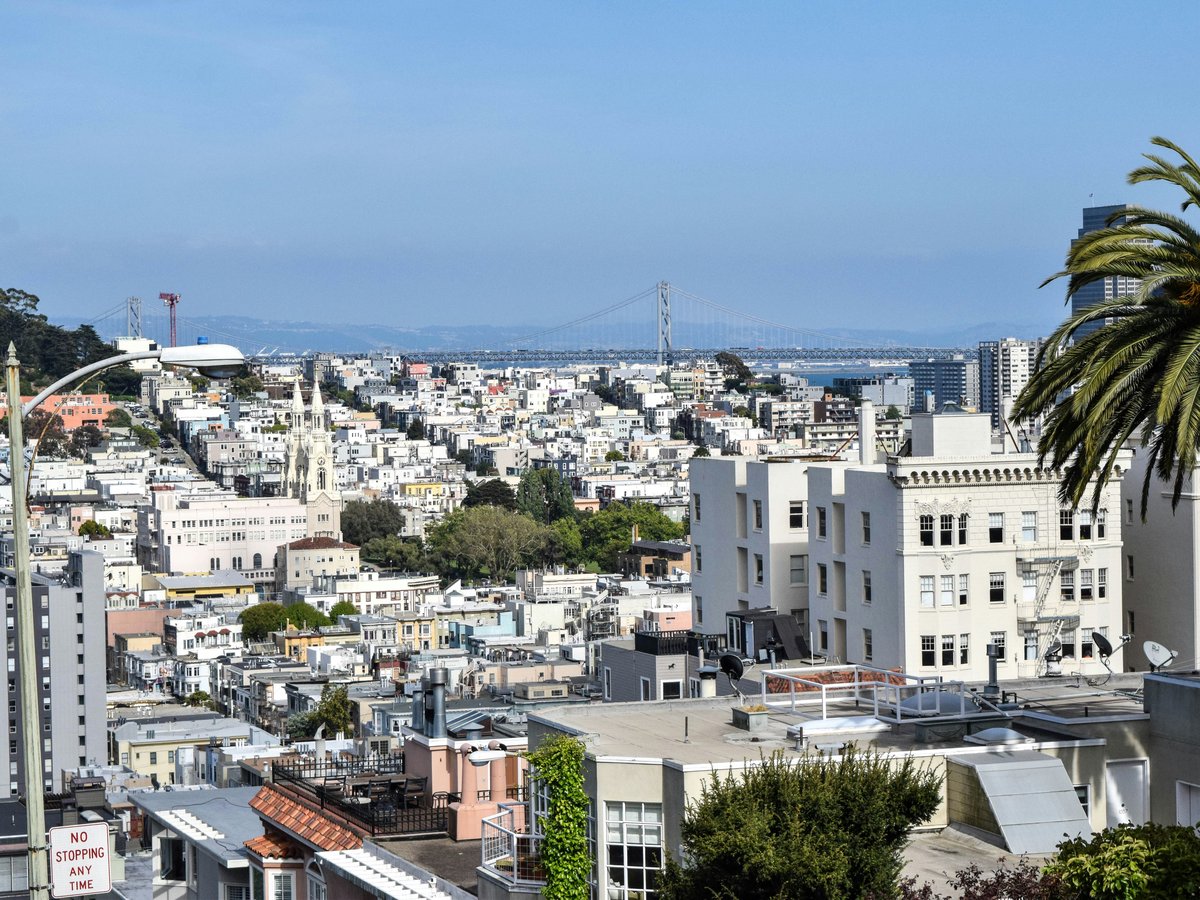
San Francisco's museums refuse to agree on what a museum is, and that is the best thing about them. The list below runs from a modern art museum and a natural history museum to a non-profit LGBT historical society and a wax museum, with stops for cartoon art, cable cars and antique vibrators along the way. Some of these are full-day institutions with a switchboard and a programme to study in advance, while others are a single address and a website that reward the visitor who reads before walking in. We have ranked them by how much of your limited time we think they deserve, not by size. This list is for the traveller who would rather see 2 places properly than 6 in a blur, and for the local who has been meaning to go for years. One rule applies to all 12: check the museum's own site before you leave, pick one thing to see, and give it your full attention. The big names will still be there tomorrow. The small ones are the visits you will end up talking about.
See the picks → -
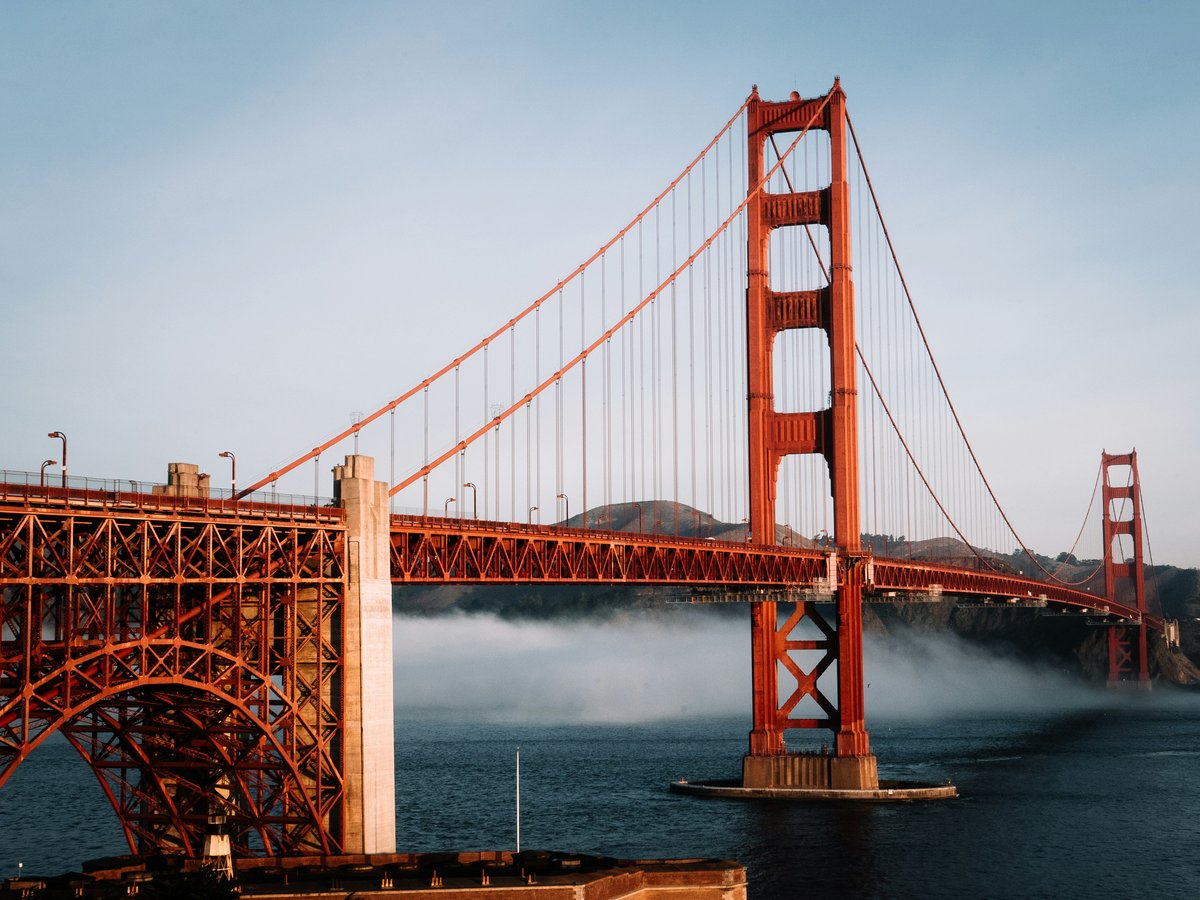
Must-see attractions
San Francisco's essentials are not one kind of thing, and a list that pretends otherwise sells the city short. This one runs from a mission dating from 1776 to a Russian Orthodox cathedral dated 1965, and from a suspension bridge on the San Francisco Bay to a mini-park in the Castro District. The list is for travellers who want the postcard sights done properly and then want to see how the city prays, reads, remembers, and plays when nobody is selling it anything. Take the icons slowly, and give the quieter addresses the same respect.
See the picks →
food
-
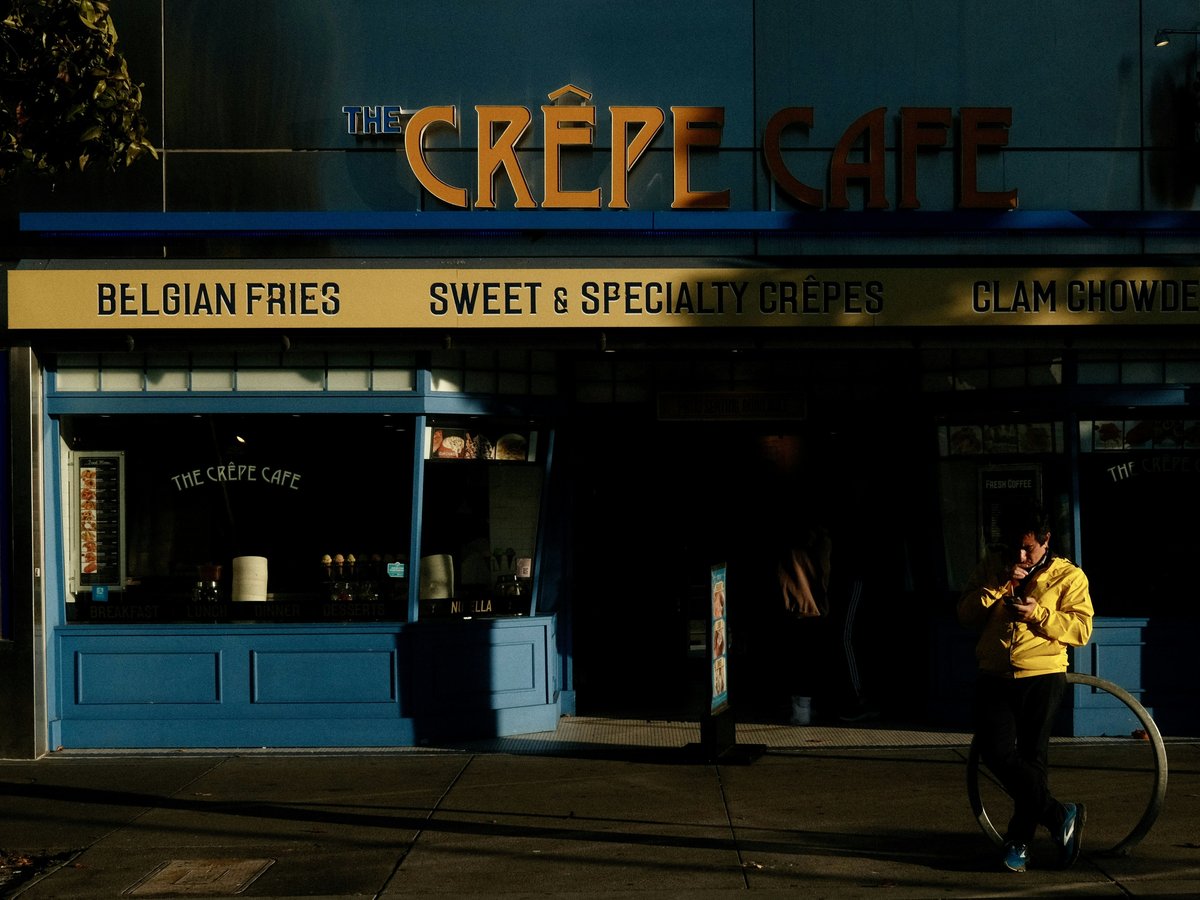
Best cafes
San Francisco's cafes do not agree on what a cafe is, and this list of 12 does not ask them to. One address opens at 05:00 on weekdays, and another is still serving well past midnight on Saturday. Between those two ends sit a French bakery, a bubble tea counter, two dessert specialists, a room that puts chai in its own name, and a diner-style counter that lists burgers, noodles and donuts side by side. The addresses run through the 94102, 94103 and 94109 postal codes, so most of them can be reached from one another without much planning. Drop the idea that a good cafe day means one perfect espresso and a long sit. Match the place to the hour instead: a sandwich counter before 15:00, a roaster mid-morning, dessert at night. This list suits visitors who plan their days around when doors open and close, and anyone who would rather know the hours than read another paragraph about atmosphere.
See the picks → -
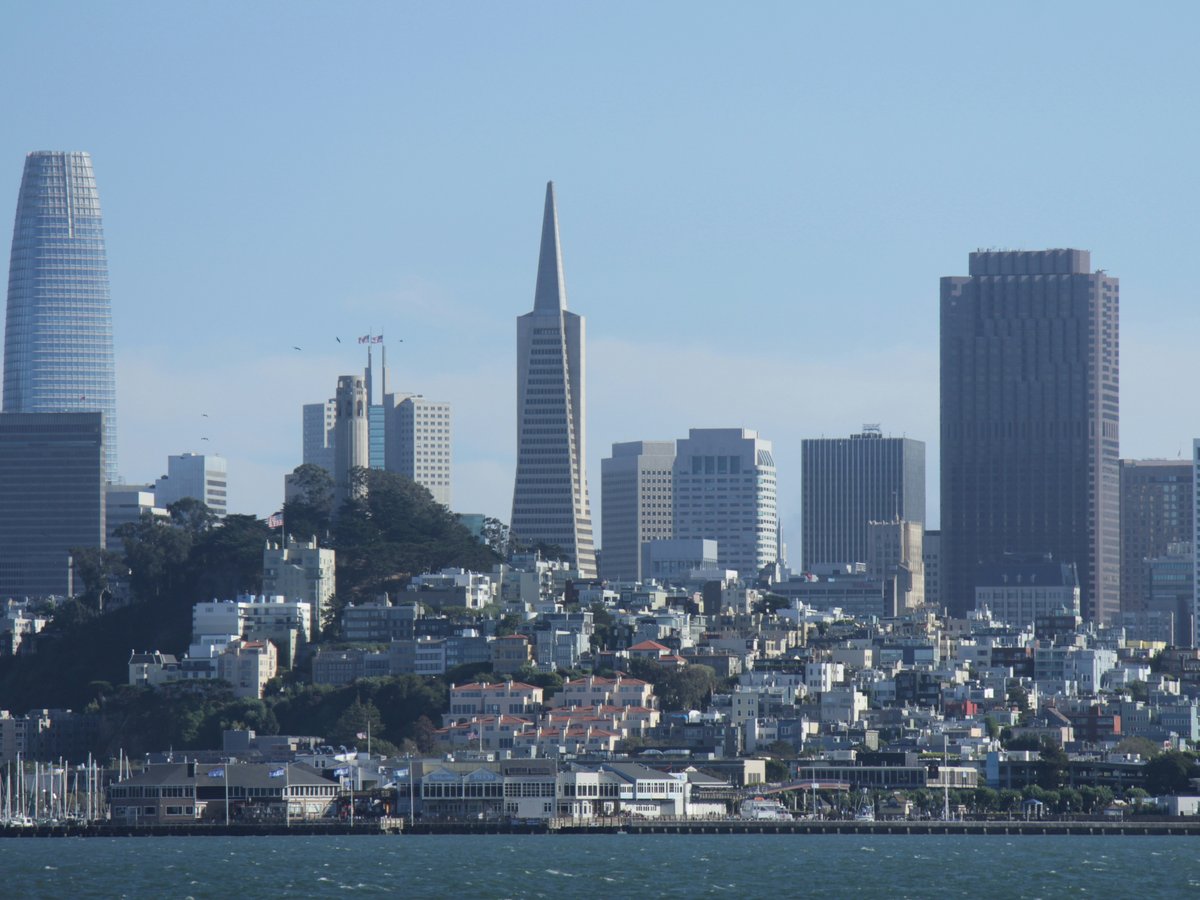
Best restaurants
Twelve places, and the sorting principle is the clock, not the cuisine. The addresses fall on Franklin, Market, Hayes, Gough, Grove and Folsom streets, with kitchens running from Japanese and Brazilian to Mexican, Indian and Mediterranean. What pulls them together is when the door is open. One runs Tuesday to Saturday, 17:00 to 20:00; another serves on weekdays from 09:00 to 17:00 and never at night; one goes until 02:00 on Fridays and Saturdays. Each entry is built on what the record supports: where the place is, what it cooks, and the hours it keeps. The opinions are ours, readable as such by their tone. We put this together for visitors who plan dinner by the hour and would rather have a closing time than another adjective. Phone numbers and websites are here throughout, and you should use them, because hours change faster than guides do.
See the picks →
Browse by traveler type
- For foodies
San Francisco for foodies
- For families with kids
San Francisco for families
- For digital nomads
San Francisco for digital nomads
- For solo travelers
San Francisco for solo travelers
- For couples
San Francisco for couples
- For budget travelers
San Francisco on a budget
- For luxury travelers
San Francisco for luxury travelers
- For first-timers
San Francisco for first-time visitors
Book experiences in San Francisco
 Free cancellation
 Muir Woods and Sausalito Tour (Return by Bus or Ferry)
Day trip: free cancellation.
via Viator Free cancellation
 Napa and Sonoma Wine Country Full-Day Tour from San Francisco
Day trip: free cancellation.
via Viator Free cancellation
 Small Group Yosemite and Giant Sequoias Day Trip from San Francisco
Day trip: 14 hours, free cancellation.
via Viator Free cancellation
 Yosemite and Giant Sequoias Day Tour from San Francisco w Pickup
Outdoor experience: 15 hours, free cancellation.
via Viator Free cancellation
 San Francisco Super Saver: Muir Woods & Wine Country w/ optional Gourmet Lunch
Day trip: 11 hours, free cancellation.
via Viator Free cancellation
 San Francisco Love Tour
City tour: 2 hours, free cancellation.
via Viator Free cancellation
 Painted Ladies San Francisco City Tour
Outdoor experience: 2 hours, free cancellation.
via Viator Free cancellation
 San Francisco City Lights Cruise
Cruise: 2 hours, free cancellation.
via Viator Free cancellation
 San Francisco Golden Gate Bay Cruise
Cruise: 1 hour, free cancellation.
via Viator Free cancellation
 Sonoma Wine Country Tour from San Francisco with Tastings
Day trip: 9.5 hours, free cancellation.
via Viator Free cancellation
 San Francisco, Muir Woods, Sausalito and Optional Alcatraz Tour
Day trip: 9 hours, free cancellation.
via Viator Free cancellation
 Golden Gate Bridge Muir Woods Sausalito with Optional Alcatraz
Day trip: 6 hours, free cancellation.
via ViatorBrowse by interest
Compare San Francisco with
Find a flight to San Francisco
Live fares to San Francisco appear here once cookies are accepted.
Last verified by automated review (v1.7.2) on . What is automated review?