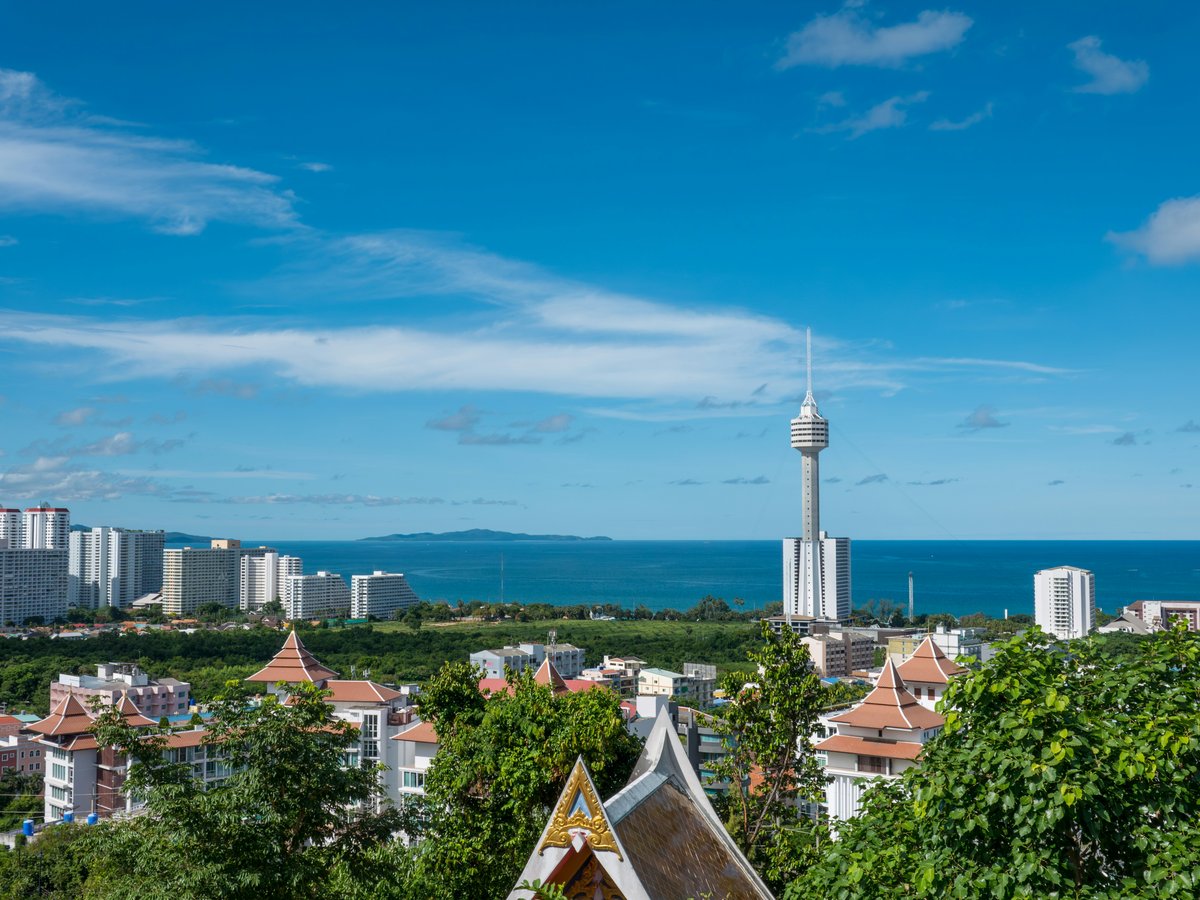
Pattaya sits about 150 km southeast of Bangkok on the Gulf of Thailand coast, and its shopping scene reflects the city's split personality. On one side, you have air-conditioned malls along Second Road and the Central Pattaya corridor catering to tourists and the growing expat population. On the other, a network of open-air markets and roadside stalls sell everything from handmade coconut-shell crafts to dried seafood pulled from boats in Na Klua. The city tends to be cheaper than Bangkok for the same goods, though the tourist-facing strips on Beach Road and Walking Street mark things up considerably. Locals do most of their everyday shopping at Soi Buakhao's shops and the South Pattaya fresh markets, which is worth knowing if you want realistic prices on clothing, fruit, and household goods. With the Thai baht sitting around 32.7 to the US dollar, imported brands still feel like a deal compared to North American or European retail. Mind you, Pattaya is not a fashion capital or a luxury destination in the Bangkok sense. Its strengths are different. You come here for handcrafted goods from eastern Thailand's Chonburi and Rayong provinces, local gemstone dealers (approach with caution), tropical fruit by the kilo, and surprisingly deep selections of Thai silk and custom tailoring at prices well below Sukhumvit Road in the capital.
Shopping districts
-
Central Pattaya (Second Road corridor)
mid-range to upper-midSecond Road runs parallel to Beach Road and forms the commercial spine of central Pattaya. This is where you'll find Central Festival Pattaya Beach, the city's largest mall at roughly 300,000 square meters, along with the adjacent Hilton complex. The upper floors lean international, with Zara, Uniqlo, and H&M alongside Thai chains like Jaspal. The ground-floor food hall is one of the better ones outside Bangkok. Across Second Road, smaller malls like Mike Shopping Mall have been here since the 1990s and carry a denser, more chaotic selection of Thai-brand clothing, phone accessories, and luggage. The atmosphere splits noticeably between the polished Central Festival side and the older, neon-lit strip malls that line the sois running east.
Best for: Brand shopping, electronics, air-conditioned browsing on hot afternoons
-
Soi Buakhao and surrounds
budgetSoi Buakhao feels more like a local Thai commercial street than a tourist zone, even though plenty of expats shop here daily. The road runs north-south between Central Pattaya Road and South Pattaya Road, lined with tailors, phone-repair shops, independent pharmacies, and small clothing stores selling Thai-made garments for 100 to 300 baht per piece. It lacks the gloss of Second Road but the prices drop by 30 to 50 percent for comparable goods. The Tuesday and Friday market that sets up along the soi is one of the better street markets in the city for secondhand items, local snacks, and inexpensive homeware.
Best for: Everyday goods, tailoring, Thai-brand clothing at local prices
-
North Pattaya and Naklua
mixedThe Na Klua end of Pattaya tends to attract longer-stay visitors and retirees, and the shopping reflects that. You'll find fewer souvenir stalls and more practical shops. The Tesco Lotus and Makro outlets north of Dolphin Roundabout serve bulk buyers and families. Na Klua Road itself has a strip of seafood vendors and small stores selling dried shrimp, fish sauce from Chonburi's coastal producers, and local herbs. Terminal 21 Pattaya opened on North Pattaya Road and brought a Bangkok-style themed mall experience to this end of town, with each floor designed around a different world city. Its food court on the upper level keeps prices at Bangkok Terminal 21 levels, which means 35 to 60 baht per dish.
Best for: Grocery runs, dried seafood, themed mall experience at Terminal 21
-
South Pattaya and Thepprasit Road
budget to mid-rangeSouth Pattaya's commercial stretch runs along Thepprasit Road toward Jomtien, and this corridor has a grittier, more working-class feel than the Central Pattaya malls. Thai Boxing Street and the Outlet Mall Pattaya sit along this route, offering discounted Thai and international sportswear brands. The real draw, though, is the Thepprasit Night Market that fires up on Friday, Saturday, and Sunday evenings. South Pattaya Road near the old bus station still has a cluster of gold shops, which tend to price at or near Bangkok Gold Traders Association daily rates.
Best for: Night market shopping, discount sportswear, gold at Thai-standard rates
-
Jomtien
mid-rangeJomtien Beach Road has a quieter, more residential shopping character compared to the Beach Road strip further north. Small boutiques sell resort wear, swimsuits, and locally made jewelry at mid-range prices. The Jomtien Complex, a somewhat dated mall near the beach, carries a mix of tailor shops and dive-equipment retailers. Worth noting, the Sunday afternoon market near Jomtien Soi 5 draws a largely Thai and expat crowd rather than day-trippers, which keeps the haggling more relaxed and the food stalls more adventurous.
Best for: Resort wear, beachwear, a quieter browsing pace away from Walking Street noise
Markets
-
Thepprasit Night Market
nightThe largest regular night market in the Pattaya area spreads across a field off Thepprasit Road near Sukhumvit. Vendors set up over 500 stalls selling clothing, phone cases, secondhand tools, handmade soaps, and a solid stretch of prepared food. The seafood section at the south end grills prawns and squid to order. Prices run about 20 to 40 percent below what you'd pay on Beach Road for similar items. The crowd is a genuine mix of Thai families, Russian tourists, and expats from the surrounding condos. It gets packed by 20:00 on Saturdays.
Friday, Saturday, Sunday evenings from roughly 17:00 to 23:00
-
Soi Buakhao Market
flea and foodA street market that stretches several hundred meters along Soi Buakhao twice a week. It leans practical rather than performative. Stalls sell secondhand books, used clothing, cheap kitchenware, Thai snacks like moo ping (grilled pork skewers, 10 baht each), and fresh tropical fruit by weight. You might find handmade baskets from Isan vendors or woven bags from Chanthaburi. The atmosphere is unhurried and feels distinctly different from the tourist-oriented night markets.
Tuesday and Friday, approximately 09:00 to 16:00
-
Pattaya Floating Market
artisan and culturalBuilt in 2008 on a lake in South Pattaya near Sukhumvit Road, this is more of a cultural attraction than a spontaneous local market. The wooden walkways connect four themed sections representing Thailand's regions. Vendors sell regional handicrafts, carved wood souvenirs, silk items, and prepared dishes from each area. Entrance costs 200 baht for foreigners. The northeastern (Isan) section tends to have the most interesting food, including som tam made to order and sticky rice in bamboo tubes. To be fair, it is engineered for visitors, but the craft quality is higher than most roadside stalls, and several vendors are artisans who also sell at Chatuchak in Bangkok.
Daily, 09:00 to 20:00
-
Na Klua Fish Market
foodA working fish market at the north end of Na Klua Road, where local fishing boats unload their catch in the early morning. You can buy whole fish, squid, crab, and prawns directly from the sellers. The smell of salt and diesel hangs in the air, and the concrete floor stays wet from the ice runoff. Several of the stalls double as small restaurants and will grill or steam your purchase on the spot for a cooking fee of 50 to 100 baht. By midday, the freshest stock is gone. This is not a tourist market in any meaningful sense, and that is its appeal.
Daily, best before 09:00
-
Made in Thailand Market (Pattaya Night Bazaar area)
artisanLocated near the old Pattaya Night Bazaar on Second Road, this smaller market focuses on Thai-made goods. Stalls sell handwoven textiles from Chiang Mai, celadon ceramics, coconut-oil soaps from southern Thailand, and Benjarong porcelain reproductions. The vendors tend to be more knowledgeable about their products than average market sellers, and several accept credit cards. The pace is slower than Thepprasit and the inventory leans more toward gift-quality items than bulk cheap goods.
Evenings, generally 18:00 to 22:00, schedule varies seasonally
Souvenirs worth bringing home
The genuinely local products worth carrying home from Pattaya reflect eastern Thailand's coastal and agricultural identity more than the generic tourist fare sold on Beach Road. Dried seafood from Na Klua, particularly dried squid and shrimp paste (kapi), comes from Chonburi Province's own fishing fleet and tastes noticeably different from the factory-packaged versions in 7-Eleven. Coconut-shell handicrafts, including bowls, ladles, and carved ornaments, are a Chonburi specialty that dates back generations. Thai silk scarves and ties appear everywhere, but buying from a vendor who can name the weaving village in Khorat or Surin is worth the 200 to 500 baht premium over the mass-produced alternatives. Pattaya Floating Market's northeastern section sells decent hand-carved teak items and mulberry-paper products. Fruit preserves and dried mango from Rayong Province, Pattaya's neighbor to the east, travel well and cost 60 to 150 baht per bag. Avoid the mass-produced "I Love Pattaya" merchandise, the generic elephant pants (sewn in bulk outside Chiang Mai, not local to eastern Thailand at all), and any gemstone purchase from an unsolicited recommendation. Gem scams remain a documented concern in the area (see https://en.wikivoyage.org/wiki/Pattaya#Stay_safe for context on common schemes).
Practical tips
- Bargaining
- Haggling is expected at open-air markets and most independent shops, but not at malls, 7-Elevens, or gold shops (gold prices follow the national daily rate). At Thepprasit or Soi Buakhao markets, starting at 50 to 60 percent of the asking price is reasonable. Walk away politely if the counter-offer feels high. Vendors who deal primarily with locals tend to start closer to their real price, so heavy discounting might not work at Na Klua Fish Market or the Soi Buakhao Tuesday stalls.
- Tax refunds (VAT)
- Thailand's 7 percent VAT refund scheme applies to purchases of 2,000 baht or more per store per day at shops displaying the yellow-and-blue VAT Refund for Tourists sign. Central Festival and Terminal 21 both participate. Collect the PP10 form at the point of sale, show your passport, and claim the refund at the airport on departure. The effective refund after processing fees tends to be around 5 to 5.5 percent. U-Tapao Airport, the nearest to Pattaya, has limited refund-counter hours, so claiming at Suvarnabhumi is more reliable if your flight routes through Bangkok.
- Opening hours
- Malls in Pattaya generally open at 10:00 or 11:00 and close at 21:00 to 22:00 daily, including weekends. Night markets typically start setting up around 17:00 and run until 23:00. Morning markets like Na Klua wind down before noon. Small shops along Soi Buakhao and South Pattaya Road tend to open later, around 10:00 to 11:00, and keep irregular weekend hours. During low season (roughly June through September), some market vendors reduce their schedules.
- Payment methods
- Cash is still king at markets and small shops. Thai baht is the only practical currency to carry, as conversion rates offered by vendors for dollars or euros are poor. ATMs dispense baht with a 220-baht foreign-card surcharge per transaction. Malls accept Visa and Mastercard widely, and many mall shops now take contactless via PromptPay QR codes. If you plan to spend heavily at Central Festival or Terminal 21, exchanging money at a SuperRich or Vasu booth in Bangkok before the trip typically saves 1 to 2 percent over Pattaya exchange counters.
- Avoiding scams
- Pattaya has well-documented shopping scams, particularly around gems and jewelry. If a friendly stranger suggests a "government gem sale" or "factory direct" deal, decline. Wikivoyage's safety section covers the common patterns in detail (see https://en.wikivoyage.org/wiki/Pattaya#Stay_safe). Tailors who quote suspiciously low prices for custom suits, below 3,000 baht for a two-piece, may use low-grade synthetic fabric. Reputable tailors on Soi Buakhao and Second Road typically charge 5,000 to 12,000 baht for a wool-blend suit and require at least two fittings over 3 to 5 days.
FAQ
Is Pattaya cheaper for shopping than Bangkok?
For everyday goods, market purchases, and tailoring, Pattaya tends to run 10 to 30 percent cheaper than equivalent Bangkok vendors. Mall prices at chains like Uniqlo or Zara are standardized nationwide, so those won't differ. Bangkok has a wider selection of luxury and designer goods, while Pattaya's strength is in market shopping and custom work at lower overhead. The food courts at Terminal 21 Pattaya match Bangkok Terminal 21's famously low prices, which is unusual for a resort city.
What are the best days to visit Pattaya's markets?
Friday and Saturday evenings are the strongest for Thepprasit Night Market, when vendor turnout peaks and the food section is fully stocked. Tuesday is the better of the two Soi Buakhao Market days for secondhand goods. The Pattaya Floating Market operates daily, so timing matters less there, though weekday mornings are quieter. Na Klua Fish Market runs daily but the selection narrows after about 09:00.
Can I get clothes custom-tailored in Pattaya?
Pattaya has dozens of tailors, concentrated along Second Road and Soi Buakhao. A custom shirt typically costs 800 to 2,000 baht depending on fabric, and a two-piece suit in decent wool blend runs 5,000 to 12,000 baht. Plan for at least 2 fittings over 3 to 5 days. Same-day or 24-hour tailoring is possible but the fit tends to suffer. Ask to see and touch the fabric before committing, and confirm the number of fittings included in the quoted price.
Are there shopping options near Jomtien Beach?
Jomtien has a more subdued shopping scene compared to central Pattaya. Small boutiques along Jomtien Beach Road sell swimwear, sunglasses, and resort clothing. The Jomtien Complex near the beach has tailor shops and dive retailers. A Sunday afternoon market near Soi 5 draws local residents and long-stay visitors. For anything beyond casual beachwear, you'll likely need to head north to Central Pattaya's Second Road corridor or the Thepprasit area, both within a 15-minute songthaew ride.
What local food products can I bring home from Pattaya?
Eastern Thailand's coastal geography gives Pattaya access to regional food products that travel well. Dried squid and shrimp paste (kapi) from Chonburi's fishing villages, dried mango and fruit preserves from neighboring Rayong Province, and roasted cashews from the eastern seaboard are all portable and keep without refrigeration. Na Klua's fish market area has vendors selling vacuum-packed dried seafood. Supermarkets like Tops at Central Festival carry packaged versions of regional specialties with English-language labeling, which simplifies customs inspections on arrival home.
Last verified by automated review (v1.7.2) on . What is automated review?