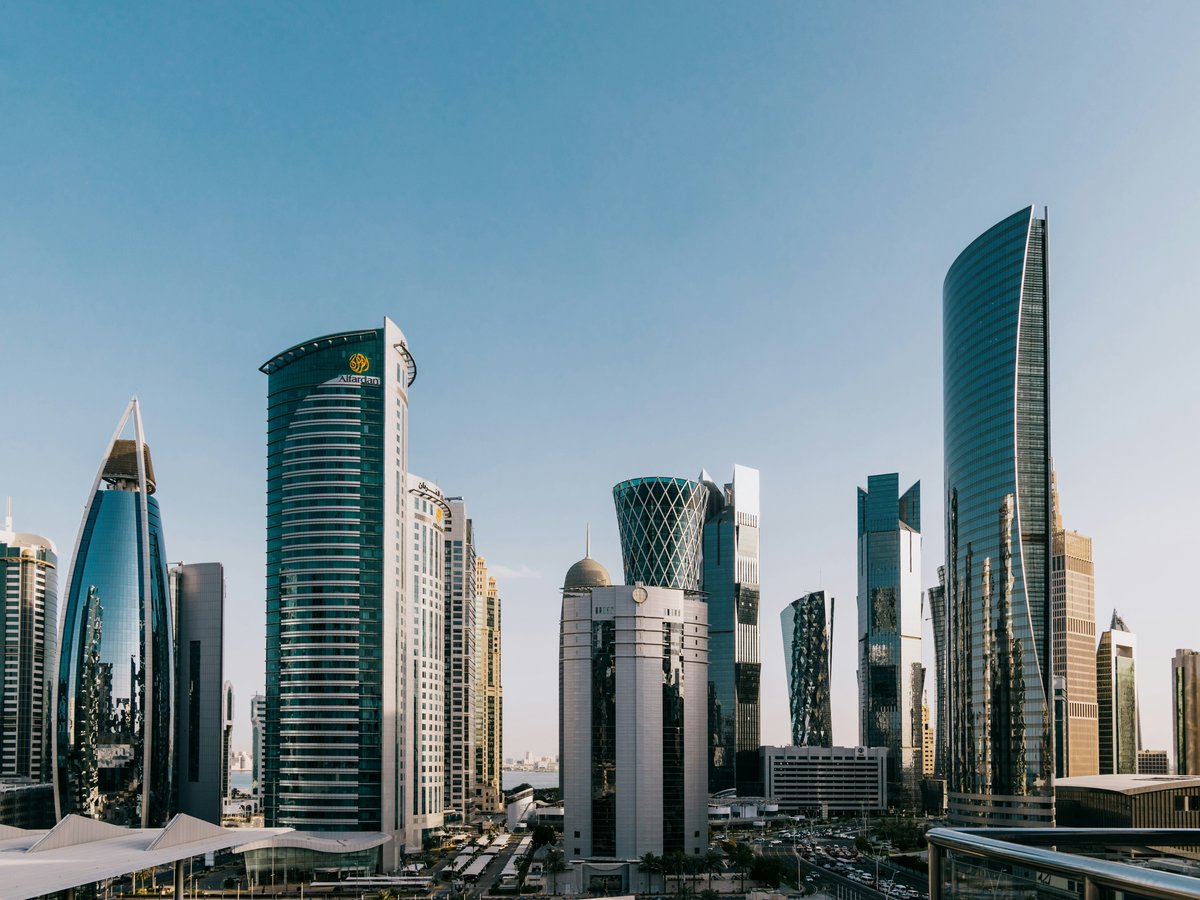
Where do locals actually go in Doha?
Qataris and long-term residents tend to split between Souq Waqif's deeper alleys past the spice vendors, the Msheireb Downtown cafes along Sikkat Al Wadi, and the Al Sadd residential strip around C Ring Road. After dark, the Corniche fills with families and shisha smoke from about 8pm. Al Wakra's old fishing harbor, 15km south, draws a weekend crowd that rarely sees a tourist.
Souq Waqif gets dismissed as tourist territory, and the front entrance near the Al Wadi Hotel side is exactly that. But walk 5 minutes past the spice stalls, toward the falcon sellers on the western edge, and the crowd shifts. Qatari men in white thobes sit at Shay Al Shomous and drink karak chai for 3 QAR (about $0.80) from brass pots. The cardamom hits your nose before you reach the counter. The bird market section, open from 7am, smells like hay and cedar shavings. That said, the real surprise for nomads is Msheireb Downtown, the low-rise district that opened in phases from 2018 to 2022. Sikkat Al Wadi street has Flat White Specialty Coffee and Café #999 at Fire Station, where Doha's creative class works on laptops past noon without being hassled. Wi-fi at Café #999 tested at 45-60 Mbps on three visits. The air conditioning is aggressive, so bring a layer.
Al Sadd, the neighborhood along C Ring Road between Al Rayyan Road and Salwa Road, is where Doha's middle-class expat families and working Qataris live. The grocery infrastructure is solid. Al Meera supermarket on Al Sadd Street stays open until midnight, and the Filipino and Indian restaurants on the back streets serve meals for 15-25 QAR ($4-7). You'll hear Tagalog and Malayalam more than English here. Bin Mahmoud, one block east, has a similar feel but slightly cheaper rents. Studios on Najma Street go for around 3,500-4,500 QAR per month ($960-$1,235). Mind you, the buildings look tired. Peeling paint, slow elevators, landlords who take 3-4 days to fix the AC. But the location works. You're 10 minutes by taxi to West Bay, 15 to Souq Waqif, and the Metro Red Line stops at Al Sadd station.
Aspire Zone, the sports complex in Al Waab built for the 2006 Asian Games, is where Doha goes to exercise after 7pm when the temperature drops from 40°C to a still-warm 33°C. The park around Khalifa International Stadium (built in 1976, renovated for the 2022 World Cup) fills with joggers, families on blankets, and pickup football on the grass. The Torch hotel's ground-floor café has decent wi-fi and stays quiet on weekday evenings. To be fair, Aspire Park closes at 10pm and security will move you along. For weekends, Al Wakra's old dhow harbor sits 15km south on Al Wakra Road and has the best local-to-visitor ratio in the Doha metro area. The restored waterfront souq there is smaller than Souq Waqif, with maybe 30 shops. Fishermen still sell the morning catch from coolers on the quay around 6am. The smell of brine and diesel hangs in the humid air.
Timing matters more in Doha than in most cities. From June through September, daytime temperatures sit above 40°C with humidity that currently makes 36°C feel like 39°C. Local life shifts almost entirely to after sunset. The Corniche fills between 8pm and midnight with families, food trucks, and the warm salt breeze off the Gulf. Friday is the day off, not Sunday. Thursday night functions like Saturday night elsewhere, and Al Sadd's shisha cafés along C Ring Road stay packed until 2am. During Ramadan (dates shift yearly), non-Muslim nomads can still eat, but only in hotel restaurants and behind screens until iftar around 6pm. Worth noting, the post-iftar rush between 7pm and 9pm is when souqs and malls feel most alive. That 2-hour window is the closest Doha gets to a European passeggiata.
Where they actually go
Shay Al Shomous
Souq Waqif, west side: Brass tea pots, no menu, 3 QAR karak chai. Qatari regulars in white thobes on low cushions. The cardamom smell carries 20 meters down the alley. No wi-fi, no tourists past the falcon sellers.
Café #999 at Fire Station
Msheireb Downtown: Doha's art crowd on laptops, concrete floors, AC set to freezing. Wi-fi tested at 45-60 Mbps. Staff won't bother you for hours. Espresso runs 18 QAR ($5).
Flat White Specialty Coffee
Sikkat Al Wadi, Msheireb: Third-wave pour-overs, young Qatari professionals, and the occasional architect with blueprints. Quieter than Café #999 by mid-afternoon. Flat white costs 22 QAR ($6).
Al Wakra Old Souq
Al Wakra: Restored fishing-village waterfront 15km south. About 30 shops, fresh catch sold from quayside coolers at 6am. Salt air and diesel. Weekend families, almost zero tourists.
Aspire Park
Al Waab: Post-sunset joggers and pickup football on grass near Khalifa Stadium. Families on blankets, warm evening breeze. Closes at 10pm sharp. Built for the 2006 Asian Games.
C Ring Road shisha cafés
Al Sadd: Thursday-night territory for South Asian and Arab expats. Apple-tobacco smoke, Arabic coffee, football on screens. Packed 10pm-2am Thursday and Friday. Most places charge 25-40 QAR ($7-11) per pipe.
Corniche food trucks
West Bay to MIA Park: Nightly 8pm-midnight scene. Warm Gulf breeze, families on foot, karak and shawarma from parked trucks at 10-15 QAR ($3-4). The stretch near the Museum of Islamic Art (opened 2008) has the best view across the bay.
Katara Beach
Katara Cultural Village: Public beach where Doha families go Friday mornings. Coarse sand, shallow warm water, lifeguards on duty. Entry is free. The café row behind the beach has wi-fi but it's slow, around 8-12 Mbps.
Best times to visit
Thursday nights 9pm-1am for shisha and café culture along C Ring Road. Friday mornings 7-10am for Souq Waqif's bird market and karak runs. The Corniche fills nightly after 8pm from October through April.
Last verified by automated review (v1.7.2) on . What is automated review?