Is Doha safe?
Doha is safe for solo travellers, and TTDI scores it 6.8/10 for solo-traveler safety (see the TTDI Solo-Safety Index), with street crime around Souq Waqif, Msheireb and West Bay rare at any hour. The marks come off for desert heat, fast traffic, strict laws on alcohol and relationships, and Gulf regional tension since 2025.
Petty crime in Doha is low enough that the habits you bring from Barcelona or Rome feel excessive here. We have watched people leave phones and laptops on cafe tables in Msheireb while they pray or order, and the things were still there 20 minutes later. Souq Waqif is at its busiest after 9pm, when the alleys smell of oud smoke and charcoal-grilled lamb and families with toddlers are still out near midnight. The 7 km Corniche from the Museum of Islamic Art to the Sheraton end of West Bay is lit, patrolled and full of joggers once the evening air cools. Walk it alone at 11pm. Police answer 999 in English and Arabic, and uniformed staff stand at most Doha Metro stations.
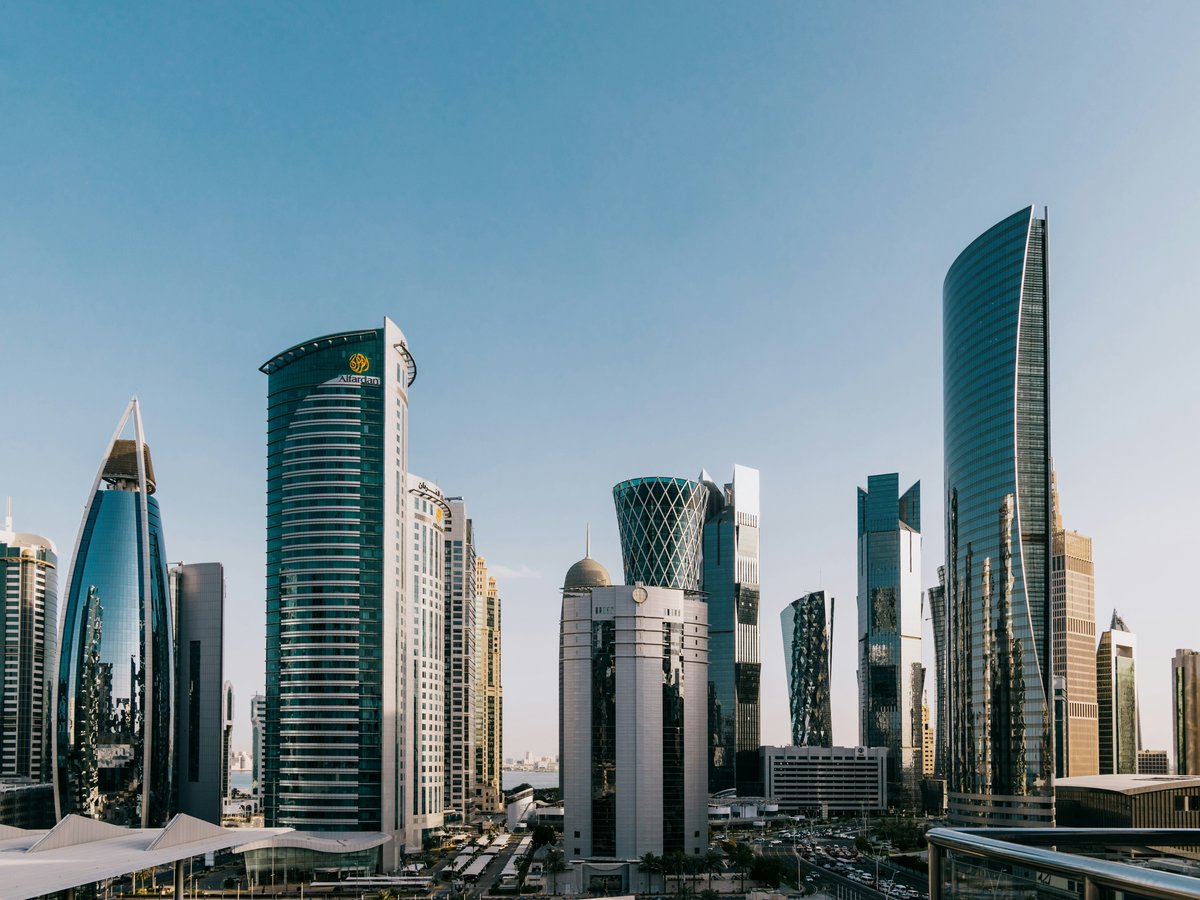
The risks that do reach visitors in Doha are heat and cars. The city read 36.0°C at 2pm on 13 October 2026, and the air felt closer to 40.2°C, like a hair dryer held to the face. Afternoons from June to September run hotter still, so a solo walker with no one to notice the early signs of heatstroke should carry a litre of water and keep outdoor stretches under 15 minutes. Traffic on Al Corniche Street is the second hazard. Drivers of white Land Cruisers there and on the Lusail Expressway tend to tailgate at speed, and pedestrian crossings in West Bay are scarce enough that a 300-metre walk between towers can mean a detour through a hotel lobby. Use the Metro instead. A standard ride costs QAR 2, about $0.55 at the 12 October rate of 3.64 QAR to the dollar, and the carriages are chilled to the point that you might want a light layer.
The law is what earns our caution, and it is why the solo figure trails Doha's family-friendliness score of 7.8/10 (see the TTDI Family-Friendliness Index). Alcohol is sold at licensed hotel bars and restaurants and nowhere else, a beer in West Bay tends to cost QAR 45 to 60, and being visibly drunk on the street is an arrestable offence. Vapes and e-cigarettes are banned from import and may be confiscated at Hamad International Airport. Sex outside marriage is illegal, and same-sex relations are criminalised under the Qatari penal code, which is why LGBTQ+ friendliness scores 0.5/10 (sourced from TTDI's editorial rubric). Public affection between any two people can draw a police warning in Qatar. Cover shoulders and knees at the National Museum of Qatar and at government buildings, and ask before you photograph anyone at Katara Cultural Village, where women in abayas may object.
Solo women in Doha tell us the friction is staring, not threat. Friday is the day off for the city's large male migrant workforce, and by 5pm the pavements around Al Ghanim bus station and the Industrial Area are almost entirely men. It appears to be curiosity more than menace, but it is tiring, and our pick for a woman alone on a Friday evening would be Katara or The Pearl. Every Metro train has a Family carriage reserved for women and children, plus a quieter Gold Club car with padded seats for QAR 10, and the network tends to close around midnight, later on Thursdays and Fridays. After that, book a turquoise Karwa taxi or an Uber through the app so the fare and the plate are logged. Unmarked cars outside Hamad International are the one taxi habit to skip, since touts there might quote QAR 150 for a ride the meter does for about 50.
Then there is the Gulf itself. Iran fired missiles at Al Udeid Air Base, about 30 km southwest of the city, on 23 June 2025, and an Israeli air strike hit a residential compound in Doha on 9 September 2025. Neither attack targeted visitors, and shops reopened within hours, but Qatari airspace closed for part of that June evening. Read your government's Qatar advisory the week you fly, and take out a policy that covers evacuation and flight disruption, such as World Nomads. The day-to-day reality of Doha is kinder than those headlines. The Yemeni and Iranian grills behind the falcon souq seat one person without a blink, and a plate of lamb mandi runs about QAR 35. Do not drive the dunes to Khor Al Adaid alone: a small-group 4x4 trip booked on Viator tends to cost QAR 200 to 300, puts you in a car with four or five other travellers, and comes with a driver who knows where the sand goes soft.
Emergency number: 999
Official travel advisories
Reconsider non-essential travel the most cautious of 3 government assessments
- Government of CanadaLevel 3Avoid non-essential travel View advisory
- UK Foreign OfficeLevel 1No FCDO travel restriction View advisory
- US State DepartmentLevel 3Reconsider Travel View advisory
Verified from the issuing governments' own feeds.
Areas to avoid
- Industrial Area (Sanaiya), nothing for visitors and heavy truck traffic
- Al Ghanim bus station surrounds on Friday evenings, for solo women who want to avoid staring
- Unmarked taxi touts outside Hamad International Airport arrivals
- Self-driving the dunes to Khor Al Adaid without a guide
Common concerns
- Heat exhaustion on outdoor walks, with October afternoons still above 35°C
- Fast, tailgating traffic and few pedestrian crossings in West Bay
- Alcohol limited to licensed hotel venues, public drunkenness is an offence
- Same-sex relations and sex outside marriage are criminalised
- Vapes and e-cigarettes confiscated at the airport
- Staring at solo women in male-dominated areas on Fridays
- Regional missile and air strike incidents in June and September 2025
- Dress expectations at museums and government buildings
Last verified by automated review (v1.7.2) on . What is automated review?