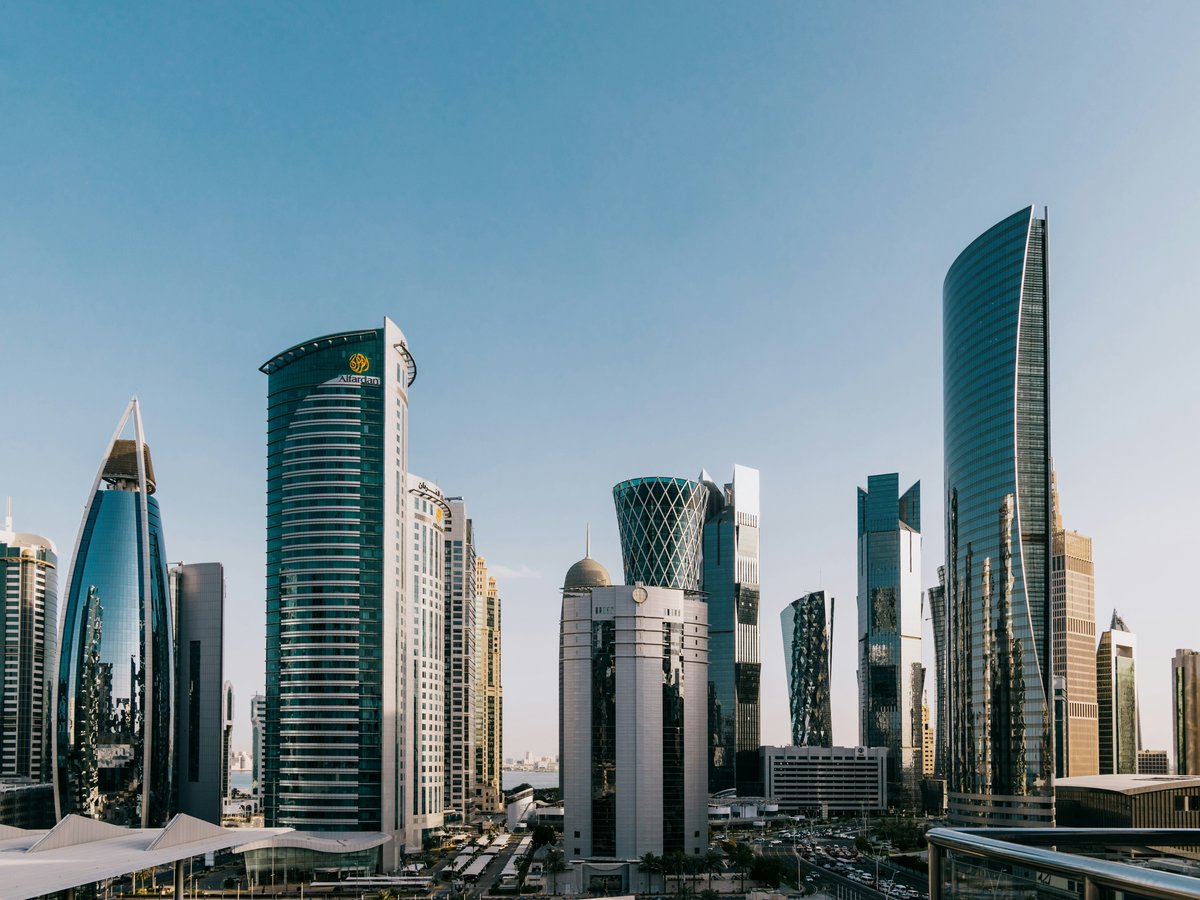
Doha's shopping culture splits cleanly between two worlds. On one side, you have the climate-controlled luxury malls that line the West Bay skyline, stocked with every European fashion house you can name. On the other, there's Souq Waqif, where the smell of oud and bukhoor drifts through narrow alleyways and merchants still sell falcon hoods by hand. Qatar has no sales tax, which tends to make high-end goods noticeably cheaper than in Europe. The country's gold market remains one of the Gulf's strongest, with 18- and 22-karat pieces sold by weight at rates that track the London fix. You'll also find a surprisingly deep carpet trade here, with dealers importing directly from Iran, Afghanistan, and Turkey. Most visitors default to the malls, but the more interesting shopping happens in the older districts south of the Corniche, where Qatari families still buy saffron, perfume oils, and fabric by the meter.
Shopping districts
-
Souq Waqif district
budget to mid-rangeThe restored traditional market in the heart of Doha sits between the Corniche and Al Souq Street. It feels genuinely old, though most of the current structures date to a 2006 restoration that used traditional materials and methods. The narrow lanes branch into specialized sections for spices, textiles, pets, and perfume. Qatari families shop here for oud, bakhoor incense, and loose saffron. You'll hear falcons calling from the Falcon Souq on the western edge. The pet section sells everything from Arabian horses to kittens, which can be disorienting. At night the restaurants fill up and the atmosphere shifts from commerce to social gathering. Prices here are negotiable and generally reasonable, though tourist-facing stalls near the main entrances mark things up.
Best for: Spices, perfume oils, oud, traditional textiles, gold, and atmosphere
-
West Bay and Lusail Marina District
luxuryThe glass-tower stretch along Doha's northern waterfront holds the city's concentration of high-end retail. Place Vendome in Lusail opened in 2022 with over 500 stores across 5 floors, and it currently ranks among the largest malls in the Middle East by leasable area. The Galleria Mall nearby skews toward the very top end, with Chanel, Dior, and Cartier. These malls feel built to impress, with marble floors you could eat off. The clientele tends to be wealthy Qataris and Gulf tourists. Worth noting, prices on luxury goods often run 5 to 15 percent below what you'd pay in Paris or London, given Qatar's zero VAT.
Best for: Designer fashion, watches, fine jewelry, and high-end cosmetics
-
The Pearl-Qatar, Medina Centrale and Qanat Quartier
mid-range to luxuryThe Pearl is a man-made island off West Bay with a Mediterranean-village look that some find charming and others find a bit theme-park. Medina Centrale has the restaurant and cafe scene. Qanat Quartier channels Venice, complete with canals and pastel facades. The retail here sits in the mid-to-high range, with independent boutiques mixed among familiar names. You'll find Qatari designer abayas, local perfume houses, and a few galleries selling contemporary Gulf art. Weekend foot traffic picks up after 8 PM when temperatures drop. The Porto Arabia marina boardwalk has a Friday market that rotates seasonal vendors.
Best for: Gulf fashion, boutique perfumeries, contemporary art, and waterfront browsing
-
Al Sadd and C Ring Road area
budget to mid-rangeThis older commercial strip runs through central Doha and tends to be where residents shop day-to-day. Electronics stores cluster along C Ring Road. Tailoring shops do brisk business with both Qatari and South Asian customers. You'll find fabric stores selling Indian silks and Japanese denim side by side. The Royal Plaza mall and other mid-tier centers sit along this corridor. Prices here are noticeably lower than West Bay, and the vibe is more workaday than performative. Al Sadd is also where you'll find some of the city's better-value gold shops outside the souq.
Best for: Electronics, tailoring, fabrics, everyday goods, and budget gold
-
Villaggio Mall, Al Waab
mid-rangeVillaggio opened in 2006 and still draws crowds with its Venice-themed interior, complete with an indoor canal and gondola rides. It sits in the Al Waab area, south of the Aspire Zone. The tenant mix covers the mid-range well, with Zara, H&M, and regional fashion chains alongside a large Carrefour hypermarket. Qatari families treat it as a weekend destination. The food court is one of the city's largest. That said, the novelty of the gondolas wears off quickly, and the layout can feel like a labyrinth. It's practical for one-stop shopping if you need clothes, groceries, and a cinema in the same trip.
Best for: Mainstream fashion, family outings, and grocery shopping
-
Doha Festival City, Umm Salal
mid-rangeNorth of central Doha near the Lusail development, Festival City opened in 2017 with IKEA as its anchor tenant, the first in Qatar. The mall pulls a younger demographic and families from the northern suburbs. The retail runs from fast fashion to home furnishings. An indoor snow park called Snow Dunes and a Virtuocity gaming zone make it family-oriented. It tends to be less crowded than Villaggio on weekends. Carrefour and Monoprix handle the grocery side.
Best for: Home furnishings, family entertainment, fast fashion, and groceries
Markets
-
Souq Waqif
traditional souqThe anchor of Doha's market scene and the closest thing to a traditional Arab souq the city has. The spice section smells like a wall of cardamom, dried limes, and saffron. Iranian saffron sells here for a fraction of what you'd pay in Europe, though quality varies and you should buy from shops that let you inspect the threads. The textile alley stocks pashminas, cotton dishdashas, and embroidered fabrics. The gold section sits at the southern end, with dozens of small shops displaying pieces in illuminated cases. Fridays tend to be quieter in the mornings, then packed after evening prayer. The falcon section operates its own small economy, with birds selling for thousands of riyals and accessories like leather hoods and perches stacked on shelves.
Most shops open Saturday to Thursday around 8 AM to noon, then 3 PM to 9 PM or later. Friday hours typically start after 3 PM. Some shops close for midday during summer.
-
Souq Waqif Art Center and Al Jasra Handicraft area
artisanTucked behind the main souq lanes, a cluster of galleries and craft workshops operates near the Al Jasra end. Qatari artisans here work in traditional crafts like dhow-building miniatures, gypsum carving, and al-sadu weaving, the Bedouin textile art using geometric patterns. The pieces tend to be genuinely handmade and priced accordingly. You might find an al-sadu cushion cover or a hand-carved wooden incense burner. The workshops sometimes let you watch the process, which makes for better context than a shelf tag ever could.
Afternoons to evenings, typically 4 PM to 9 PM. Some workshops keep irregular hours.
-
Katara Friday Market
food and artisanThe Katara Cultural Village hosts a weekly outdoor market on Fridays during the cooler months, roughly October through April. Vendors sell handmade goods, organic produce, local honey, baked goods, and small-batch cosmetics. The quality is uneven but the setting is pleasant, with the market laid out along Katara's waterfront promenade near the amphitheater. It draws an expat crowd looking for artisan breads, homemade jams, and plants. You might stumble across a Qatari vendor selling handmade bakhoor or a Filipino baker with ube pastries.
Fridays during cooler months (roughly October to April), typically morning to early afternoon.
-
Souq Al Dira (Wholesale Market Area)
food wholesaleSouth of Souq Waqif near the old port area, a cluster of wholesale shops sells bulk spices, nuts, dried fruits, and household goods. This is where restaurant owners and large families buy in quantity. The prices drop meaningfully when you buy by the kilo. Pistachios, almonds, dried apricots from Iran and Turkey, and sacks of basmati rice fill the shelves. It's not set up for tourists, which is part of the appeal. The area gets busy early morning and quiets down by noon.
Early morning to early afternoon, Saturday through Thursday. Limited Friday hours.
-
Porto Arabia Weekend Market
artisan and foodThe Pearl-Qatar's Porto Arabia marina boardwalk hosts a rotating weekend market, typically on Saturdays during the winter season. Local small businesses, expat entrepreneurs, and home-based food vendors set up stalls along the waterfront. You'll find handmade candles, Arabic calligraphy prints, locally roasted coffee, and baked goods. The setting along the marina at dusk is hard to beat. Foot traffic peaks after sunset when the temperature drops below 25 degrees Celsius.
Saturdays during cooler months, typically late afternoon to evening. Schedule can shift, so check The Pearl's social media pages.
Souvenirs worth bringing home
Oud and bakhoor incense are the signature Doha purchase. Genuine agarwood oud chips from Souq Waqif start around 50 QAR for lower grades and climb steeply. Arabian perfume oils (attar) sold in small glass bottles make portable gifts that pack more scent per milliliter than most Western fragrances. Saffron from Souq Waqif, usually Iranian or Afghan, costs significantly less than European retail, roughly 30 to 80 QAR per gram depending on grade. Al-sadu woven pieces, the traditional Bedouin textile with red, black, and white geometric patterns, are one of the few things genuinely specific to Qatar. Look for cushion covers or small bags. Gold jewelry sold by weight in the souq follows the daily spot price, with a making charge on top, typically 10 to 30 percent depending on complexity. Qatar-branded items from the Mathaf gift shop or the National Museum of Qatar shop tend to be better designed than the generic airport fare. Dates stuffed with almonds or candied orange peel, packed in decorative boxes, remain the classic edible gift. Mind you, Arabic coffee pots (dallah) in brass or copper make a distinctive shelf piece but they're heavy to fly home. Pashmina scarves sell everywhere, but most are machine-made imports from South Asia. The handwoven ones cost significantly more and you can feel the difference in the weave.
Practical tips
- Bargaining
- Bargaining is expected in Souq Waqif and most traditional market settings. Start at around 60 to 70 percent of the asking price and work from there. In the gold souq, margins are thinner because pieces are priced by weight, so you're mainly negotiating the making charge. Malls have fixed prices with no negotiation. Electronics shops along C Ring Road sometimes have slight flexibility, especially on accessories or bulk purchases.
- Tax and duty-free
- Qatar has no VAT or sales tax, so the price you see is the price you pay. There is no tourist tax refund scheme because there is no tax to refund. This makes Qatar competitive on luxury goods compared to European cities where VAT can add 15 to 25 percent. Doha's Hamad International Airport has extensive duty-free shopping, but prices there are not always lower than in-city shops, especially for perfume and electronics. Compare before you buy.
- Opening hours
- Mall hours typically run 10 AM to 10 PM Saturday through Wednesday, extending to 11 PM or midnight on Thursday and Friday. Souq Waqif keeps split hours during hotter months, opening in the morning, closing for midday heat, then reopening around 3 or 4 PM until 9 or 10 PM. Friday mornings are quiet everywhere. During Ramadan, expect shorter daytime hours and much later evening hours, with some souq shops staying open past midnight.
- Payment methods
- Credit cards are accepted at all malls and most established shops. Souq Waqif is still partially cash-dependent, especially for smaller vendors selling spices and incense. ATMs are plentiful. The Qatari riyal is pegged to the US dollar at 3.64 QAR per USD, so the exchange rate is predictable. Apple Pay and Google Pay work at most modern retail terminals. Currency exchange offices near Souq Waqif offer competitive rates on major currencies.
- Seasonal timing
- The winter shopping season from November through February brings cooler weather and more outdoor markets. The Qatar Shopping Festival has historically run in January or February with discounts across participating malls, sometimes 25 to 75 percent off. Summer sales in June through August clear inventory at significant markdowns, but outdoor markets shut down entirely because daytime temperatures regularly exceed 45 degrees Celsius. Ramadan timing shifts each year. During Ramadan, post-iftar shopping from 8 PM to midnight tends to be the busiest period.
- Shipping and customs
- Large carpet dealers in Souq Waqif and the gold souq are accustomed to shipping internationally and can arrange freight. Keep receipts for anything valuable, especially gold and electronics, as your home country's customs may require proof of purchase. Qatar allows export of most goods without restriction, though genuine antiques may require documentation. If you're buying a carpet marketed as antique, ask the dealer about export paperwork before you pay.
FAQ
Is Doha cheaper for luxury goods than Europe?
It tends to be, yes. Qatar charges no VAT, while EU countries add 15 to 25 percent on top of retail prices. A handbag listed at the same base price will cost measurably less in Doha. That said, selection can be narrower than flagship stores in Paris or Milan, and limited-edition pieces don't always make it to Qatar. For watches, the savings can be significant, especially on brands like Rolex or Omega that maintain consistent pricing tiers.
Can I bargain in Doha's malls?
No. Mall prices are fixed across the board. Bargaining is limited to traditional markets like Souq Waqif, independent electronics shops, and some fabric stores. In the gold souq, you negotiate the making charge but not the gold weight price, which follows the daily spot rate. Attempting to bargain in a mall will likely get you a polite but firm no.
What are typical Souq Waqif opening hours?
Most Souq Waqif shops open around 8 AM, close by noon for the midday heat, then reopen around 3 or 4 PM and stay open until 9 or 10 PM. Friday mornings are mostly closed, with shops reopening after afternoon prayer, around 3 to 4 PM. During Ramadan, daytime hours shorten but evening hours extend well past midnight. The restaurants in the souq tend to keep later hours than the retail shops.
Is it safe to buy gold in Souq Waqif?
Qatar's gold market is well regulated. All gold sold must be hallmarked with the karat purity, and shops are licensed by the Ministry of Commerce. Prices track the international spot price closely, and you can verify the day's rate on any financial site before you walk in. The main risk is overpaying on the making charge, which is where bargaining matters. Reputable shops will weigh the piece in front of you and show you the calculation. Ask for a receipt that lists the weight, karat, and making charge separately.
What should I avoid buying in Doha?
Generic "Arabian" souvenirs mass-produced in China fill certain stalls in Souq Waqif, especially near the main tourist entrances. Camel figurines, keychain daggers, and pre-packaged "Arabian spice mixes" tend to be overpriced for what they are. Fake brand-name goods appear occasionally in smaller shops. Electronics from unestablished vendors sometimes lack regional warranties. If a deal on a phone or camera seems too good, it likely is.
Are outdoor markets open during Doha's summer?
Effectively, no. From May through September, daytime temperatures regularly hit 40 to 50 degrees Celsius, and outdoor markets shut down or move indoors. The Katara Friday Market, Porto Arabia weekend market, and similar seasonal events operate only during the cooler months, roughly October through April. Souq Waqif's covered sections remain open year-round, though the midday closure stretches longer in summer. If you're visiting in July or August, plan your shopping around air-conditioned malls and the souq's evening hours.
Last verified by automated review (v1.7.2) on . What is automated review?