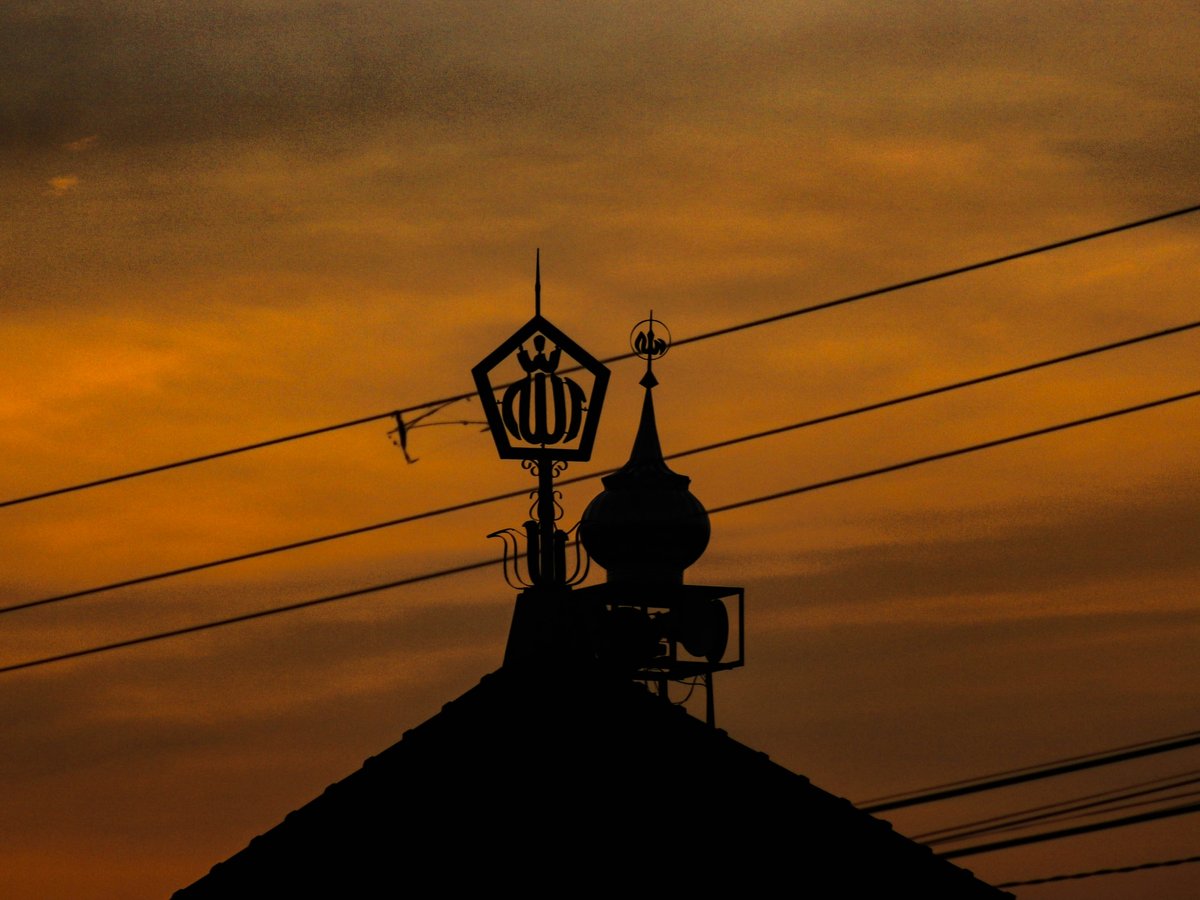
Stay in Yogyakarta in June
86 hotels in the Trip.com pool for Yogyakarta, from US$8 a night.
Opens Trip.com on Fri 4 Jun to Sun 6 Jun 2027; change the dates there.
June is when Yogyakarta enters its dry season. The southeast trade winds from Australia push the monsoon away, and most days start clear over Merapi and stay dry into the evening. The 168mm (6.6 in) long-term June average is misleading: wet La Niña years such as 2016 and 2022 pull it up. In a typical year, rain falls on only 4 to 8 days, often as a single evening storm. Daytime highs sit around 30.6°C (87°F), and nights drop to about 22.6°C (73°F). At 4am on the road to Prambanan, that feels almost cool on a motorbike.
The Indonesian school calendar matters here. Holidays typically start in the last week of June. From that point, families from Jakarta and Surabaya fill Jalan Malioboro, Taman Sari, and the Prambanan ticket gates, and guesthouses in Prawirotaman stop discounting. The first three weeks are the window. You can walk up to the Kraton gate at 8:30am without a queue.
The Javanese calendar also lands in June in 2026. Sultan Agung merged the Saka and Islamic lunar calendars in 1633, so 1 Suro, the Javanese new year, falls with 1 Muharram, which shifts about 11 days earlier each year. Malam 1 Suro, the eve, falls on June 15, 2026, and Islamic New Year is a public holiday on June 16. On that night the Kraton's retainers lead a silent walk around the palace walls. Visitors can watch or follow quietly.
Why visit in June
- June is one of Yogyakarta's driest months. Most years bring only 4 to 8 rainy days, so temple mornings at Prambanan and Plaosan rarely get washed out.
- The Ramayana Ballet moves to the open-air Trimurti stage at Prambanan for the dry season, with the floodlit temple towers rising behind the dancers.
- Dawn fog fills the valleys below Hutan Pinus Mangunan in Bantul more reliably from June on, as clearer mornings replace the monsoon haze.
- Before the school holidays, guesthouse rates in Prawirotaman and Sosrowijayan stay close to the yearly norm.
- ArtJog, Indonesia's largest contemporary art fair, opens at Jogja National Museum in the second half of the month.
Worth knowing
- June is not reliably dry every year. In La Niña years like 2016 and 2022, storms kept arriving through June and flooded the lanes off Jalan Parangtritis.
- Stone terraces at Prambanan and Ratu Boko have almost no shade, and by 11am the sun makes them hard work even at 30°C (87°F).
- The Kraton closes in the early afternoon, and earlier on Fridays, so palace visits have to fit into the morning.
- Fruit stalls at Pasar Beringharjo are in a seasonal lull. Mangosteen and rambutan are finished, and the mango harvest usually starts around September.
Best for
Think twice if
June marks the start of Yogyakarta's dry season. The long-term average is 168mm (6.6 in), but wet La Niña years like 2016 and 2022 push that figure higher. In a normal year, rain falls on roughly 4 to 8 days, typically as a single evening storm rather than a daily pattern. Mornings are clear, and Merapi's summit stays visible until around 9am. Average humidity runs at 82%, lower than the January-to-March wet season. The midday sun around Malioboro still presses down hard, while nights and dawns are noticeably cooler. July and August are drier still.
Seasonal caution
- Rip currents and heavy Indian Ocean swells hit Parangtritis, Depok, and the Gunungkidul beaches from June to August. People drown there nearly every year. Take the red flags seriously.
- In wetter years, a heavy downpour can close Goa Jomblang and Goa Pindul in Gunungkidul for the day, since caving operators suspend descents after significant rain.
Year-round climate
Averages from the last 5 years.
| Month | Avg high (°C) | Avg low (°C) | Rainfall (mm) |
|---|---|---|---|
| Jan | 29 | 23 | 302 |
| Feb | 30 | 23 | 359 |
| Mar | 30 | 23 | 288 |
| Apr | 30 | 23 | 257 |
| May | 31 | 23 | 196 |
| Jun | 31 | 23 | 168 |
| Jul | 30 | 21 | 54 |
| Aug | 31 | 21 | 65 |
| Sep | 31 | 22 | 117 |
| Oct | 31 | 23 | 215 |
| Nov | 30 | 23 | 395 |
| Dec | 30 | 23 | 281 |
Holidays and festivals in June
Public holidays
- Pancasila Day(Hari Lahir Pancasila)1 June 2027
Best things to do in June
Ramayana Ballet on the open-air stage at Prambanan
cultureAround 200 dancers and a gamelan orchestra perform the Ramayana on the Trimurti open-air stage, with the 9th-century temple complex (founded 850) floodlit behind them.
The outdoor stage runs only in the dry season. In the monsoon months, the show moves indoors and loses the temple backdrop.Booking tipBook 1–2 weeks ahead for late-June dates, when domestic tour groups fill the front sections.
Silent walk around the Kraton walls on Malam 1 Suro
cultureAbdi dalem (palace retainers) in Javanese dress lead thousands of residents around the Kraton's outer walls, a walk called Lampah Budaya Mubeng Beteng. Talking, eating and smoking aren't allowed.
1 Suro follows the Javanese-Islamic lunar calendar and falls with 1 Muharram 1448 on June 16, 2026. It moves about 11 days earlier each year, to around June 5–6 in 2027.Booking tipThe walk is free and needs no ticket. Arrive at Keben, the Kraton's north gate, before 10pm on June 15, 2026. Dress modestly and keep your phone flash off.
Sea-of-fog sunrise at Hutan Pinus Mangunan
natureThe Mangunan pine forest and the fruit-garden viewpoint in Dlingo, Bantul, look down on the Oya river valley as fog fills it at first light.
Clear, still dry-season mornings make the fog layer far more reliable from June than in the monsoon months.Booking tipLeave the city by 4:15am. The ride is about 25 km (16 mi) and takes 50 minutes.
Goa Jomblang light beam descent
adventureYou're lowered 60m (197 ft) by rope into a collapsed sinkhole in Gunungkidul. At the bottom, a shaft of noon sun falls into the forest below.
The light beam appears consistently once the rainy season ends; June is the first month when descents run with few cancellations.Booking tipOperators cap daily numbers, so reserve at least 3 days ahead and confirm on the morning of the trip.
ArtJog at Jogja National Museum
artArtJog is Indonesia's largest annual contemporary art fair. It occupies several floors of a former art-school building in Wirobrajan.
Opening week falls in late June, with artist talks, performances, and the least crowded galleries of the run.Booking tipBuy tickets online and go on a weekday morning: weekend afternoons in July get crowded.
Sunrise over Merapi from Kaliurang
natureA 4x4 lava tour from Kaliurang climbs through the 2010 eruption zone to viewpoints facing Merapi's summit, 2,930m (9,613 ft) high.
The summit often stays clear until 9am in June. In the wet months, cloud usually hides it by dawn.Booking tipCheck the Merapi alert level with the local volcanology office (BPPTKG) the day before, because routes close when activity rises.
What to eat in June
On menus now
Sate klathak
Grills along Jalan Imogiri Timur in Pleret cook goat skewered on bicycle spokes. Dry June evenings make the open-air benches there far more pleasant than in the wet months.
Street food peaks
Jadah tempe
Warungs in Kaliurang sell this sticky rice cake paired with sweet braised tempeh. It's the standard snack after a cool sunrise jeep tour on Merapi's slopes.
What to drink
Wedang ronde
Hawkers around Alun-Alun Kidul sell this ginger broth with glutinous rice balls and peanuts. It suits the cooler dry-season evenings, when the south square fills after 8pm.
Wedang uwuh
This spiced drink from Imogiri, in Bantul, is steeped with sappan wood, clove and cinnamon leaf. The wood turns the water red, and a warm glass suits the cool 22°C (72°F) June nights.
Festival food
Bubur suran
Families in Kotagede and around the Kraton cook this savoury coconut rice porridge for 1 Suro. It's topped with seven kinds of beans and shared as a new-year offering.
Regular events in June
Hari Lahir Pancasila (Pancasila Day)Free
This national holiday marks the state ideology. Government offices close, and Tugu and the Malioboro area host flag ceremonies and heavier local traffic.
June 1Malam 1 Suro and Lampah Budaya Mubeng BetengFree
The Kraton marks the Javanese new year with its silent procession around the palace walls, and families hold slametan offerings at home.
Expected on the night of June 15, 2026, with Islamic New Year (1 Muharram 1448) on June 16. It shifts about 11 days earlier each year.ArtJog
This contemporary art fair runs for about three months at Jogja National Museum, with a performance program on opening weekends.
Opens late June and runs to late August or September.Indonesian school holidaysFree
The end of the academic year sends domestic families to Yogyakarta by train and car. Weekend crowds at Taman Sari, Prambanan and Alun-Alun Kidul rise sharply.
Starts in the last week of June and runs to mid-July.Best places this June
Kraton Ngayogyakarta Hadiningrat
palaceThe Sultan's palace has stood since 1756. Morning gamelan and wayang performances in the pavilions are easiest to enjoy before the late-June crowds arrive.
KratonCandi Plaosan
templeThese twin Buddhist temples stand in rice fields about 1.5 km (0.9 mi) east of Prambanan. Late-afternoon light is clean on dry June days, and visitors are few.
Bugisan, Klaten borderRatu Boko
archaeological siteThis hilltop archaeological site looks back toward Prambanan and Merapi. The clearer dry-season air sharpens the sunset view across the plain.
Prambanan districtTaman Sari
historic siteThe former royal water palace and the Sumur Gumuling underground mosque sit inside a residential kampung. Go before 10am: by noon the air in the tunnels gets heavy.
KratonAlun-Alun Kidul
public squareOn the south square, locals try masangin, walking blindfolded between two banyan trees. Dry June evenings bring wedang ronde carts and neon-lit pedal cars.
KratonKotagede
neighborhoodThis old Mataram capital has silver workshops and lanes of Kalang-style houses. Early June mornings are quiet before domestic tours arrive.
KotagedePasar Beringharjo
marketThe market on Jalan Malioboro stocks batik on the ground floor and keeps a spice-and-jamu section at the back. Arrive by 8am, before the heat builds.
MalioboroJogja National Museum
galleryThe gallery complex hosts ArtJog, and its courtyard stays open into the evening during the fair.
Wirobrajan
Your packing checklist
Tick items off as you pack. Your progress saves in this browser.
All packed — have a great trip.
Insider tips
Buy the combined Prambanan and Ratu Boko ticket. Do Prambanan at opening, rest through the midday heat, then take the shuttle up to Ratu Boko for sunset.
Locals eat gudeg for breakfast on Jalan Wijilan, east of the Kraton's north square, not on Malioboro. Stalls there sell out by 10am.
Sosrowijayan's side alleys (gang) are cheaper and quieter than Prawirotaman in late June, and Tugu station is a 5-minute walk away.
The Kraton closes in the early afternoon, earlier on Fridays, so plan palace visits before noon and leave ArtJog or Taman Sari for later.
Avoid these mistakes
- Arriving in the last week of June without a train seat. KAI releases seats about 45 days ahead, and the Jakarta Gambir to Yogyakarta Tugu route sells out on holiday weekends.
- Scheduling Prambanan or Borobudur at 1pm. On shadeless stone terraces with 82% humidity, it's the worst slot of the day.
- Treating Malam 1 Suro as a party. The Kraton procession is a silent spiritual walk, and talking, selfie lights, and drones are unwelcome.
- Assuming June 2026's Suro dates apply next year. The Javanese-Islamic calendar moves about 11 days earlier each year, so 1 Suro falls in early June in 2027.
Practical tips for June
Book train seats and late-June rooms early: school holidays push both toward peak demand from around June 20. Yogyakarta International Airport (YIA) in Kulon Progo sits about 45 km (28 mi) west of the city; the airport rail link to Tugu takes around 40 minutes. Friday evening trains fill fast. Government offices and some museums, including Benteng Vredeburg, may close on June 1 for Pancasila Day and on June 16, 2026 for Islamic New Year. On Malam 1 Suro, parts of the Kraton compound can close early for palace rites: check at the Keben gate the day before. Tipping isn't expected, but rounding up for becak and andong drivers around Malioboro is standard. Carry a sarong in your day bag; dress rules apply at the royal sites and at Imogiri. For wider transit details, see https://en.wikivoyage.org/wiki/Yogyakarta#Get_around.
FAQ
Is June a good time to visit Yogyakarta?
Yes. June marks the start of the dry season, and the first three weeks are better than the last. In most years rain falls on only 4 to 8 days, the outdoor Ramayana season at Prambanan has begun, and rates stay near the yearly norm until the school holidays kick in around June 20. July and August are drier still, but also busier.
What is the weather like in Yogyakarta in June?
Expect warm, mostly dry days with highs around 30.6°C (87°F), clear mornings, and lows near 22.6°C (73°F). Humidity is lower than in the January–March wet season, though still around 82%. An occasional evening storm is possible, more so in La Niña years. Kaliurang and Mangunan feel cool at dawn: bring a layer.
Is Yogyakarta crowded in June?
Crowds are moderate until around June 20. Once the Indonesian school holidays begin, Malioboro, Taman Sari, and Alun-Alun Kidul get crowded on weekends, and Prambanan fills from 9am. Weekdays at opening time sidestep most of it.
Can you swim at the beaches near Yogyakarta in June?
No. The Indian Ocean swell is at its strongest from June to August at Parangtritis, Depok, and the Gunungkidul coves such as Indrayanti. Come for the cliffs, the seafood at Depok, and the sunsets: stay out of the water.
When is 1 Suro in 2026, and what happens in Yogyakarta?
1 Suro is the Javanese new year, following the Javanese-Islamic lunar calendar; it coincides with 1 Muharram 1448, falling on June 16, 2026. On the eve: expected the night of June 15: the Kraton's abdi dalem lead a silent circumambulation of the palace walls from the Keben north gate, and thousands of residents follow. Visitors in modest clothing are welcome to join quietly. The date shifts roughly 11 days earlier each year.
Things to Do in Yogyakarta in June
 Free cancellation
 Borobudur Sunrise from setumbu Hill , Merapi Volcano & Prambanan Full Day Tour
Day trip: 12 hours, free cancellation.
via Viator Free cancellation
 Borobudur Temple Climb To The Top & Prambanan Temple - 1 day tour
Day trip: 8 hours, free cancellation.
via Viator Free cancellation
 Yogyakarta: Borobudur Top Access & Prambanan Temple Private Tour
Day trip: free cancellation.
via Viator Free cancellation
 From Surabaya / Malang : Mt Bromo Sunrise - Ijen Blue Fire 2D1N
Outdoor experience: 2 days, free cancellation.
via Viator Free cancellation
 Jogja Hidden Gems - Cycling Tour
Outdoor experience: 3 hours, free cancellation.
via Viator Free cancellation
 Selogriyo Temple and Trekking Java Rice Terraces, hidden waterfall -Nature Java
Outdoor experience: 10 hours, free cancellation.
via ViatorLast verified by automated review (v1.7.2) on . What is automated review?