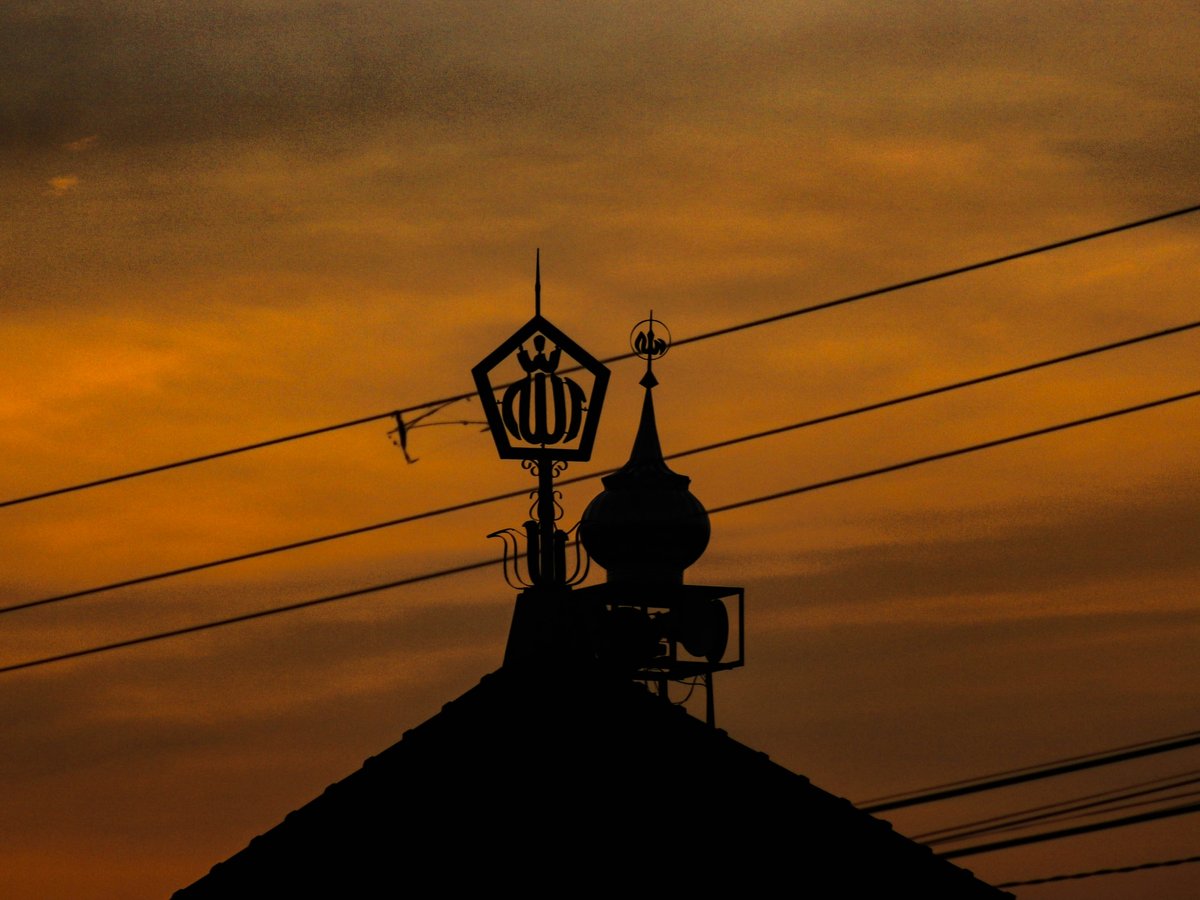
Stay in Yogyakarta in August
86 hotels in the Trip.com pool for Yogyakarta, from US$8 a night.
Opens Trip.com on Fri 6 Aug to Sun 8 Aug 2027; change the dates there.
August is Yogyakarta's dry-season peak, and the crowds are the main thing to plan around. July is the only drier month; August averages around 65mm (2.6 in) of rain across the whole month. European summer holidays pack the Prawirotaman guesthouses and fill sunrise slots at Prambanan. Days top out at 31°C (88°F). Nights drop to around 21°C (70°F): almost cool on a motorbike heading up Jalan Kaliurang after dark.
The calendar is busier than the weather. From Kotagede to Sosrowijayan, every kampung hangs red-and-white bunting for Indonesia's Independence Day. Kids climb greased areca poles; neighbours race each other in rice sacks. In 2026 and for a couple of years after, the Sekaten week and the Grebeg Maulud procession out of the Kraton also fall in August. That date shifts roughly 11 days earlier each year, following the lunar calendar.
This is not the quiet Jogja of February. By mid-morning there are queues at Taman Sari, and hotels charge high-season rates. August still ranks near the top of the year, mostly because clear skies keep the temples, caves, and the open-air Ramayana stage at Prambanan running without washouts.
Why visit in August
- Rain falls on around 12 days, typically as brief afternoon showers, so the Goa Jomblang descent, the Kaliurang lava tours, and dawn at Plaosan are rarely cancelled.
- The Ramayana Ballet plays on the open-air Trimurti stage at Prambanan, with the temple (built around 850) lit behind the dancers.
- Independence Day games turn neighbourhood alleys in Kotagede and Prawirotaman into free street fairs; anyone who wanders in is welcome to watch.
- Artjog, Indonesia's biggest contemporary art fair, runs into its final weeks at Jogja National Museum.
Worth knowing
- European summer holidays make August the busiest month for foreign arrivals; good guesthouses in Prawirotaman and Sosrowijayan sell out weeks ahead.
- Mid-range hotel rates near Tugu station and Malioboro run at high-season levels: well above what the same rooms cost in February.
- Big Indian Ocean swells arrive with the southern winter, and the south-coast beaches from Parangtritis to Gunungkidul turn rough.
- Clouds build around Mount Merapi by mid-morning, so the summit is often lost before 9am.
Best for
Think twice if
Dry south-easterly winds from Australia keep Yogyakarta's sky mostly clear. There are 12 rainy days on average, and they usually bring a short afternoon shower rather than the all-day downpours of November. Humidity averages 77%, so midday still feels sticky in the Kraton courtyards. Dawn feels crisp, though. Kaliurang, roughly 900m (2,950 ft) up Merapi's slope, gets noticeably chilly after sunset.
Seasonal caution
- The southern winter swell makes rip currents strong at Parangtritis, Depok and the Gunungkidul beaches, and people drown there every dry season. Stay out of the water unless a lifeguard flag marks a safe spot.
- UV levels stay very high under the clear dry-season sky. With little shade at Prambanan and the Gumuk Pasir dunes, sunburn can set in within 20 minutes around midday.
Year-round climate
Averages from the last 5 years.
| Month | Avg high (°C) | Avg low (°C) | Rainfall (mm) |
|---|---|---|---|
| Jan | 29 | 23 | 302 |
| Feb | 30 | 23 | 359 |
| Mar | 30 | 23 | 288 |
| Apr | 30 | 23 | 257 |
| May | 31 | 23 | 196 |
| Jun | 31 | 23 | 168 |
| Jul | 30 | 21 | 54 |
| Aug | 31 | 21 | 65 |
| Sep | 31 | 22 | 117 |
| Oct | 31 | 23 | 215 |
| Nov | 30 | 23 | 395 |
| Dec | 30 | 23 | 281 |
Holidays and festivals in August
Public holidays
- Independence Day(Hari Ulang Tahun Kemerdekaan Republik Indonesia)17 August 2027
Headline events
Sekaten and Grebeg Maulud
Around 18 to 26 August in 2026, then about 11 days earlier each following year
Sekaten is the Kraton's week-long observance of the Prophet's birthday. The Kraton was founded in 1756. During Sekaten, two sacred gamelan sets, Kyai Guntur Madu and Kyai Nagawilaga, are carried out of the palace and played in the pavilions of Masjid Gedhe Kauman. The week ends with Grebeg Maulud, when palace guards in full costume carry tall gunungan of rice, vegetables and crackers to the mosque, and the crowd scrambles for a piece of them for luck. The dates follow the Javanese-Islamic calendar, so the ceremony only lands in August until roughly 2028.
Best things to do in August
Ramayana Ballet at Prambanan's open-air stage
performanceMore than 200 dancers and a full gamelan orchestra perform the Ramayana epic on the Trimurti open-air stage, with the lit temple spires as the backdrop.
The outdoor stage is only used in the dry season, and in August the rain hardly ever interrupts a show.Booking tipShows run several evenings a week in high season. Book two or three days ahead if you want the front sections.
Goa Jomblang cave descent
adventureYou are lowered by rope about 60m (200 ft) into a collapsed sinkhole in Gunungkidul, then walk through a forest at the bottom to reach the 'light from heaven' beam in Grubug cave.
The beam depends on a clear sky, and the dry season gives the best odds of seeing it. The tracks are also less muddy than from November to March.Booking tipThere is one descent a day around late morning with a capped number of people. In August, book at least a week ahead.
Merapi lava jeep tour from Kaliurang
outdoorsOpen jeeps drive through the 2010 eruption zone, stopping at the Sisa Hartaku house museum and the Kaliadem bunker.
Dry roads and clear dawns give you the best chance of seeing the summit before the clouds come in.Booking tipPick a departure before 5am. Later jeeps usually reach the viewpoints after the mountain has clouded over.
Sunrise at Plaosan temple
sightseeingThe twin Buddhist shrines of Plaosan sit among rice fields north-east of Prambanan, and on clear mornings Merapi rises behind them.
August's clear pre-dawn air gives the sharpest volcano backdrop of the year, and the tour groups heading to the main compound skip this site.Booking tipNo booking is needed. Hire a Gojek or Grab driver the night before for a 5am pickup from the city.
Lomba 17-an neighbourhood games
cultureKampung committees hold sack races, krupuk-eating contests and panjat pinang, the greased-pole climb, in alleys and on school fields.
These games only happen in the weeks around Independence Day.Booking tipNothing to book. Ask your guesthouse which kampung is holding games on the weekend before the holiday.
Sandboarding at Gumuk Pasir Parangkusumo
outdoorsRent a board and ride the coastal dunes near Parangtritis, one of the few desert-like dune fields in South-East Asia.
The sand stays dry and fast in the dry season. In the rainy months it packs down and hardly moves.Booking tipGo after 4pm, when the sand has cooled and the late light shows the ripples on the dunes.
What to eat in August
In season: fruit
Mangga arumanis
The first sweet arumanis mangoes from East and Central Java tend to reach Pasar Beringharjo in late August, before the main harvest from September.
What to drink
Wedang ronde
Hot ginger soup with glutinous rice balls and peanuts, sold from carts around Alun-Alun Kidul. It sells best on the cooler dry-season nights.
Wedang uwuh
A red spiced drink from Imogiri, made with secang wood, cloves and ginger leaves. Warungs on the road to Kaliurang serve it to people coming back from pre-dawn jeep tours.
Festival food
Endhog abang
Red-dyed boiled eggs on bamboo skewers, sold by vendors around Masjid Gedhe Kauman during the Sekaten week, when you see them on nearly every child's hand.
Nasi tumpeng
A cone of turmeric rice ringed with fried chicken, tempeh and egg. Neighbourhood committees in Kotagede and elsewhere cut it at the 16 August tirakatan vigil the night before Independence Day.
Regular events in August
Hari Kemerdekaan (Indonesian Independence Day)Free
The national holiday brings a flag ceremony at Gedung Agung, tirakatan vigils in the kampungs the night before, and costume parades through Malioboro and the neighbourhood lanes over the following weekends.
17 August, with the vigil on the 16th and parades through late AugustArtjog
Indonesia's largest contemporary art fair fills Jogja National Museum with installations by Indonesian and international artists, plus evening performances.
Opens in late June or early July, closing around the end of AugustPrambanan Jazz Festival
A multi-day concert on the lawns beside Prambanan with Indonesian and international acts. The dates have moved between early July and early September in recent years, so check the current lineup.
Varies, sometimes late AugustBest places this August
Ratu Boko
viewpointA hilltop archaeological site with a stone gateway that faces west over the Prambanan plain. It is one of the best sunset spots in the region when the sky is dry.
PrambananMasjid Gedhe Kauman
religious siteThe royal mosque west of Alun-Alun Utara, where the Sekaten gamelan plays and the gunungan procession ends.
KaumanAlun-Alun Kidul
public squareThe southern palace square, with twin banyan trees, wedang ronde carts and pedal cars lit with LEDs. It fills after 8pm on cool August nights.
KratonFort Vredeburg
museumA Dutch fort turned into a museum in 1987. Its dioramas of the independence struggle feel especially relevant in the month of the national holiday.
MalioboroTugu Yogyakarta
monumentThe white obelisk at the northern end of the city's main axis, where people gather to take photos on the night of the national holiday.
JetisPasar Beringharjo
marketThe central market off Malioboro. It has batik upstairs, and the first arumanis mangoes and jamu stalls on the ground floor.
MalioboroKotagede
neighbourhoodThe old Mataram capital, full of silversmiths, walled lanes and the royal cemetery. Its kampungs put on the city's liveliest neighbourhood games.
Kotagede
Your packing checklist
Tick items off as you pack. Your progress saves in this browser.
All packed — have a great trip.
Insider tips
Buy the combined Prambanan and Ratu Boko ticket and save Ratu Boko for sunset. The shuttle between the two runs until late afternoon, and the western gateway catches the last light.
Upstairs at Pasar Beringharjo, batik costs noticeably less than at the Malioboro street stalls, which raise prices when European tour groups arrive in August.
At Alun-Alun Kidul, locals attempt the masangin walk blindfolded between the two banyans after 8pm. The tradition holds that only the pure of heart walk straight through, and most people veer off course.
The Trans Jogja 1A bus runs from Malioboro to the Prambanan terminal for far less than a taxi, and in high season it is often faster than the jammed Jalan Solo traffic.
Avoid these mistakes
- Arriving at Prambanan at 10am. Tour buses fill the car park by then, and by noon the stone courtyards throw the heat back at you. Go when the gates open.
- Planning errands or museum visits for 17 August itself. Banks, government offices and several museums close, and the roads around Tugu and Malioboro shut for ceremonies.
- Leaving Merapi viewpoints for the afternoon. By then the summit has usually disappeared into cloud for the rest of the day.
Practical tips for August
Book rooms in Prawirotaman, Sosrowijayan or near Tugu station at least a month ahead, and earlier if your dates cover the national holiday weekend. Executive-class trains from Jakarta Gambir sell out around the same weekend on the KAI Access app. The Kraton usually closes early on Fridays and shuts to visitors on Grebeg day, so check the palace notice board the day before. Cover your shoulders and knees at the Kraton, Masjid Gedhe and the temples. Grab and Gojek work across the city, and rounding up for becak drivers is appreciated but not expected. Keep your Sekaten evenings free of other plans, because Jalan Malioboro and the roads around Alun-Alun Utara jam solid after sunset.
FAQ
Is August a good time to visit Yogyakarta?
Yes, for most travellers. August is peak dry season, so temples, caves and Merapi tours run reliably. The trade-off is higher prices and crowded sites: book rooms and popular tours early.
What is the weather like in Yogyakarta in August?
Expect warm, mostly sunny days and cool evenings, with brief afternoon showers every few days. The air is humid at midday but far more comfortable than the wet season running November through March.
Is Yogyakarta crowded in August?
August is one of the busiest months for foreign visitors, driven by European summer holidays, and domestic travellers compound that over the national holiday weekend. Prambanan and Taman Sari are calmest at opening time. Plaosan and Kotagede stay quiet all day.
Can you swim at the beaches near Yogyakarta in August?
Not a good idea. The southern winter swell makes currents at Parangtritis and the Gunungkidul coves dangerous. Go for the dunes, the cliffs, and the sunsets: swim in a hotel pool.
Does Sekaten always happen in August?
No. The ceremony follows the Javanese-Islamic lunar calendar, which runs about 11 days shorter than the solar year. It falls in August until roughly 2028, then shifts into July.
Things to Do in Yogyakarta in August
 Free cancellation
 Borobudur Sunrise from setumbu Hill , Merapi Volcano & Prambanan Full Day Tour
Day trip: 12 hours, free cancellation.
via Viator Free cancellation
 Borobudur Temple Climb To The Top & Prambanan Temple - 1 day tour
Day trip: 8 hours, free cancellation.
via Viator Free cancellation
 Yogyakarta: Borobudur Top Access & Prambanan Temple Private Tour
Day trip: free cancellation.
via Viator Free cancellation
 From Surabaya / Malang : Mt Bromo Sunrise - Ijen Blue Fire 2D1N
Outdoor experience: 2 days, free cancellation.
via Viator Free cancellation
 Jogja Hidden Gems - Cycling Tour
Outdoor experience: 3 hours, free cancellation.
via Viator Free cancellation
 Selogriyo Temple and Trekking Java Rice Terraces, hidden waterfall -Nature Java
Outdoor experience: 10 hours, free cancellation.
via ViatorLast verified by automated review (v1.7.2) on . What is automated review?