When's the best time to visit Ubud in 2026?
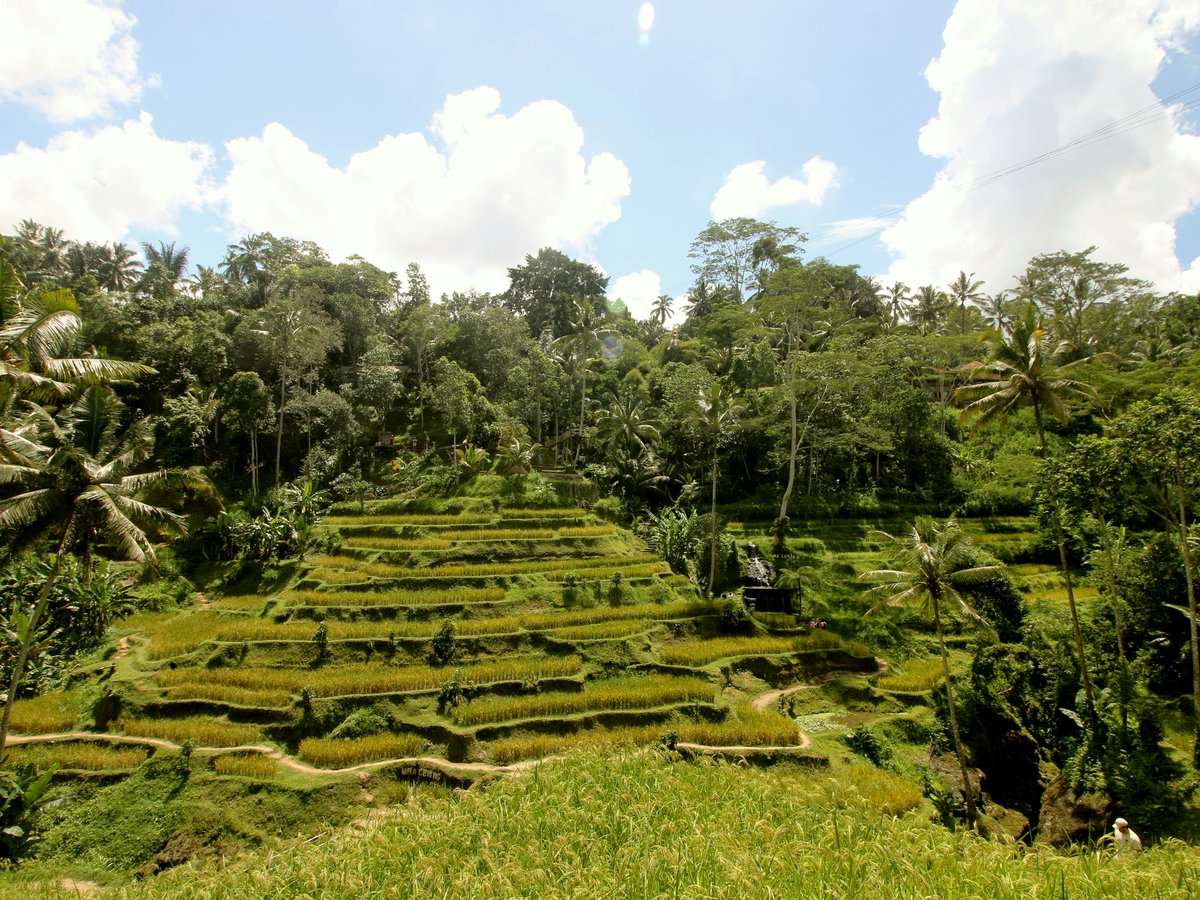
May through September is the strongest window for Ubud. Afternoon temperatures sit around 28 to 30°C, monthly rainfall drops to roughly 80mm, and the Tegallalang rice terraces hold their deepest green from the preceding rains. June and September offer the best balance of dry weather and thinner crowds compared to the July and August peak.
Ubud sits at roughly 300 metres above sea level, and that elevation changes everything. Coastal Kuta might hit 33°C in August, but Ubud stays several degrees cooler, and nights can drop below 23°C. You will want a light layer for dinner on Jalan Suweta. The dry season, May through September, brings 10 to 15 rain-free days per month. Morning walks along the Campuhan Ridge are comfortable before 8am, with mist still sitting in the river valley below. Monkey Forest Road empties by 7am. You can hear the gamelan practice from Pura Dalem before the tour vans arrive. A mid-range guesthouse in Penestanan that runs 400,000 to 500,000 IDR per night in May will ask 700,000 to 900,000 IDR in late July, when Australian school holidays fill the town.
April and October are the shoulder months, and they might be the smarter play. April brings roughly 150mm of rain, mostly in short afternoon bursts that clear by 5pm. The paddies around Tegallalang are freshly planted and sit under shallow water. The late-afternoon light glances off the flooded terraces. October reverses the picture. The rice is golden and close to harvest, and the whole Ayung River valley turns amber before sunset. Both months run 20 to 30% cheaper than peak season on accommodation near the Ubud Palace, and the queues at Tirta Empul Temple (founded in 962 CE) shrink from 45 minutes to around 15. Rain still falls 8 to 10 days per month, so bring a packable jacket and plan temple visits for early morning, when the stone steps are dry underfoot and the light falls clean through the courtyard.
November through March is Ubud's wet season, and it earns the name. January and February can bring 300 to 350mm of rain per month. Roads between Ubud and the northern villages flood during downpours, and the 300-plus steps at Gunung Kawi, carved into a river gorge near Tampaksiring, become slick and dangerous. That said, December brings some of the lowest accommodation rates outside the Christmas-to-New-Year window (December 20 to January 5, when prices return to peak). The Ayung River runs at its fullest for white-water rafting near Kedewatan. Ubud smells different in the rain, too. Wet frangipani, damp moss on temple stone, woodsmoke from warungs along Jalan Hanoman. If you aim for early November or late March, you get transitional weather with fewer all-day downpours.
Nyepi, the Balinese Day of Silence, falls in March on the Saka calendar. The entire island shuts down for 24 hours. No flights leave Ngurah Rai, no cars move, no restaurants open. Plan around it if you are here in March, but the Ogoh-Ogoh parade the night before is worth seeing in Ubud's centre, where papier-mache demons 3 metres tall sway down Jalan Raya past the Ubud Palace. Galungan, which celebrates the victory of dharma over adharma, falls every 210 days on the Pawukon calendar. When it lands during dry season, the penjor bamboo poles lining the roads from Mas to Peliatan are decorated with woven palm offerings. Smoke and incense from family compounds carry across the Petanu River valley. The traditional village of Penglipuran, about 45 minutes north of Ubud, is worth the detour during Galungan when families open their gates to visitors.
For a first visit, aim for the first two weeks of June or the last two weeks of September. Both windows sit inside the dry season but dodge the July and August crowd peak. Flights into Ngurah Rai airport (DPS) from Singapore or Kuala Lumpur run 30 to 40% cheaper than in peak months. The drive to Ubud takes 90 minutes in light traffic, closer to 2.5 hours if you land after 4pm. A private car through your hotel costs around 350,000 IDR, roughly 20 USD at the current rate of 17,786 IDR per dollar. Book accommodation in Penestanan or Sayan, west of the town centre, for a quieter first night. Mind you, the morning chorus of roosters and temple bells starts around 5:30am.
Month-by-month outlook
- Jan Avoid
- Feb Avoid
- Mar Avoid
- Apr Shoulder
- May Ideal
- Jun Ideal
- Jul Ideal
- Aug Ideal
- Sep Ideal
- Oct Shoulder
- Nov Avoid
- Dec Avoid
Year-round climate
Averages from the last 5 years.
| Month | Avg high (°C) | Avg low (°C) | Rainfall (mm) |
|---|---|---|---|
| Jan | 29 | 23 | 348 |
| Feb | 29 | 23 | 304 |
| Mar | 30 | 22 | 246 |
| Apr | 29 | 22 | 151 |
| May | 29 | 22 | 136 |
| Jun | 28 | 22 | 90 |
| Jul | 27 | 21 | 135 |
| Aug | 27 | 21 | 114 |
| Sep | 28 | 21 | 130 |
| Oct | 29 | 22 | 135 |
| Nov | 29 | 22 | 286 |
| Dec | 29 | 23 | 283 |
Dry season (May-Sep) averages 28-30°C with ~80mm rain/month. Wet season (Nov-Mar) brings 300mm+ and afternoon downpours. Nights drop to 22-23°C year-round. Cooler than coastal Bali by 3-5°C.
Go deeper into Ubud
Last verified by automated review (v1.7.2) on . What is automated review?