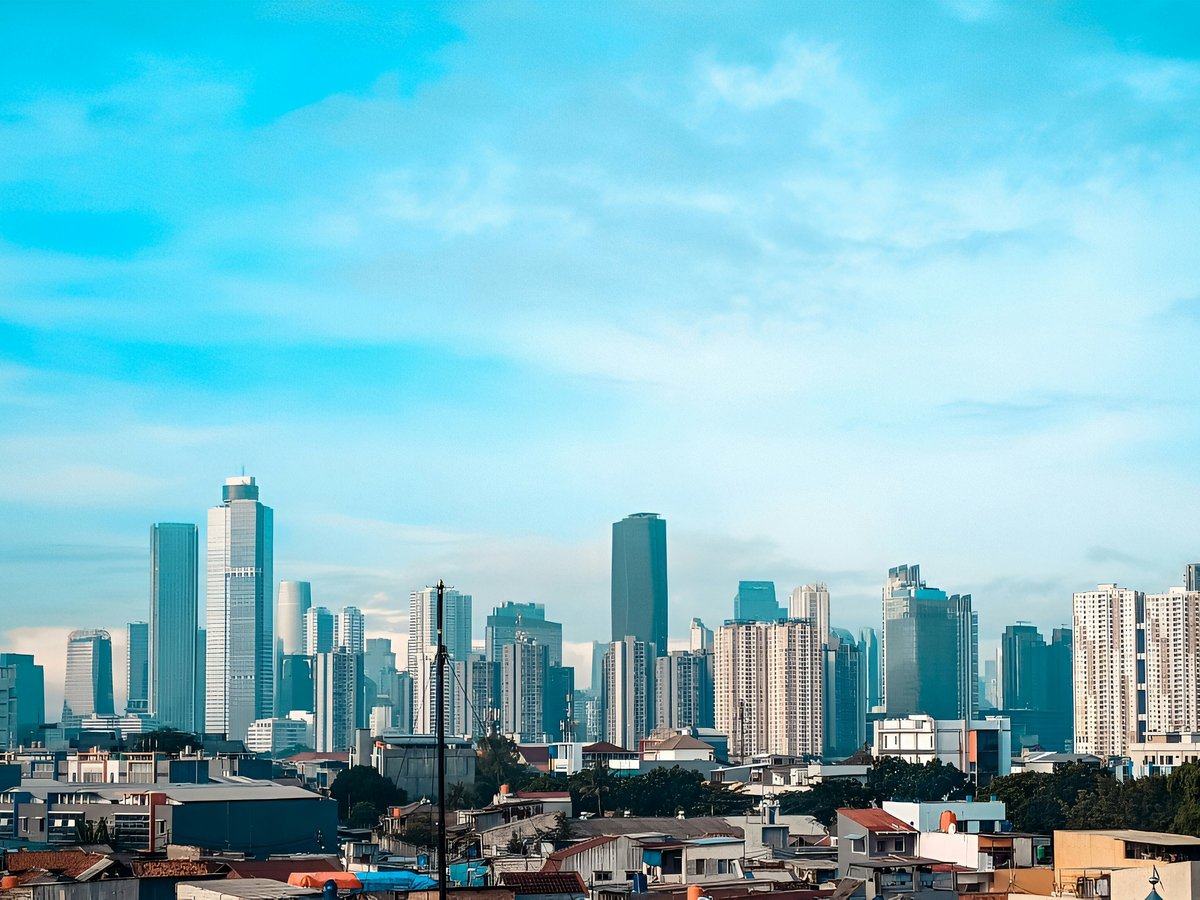
Jakarta's shopping identity rests on two foundations. Textiles and mall culture. The capital reportedly has more than 170 shopping malls, likely the densest concentration in Southeast Asia, and on a typical afternoon the cool, marble-floored corridors of Grand Indonesia hum with a steady current of local shoppers and office workers ducking out of the heat. Batik carries particular weight here. UNESCO added Indonesian batik to its Intangible Cultural Heritage list in 2009, and Jakarta's own Betawi patterns, with their coastal and botanical motifs, look and feel different from the courtly wax-resist styles of Yogyakarta or Solo. Beyond the Jalan Thamrin corridor, the city's older commercial quarters still function as wholesale hubs for the entire archipelago. Tanah Abang in Central Jakarta moves fabric in volumes that supply retailers across Sumatra, Kalimantan, and the eastern provinces. Glodok, the city's Chinatown, fills its narrow lanes with the heavy scent of dried cuttlefish and medicinal roots. Jakarta scores 7.2 out of 10 for digital-nomad suitability (sourced from TTDI's editorial rubric), and that connectivity reaches into retail, with e-wallet payments accepted at most malls and a growing number of market stalls. For visitors interested in locally produced goods, the city's strongest categories tend to be hand-drawn batik, leather accessories, silver jewelry, and traditional jamu herbal preparations.
Shopping districts
-
Jalan Thamrin Corridor
luxuryThe luxury spine of Jakarta runs along Jalan M.H. Thamrin from the Bundaran HI roundabout southward. Grand Indonesia, Plaza Indonesia, and the recently reopened Sarinah anchor the northern stretch. Grand Indonesia alone has over 200 stores across its East and West Mall buildings. The clientele here tends toward Jakarta's professional class and visiting business travelers. International brands dominate the ground floors, but Grand Indonesia still stocks Indonesian designer labels like Iwan Tirta and Alleira Batik. Sarinah first opened in 1966 as Indonesia's first modern department store, and its latest incarnation keeps a dedicated Betawi craft floor on the upper levels.
Best for: International fashion, Indonesian designer labels, and air-conditioned browsing
-
Senayan
mid-range to upscaleSenayan sits south of the Thamrin strip, anchored by Senayan City, Plaza Senayan, and fX Sudirman. The area draws a slightly younger crowd than Plaza Indonesia, with more Indonesian contemporary fashion and lifestyle brands in the mix. Senayan City's upper floors lean toward local designers and concept stores. Plaza Senayan tends to attract families on weekends, partly because of its cinema complex and expansive food court. The Gelora Bung Karno sports complex, founded in 1962, sits nearby, and match days bring foot traffic that spills into the surrounding retail.
Best for: Indonesian contemporary fashion, lifestyle stores, and weekend family outings
-
Blok M, South Jakarta
budgetBlok M has cycled through several identities since the 1970s. It served as a nightlife district, then declined, and has recently resurfaced as a hub for K-pop merchandise, vintage clothing, and thrift shopping. Blok M Square and Blok M Plaza stock secondhand denim, faded band tees, and Korean pop goods at prices well below the Thamrin malls. The surrounding streets have small record shops with hand-lettered signage and vintage sneaker vendors. The area feels grittier than the polished retail further north. On weekends, food stalls here fill up with university-age crowds from nearby Universitas Indonesia.
Best for: Vintage clothing, thrift finds, K-pop merchandise, and vinyl records
-
Kemang, South Jakarta
mid-range to upscaleKemang grew into Jakarta's expat quarter during the 1990s, and its commercial strip along Jalan Kemang Raya still reflects that history. Small boutiques sell Indonesian-designed homewares, furniture, and fashion with a Western-leaning aesthetic. Galleries mix in among the cafes, and the smell of roasting coffee tends to follow you down the sidewalk. Prices run higher than Blok M but lower than Thamrin. The area's strongest suit is probably its independent shops, several run by Indonesian designers who studied abroad and returned to build labels. Saturday afternoons bring a noticeable uptick in foot traffic along the main strip.
Best for: Independent Indonesian design, homewares, furniture, and gallery browsing
-
Glodok and Kota Tua
budgetGlodok has operated as a commercial quarter since the Dutch colonial period, when this neighborhood formed part of old Batavia. The streets around Jalan Pancoran sell electronics, mobile phone accessories, herbal medicine, and dried seafood in shops stacked floor to ceiling. Kota Tua, the adjacent Old Town, houses the Jakarta History Museum and has attracted souvenir vendors and antique dealers in recent years. The area is loud, with vendors calling from open storefronts and motorbikes weaving through pedestrian traffic. Prices run consistently lower than anywhere in South Jakarta.
Best for: Electronics, traditional Chinese herbal products, dried goods, and affordable souvenir browsing near the Old Town
-
Jalan Surabaya, Menteng
mid-rangeJalan Surabaya in the Menteng district has served as Jakarta's antique row for decades. Vendors line both sides of the street selling Dutch colonial-era furniture, old wayang puppets, vintage maps, keris daggers, and assorted curios. Quality varies enormously, and the line between genuine antique and skilled reproduction can be thin. That said, knowledgeable buyers still find colonial-era brasswork, vintage Balinese carvings, and pre-independence ceramics at reasonable prices. Menteng itself is one of Jakarta's most established residential neighborhoods, with tree-lined streets and a calmer pace than the commercial districts further west.
Best for: Antiques, colonial-era furniture, vintage maps, and traditional Javanese curios
Markets
-
Pasar Tanah Abang
textile wholesaleTanah Abang in Central Jakarta is one of Southeast Asia's largest textile markets, and the trading site here dates back to the 18th century. The modern complex spans multiple buildings, with Blok A and Blok B as the main retail structures. Thousands of stalls sell bolts of fabric, ready-made garments, hijab scarves, and traditional textiles at wholesale prices. Retail buyers can purchase here too, though vendors prefer bulk orders. The ground floor of Blok A concentrates on kerudung and hijab fashion. Upper floors carry batik, songket, and raw cotton by the meter. The interior stays warm despite the ceiling fans, and the air carries a faint sweetness from cotton dyes and new fabric. Crowd density can be intense, especially before Eid al-Fitr.
Daily, roughly 09:00 to 17:00. Many vendors close by mid-afternoon. Busiest before major Islamic holidays.
-
Pasar Baru
textile and generalPasar Baru sits near Merdeka Square in Central Jakarta and has been a trading market since the 1820s. The covered pedestrian street sells Indian textiles, tailoring fabrics, shoes, and accessories. Tailors along the upper floors can produce custom suits and dresses within 3 to 5 days. The market has a noticeable Indian-Indonesian character, with shops selling sari fabric alongside Javanese batik. Near the entrances, traditional kue vendors fill the corridor with the warm smell of pandan and toasted coconut. The pedestrianized layout keeps the atmosphere slightly calmer than the wholesale markets.
Daily, approximately 09:00 to 20:00. Tailoring shops may keep slightly different hours.
-
Pasar Santa
artisan and foodPasar Santa in Kebayoran Baru started as a conventional wet market in the 1960s and reinvented itself around 2014 as a gathering point for small-batch food vendors, craft sellers, and vinyl dealers. The upper floor hosts independent sellers offering handmade jewelry, vintage clothing, artisanal coffee, and local specialty foods. The aroma of freshly ground single-origin beans drifts through the upper corridor on most afternoons. The lower floor still functions as a traditional produce market, which gives the building an unusual split personality. Weekday mornings can feel quiet upstairs, but Saturday afternoons bring consistent crowds from across South Jakarta.
Daily, roughly 08:00 to 21:00. Upper-floor artisan vendors tend to open later, around 11:00, and are busiest on weekends.
-
Pasar Mayestik
fabric and tailoringPasar Mayestik in Kebayoran Baru specializes in fabrics, tailoring, and kebaya, the traditional lace blouse worn for formal occasions across Indonesia. The market is well known among Jakarta's middle class for stocking quality batik and songket at prices below what department stores charge for similar cloth. Tailors on the upper levels focus on kebaya construction and can finish a garment within a week. The ground floor also carries curtain fabrics, upholstery textiles, and household linens. Mind you, the air conditioning is minimal, and the upper floors get warm by early afternoon.
Daily, approximately 09:00 to 18:00.
-
Pasar Jatinegara
fleaPasar Jatinegara in East Jakarta functions as the city's main flea market. Stalls sell secondhand tools, vintage electronics, used furniture, old coins, and assorted hardware under corrugated metal roofing. Morning light filters through gaps in the roof panels to catch the dust rising off piles of old equipment. The gemstone section draws collectors looking for rough agate, jasper, and chalcedony sourced from across the Indonesian archipelago. Antique dealers here tend to price lower than those on Jalan Surabaya, and the crowd is almost entirely local. The market sits next to Jatinegara railway station, making it accessible by KRL commuter rail from Central Jakarta.
Daily, roughly 08:00 to 17:00. The gemstone vendors are busiest on weekend mornings.
-
Pasar Seni Ancol
artisan and artThe art market at Ancol Dreamland in North Jakarta gathers painters, woodcarvers, and handicraft sellers in an open-air complex near the Java Sea waterfront. Artists work on-site, and you can commission portraits, landscape paintings, or decorative carvings while you wait. The quality ranges from tourist-grade souvenirs to genuinely skilled oil paintings. The salt breeze off the water mixes with the smell of wood shavings and oil paint in the workshop sections. A visit pairs well with the nearby boardwalk along the Ancol coastline.
Daily, approximately 09:00 to 18:00. Weekends draw more artists and foot traffic.
Souvenirs worth bringing home
Betawi batik is the souvenir most specific to Jakarta. Look for motifs of ondel-ondel figures, coconut palms, and mangrove flora that you won't find on fabric from Central Java. Hand-drawn pieces (batik tulis) might run 300,000 to 500,000 IDR for a simple scarf at Pasar Mayestik or Pasar Baru, while factory-stamped (batik cap) versions sell for a fraction of that. Ondel-ondel miniatures, the oversized puppet figures from Betawi street performance tradition, make distinctive keepsakes and tend to sell for 50,000 to 150,000 IDR at Kota Tua souvenir stalls. Wayang golek wooden rod puppets from West Java are widely available in Jakarta, particularly along Jalan Surabaya. For edible gifts, ground kopi luwak from Sumatran producers appears in shops across the city. Buyers should look for the SCOPI or UTZ certification label to avoid products sourced from caged civets. Traditional jamu herbal preparations from Javanese producers pack well and keep for months. The National Museum of Indonesia, founded in 1778, operates a small gift shop selling reproductions of Hindu-Buddhist artifacts and Indonesian textile samples. Taman Mini Indonesia Indah, which opened in 1975, gathers artisans from across the archipelago in province-themed pavilions where regional goods are sold directly.
Practical tips
- Bargaining
- Bargaining is standard practice at traditional markets like Tanah Abang, Jatinegara, and Jalan Surabaya, and with most independent street vendors. A reasonable starting counter-offer sits around 40 to 50 percent of the asking price. Malls, branded stores, and department stores use fixed pricing. At Pasar Baru and Pasar Mayestik, mild negotiation on large fabric purchases is common, but individual small items tend to have firmer prices. Staying relaxed and smiling generally gets better results than aggressive haggling.
- Currency and Payment
- Indonesia's currency is the rupiah (IDR). As of September 2026, 1 USD sits at approximately 17,727 IDR. High denominations are normal. A 100,000 IDR note is worth roughly 5.60 USD. ATMs dispense either 50,000 or 100,000 IDR notes depending on the machine. GoPay (linked to Gojek), OVO, and Dana are the dominant e-wallet platforms in Jakarta. Most malls and chain stores accept international Visa and Mastercard. Traditional markets still run mostly on cash, though mobile payment adoption is growing among younger vendors.
- Opening Hours
- Jakarta's malls typically open from 10:00 to 22:00 daily, including weekends and most public holidays. Traditional markets start earlier, often by 07:00 or 08:00, and many begin winding down by 16:00 or 17:00. Pasar Tanah Abang vendors tend to close earlier than posted hours, especially on Fridays. During Ramadan, some markets adjust schedules, and the pre-Eid rush can extend trading hours at textile markets. Jalan Surabaya antique vendors keep irregular hours and may not open on Mondays.
- Tax Refund (VAT)
- Indonesia charges 11% VAT (PPN) on most goods. Foreign visitors can claim a VAT refund on purchases totaling at least 5,000,000 IDR (approximately 282 USD) from retailers displaying the 'VAT Refund for Tourists' sign. You will need your passport and the original tax invoices. Process the refund at the airport counter before checking in for your departure flight. In practice, the program covers mainly large malls and department stores. Traditional market purchases are generally not eligible.
- Safety in Markets
- Jakarta rates 5.2 out of 10 for solo-traveler safety (see the TTDI Solo-Safety Index), and crowded markets like Tanah Abang and Jatinegara are the places where that caution matters most. Pickpocketing in dense market crowds is the primary risk. Keep valuables in a front pocket or cross-body bag. Avoid displaying expensive phones or cameras in tight market aisles. The malls along Thamrin and Senayan have security screening at entrances and are generally considered safe throughout operating hours.
- Timing and Weather
- Jakarta's equatorial climate means heat and humidity year-round. As of mid-September, temperatures reach 33.7°C with humidity around 45%, and the heat index pushes the apparent temperature to about 38.3°C. The wet season runs roughly from November through March, when afternoon downpours can temporarily flood low-lying market areas, particularly around Glodok and parts of Central Jakarta. Morning shopping before 11:00 tends to be more comfortable at open-air and semi-covered markets. The dry season months of June through September bring slightly less rainfall, but temperatures stay consistently warm.
FAQ
Where should I buy authentic batik in Jakarta, not tourist-grade prints?
Pasar Mayestik and Pasar Baru both carry genuine hand-drawn batik (batik tulis) from workshops in Pekalongan, Cirebon, and Solo. For Jakarta-specific Betawi patterns, the renovated Sarinah building on Jalan Thamrin maintains a focused selection. The key quality indicator is the back of the fabric. Genuine batik tulis shows the dye pattern clearly on both sides, while stamped or printed versions appear faded on the reverse. Vendors at Tanah Abang sell mostly mass-produced batik cap and screen prints intended for wholesale buyers.
What is the best day to visit Pasar Tanah Abang?
Tuesday through Thursday tends to be the least crowded. Mondays can feel slow, with some stalls not opening at all. Fridays see reduced afternoon hours because many vendors leave for Friday prayers. Saturdays and Sundays bring the heaviest retail foot traffic. If you can arrive between 08:30 and 09:30 on a midweek morning, you will likely have the widest selection with manageable crowds.
Can I ship large purchases like furniture or art from Jakarta?
Several cargo forwarders in Jakarta handle international shipping for furniture and art. The Jalan Surabaya antique dealers and Kemang furniture shops can typically recommend freight agents they work with regularly. For items over 30 kg, sea freight to North America or Europe takes 6 to 10 weeks and costs significantly less than air cargo. Keep customs declarations and purchase receipts. Indonesian customs may require an export permit for items classified as cultural artifacts or antiques older than 50 years.
Do Jakarta's malls stay open during Ramadan and public holidays?
Most Jakarta malls keep their regular daily hours throughout Ramadan, though individual restaurants inside may adjust service during fasting hours. On Eid al-Fitr itself (Lebaran), many malls close for 1 to 2 days, and the city sees a significant population drop as residents return to their hometowns for the holiday. The week before Eid is one of the busiest shopping stretches of the year, particularly at textile markets. Other public holidays, including Independence Day on August 17, typically do not affect mall schedules.
Is it worth visiting Taman Mini Indonesia Indah for shopping?
The park covers about 150 hectares in East Jakarta and includes pavilions representing each Indonesian province. You'll find region-specific crafts and textiles from Torajan woodcarvings to Sasak weaving from Lombok. Prices there likely won't match what dedicated textile markets offer for everyday batik, but the province-by-province layout gives a useful overview of Indonesian handicrafts if your time in the country is limited to the capital.
Last verified by automated review (v1.7.2) on . What is automated review?