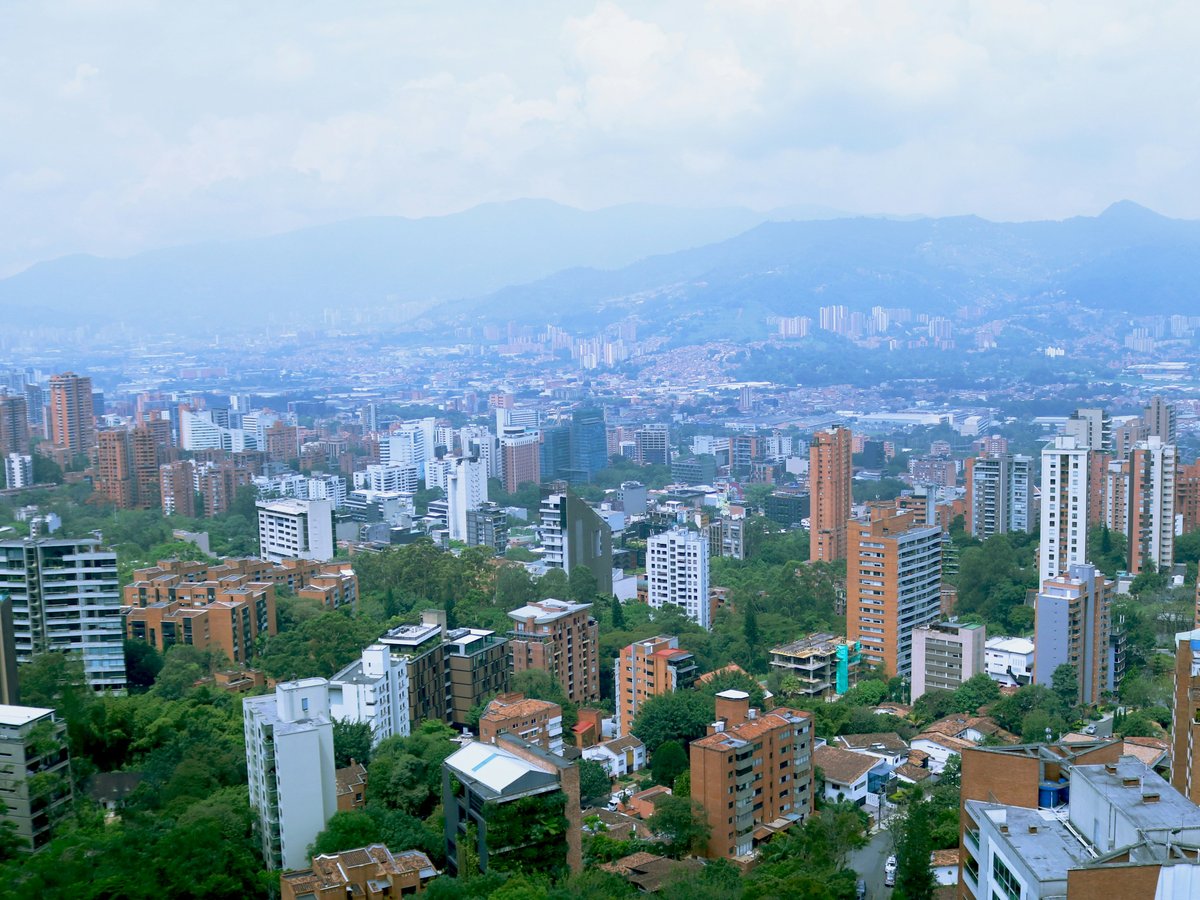
Medellin's shopping identity is built on two things. Textiles and leather. The city still produces a significant share of Colombia's clothing, and that manufacturing base means you'll find locally made fashion at prices that feel almost unreasonable compared to North American or European retail. El Hueco, the sprawling discount district downtown, moves more volume in a single Saturday than some malls see in a month. But Medellin has also grown a design-conscious side over the past decade, particularly in El Poblado and Laureles, where independent Colombian brands sell directly from small storefronts. The flower trade, centered at Plaza de Flores near the Minorista market, remains a daily ritual for many paisas. Worth noting, Medellin is not a haggling city in the way Cartagena tends to be. Prices in established shops are generally fixed, though market vendors and street sellers will often negotiate, especially on bulk purchases.
Shopping districts
-
El Hueco (Centro)
budgetThe name translates to 'the hole,' and it fits. El Hueco is a dense warren of small shops, stalls, and wholesalers packed into the blocks around Parque Berrio and stretching toward San Antonio. The energy is loud, fast, and a little chaotic. Vendors call out from doorways. Music competes from different stalls. You'll find knockoff sneakers next to genuinely well-made Colombian jeans, phone accessories, underwear sold by the dozen, and school supplies in bulk. Locals come here for everyday clothing at wholesale-adjacent prices. A pair of locally made jeans might run 30,000 to 60,000 COP. Mind you, the crowds on Saturdays are dense enough to make walking slow, and you'll want to keep your phone in a front pocket.
Best for: Everyday clothing, bulk basics, Colombian-made jeans and underwear at near-wholesale prices
-
El Poblado (Calle 10 / Provenza)
mid-range to luxuryCalle 10 between Carrera 35 and Carrera 43 is where Medellin's newer design-forward shops cluster. Colombian fashion brands like Maaji, Agua Bendita, and Silvia Tcherassi have storefronts here, selling swimwear and resort clothing that's designed and manufactured in the city. The Provenza neighborhood, a few blocks uphill, leans more toward independent boutiques and concept stores. Prices reflect the neighborhood. A dress from a local designer label might start around 200,000 COP. The cafe density is high, so shopping here tends to fold into long coffee stops. To be fair, El Poblado skews toward tourists and wealthier paisas, and some locals find it overpriced. But the quality of Colombian-designed clothing here is genuinely strong.
Best for: Colombian designer fashion, swimwear brands, concept stores, and boutique browsing
-
Laureles (Carrera 70 / La 70)
mid-rangeLa 70 is the main commercial artery of Laureles, and it has a more relaxed, neighborhood feel than El Poblado. The shops here cater to middle-class medellinenses rather than tourists. You'll find local clothing stores, shoe shops, and small leather goods vendors mixed in among bakeries and juice bars. Prices sit comfortably below El Poblado. The side streets off La 70, particularly around Primer Parque de Laureles, have a growing number of independent designers and vintage clothing sellers. Saturday mornings bring a quiet, walkable energy to the strip. This is where you go if you want to shop the way locals shop.
Best for: Everyday fashion at local prices, shoes, leather goods, and a neighborhood shopping atmosphere
-
Centro Comercial Santa Fe
mid-rangeSanta Fe sits on the south side of El Poblado and remains one of the largest malls in Colombia, with over 400 stores spread across multiple levels. International brands like Zara and Adidas sit alongside Colombian chains like Arturo Calle and Tennis. The food court is enormous. The mall attracts a wide cross-section of Medellin's population, particularly on weekends, and the air conditioning alone is worth the visit during the hotter months. Prices are standard retail. Not cheap, not expensive. The mall's cinema complex is popular with locals.
Best for: Air-conditioned mall shopping, international and Colombian retail chains, and one-stop convenience
-
Via Primavera (El Poblado)
mid-range to highA short, walkable street in El Poblado that has become a destination for home decor, art, and interiors shopping. Small galleries, ceramics shops, and furniture showrooms line both sides. The feel is quieter and more curated than Calle 10. Colombian-made ceramics and handmade textiles tend to be the strongest offerings. A handmade ceramic piece might range from 50,000 to 300,000 COP depending on the artist. The street draws a mix of expats furnishing apartments and Colombians looking for wedding gifts or home accents.
Best for: Ceramics, home decor, art prints, and Colombian-made housewares
-
Centro Comercial El Tesoro
luxuryEl Tesoro is Medellin's upscale mall, perched on the hillside above El Poblado with views down over the valley. The brand mix leans toward international luxury and premium Colombian labels. Carolina Herrera, Salvatore Ferragamo, and local high-end names share the directory. The outdoor terrace restaurants have some of the better views in the city. Parking is tight on weekends. This is where wealthier paisa families come to shop, eat, and be seen. Prices are comparable to upscale malls in Bogota or Mexico City.
Best for: International luxury brands, premium dining, and high-end Colombian fashion
Markets
-
Mercado del Rio
food hallA gourmet food hall in a converted industrial space in Ciudad del Rio, near the Museum of Modern Art. Around 40 food stalls serve everything from Antioqueño bandeja paisa to Japanese ramen to artisan gelato. The quality tends to be high and the prices sit above street food but below restaurant dining. A full meal with a drink might cost 25,000 to 45,000 COP. The space gets busy on weekend evenings. The smell of grilling chorizo and fresh arepas hangs in the air. Not a traditional market, but it's become a genuine gathering spot for medellinenses across neighborhoods.
Open daily, typically 11:00 to 22:00, with some stalls closing earlier on weekdays
-
Plaza Minorista José María Villa
wholesale food and goodsMedellin's main wholesale market is a massive covered complex near the Alpujarra administrative center. The ground floors are packed with fruit, vegetables, herbs, fresh flowers, and dried goods sold by weight. The upper levels sell clothing, shoes, housewares, and electronics at wholesale prices. The flower section is particularly striking, with bundles of roses, orchids, and sunflowers stacked in bright rows. The noise level is high. Vendors shout prices, handcarts rattle through narrow aisles, and cumbia or vallenato plays from phone speakers. This is a working market, not a tourist attraction, so you'll want to leave valuables at home and go in the morning when stock is fresh.
Monday to Saturday, roughly 5:00 to 17:00, busiest before noon
-
Mercado de San Alejo
flea and artisanA monthly flea and artisan market held in Parque de Bolivar in the city center. Vendors spread out across the park selling antiques, secondhand books, vinyl records, handmade jewelry, vintage cameras, and assorted curiosities. The quality varies. Some stalls carry genuinely interesting antique pieces from Antioqueño estates, while others sell mass-produced crafts. Browsing is half the point. The surrounding streets fill with food carts selling empanadas and fresh fruit. The atmosphere feels unhurried, a contrast to the usual pace of downtown. Prices are negotiable on most items.
First Saturday of each month, approximately 8:00 to 17:00
-
Mercadillo Artesanal Parque Lleras
artisanSmall artisan vendors set up around Parque Lleras in El Poblado on weekend evenings, selling handmade jewelry, leather goods, woven bracelets, and small paintings. The quality of the leatherwork is often surprisingly good. These are mostly independent artisans, not resellers. Prices reflect El Poblado's tourist foot traffic, but a handmade leather wallet might still be only 40,000 to 80,000 COP. The setting is pleasant. The park fills with people, and the nearby bars and restaurants spill onto the sidewalks.
Weekends, typically from late afternoon into the evening, weather permitting
-
Plaza de Flores (Calle 56)
flower marketNot a market in the tourist sense, but a real working flower district along Calle 56 near the Minorista. The silleteros, flower carriers from the nearby town of Santa Elena who perform at Medellin's famous Feria de las Flores each August, source from here. Dozens of small stalls sell roses, orchids, lilies, and tropical flowers at prices that seem absurdly low. A dozen long-stem roses might cost 8,000 to 15,000 COP. The smell is overpowering in the best way. The colors stack up in tight bundles, red against yellow against white.
Daily, early morning to mid-afternoon, freshest stock before 10:00
-
Feria de Ganado y Artesanías (La Estrella)
rural artisan and livestockA large weekend market on the southern outskirts of the metro area in La Estrella, reachable by the Metro's Line 1 south extension. The market mixes livestock sales with artisan crafts, antiques, and rural food vendors. You'll find hand-carved wooden kitchen tools, woven ruanas, antique farming implements, and fresh panela alongside live chickens and dairy products. The crowd is largely from the surrounding Aburra Valley towns. It feels genuinely rural. The arepas de choclo here, made from sweet corn and griddled with cheese, are worth the trip on their own.
Sundays, early morning to mid-afternoon
Souvenirs worth bringing home
Leather is Medellin's strongest souvenir category. The city's leather workshops produce bags, wallets, belts, and sandals at a fraction of what comparable quality costs in Europe or North America. Look in Laureles and downtown, not El Poblado, for better prices. Antioqueño coffee is an obvious choice, but buy it from a specialty roaster like Pergamino or Rituales Cafe rather than grabbing supermarket bags. Whole-bean, single-origin lots from farms in nearby Jardin or Tamesis carry more flavor and more of a story. Carriel bags, the small leather satchels traditionally carried by Antioqueño men, are perhaps the most distinctly paisa souvenir you can find. They range from simple functional versions around 80,000 COP to ornately tooled collector pieces well above 300,000 COP. Aguardiente Antioqueño is the regional spirit, anise-flavored and best consumed cold. A bottle costs under 30,000 COP at any supermarket. Chaquiras, the brightly colored beaded jewelry made by Embera communities, appear at artisan markets and some shops along Via Primavera. These are handmade over many hours and buying directly from indigenous vendors ensures the money reaches the artisans. Panela, the unrefined cane sugar sold in solid blocks, is lightweight and easy to pack. It dissolves into agua de panela, a warm drink locals have been making for generations.
Practical tips
- Bargaining
- Fixed prices are the norm in malls, chain stores, and most independent boutiques. Bargaining is expected at flea markets, street vendors, and some stalls in the Minorista, particularly on clothing and accessories. Start around 20 to 30 percent below the asking price and work toward the middle. Aggressive haggling is considered rude. A friendly tone and a willingness to walk away will get you further than pressure.
- Tax refunds (IVA)
- Colombia's IVA tax is 19 percent. Foreign tourists can claim a refund on purchases above a threshold at participating stores by requesting a factura electronica with your passport number. The refund process currently runs through DIAN, the national tax authority, and can be slow. In practice, most travelers skip it unless they've made a large purchase at a department store or luxury retailer that handles the paperwork. Ask at the register before paying if the store participates.
- Opening hours
- Malls typically open around 10:00 and close at 20:00 or 21:00 daily. Independent shops in El Poblado and Laureles tend to open closer to 11:00 and may close by 19:00. Sunday hours are shorter across the board. Downtown shops, especially in El Hueco, open early, sometimes by 8:00, and close by 18:00. Markets follow their own schedules, with the Minorista starting before dawn and winding down after lunch.
- Payment methods
- Cash is still king in markets, street stalls, and small downtown shops. Most mall stores and El Poblado boutiques accept Visa and Mastercard. Nequi and Daviplata, Colombia's two dominant mobile payment apps, have spread rapidly. Many small vendors now display QR codes for Nequi transfers. Foreign cards sometimes trigger fraud blocks at Colombian POS terminals, so notify your bank before traveling. ATMs dispense Colombian pesos and are widely available, though withdrawal fees vary by bank. Bancolombia and Banco de Bogota ATMs tend to offer the best exchange rates.
- Carrying purchases safely
- Downtown Medellin, particularly around El Hueco and the Minorista, requires basic street awareness. Avoid flashing expensive phones or cameras. Use a crossbody bag rather than a backpack. Shopping bags from upscale stores can attract attention in crowded areas, so some locals transfer purchases into a plain bag. The Metro is generally safe and efficient for getting purchases back to your accommodation.
FAQ
What is Medellin best known for when it comes to shopping?
Medellin is Colombia's textile and fashion capital. The city produces a large share of the country's clothing, swimwear, and leather goods. This manufacturing base means locally made fashion is widely available at prices well below international retail. The city is also known for its coffee culture, with specialty roasters sourcing from nearby Antioqueño farms, and for the Embera indigenous beadwork sold at artisan markets.
Is it safe to shop in Medellin's downtown markets?
The downtown markets, including El Hueco and the Minorista, are busy commercial zones where tens of thousands of locals shop daily. Petty theft, mainly pickpocketing, is the primary concern. Go during morning hours, carry only the cash you plan to spend, and keep your phone secure. Avoid the areas immediately east of the Minorista after dark. During daylight shopping hours, the commercial streets are crowded and active, which tends to be a deterrent to crime.
Can I get custom clothing made in Medellin?
Medellin has a large number of small tailoring and dressmaking workshops, particularly in the neighborhoods around Calle 52 and in parts of Belen. Custom-made suits, dresses, and leather jackets can be ordered and completed within 3 to 7 days depending on complexity. Prices for a custom men's suit might start around 400,000 COP for basic fabrics. The quality varies significantly between workshops, so ask to see finished samples and check stitching before committing to an order.
Are there outlet stores or factory sales in Medellin?
Several Colombian clothing brands operate outlet stores in Medellin, often near their production facilities in Itagui and Envigado, the neighboring municipalities in the Aburra Valley. Brands like Crystal, which produces GEF, Punto Blanco, and Baby Fresh, have factory outlets where prices drop 30 to 50 percent below retail. The Mayorca mall in Sabaneta also concentrates several outlet-format stores. These are accessible by Metro since the southern line connects through Itagui, Envigado, and Sabaneta.
What should I avoid buying as a souvenir in Medellin?
Mass-produced 'Colombian' hats and ponchos sold near tourist spots like Plaza Botero are often manufactured outside the country and marked up heavily. The sombrero vueltiao, Colombia's iconic woven hat, is authentic to the Cordoba and Sucre regions on the Caribbean coast, not Antioquia, so quality and pricing in Medellin tend to be worse than buying one closer to the source. Avoid pre-ground coffee in unlabeled bags, as freshness and origin are impossible to verify. Stick with sealed, roast-dated bags from named roasters.
Do Medellin shops accept US dollars?
Almost no shops in Medellin accept US dollars directly. Colombia operates on the peso, and you'll need local currency for nearly all transactions. Exchange houses, called casas de cambio, are found in El Poblado along Calle 10 and in the Centro around Parque Berrio. Rates vary, so compare 2 or 3 before exchanging. ATM withdrawals in pesos typically offer a better effective rate than cash exchange, though your bank may charge a foreign transaction fee.
Last verified by automated review (v1.7.2) on . What is automated review?