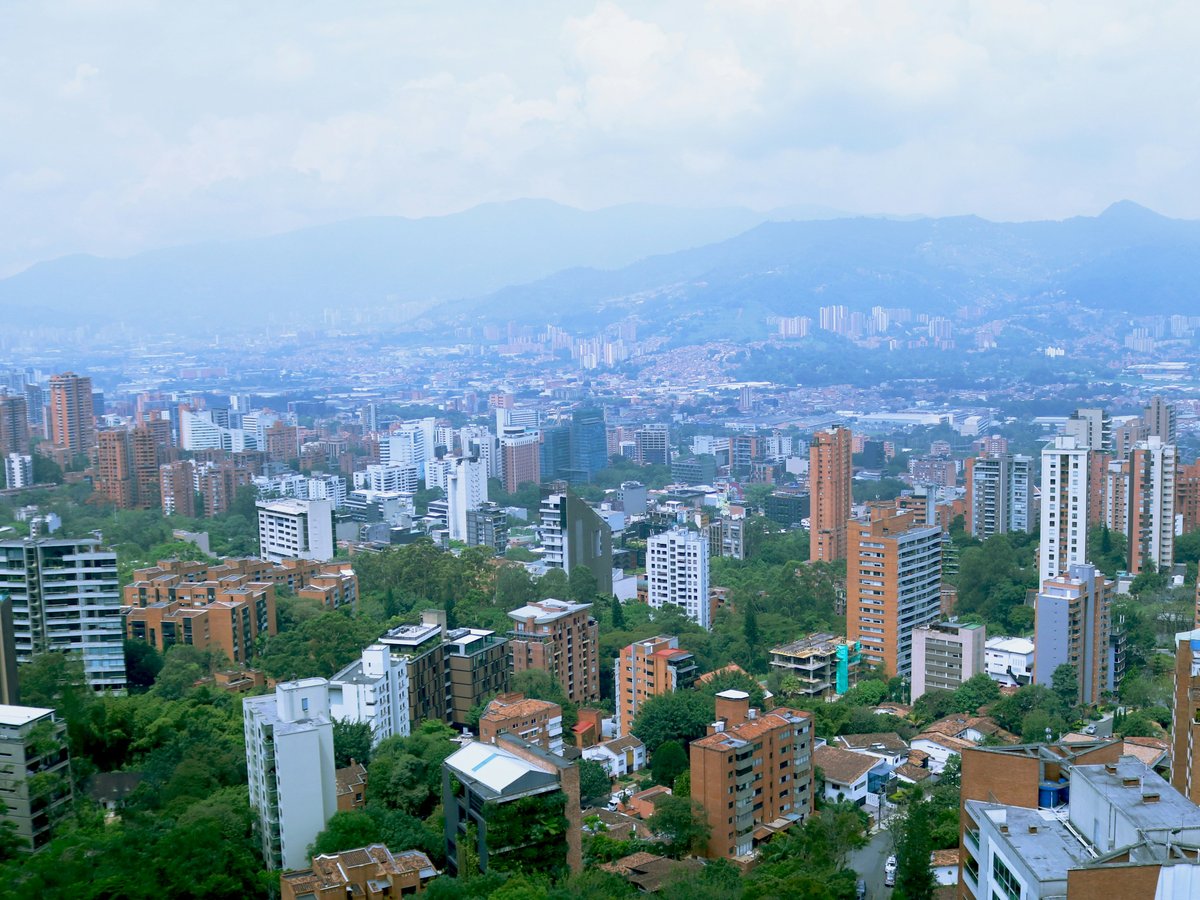
Is Medellin LGBTQ-friendly?
Medellín scores 7/10. Colombia legalized same-sex marriage in April 2016, and the city's queer scene concentrates in Barrio Colombia and El Poblado around Parque Lleras. Same-sex PDA passes without comment in these zones. Outside tourist areas, conservative Catholic attitudes still surface in working-class comunas.
Colombia's Constitutional Court ruled same-sex marriage legal in April 2016 (decision SU-214), and Medellín's city government has been actively pro-LGBTQ since at least 2011, when it opened the Centro para la Diversidad Sexual y de Género on Calle 52. Anti-discrimination protections cover employment, housing, and public services. Adoption rights for same-sex couples followed in 2015. The legal framework ranks among Latin America's strongest after Argentina and Uruguay. That said, paper protections and street-level reality tell different stories. Medellín is a paisa city, and paisa culture still carries a strong Catholic machismo undercurrent. It surfaces more in working-class comunas than in the polished El Poblado bubble where most couples end up staying.
The queer scene splits into two zones. Barrio Colombia, a south-central neighborhood roughly between Carreras 43 and 50, holds the concentrated nightlife. The dance clubs along the strip run reggaeton and electronic sets into the early morning on weekends. The bass thumps through the walls and the air inside runs hot and humid by midnight. Smaller bars on the same stretch carry the sharp sweetness of aguardiente and skew local over tourist. For something calmer, the bars around Parque Lleras (Calle 10 between Carreras 37 and 40) are mixed but queer-welcoming. Pergamino Café on Carrera 37 draws a weekday afternoon crowd of same-sex couples over cold brew. Medellín Pride, the Marcha del Orgullo, runs in late June and draws roughly 50,000 along Avenida La Playa.
Same-sex hand-holding passes without a second glance in El Poblado, Laureles, and the Parque Lleras zone. You might get stares in more traditional barrios like Aranjuez, Manrique, or Castilla, though verbal confrontation is rare. The real queer-specific safety concern is scopolamine robbery via dating apps. Grindr and Scruff users get targeted with drugged drinks or spiked cigarettes. Meet matches in public first, don't accept food or drink you didn't watch being prepared, and keep the first encounter at a busy café rather than a private apartment. The tourist police (CAI units) near Parque Lleras respond quickly and are trained on queer-specific harassment.
For a romantic evening without the thump of Barrio Colombia, El Cielo in El Poblado serves a multi-course tasting menu for around COP 380,000 per person. The staff seats same-sex couples at the window tables without hesitation. Carmen, also in El Poblado on Carrera 36, has corner booths close enough to share bites while the open kitchen fills the room with charred-onion smoke. For accommodation, The Charlee on the Parque Lleras strip has king suites overlooking the city from a heated rooftop pool, running around COP 900,000 per night. The clientele skews young, moneyed, and progressive. Laureles has quieter boutique options at half the price, on residential streets where the morning soundtrack is parakeets rather than construction. Look for properties listed on misterb&b for confirmed queer-friendliness.
Composite of legal status, social acceptance, and visible scene.
Legal status
Same-sex relations are legal
Colombia legalized same-sex marriage on 28 April 2016, and discrimination based on sexual orientation or gender identity is prohibited. Bogota and Medellin host established queer scenes.
Verified against equaldex.com and en.wikipedia.org .
The scene
The scene concentrates in two zones. Barrio Colombia, between Carreras 43 and 50, holds the dance clubs open until 4am on weekends. Parque Lleras in El Poblado is mixed but queer-friendly, with cafes on Calle 8A drawing same-sex couples most afternoons. Medellín Pride draws roughly 50,000 in late June along Avenida La Playa.
Safety notes
El Poblado, Laureles, and Parque Lleras are comfortable for visible PDA. Conservative stares possible in Aranjuez or Castilla but confrontation is rare. Primary queer-specific risk is scopolamine drugging via dating apps. Meet Grindr matches in public only, never accept unsealed drinks. Tourist police near Parque Lleras are queer-aware and responsive.
Last verified by automated review (v1.7.2) on . What is automated review?