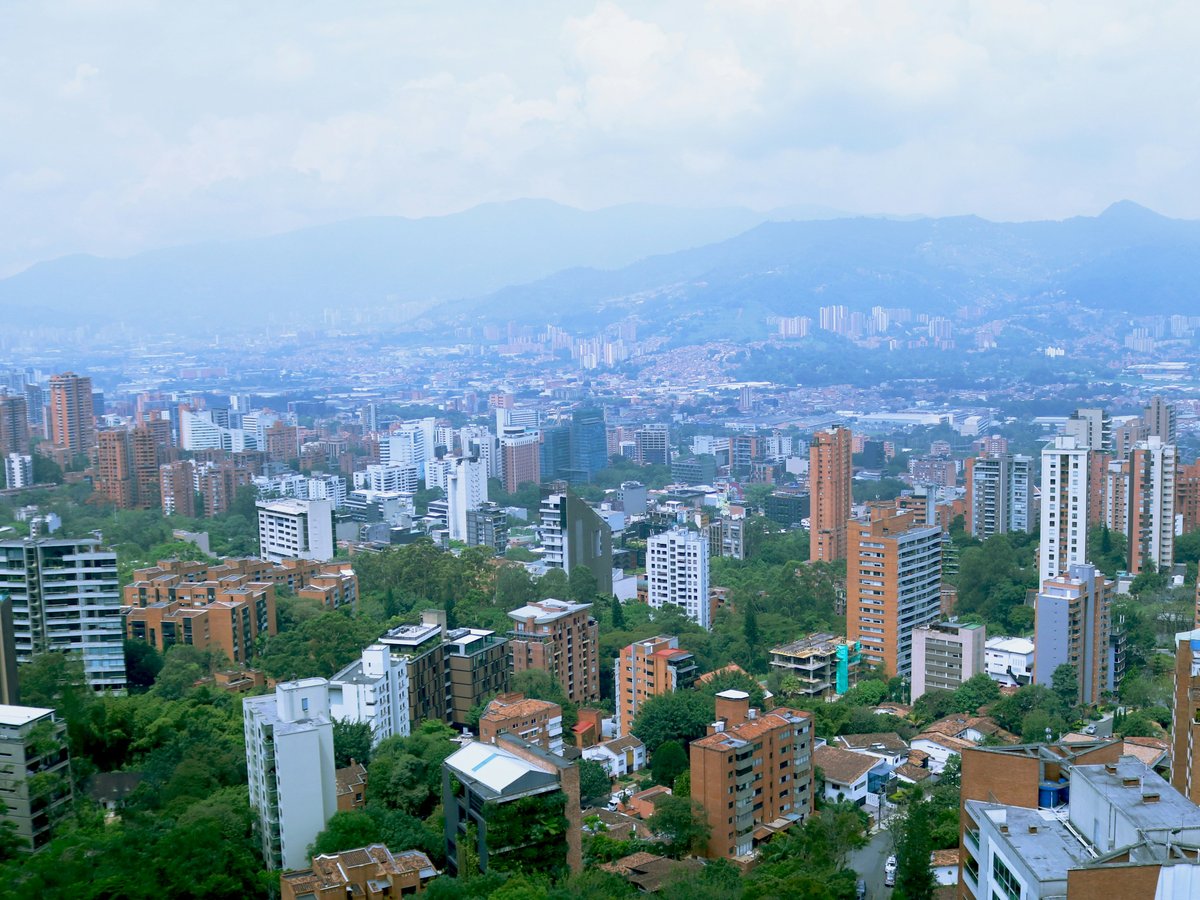
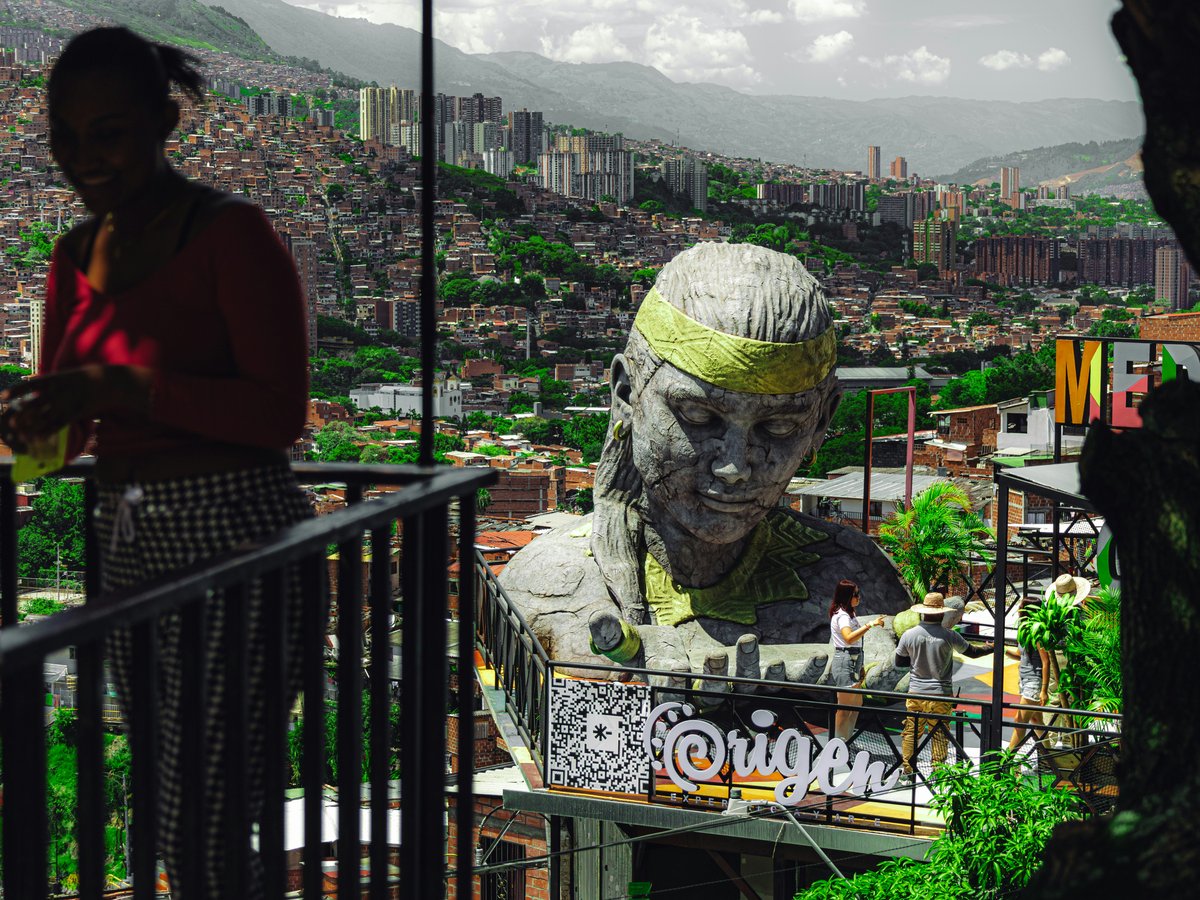
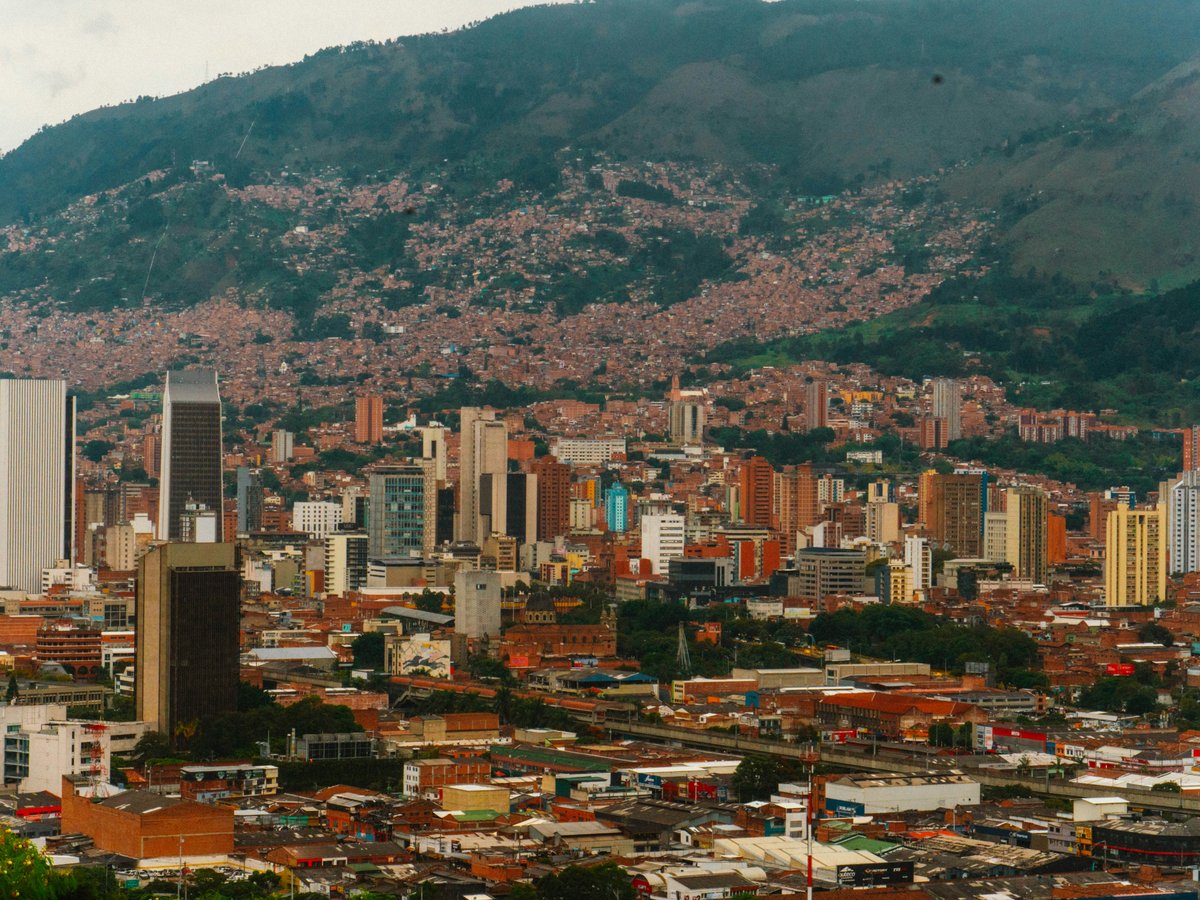
Medellín sits in the Aburrá Valley at roughly 1,500 metres above sea level, a narrow trough in the Andes where the temperature holds between 22 and 28 degrees Celsius nearly every day of the year: locals call it the City of Eternal Spring, and for once the nickname is earned. The geography defines everything: the city climbs steeply up both sides of the valley, and the MetroCable gondolas connecting hilltop comunas to the metro line below are not a tourist attraction but a working transit system, built because buses couldn't handle the grade. Thirty years ago Medellín was the most dangerous city on earth, a fact residents neither hide nor dwell on; the transformation since is written in the public architecture: the Parque Explora science museum, the Botanical Garden, the library parks planted in neighbourhoods that were once no-go zones. El Poblado is where most first-time visitors end up staying, a district of restaurants and sidewalk cafés clustered along the Vía Primavera, but it can feel sealed off; crossing to Laureles-Estadio on the other side of the river puts you in a residential neighbourhood where fonda bars play vallenato and arepas come off a street cart for a few thousand pesos. The Plaza Botero downtown is hard to miss: twenty-three of Fernando Botero's oversized bronze sculptures arranged in an open square beside the Museo de Antioquia, and it works as a genuine public gathering point, not a roped-off gallery. A typical day here tends toward the unhurried: long lunches, afternoon coffee at a café roasting its own beans from nearby Antioquia farms up the highway, an evening walk home through the cooling air. Medellín rewards slowing down rather than ticking off sights, because what stays with you is the ordinary rhythm of a city that rebuilt itself in public view.
Medellin in photos
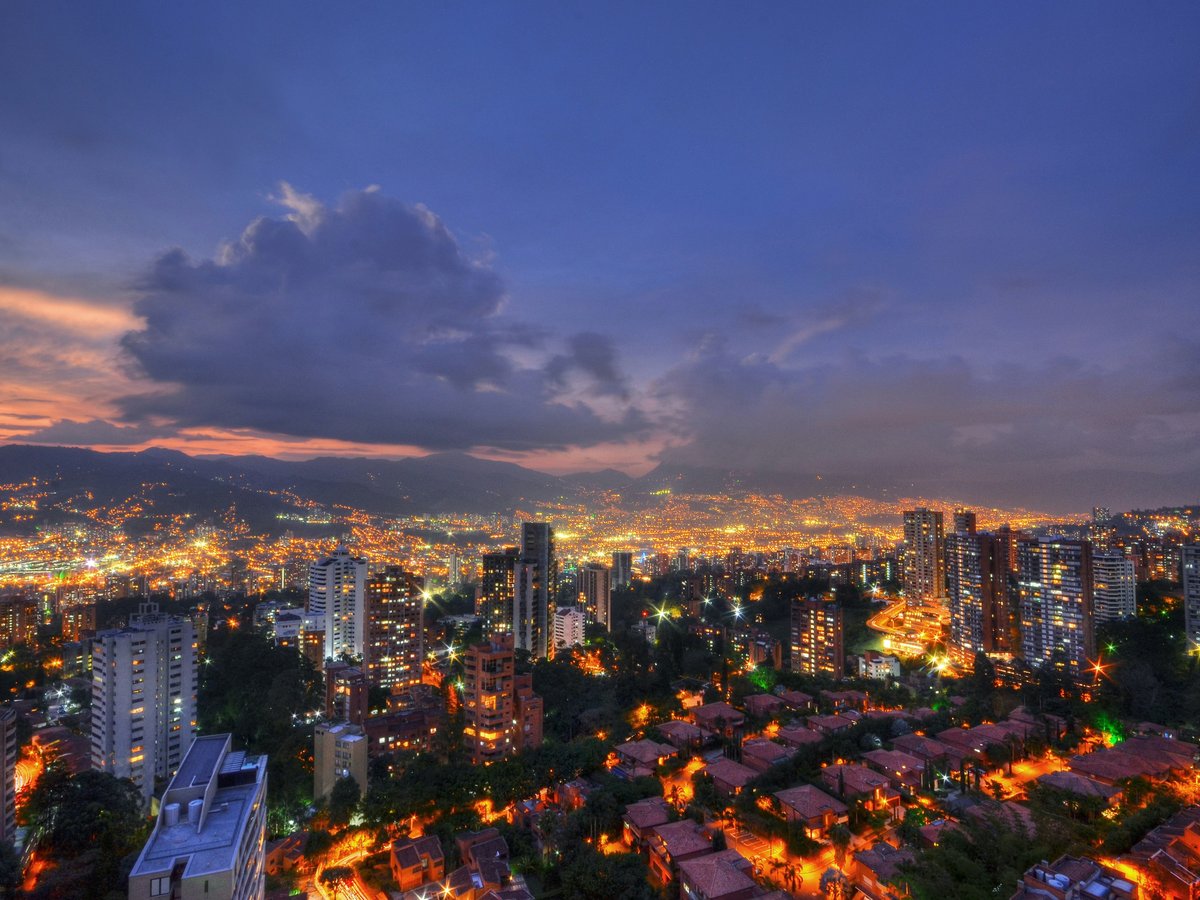
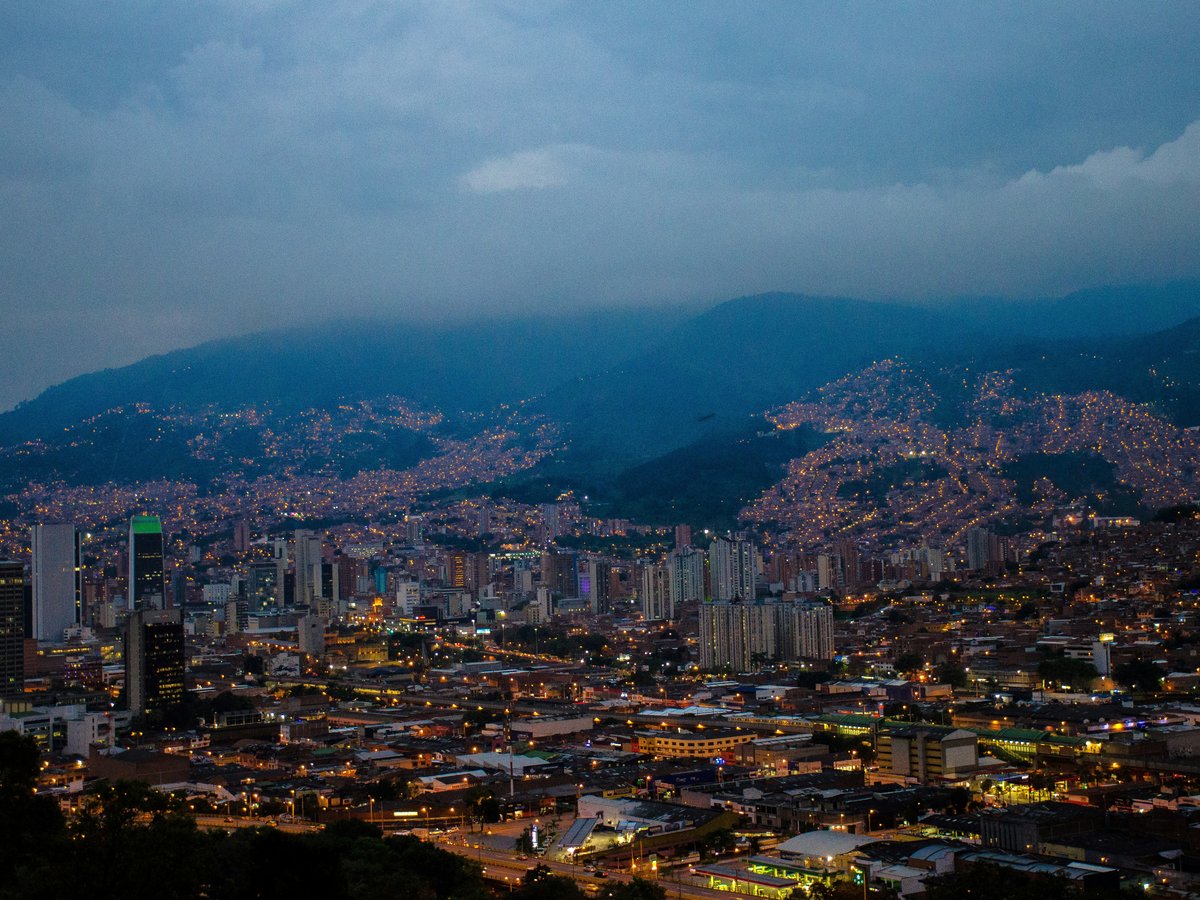
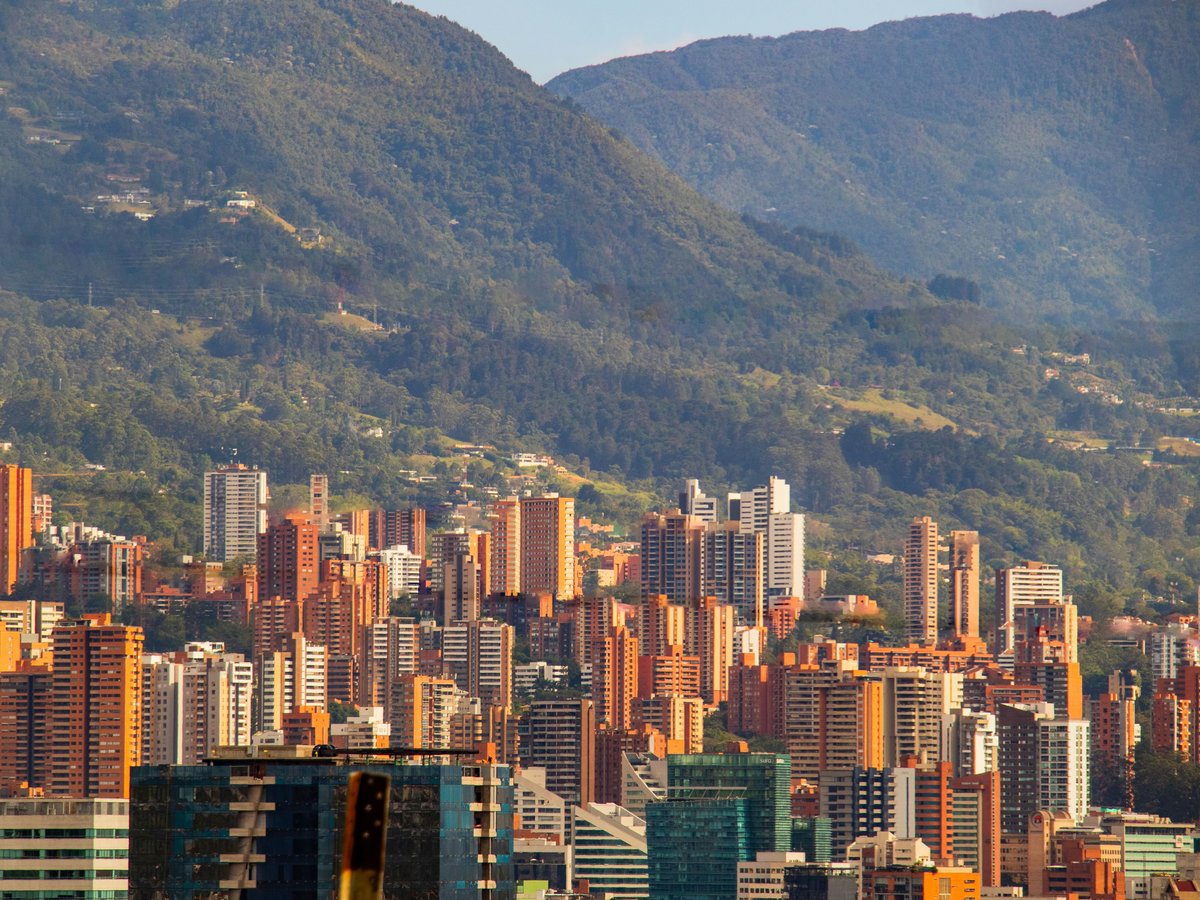
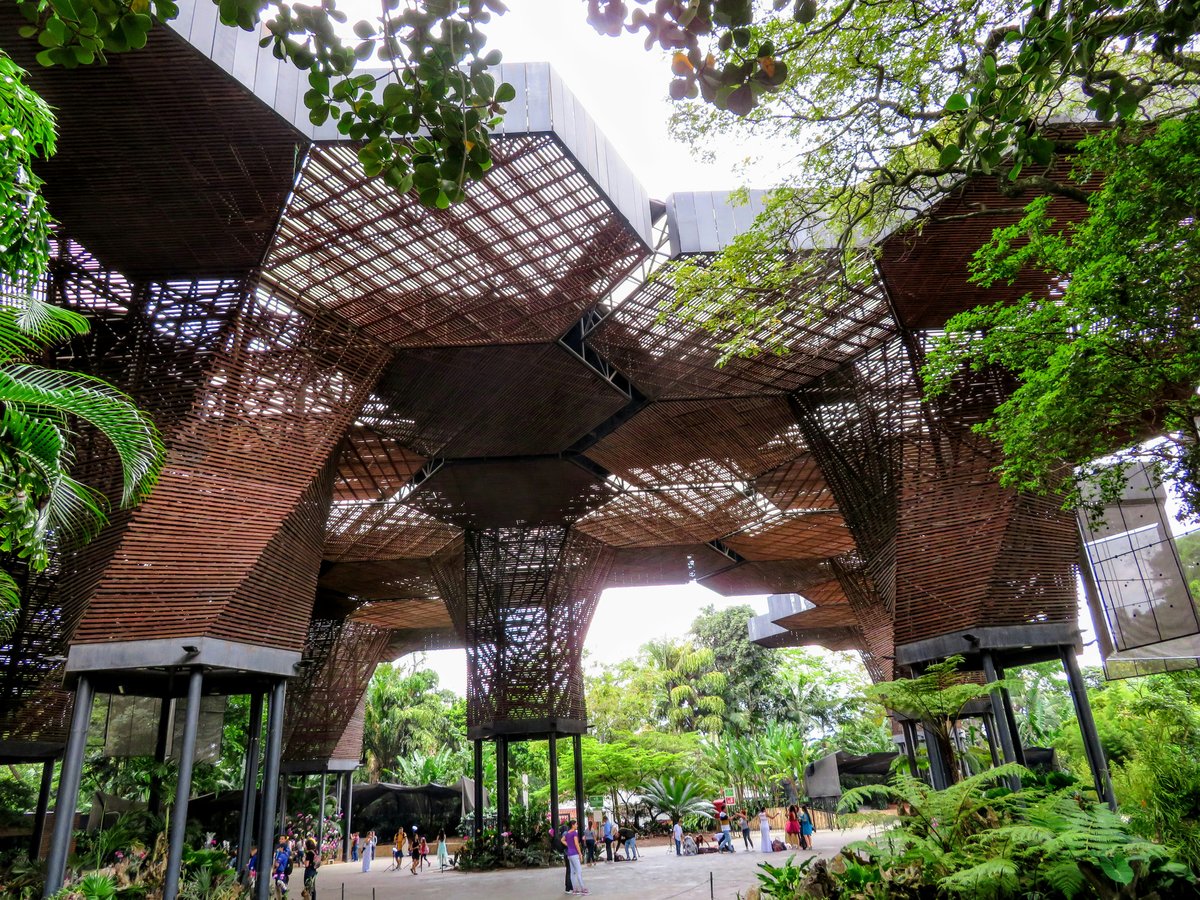
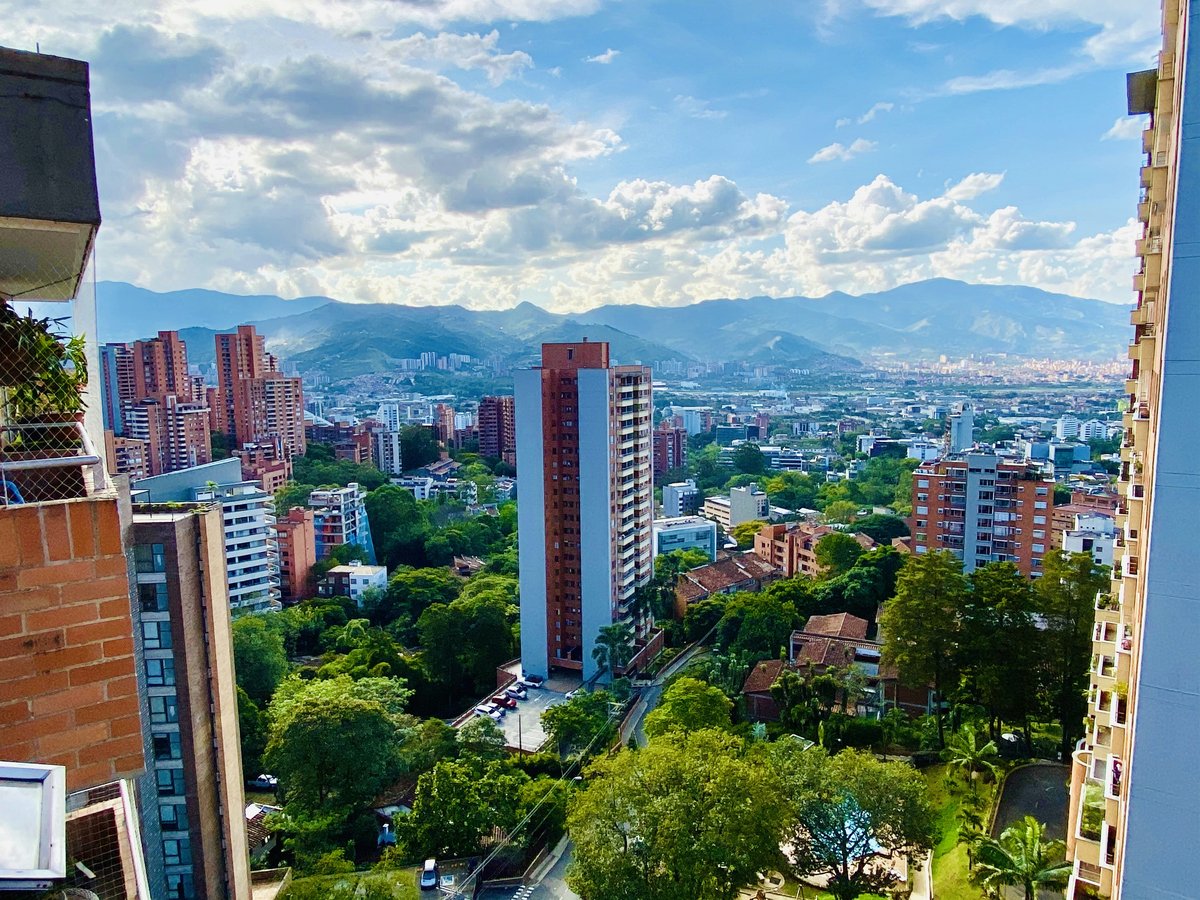
Medellin right now
Answers about Medellin
-
Airport to city
From José María Córdova Airport (MDE), take a colectivo shared minivan to the San Diego mall terminal in El Poblado for about 18,000 COP ($4.50), roughly 45 minutes via the Túnel de Oriente. Official taxis run a flat 95,000-120,000 COP ($23-29). Uber and InDriver work but pickup can be inconsistent.
Read the full answer → -
Best time to visit
Go in January or February. Medellín sits about 1,500 metres up, so afternoons stay near 27°C all year, and those two months bring the driest skies and clear Metrocable views over the Aburrá Valley. Hotel rates in El Poblado have also come down from the December peak by then. July is the next-best window. Avoid April, May, October and November, when storms arrive most afternoons.
Read the full answer → -
Cost per day
Medellín runs about 80,000 COP ($25/day) on a strict budget, covering a hostel dorm in Laureles, three menu del día meals, and Metro rides. Midrange sits around 220,000 COP ($70/day) with a private Airbnb in Poblado. Pull cash in large amounts to avoid the 15,000-20,000 COP ($5-6) ATM fee most banks charge per withdrawal.
Read the full answer → -
Cultural etiquette
Paisas greet with a single cheek kiss (right cheek) among women and mixed pairs, a firm handshake between men. Tipping 10% at restaurants is standard but not automatic. Avoid bringing up Pablo Escobar or narco tourism. Cover knees and shoulders at the Metropolitan Cathedral. Address elders and strangers as "usted," not "tú."
Read the full answer → -
Best day trips
Guatapé is the top pick, 80 km east by 15,000-COP bus from Terminal del Norte, with the 740-step Piedra del Peñol and a colorful lakeside town that works even if one partner skips the climb. Santa Fe de Antioquia, 80 km northwest, has 32°C heat and a compact colonial center. Parque Arví is the easiest option, reachable by Metrocable from central Medellín in 50 minutes.
Read the full answer → -
Digital nomads
Medellín scores 8.7/10 for digital-nomad suitability (sourced from TTDI's editorial rubric). Tigo-UNE fiber delivers 100-300 Mbps in Laureles and El Poblado apartments for 90,000-130,000 COP a month. Coworking runs 350,000-650,000 COP monthly. Colombia's Visa V Nómada Digital (2022) grants 2 years on proof of roughly $1,050/month income. All-in budget sits at $1,500-2,200 monthly.
Read the full answer → -
Family-friendly
Medellín is family-friendly, 7/10. Year-round temperatures near 22°C eliminate heat as a factor, and the Metro plus MetroCable gondolas double as entertainment. Parque Explora, the free Jardín Botánico, and Plaza Botero's 23 climbable sculptures are the top three picks. Strollers lose to carriers on the hills outside El Poblado's flat blocks.
Read the full answer → -
Food culture
Medellin eats on the corrientazo, a set lunch of soup, rice, beans, grilled meat, plantain, and fresh juice for 15,000 to 20,000 pesos at neighborhood fondas. The Antioquian kitchen is corn-based and pork-forward. Bandeja paisa gets the headlines, but the best eating happens at Plaza Minorista and along Carrera 70 in Laureles, not in the tourist strip of El Poblado.
Read the full answer → -
Getting around
Metro Line A runs north-south through Medellín's valley for around 3,050 COP per ride. Load a Cívica card at any station. Uber and InDriver cover the gaps at 8,000-15,000 COP across town. Metrocable gondolas reach hillside comunas no bus handles well. Taxis are metered but drivers near tourist areas sometimes claim broken meters. Use the Tappsi app or Uber instead.
Read the full answer → -
How to get there
José María Córdova International Airport (MDE) in Rionegro, 29 km east of Medellín, handles all international flights. Nonstop service from Miami, Fort Lauderdale, New York JFK, Houston, and Atlanta runs on Avianca, American, JetBlue, Spirit, and United. Round-trip fares from the US run $300 to $650. No European nonstops exist. Connect via Bogotá on Avianca or Panama City on Copa Airlines.
Read the full answer → -
Is it safe?
Medellín rewards solo travellers who think about their evenings in advance. We score it 4.5/10 for solo-traveler safety (see the TTDI Solo-Safety Index). By day, the most common loss is a phone grabbed in Centro, and after dark the serious risk shifts to scopolamine drugging and dating-app setups targeting foreigners around El Poblado. Dial 123 for police, ambulance or fire.
Read the full answer → -
Language basics
Spanish, specifically Paisa Spanish with its distinctive voseo (using "vos" instead of "tú"). English proficiency in El Poblado and Laureles tourist zones sits around 4 out of 10. Younger hostel and restaurant staff in El Poblado manage basic English, but taxi drivers, tienda owners, and Metro staff rarely speak any. A few Paisa phrases go far.
Read the full answer → -
Layover guide
Yes, but budget more time than you'd expect. José María Córdova International Airport sits in the mountains near Rionegro, roughly 50 minutes from El Poblado by taxi or shared van. With immigration, transit both ways, and a 90-minute return buffer, seven hours is the realistic floor. Below that, stay airside.
Read the full answer → -
LGBTQ-friendly
Medellín scores 7/10. Colombia legalized same-sex marriage in April 2016, and the city's queer scene concentrates in Barrio Colombia and El Poblado around Parque Lleras. Same-sex PDA passes without comment in these zones. Outside tourist areas, conservative Catholic attitudes still surface in working-class comunas.
Read the full answer → -
Where locals go
Paisas hang out in Laureles and along Carrera 70, not in Provenza. For midweek salsa, head to Son Havana on Carrera 73; for Sunday tango, Salón Málaga in Centro; and for produce, Plaza Minorista works best early. On Sunday, families picnic on the Ciudad del Río lawns beside MAMM, and Atlético Nacional home games at Estadio Atanasio Girardot fill the bars on La 70.
Read the full answer → -
Must-see
Comuna 13 is the single sight in Medellín that matters most for a first visit. The city installed 384 metres of outdoor escalators on this steep hillside in 2011, and more than 200 murals now line the route. Go before 10am. No ticket needed. Then walk to Plaza Botero for 23 bronze Botero sculptures in the open.
Read the full answer → -
Solo travel
Medellín rates 8.7/10 on TTDI's digital-nomad rubric, though solo safety requires real precautions that define the experience here. The coworking and hostel scene in El Poblado and Laureles connects you to people fast. Scopolamine awareness and after-dark taxi discipline are non-negotiable.
Read the full answer → -
This week
Medellín's week has a fixed rhythm. Sunday's Ciclovía opens 30-plus kilometers of car-free road from 7am. Monday, major museums close. Tuesday through Thursday is the sweet spot for restaurants and galleries without weekend crowds. Parque Lleras nightlife peaks Friday and Saturday after 10pm. A short rainstorm crosses the valley most afternoons around 3pm, so plan outdoor time for mornings.
Read the full answer → -
3-day itinerary
Day 1 covers Centro on foot, starting at Plaza Botero by 9 AM and ending at Jardín Botánico. Day 2 rides Metro Line B west to Comuna 13's outdoor escalators, then moves to Laureles for dinner on Carrera 70. Day 3 takes the Metrocable to Santo Domingo Savio and finishes at El Poblado's Via Provenza. About 18 km of walking, 25 km by Metro.
Read the full answer → -
What to avoid
Skip Parque Lleras after midnight, the Pablo Escobar tours, and any drink in El Poblado that left your sight. Never meet a dating-app match anywhere private in Medellín, leave El Centro before dark, take the white airport taxi in Rionegro instead of following a tout, and keep Guatapé off your first day.
Read the full answer → -
What to pack
Medellin sits at 1,495 meters. Skip the beach wardrobe. Daytime temperatures hover around 22-28°C, but evenings drop to 15-17°C. Pack layers, a packable rain jacket for afternoon downpours, walking shoes with tread for steep hillside sidewalks, and SPF 50 sunscreen. US plugs work without an adapter. Buy mosquito repellent at any Éxito for 12,000 COP.
Read the full answer → -
Where to stay
Stay in El Poblado for your first visit, or Laureles if you prefer a more local neighborhood. El Poblado puts you within walking distance of Parque Lleras restaurants and the Metro's Poblado station. Budget $50-120 per night in El Poblado, $30-65 in Laureles. Both sit at 1,495 meters elevation where temperatures hold near 22°C year-round.
Read the full answer →
Deep guides for Medellin
Curated lists for Medellin
accommodation
-
Best boutique hotels
Medellin's hotel inventory clusters along the slopes of the Aburrá Valley, and for most visitors the decision comes down to one ridge: the high ground of El Poblado, south of the city center. The neighborhood splits into two distinct pockets that share the same postcode but not the same street life. The upper stretch around the Tesoro mall trades in polished lobbies and quiet residential blocks; the lower section near Parque Lleras runs louder and later. Both sit on the Metro's Línea A, reachable from Poblado station in a short taxi or a steep walk, and both put the cable-car link to Santo Domingo within a single transfer. Prices range from budget guesthouses behind Avenida El Poblado to full-service towers with rooftop pools overlooking the valley. The city's hostels and backpacker beds concentrate further north, around Laureles and Estadio, but for boutique inventory at a mid-range price point, El Poblado's two pockets hold the strongest selection. What separates them is altitude, noise level, and how much you want the restaurants to find you versus the other way around.
See the picks → -
Best hostels
Medellin sits in the Aburrá Valley with its neighborhoods climbing the slopes on either side of the river. The hostel and budget accommodation scene splits along a clear geographic line: El Poblado on the southeastern hillside, Laureles on the western bank, and La Candelaria in the old downtown core between them. El Poblado draws the largest share of international travelers and commands the highest hostel rates in the city; Laureles runs quieter and cheaper with better access to local restaurant strips along Carrera 70; La Candelaria offers the lowest nightly prices but asks you to be more deliberate about when and where you walk after dark. The Metro connects all three corridors, and most travelers will use the Poblado, Estadio, or Parque Berrío stations as anchors. Prices in this guide range from $20 a night in La Candelaria to $63 near San Diego, and ratings run from 7.2 to 9.8, so the floor is honest and the ceiling is genuinely strong. The neighborhood you pick matters more than the specific bed: once you choose your corridor, you will find something that fits. Start with the valley side and the vibe, not the booking filter.
See the picks → -
Where to stay
Medellin splits its hotel inventory across a handful of valleys and ridgelines that feel like separate cities. El Poblado climbs the southeastern hills in layers of boutique lobbies and rooftop bars, drawing the bulk of tourist bookings and the highest nightly rates. Laureles-Estadio sits across the river to the west, flatter and more local in character, with cafes that stay open late and prices that stay low. La Candelaria anchors the old center around Parque Berrío and the Metro's busiest interchange, where budget beds fill colonial shells and the streets grow quieter by ten at night. Between these poles, smaller pockets like San Diego and La América offer residential calm at rates the main tourist strips cannot match. The price range runs from $20 a night in La Candelaria's budget rooms to $241 in upper El Poblado, and the gap between a 7.2 and a 9.8 guest rating often comes down to which hillside you choose. Medellin rewards the traveler who picks the neighborhood first and the hotel second; the Metro connects most of these areas quickly, so the real question is what you want outside your door when you step out in the morning.
See the picks →
attractions
-
Best free attractions
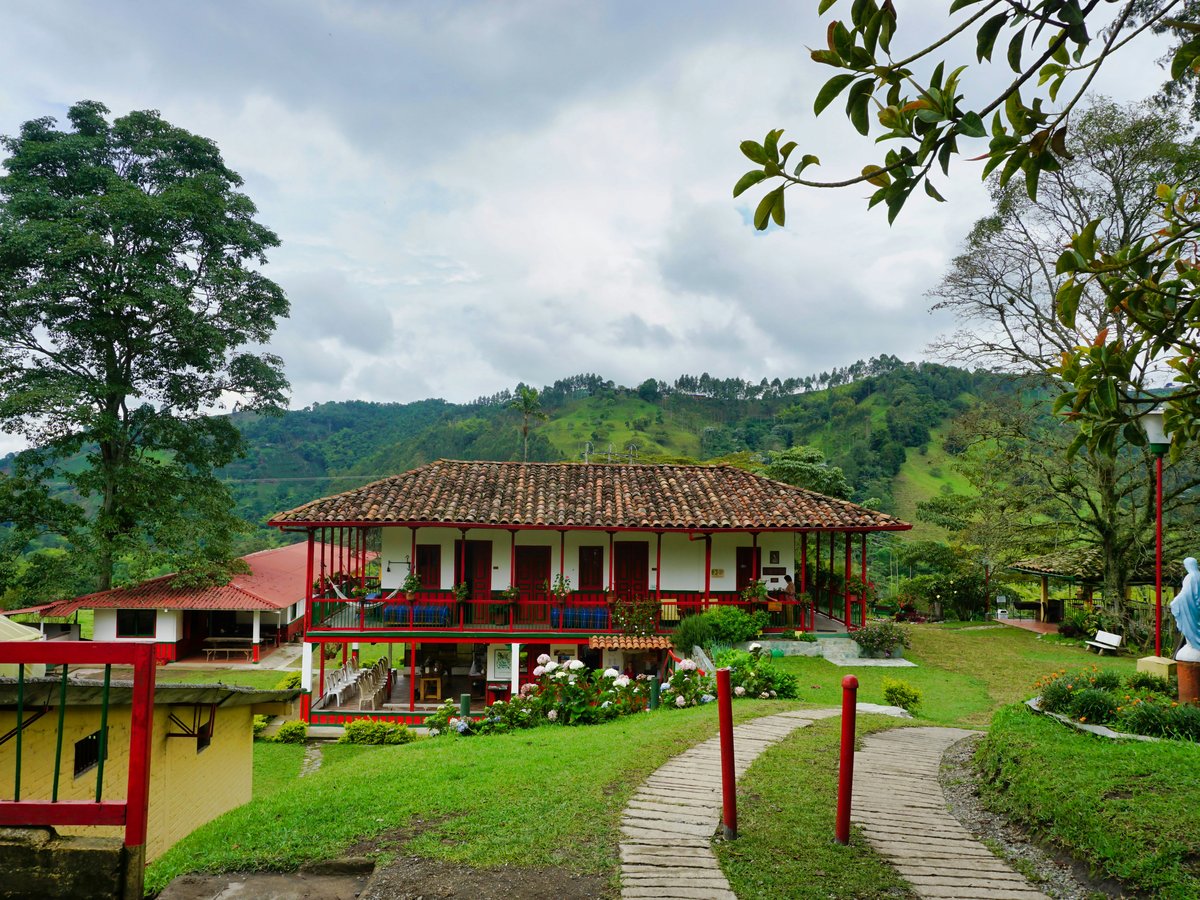
Medellín does free better than most cities its size, and the reason is public ground: parks, plazas and library parks that are open to anyone. This list keeps to places you can walk into without a ticket, running from a central square that dates from 1892 and a plaza on the record since 1924 to two library parks, one from 2006 and one from 2007, an urban park at calle 42A diagonal 63A and Parque Lleras at Calle 9 carrera 38. It is for the traveler who would rather spend an afternoon than a fistful of pesos: people who like to sit on a bench and watch a neighbourhood go about its day, who read a city through its squares and not its gift shops, and who know that the best free hour is the one with no plan attached. Bring water and comfortable shoes. Leave the itinerary loose.
See the picks → -
Best museums
Medellin's museum list is broader than the word suggests, and that breadth is reason enough to take it seriously. Two of the nine entries below carry the National Monuments of Colombia designation, one of them a cemetery. The oldest institution here dates to 1881; the science side runs from a planetarium opened in 1984 to a science and technology space from 2008. There is also a 14-hectare botanical garden and a sculpture garden that keeps park hours rather than gallery hours. This list is for the traveller who wants more of the city than a single famous name. Skip the single-museum day trip: the range is the point. Where our verified sources record opening hours and street addresses we give them, and where they do not we say so plainly, so you know to check before crossing town.
See the picks → -
Must-see attractions
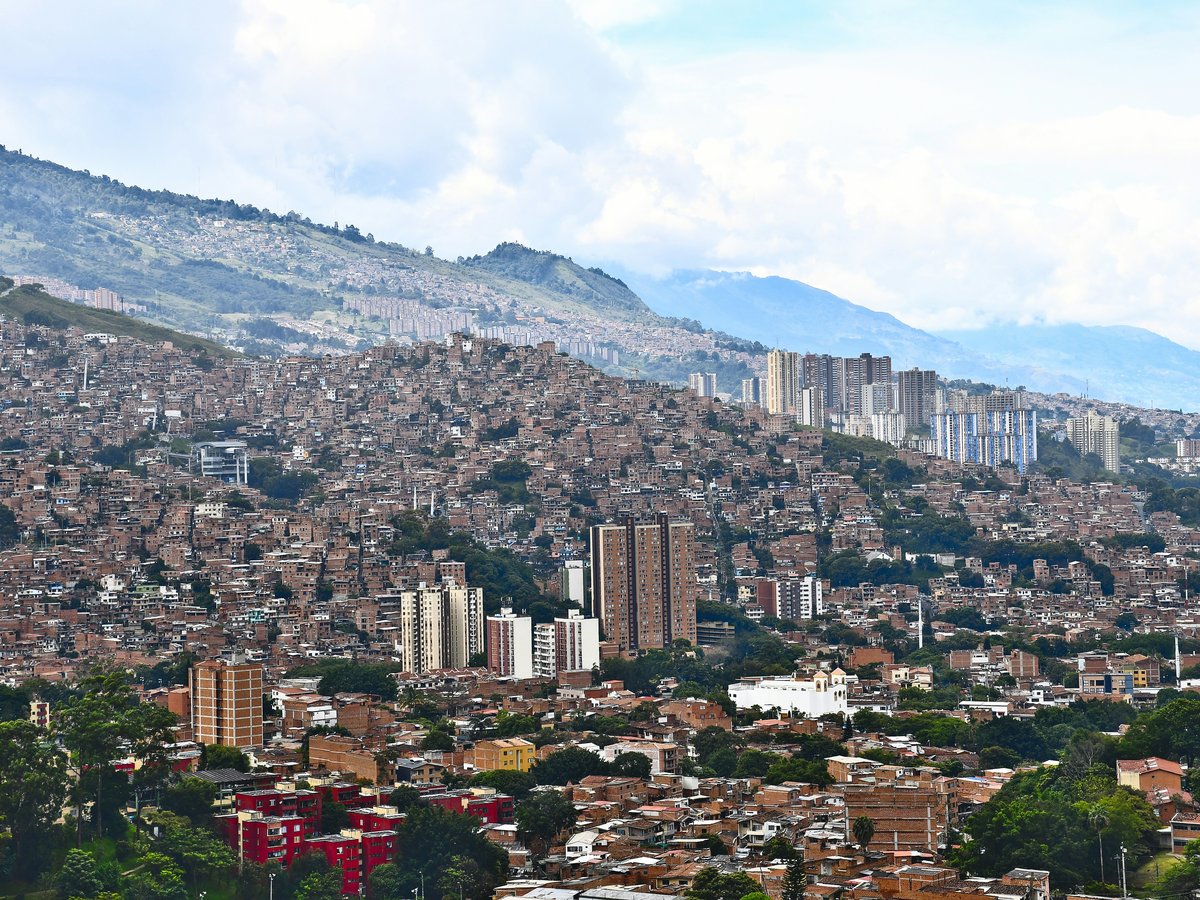
Medellín's essential sights are mostly buildings: theatres, churches, and civic landmarks, not beaches or theme parks. The oldest dates on this list come from the city's churches, and two stand out: the Iglesia del Sagrado Corazón de Jesús from 1930, a national monument, and the Metropolitan Cathedral of Medellín from 1931, which holds Colombia's national heritage listing. Then come the stages. The Lido Theater dates from 1945, and the Medellín Metropolitan Theatre stands at Carrera 57-30. The newer layers follow: the Coltejer Building from 1972 and the Monumento a la Raza from 1988. Three entries sit outside the city, one being a cathedral in Caldas, another a basilica in San Pedro de los Milagros that dates from 1895, and the third a basilica on Carrera 61 in La Estrella. One entry is a former hotel and theatre, and we say so plainly. This list is for visitors who would rather read a city through what it built and protected than through its nightlife. Bring comfortable shoes and allow time. Most of these places are better seen slowly.
See the picks →
food
-
Best cafes
Medellín's cafe map does not read like Bogotá's or Salento's. The city sits on the northern edge of Colombia's coffee-growing country, and the places worth an hour of your morning sort themselves into three camps: neighbourhood counters in comunas like La América and Aranjuez where a tinto and a pastry cost less than a bus fare, coworking rooms in Guayabal and El Poblado where the wifi is the product and the coffee is the excuse, and small dessert-forward rooms tucked into Laureles side streets that trade in matcha, cake and afternoon quiet. What follows is a working list, not a greatest-hits parade: 12 cafes verified on the ground in OpenStreetMap, ranked and annotated for a visitor who wants to read the city through what people drink between meetings. Addresses, hours and phones are here because you will need them; the editorial is here because a map alone will not tell you which door to try first.
See the picks → -
Best restaurants
Medellin eats loudly. The city's restaurant map runs from Laureles taquerías that hold the counter until midnight to Comuna 13 kitchens where the pot of the day is decided at breakfast, and the twelve rooms below are the ones worth planning an afternoon around. This is a list for a visitor who wants to eat where the neighbourhood eats: a Pacific-coast seafood counter in the Centro, an ajiaco cook off Circular 3, a wings bar that only opens once the sun has dropped, an Italian bakery whose day ends at noon. Every venue here is mapped and verifiable, with an address, a phone, and posted hours you can plan against. Skip the tourist strips that promise a little of everything and deliver a little of nothing. Bring cash for the smaller kitchens, patience for the ones that queue, and an appetite that can move from a taco to a tamarind wing to a bowl of sancocho without complaint. The order below is our ranking, not the city's; read it as twelve arguments for eating outside your hotel block.
See the picks →
Browse by traveler type
Book experiences in Medellin
 Free cancellation
 Comuna 13 Graffiti Tour with Local snacks
City tour: 3 hours, free cancellation.
via Viator Free cancellation
 Guatapé Tour: Piedra del Peñol with Boat Tour, Breakfast, Lunch
Day trip: free cancellation.
via Viator Free cancellation
 Explore Guatapé and El Peñol from Medellín
Day trip: free cancellation.
via Viator Free cancellation
 Tour to Guatape, Piedra del Peñol, lunch, snacks boat trip
Day trip: free cancellation.
via Viator Free cancellation
 Guided Tour of Comuna 13 Medellín with Snacks Included
City tour: 3 hours, free cancellation.
via Viator Free cancellation
 Half-Day Coffee Tour: From the Seed to the Cup, Farm & roastery
Day trip: free cancellation.
via Viator Free cancellation
 PREMIUM Guatapé Tour: Rock, Luxury boat ride, Meals & Llamas
Day trip: 11 hours, free cancellation.
via Viator Free cancellation
 Pablo Escobar Tour Museum History and Beer
Day trip: free cancellation.
via Viator Free cancellation
 Tour Guatapé
Day trip: 10 hours, free cancellation.
via Viator Free cancellation
 Private Guatape & Coffee Farm Tour: The Two Must do in One Day
Day trip: free cancellation.
via Viator Free cancellation
 Comuna 13 Tour with Cable Car Ride
City tour: 4.5 hours, free cancellation.
via Viator Free cancellation
 Guatapé and Pablo Escobar's Hacienda: An Adventure in Chiva.
Day trip: free cancellation.
via ViatorBrowse by interest
Compare Medellin with
Find a flight to Medellin
Live fares to Medellin appear here once cookies are accepted.
Last verified by automated review (v1.7.2) on . What is automated review?