Medellin on a budget
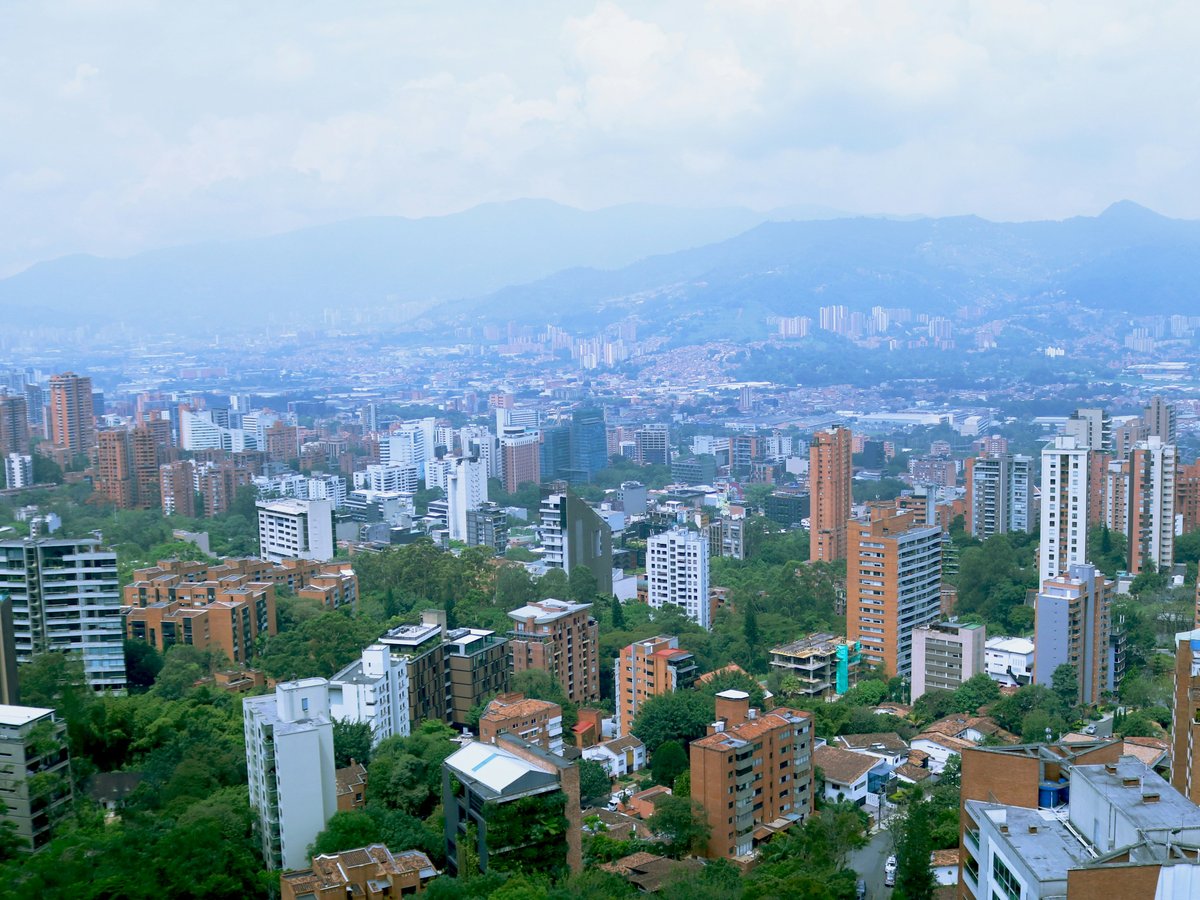
Barefoot Park is a downtown park designed to be walked shoeless, over sand, water and bamboo. Most of the picks for budget travelers in Medellin sit in El Poblado and Comuna 11 - Laureles-Estadio. Medellin has 43 budget-tier hotels in the Trip.com pool from US$11 a night.
Medellin for budget travelers, in numbers
- Picks on this page
- 22 places across 2 lists, led by Lomm By Somos The Group, Quadrato Studios, Golden Valley Hotel
- budget-tier hotels
- 43 in the Trip.com poolfrom US$11 a night
Questions budget travelers ask about Medellin
-
Cost per day
Medellín runs about 80,000 COP ($25/day) on a strict budget, covering a hostel dorm in Laureles, three menu del día meals, and Metro rides. Midrange sits around 220,000 COP ($70/day) with a private Airbnb in Poblado. Pull cash in large amounts to avoid the 15,000-20,000 COP ($5-6) ATM fee most banks charge per withdrawal.
Read the full answer → -
What to avoid
Skip Parque Lleras after midnight, the Pablo Escobar tours, and any drink in El Poblado that left your sight. Never meet a dating-app match anywhere private in Medellín, leave El Centro before dark, take the white airport taxi in Rionegro instead of following a tout, and keep Guatapé off your first day.
Read the full answer → -
Getting around
Metro Line A runs north-south through Medellín's valley for around 3,050 COP per ride. Load a Cívica card at any station. Uber and InDriver cover the gaps at 8,000-15,000 COP across town. Metrocable gondolas reach hillside comunas no bus handles well. Taxis are metered but drivers near tourist areas sometimes claim broken meters. Use the Tappsi app or Uber instead.
Read the full answer → -
Airport to city
From José María Córdova Airport (MDE), take a colectivo shared minivan to the San Diego mall terminal in El Poblado for about 18,000 COP ($4.50), roughly 45 minutes via the Túnel de Oriente. Official taxis run a flat 95,000-120,000 COP ($23-29). Uber and InDriver work but pickup can be inconsistent.
Read the full answer → -
Food culture
Medellin eats on the corrientazo, a set lunch of soup, rice, beans, grilled meat, plantain, and fresh juice for 15,000 to 20,000 pesos at neighborhood fondas. The Antioquian kitchen is corn-based and pork-forward. Bandeja paisa gets the headlines, but the best eating happens at Plaza Minorista and along Carrera 70 in Laureles, not in the tourist strip of El Poblado.
Read the full answer →
Curated for budget travelers
-
Best hostels
Medellin sits in the Aburrá Valley with its neighborhoods climbing the slopes on either side of the river. The hostel and budget accommodation scene splits along a clear geographic line: El Poblado on the southeastern hillside, Laureles on the western bank, and La Candelaria in the old downtown core between them. El Poblado draws the largest share of international travelers and commands the highest hostel rates in the city; Laureles runs quieter and cheaper with better access to local restaurant strips along Carrera 70; La Candelaria offers the lowest nightly prices but asks you to be more deliberate about when and where you walk after dark. The Metro connects all three corridors, and most travelers will use the Poblado, Estadio, or Parque Berrío stations as anchors. Prices in this guide range from $20 a night in La Candelaria to $63 near San Diego, and ratings run from 7.2 to 9.8, so the floor is honest and the ceiling is genuinely strong. The neighborhood you pick matters more than the specific bed: once you choose your corridor, you will find something that fits. Start with the valley side and the vibe, not the booking filter.
See the picks → -
Best free attractions
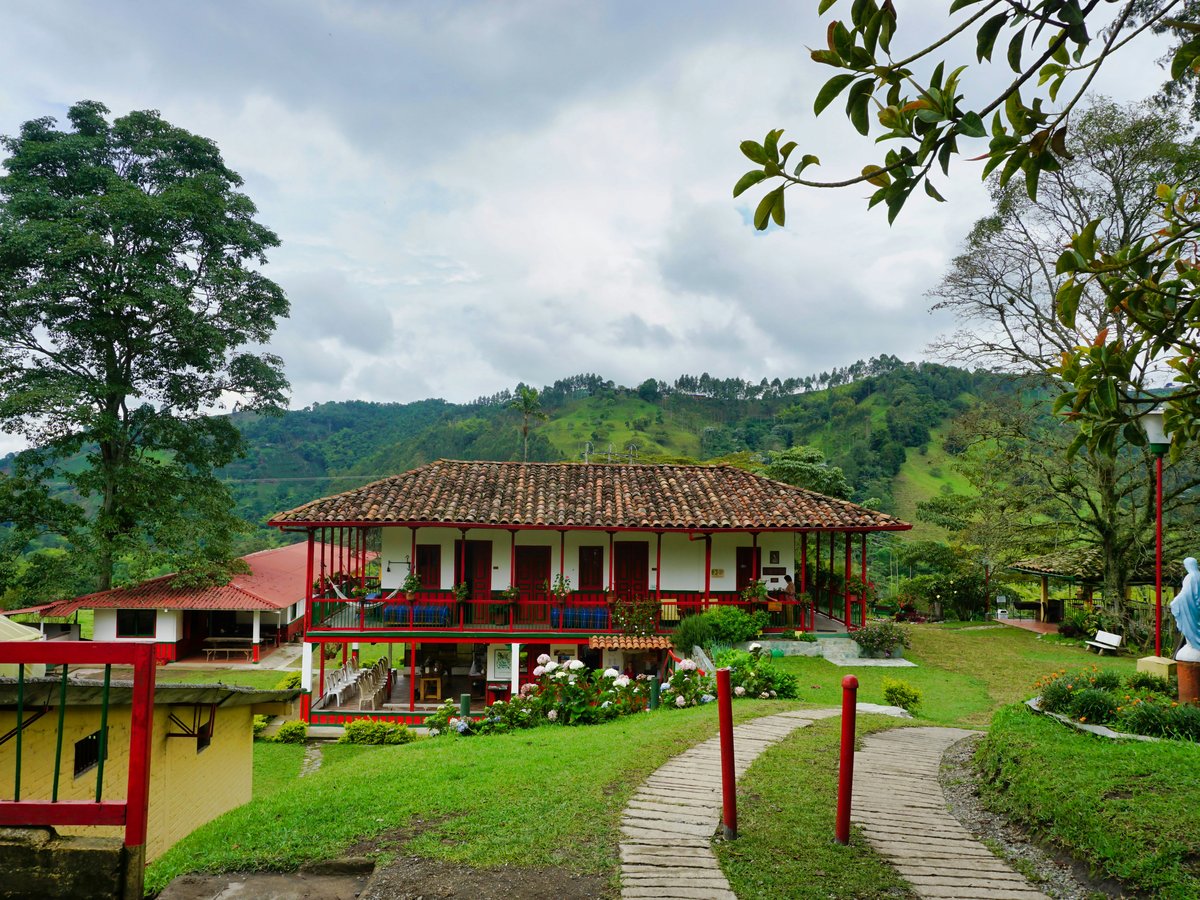
Medellín does free better than most cities its size, and the reason is public ground: parks, plazas and library parks that are open to anyone. This list keeps to places you can walk into without a ticket, running from a central square that dates from 1892 and a plaza on the record since 1924 to two library parks, one from 2006 and one from 2007, an urban park at calle 42A diagonal 63A and Parque Lleras at Calle 9 carrera 38. It is for the traveler who would rather spend an afternoon than a fistful of pesos: people who like to sit on a bench and watch a neighbourhood go about its day, who read a city through its squares and not its gift shops, and who know that the best free hour is the one with no plan attached. Bring water and comfortable shoes. Leave the itinerary loose.
See the picks →