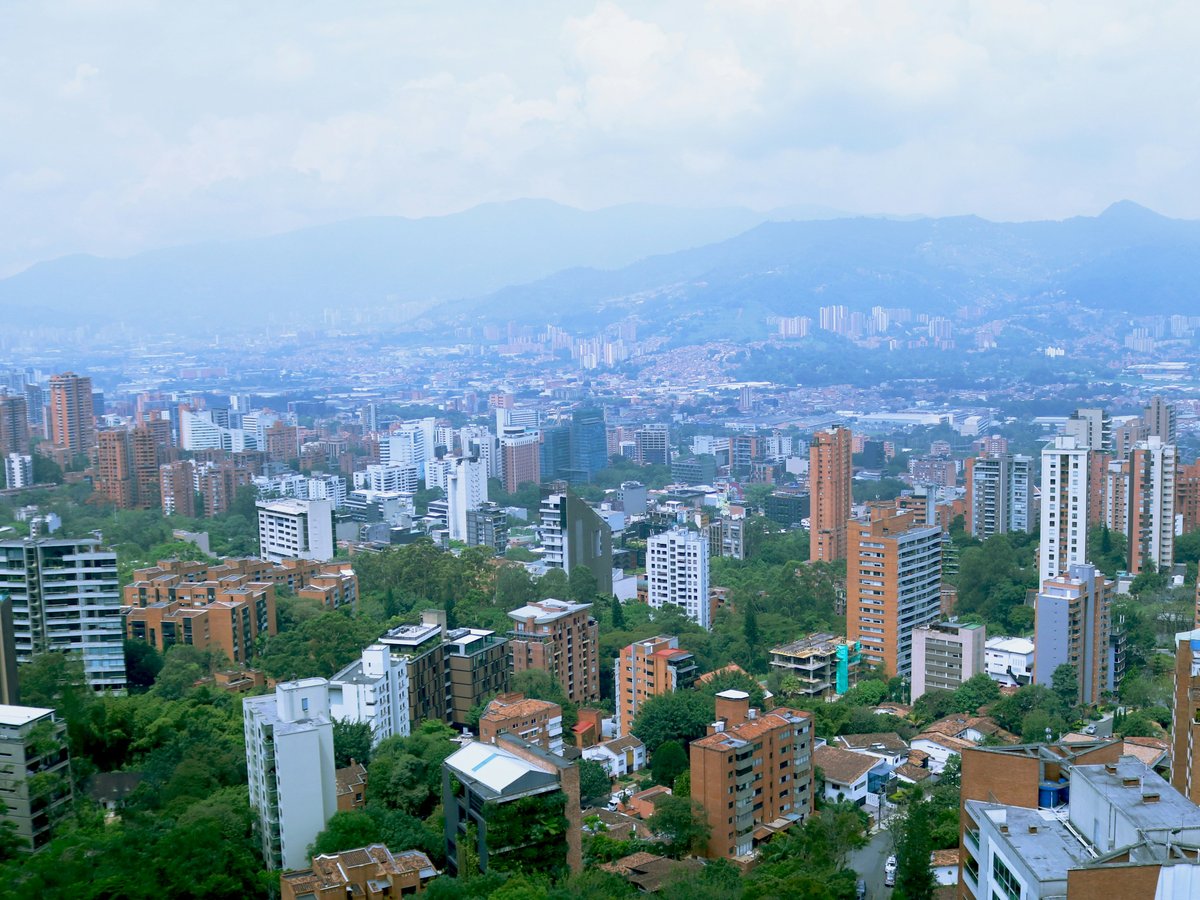
What's the food culture in Medellin?
Medellin eats on the corrientazo, a set lunch of soup, rice, beans, grilled meat, plantain, and fresh juice for 15,000 to 20,000 pesos at neighborhood fondas. The Antioquian kitchen is corn-based and pork-forward. Bandeja paisa gets the headlines, but the best eating happens at Plaza Minorista and along Carrera 70 in Laureles, not in the tourist strip of El Poblado.
Medellin eats one big meal, and it happens at lunch. The corrientazo, a set menu served at thousands of fondas between noon and 2pm, is what keeps the city fed. In Laureles, Buenos Aires, and Belén, you'll find at least one per block. Soup arrives first, usually a bowl of sancocho or crema, followed by a plate of white rice, red beans, grilled pork or chicken, fried plantain, a small salad, and a glass of lulo or maracuyá juice. That full meal costs 15,000 to 20,000 pesos in local neighborhoods. In El Poblado the same plate runs 25,000 to 32,000 and tends to taste flatter. Paisas judge a fonda by its caldo before anything else. If the soup is watery, walk out. Dinner is lighter, usually around 8 or 9pm. Most families eat an arepa with quesito and a cup of chocolate caliente, or reheat the rice and beans from lunch. Sit-down dinners happen along Carrera 70 in Laureles and in the Provenza area, but the traditional paisa pattern is still a small meal at home.
Plaza Minorista José María Villa, on Calle 55 near the Cisneros metro station, is the market that food-focused visitors should hit first. The ground floor runs several aisles of produce, butcher counters, and 50-kilo sacks of dried beans stacked head-high. Upstairs, the food court holds roughly 50 stalls, each running 1 or 2 specialties. The mondongo stands near the north end serve tripe soup in clay bowls with rice and avocado for around 15,000 pesos. The fruit juice counters are the best in the city. Ask for lulo, maracuyá, or guanábana, blended to order for 4,000 pesos. You drink it standing up while vendors shout prices off the concrete walls. Mind you, Saturdays get packed by 11am. Go at 8 on a weekday for room to breathe. Mercado del Río, a converted warehouse in Ciudad del Río near MAMM (founded 1978), is the polished counterpart. It opened around 2016 and runs 40-plus vendors under one roof. Prices sit 2 to 3 times above Minorista, but the ceviche counters and craft beer taps make it worth a stop if you want a table and a napkin.
Skip El Poblado for daily eating. The restaurants along Parque Lleras and Calle 10 cater to foreign visitors and charge Bogotá prices for Medellin-average cooking. The one exception might be Mondongos on Calle 10, which has served the same tripe soup since 1979. The broth is dark. The tripe is tender enough to cut with a spoon, and the portion is sized for a paisa appetite, not a tourist one. For bandeja paisa, Hatoviejo in Junín (Centro) and Laureles serves the full platter for 30,000 to 38,000 pesos. The chicharrón crackles when you bite it. The beans taste like they have been on the stove since 5am. In Laureles, Carrera 70 between Circular 1 and Circular 4 is the neighborhood's eating spine. Walk it at lunch and you'll pass empanada carts frying corn-dough pockets with spiced beef and potato for 3,000 pesos, buñuelo vendors selling hot cheese fritters, and 3 or 4 fondas with the day's corrientazo chalked on a board out front.
Street food safety in Medellin is better than most visitors expect. High turnover at the popular carts means oil stays relatively fresh, and the corn-based doughs handle heat well. That said, avoid stands with no visible queue, and stick to vendors who cook right in front of you. Arepa de choclo, the sweet corn arepa griddled until the outside blisters and the white cheese inside melts into long strings, appears on carts across Envigado and along Carrera 43 starting around 4pm for 5,000 to 7,000 pesos each. The smell of toasting corn carries half a block. Obleas, paper-thin wafers spread with arequipe and sometimes topped with shredded cheese, show up at park entrances. Look for them at Parque de Bolívar and Parque Berrío, 4,000 to 6,000 pesos. For late-night eating after 10pm, the chorizo and empanada stands along Avenida La Playa near Parque de las Luces stay open until 1 or 2am on weekends. A chorizo santarrosano from the town of Santa Rosa de Osos, grilled over charcoal and stuffed into an arepa, runs about 8,000 pesos. Worth the walk.
Signature dishes
-
Bandeja paisa
Red beans, white rice, chicharrón, ground beef, chorizo, fried egg, sweet plantain, avocado, and arepa served together on one oval platter. The plate weighs close to a kilogram. Order it at lunch from a neighborhood fonda for 25,000 to 32,000 pesos, not from an El Poblado tourist spot at double the price.
-
Mondongo
Tripe and pork-knuckle soup slow-cooked with potato, carrot, and cilantro until the tripe goes soft. Served in a clay bowl with rice and avocado on the side. The restaurant Mondongos on Calle 10 has served it since 1979 for around 25,000 pesos.
-
Arepa de choclo con quesito
Sweet corn ground to a paste, formed into thick rounds, and griddled until the outside chars and the white cheese inside melts into strings. Street vendors across Envigado and central Medellin sell them from 4pm onward for 5,000 to 7,000 pesos.
-
Empanada antioqueña
Corn-dough shell deep-fried crisp, filled with seasoned ground beef, potato, and hogao (tomato-onion sofrito). Smaller and crunchier than Bogotá's version. Sold at nearly every street corner for 2,500 to 4,000 pesos, always with ají salsa on the side.
-
Sancocho antioqueño
Thick stew of chicken or beef ribs with green plantain, yuca, potato, corn on the cob, and a fistful of cilantro. Served on Sundays in family-sized pots at fondas and private homes across Antioquia. The broth should taste of slow-simmered bone, not bouillon cubes.
-
Chorizo santarrosano
Thick pork sausage from the town of Santa Rosa de Osos, 80km north of Medellin, grilled over charcoal until the casing splits. Served inside an arepa or on a stick with lime. Best after 9pm from the street carts along Avenida La Playa.
-
Calentado paisa
Yesterday's rice and beans refried together in a skillet with scrambled egg and ground beef on top. A working-class breakfast eaten before 8am at fondas across Manrique and Aranjuez for around 10,000 pesos with a tinto (black coffee).
-
Oblea con arequipe
Two paper-thin wafers pressed together with arequipe (caramelized milk spread), shredded cheese, blackberry jam, or all three. Sold at park entrances across the city for 4,000 to 6,000 pesos. Best when the wafers are still crisp, not soggy from sitting.
Meal times
Breakfast 7-9am (calentado or arepa with tinto), almuerzo (lunch) noon to 2pm is the main meal, onces (afternoon coffee and snack) around 4pm, dinner 8-9pm and typically light. Sunday lunch runs later, closer to 1 or 2pm, and often means a family-sized sancocho.
Tipping
Most sit-down restaurants add a voluntary 10% service charge. The server asks 'desea incluir el servicio?' before printing the bill. Say sí. Street food stalls and market counters expect no tip.
Dietary notes
Traditional paisa cooking is pork-and-beef heavy with few vegetarian options at neighborhood fondas. El Poblado and Laureles have dedicated vegetarian restaurants like Verdeo. Arepas and empanadas are corn-based and typically gluten-free, though shared fryer oil is standard. Halal and kosher options are limited to a handful of Middle Eastern spots in El Poblado.
Cooking classes in Medellin
 Free cancellation
 Medellin: Colombian Cacao Experience | Chocolate Tour | BOOK NOW!
Cooking class: 3.5 hours, free cancellation.
via Viator Free cancellation
 Coffee Experience from bean to cup
Cooking class: 5 hours, free cancellation.
via Viator Free cancellation
 Medellin: Colombian Rum and Chocolate Experience | BOOK NOW!
Cooking class: 2 hours, free cancellation.
via ViatorLast verified by automated review (v1.7.2) on . What is automated review?