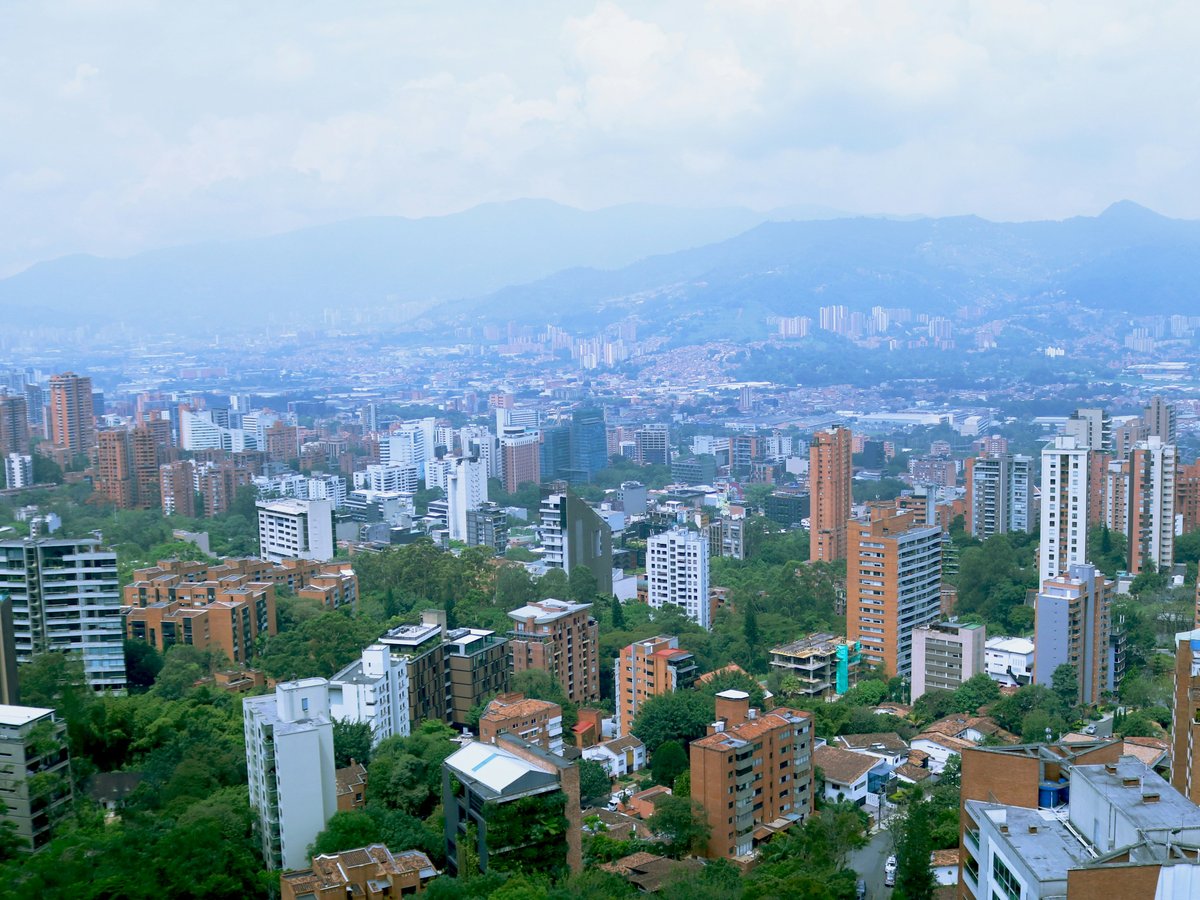
Medellin stays up late. The city runs on aguardiente, reggaeton, and a social calendar that rarely starts before 10 PM on weekends. Paisas treat going out as a group activity, not a solo mission. You'll see tables of 8 or 10 sharing a bottle of Antioqueño, pouring rounds in small plastic cups, dancing between sips. The weekend doesn't truly begin until Friday around midnight, and Saturday nights in neighborhoods like El Poblado and Laureles can stretch past 4 AM. The legal closing time sits at 3 AM for most bars, though clubs with extended licenses push to 5 AM. Medellin's altitude of 1,495 meters keeps the air cool after dark, usually settling around 18 to 20 degrees Celsius. That pleasant temperature means rooftop bars and open-air terraces stay comfortable year-round. The dress code leans sharper than other Colombian cities. Paisas tend to dress up, even for a casual Thursday night beer in Provenza.
The Bar Scene in Medellin
The cocktail bar movement in Medellin has grown steadily since around 2018, and the Provenza neighborhood in El Poblado currently holds the highest concentration. You'll find spots serving drinks built around Colombian ingredients like lulo, maracuyá, aguardiente infusions, and panela syrups. A well-made cocktail runs between 28,000 and 45,000 COP depending on the neighborhood and the ambition of the menu. Laureles tends to be about 20 to 30 percent cheaper for comparable quality. Dive bars still hold their ground, particularly along Calle 33 in Laureles and in the streets around Parque Lleras. These are the places where a bottle of Club Colombia costs 7,000 COP and the music comes from a speaker someone balanced on a shelf. Mind you, the cheapest aguardiente shots in the city might be in the cantinas near the Centro, around Parque Berrío, where a copa goes for 3,000 to 4,000 COP. Those spots cater almost entirely to locals and close by midnight. Rooftop bars have multiplied across El Poblado over the past 3 or 4 years. The views from the higher floors along the Transversal Superior can be striking, looking out over the valley and the lights of the western hills. Expect to pay a premium of 10,000 to 15,000 COP per drink compared to street-level spots. Wine bars exist but remain a niche. Provenza has a few, typically pouring South American bottles from Argentina and Chile, with glasses starting around 25,000 COP. The wine culture here is still young compared to Bogotá's.
Clubs and Dancing in Medellin
Reggaeton and crossover dominate most Medellin clubs. That's the baseline. A DJ set at a mainstream spot in El Poblado will lean heavily on reggaeton, vallenato remixes, and whatever is charting on Spotify Colombia that week. If you want salsa, you need to seek it out deliberately. The traditional salsotecas cluster in Barrio Colombia and along Calle 44 in Laureles. These rooms tend to attract an older, more skilled crowd, and showing up without at least basic salsa footwork means you'll spend most of the night watching. Electronic music has built a following, particularly in the Provenza corridor and in warehouse-style spaces in Ciudad del Río. Techno and house nights happen most consistently on Saturdays. The crowd skews younger, mid-20s to early 30s, and the dress code loosens compared to the reggaeton clubs. Dress codes matter more than you might expect. Most clubs in Parque Lleras and along the Calle 10 strip enforce a no-shorts, no-sandals rule. Collared shirts are not strictly required at every door, but they help. Women tend to dress up considerably. Bouncers at busier spots will turn people away for looking too casual, especially after midnight on Saturdays. Cover charges vary. Many bars and smaller clubs let you in free before midnight. After that, covers range from 20,000 to 50,000 COP at popular spots. Some places operate a consumable cover, where the entry fee converts to drink credit. Worth noting, the bigger clubs occasionally require table reservations for groups on Saturday nights, particularly for mixed groups. Lines form around 12:30 AM and the peak crowd hits between 1 and 3 AM.
Live Music After Dark
Medellin's live music scene leans toward tropical genres. Salsa orchestras, vallenato ensembles, and cumbia groups play regularly in venues scattered across Laureles and El Centro. Thursday and Friday nights tend to be the strongest for live acts, as Saturday crowds gravitate toward DJs and clubs. The city has a growing rock and indie scene concentrated around the university district in Barrio Boston and parts of Buenos Aires. Small bars there host local bands on Wednesdays and Thursdays, with covers rarely exceeding 10,000 COP. The sound tends toward rock en español, ska, and reggae influenced by Medellin's Caribbean musical connections. Jazz has a smaller but loyal following. A handful of spots in El Poblado and Laureles program jazz nights, usually on Tuesdays or Wednesdays when the weekend genres rest. These rooms seat maybe 40 to 60 people and keep the volume at a level where you can still hold a conversation. To be fair, the biggest live music events happen during Feria de las Flores in early August, when stages go up across the city and free concerts run nightly for about 10 days. The Festival Internacional de Tango in June also brings live performances to venues around La 70 in Laureles. Outside of festival season, look for flyers posted in bar windows and on Instagram pages rather than any single centralized listings site. The scene still runs on word of mouth and social media more than formal ticketing platforms.
Nightlife neighborhoods
-
El Poblado (Parque Lleras and Provenza)
The highest concentration of nightlife in Medellin sits within a 6-block radius of Parque Lleras. The park itself fills with street vendors, people drinking on benches, and a loud, chaotic mix of reggaeton bleeding out of every doorway. Provenza, a few blocks uphill, offers a calmer and more curated experience with cocktail bars, wine spots, and restaurants that transition into lounge mode after 10 PM.
- Best for
- First-time visitors, mixed groups, people who want options within walking distance. Fridays and Saturdays peak hardest.
- Standouts
- The strip along Calle 10 holds the densest cluster. The Provenza corridor along Carrera 35 has become the cocktail and wine destination.
-
Laureles (La 70 and Calle 33)
Laureles feels more local than El Poblado. La 70, the avenue officially called Carrera 70, lines up with mid-range bars, salsotecas, and casual spots where a table of friends shares a bottle of aguardiente for 45,000 COP. The noise level is high on weekends. Calle 33 runs perpendicular and holds some of the neighborhood's older dive bars and cantinas. The crowd here tends to be university-age to mid-30s Paisas, with fewer international visitors.
- Best for
- Salsa dancing, a more local crowd, budget-friendly nights out. Thursdays and Saturdays are strongest.
- Standouts
- The salsotecas along La 70 between Calle 44 and Circular 4 draw the most consistent dance crowds.
-
Barrio Colombia
The traditional salsa district sits south of El Poblado. The rooms here are no-frills. Fluorescent lighting, plastic chairs, cumbia and salsa at full volume. Drinks are cheap. A beer might cost 5,000 COP. The crowd is predominantly local, often 30s and older, and the dancing tends to be serious. This is where Medellin's salsa purists go.
- Best for
- Experienced salsa dancers, anyone looking for old-school Colombian nightlife without a tourist filter. Fridays and Saturdays.
- Standouts
- The cluster of salsotecas along Calle 50 in Barrio Colombia is the historical core of the scene.
-
Ciudad del Río
The area around the MAMM (Museo de Arte Moderno de Medellín) has developed a younger, arts-adjacent nightlife over the past 4 to 5 years. Converted warehouse spaces host electronic music nights and art events. The crowd skews creative class. Craft beer spots have multiplied here, with local breweries pouring IPAs and stouts for 12,000 to 18,000 COP a pint.
- Best for
- Electronic music fans, craft beer drinkers, people who prefer a less mainstream scene. Saturdays tend to be the big night.
- Standouts
- The warehouse venues near Carrera 44 host rotating electronic and cultural events.
-
El Centro (Downtown)
Downtown Medellin after dark is not a tourist nightlife zone, but it has character. The cantinas around Parque Berrío serve the cheapest aguardiente in the city. Street food vendors line Calle 52 with empanadas and arepas for 2,000 to 4,000 COP each. The area around Teatro Pablo Tobón Uribe occasionally hosts cultural events and concerts. That said, Centro empties out after 10 PM on weeknights and requires more street awareness than other neighborhoods.
- Best for
- Adventurous visitors comfortable navigating a grittier urban environment. Pair with a local friend if possible.
- Standouts
- The bars near Parque Berrío and the cultural programming at Teatro Pablo Tobón Uribe on Calle 41.
Safety after dark
Getting home safely after a night out in Medellin comes down to a few habits. Use registered taxi apps like Tappsi, InDriver, or Uber rather than hailing cabs off the street, especially after midnight. Agree on the fare through the app before getting in. Unmarked or freelance taxis near Parque Lleras late at night have a reputation for overcharging, and occasional reports of more serious incidents surface.
Drink awareness matters. The scopolamine risk in Medellin is real, not a myth exaggerated for tourists. This drug, sometimes called burundanga, can be slipped into drinks or even applied to surfaces. Keep your drink in your hand. Do not accept drinks from strangers, even if they seem friendly. If you feel suddenly disoriented or overly compliant, tell your group immediately. Stick with people you know.
Avoid walking alone through quieter streets after 1 AM, particularly in transition zones between neighborhoods. El Poblado's main strips feel safe with crowds, but the residential side streets 2 or 3 blocks off the main road get dark and empty. Laureles is generally safer for walking at night, but the same principle applies. Keep your phone in your pocket, not in your hand, when walking. Phone snatching by motorcycle is common throughout the city, and it happens more frequently after dark.
Carry a copy of your passport or cédula de extranjería rather than the original. Keep your cash split between pockets. A reasonable amount to carry for a night out is 150,000 to 250,000 COP. Leave cards at your accommodation if possible.
Practical tips
- Cover charges
- Most bars charge no cover. Clubs in El Poblado typically charge 20,000 to 50,000 COP after midnight on Fridays and Saturdays. Some spots use a consumable cover system where the entry fee works as drink credit. Ask at the door before paying.
- Tipping at bars
- Tipping in Medellin bars is appreciated but not obligatory. Rounding up or leaving 2,000 to 5,000 COP per round is the local norm. At sit-down cocktail bars, 10 percent is generous. Most tabs at restaurants and upscale bars include a suggested 10 percent propina, which you can accept or decline.
- Aguardiente culture
- Aguardiente Antioqueño is the local spirit. It's typically ordered by the bottle (around 40,000 to 55,000 COP at a bar) and shared among a group. Shots are poured into small plastic cups. Refusing a pour from someone's table is considered slightly rude. If you don't drink, a polite decline with a smile works fine.
- Timing your night
- Arriving at a bar before 10 PM on a weekend means you'll likely be drinking alone. The pre-game (previo) happens at someone's home. Bars fill between 10:30 PM and midnight. Clubs peak from 1 to 3 AM. Sunday through Wednesday, the city is noticeably quieter, with Thursday marking the soft start to the weekend.
- What to wear
- Paisas dress up. For men, closed-toe shoes, fitted jeans or chinos, and a clean shirt will get you into most places. Shorts, sandals, and tank tops will get you turned away at club doors in El Poblado. Women tend to dress sharply. Laureles is slightly more relaxed in dress expectations than El Poblado.
- Cash vs. card
- Carry cash. Many smaller bars, cantinas, and street-level spots in Laureles and Centro are cash-only. Cocktail bars in Provenza and El Poblado generally accept cards, but some add a surcharge of 5 to 8 percent for card payments. ATMs inside shopping centers like El Tesoro or Santa Fe are safer options for withdrawals.
FAQ
What time do people go out in Medellin on weekends?
The pre-game, called the previo, usually happens at someone's apartment from around 8 to 10 PM. Bars start filling up after 10:30 PM. Clubs hit their peak between 1 and 3 AM. The legal closing time for most venues is 3 AM, though some clubs with extended permits stay open until 5 AM on Saturdays.
Is Medellin nightlife safe for tourists?
The main nightlife strips in El Poblado and Laureles are generally safe when you stick to populated streets and use app-based taxis. The real risks are drink spiking with scopolamine, phone snatching by motorcycle, and overcharging by unofficial taxis. Traveling in groups, keeping your drink in your hand, and using Uber or InDriver for rides reduces most of the risk.
Do I need to speak Spanish to go out in Medellin?
In El Poblado, particularly around Parque Lleras and Provenza, staff at bars and clubs often speak enough English for basic orders. In Laureles, Barrio Colombia, and Centro, Spanish is essentially required. Learning a few key phrases helps. Knowing how to order in Spanish changes the experience, and bartenders respond more warmly.
What is the drinking age in Medellin?
The legal drinking age in Colombia is 18. Enforcement varies. Upscale bars and clubs in El Poblado check IDs more consistently than casual spots in Laureles or Centro. Carry a copy of your passport or cédula as proof of age.
How much money should I bring for a night out in Medellin?
A moderate night out costs roughly 80,000 to 150,000 COP per person, covering 4 to 6 drinks, a cover charge, and a taxi home. Cocktail bars in Provenza push the total higher, while beers in Laureles dive bars can keep the night under 50,000 COP. Bring 200,000 to 250,000 COP in cash to be comfortable.
What do locals drink in Medellin?
Aguardiente Antioqueño is the default spirit, ordered by the bottle and shared around the table. Club Colombia and Pilsen are the go-to beers, typically costing 6,000 to 9,000 COP at a bar. Craft beer has grown in popularity, especially in Ciudad del Río, where local IPAs and stouts pour for 12,000 to 18,000 COP. Cocktails remain more popular with younger, wealthier Paisas and the international crowd.
Last verified by automated review (v1.7.2) on . What is automated review?