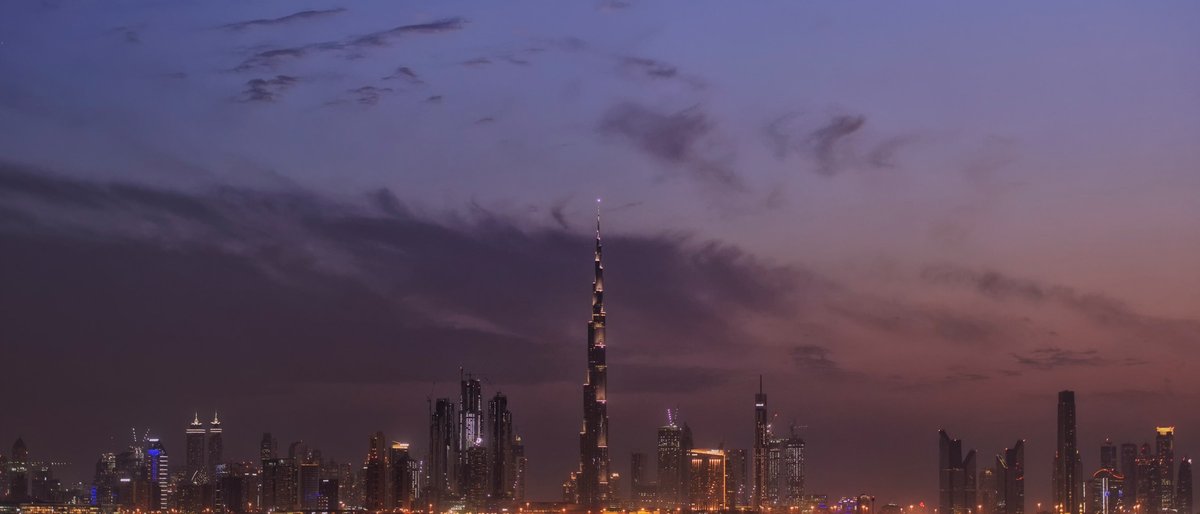
Dubai has a reputation as a city built for spending, and that reputation is not entirely wrong. But here is the thing most visitors miss: the city has been pouring serious money into public infrastructure, waterfront promenades, free museums, and open cultural spaces for years now. The result is a place where you can fill several days without reaching for your wallet. The beaches are public and well-maintained. The old neighborhoods have genuine texture and history that predates the skyscrapers by a century. The art scene, around Alserkal Avenue and Jameel Arts Centre, operates on a free-admission model that would make most European capitals jealous. And the sheer spectacle of the place — watching the Dubai Fountain erupt against the Burj Khalifa at night, walking the Marina at sunset — costs nothing at all. You will likely find yourself spending money on food and transport eventually, but the core experiences of the city? Many of the best ones are free. Mind you, Dubai in summer is brutal heat, so timing matters. The cooler months from November through March tend to be when the city really opens up for outdoor activities.
Free attractions
-
Ras Al Khor Wildlife Sanctuary
A protected wetland reserve right in the middle of the city, home to hundreds of greater flamingos during winter months. Three hides are set up for birdwatching, and it is completely free. The sight of pink flamingos against a backdrop of skyscrapers is surreal. Binoculars help, but you can see them clearly from the hides with your bare eyes. Worth noting: the mangrove hide tends to be less crowded than the flamingo hide near the entrance.
Ras Al KhorNature reserve -
Al Fahidi Historical Neighbourhood
This cluster of wind-tower houses along Dubai Creek dates back to the late 1800s and still has the narrow, shaded walkways and coral-stone walls that predate air conditioning. You can wander freely through the lanes, ducking into small galleries and courtyards. The light in the late afternoon catches the sand-colored walls in a way that feels almost theatrical. It smells like old stone and occasionally cardamom from a nearby cafe. The contrast with the glass towers visible just across the creek is part of what makes it work.
Bur DubaiHistoric district -
Coffee Museum
Tucked into one of the restored heritage houses in Al Fahidi, this small museum traces coffee culture from Ethiopia through Arabia and beyond. Free to enter, and the collection of antique roasters, grinders, and brewing vessels is interesting even if you are not a coffee obsessive. The building itself, with its cool interior courtyard, is half the draw.
Al Fahidi, Bur DubaiMuseum -
Jameel Arts Centre
A serious contemporary art institution on the Jaddaf Waterfront with rotating exhibitions, a sculpture garden, and a research library. Always free admission. The building itself is striking — a series of mirrored steel boxes that catch the light off the creek. Exhibitions have featured work from across the Middle East, South Asia, and Africa. The sculpture garden outside is a quiet spot that feels removed from the city.
Jaddaf WaterfrontArt museum -
Dubai Fountain
The choreographed water show at the base of the Burj Khalifa runs every thirty minutes from 6 PM onward, and it remains impressive no matter how many times you see it. Jets shoot water up to 150 meters while music — everything from Arabic classics to Whitney Houston — reverberates across Burj Khalifa Lake. Watching from the waterfront promenade outside Dubai Mall costs nothing. The evening breeze off the water carries a fine mist that is actually pleasant.
Downtown DubaiPublic spectacle -
Kite Beach
A long stretch of white sand with the Burj Al Arab visible to the south. Free to access, with outdoor fitness equipment, a running track, and usually a pickup volleyball or football game happening somewhere along the shore. The sand is fine and pale, the water is warm and shallow for a good distance out. Lifeguards are on duty. The vibe is active and social without being overwhelming.
Umm SuqeimBeach -
JBR Open Beach
The public beach running alongside The Walk at JBR, with the Marina skyline as a backdrop. Free entry, clean facilities, and calm water. Tends to be busier than Kite Beach on weekends but has the advantage of being right next to restaurants and shops if you want to pop in for a cold drink. The sunset views here are spectacular — the light turns the Marina towers copper and pink.
Jumeirah Beach ResidenceBeach -
Alserkal Avenue
A converted industrial compound in Al Quoz that houses around forty galleries, project spaces, and creative studios. All the galleries are free to enter. The concrete warehouse architecture gives the whole place a different feel from the rest of Dubai. You might find a photography exhibition from Iran next to a Emirati video art installation next to a design bookshop. It takes a couple of hours to walk through properly.
Al QuozArts district -
Coins Museum
A small, well-curated museum in Al Fahidi displaying coins from across the Islamic world and tracing Dubai's trading history through its currency. Free admission. The collection spans from ancient Sasanian coins to early dirham notes. Not large, but the displays are thoughtful and the air conditioning is a welcome refuge.
Al Fahidi, Bur DubaiMuseum -
Al Mamzar Beach Park
A large beachfront park near the Sharjah border with five beaches, swimming areas, and shaded picnic spots. Entry is currently 5 AED per person — nearly free — and the park is expansive. The water on the creek side is calmer than the open-sea beaches, which makes it popular with families. Grassy areas, barbecue spots, and a surprising amount of birdlife in the planted sections.
Al MamzarBeach park -
Dubai Water Canal Boardwalk
A three-kilometer pedestrian and cycling path running alongside the canal that connects Business Bay to the sea. The walkway passes under several architecturally striking bridges that light up at night. It is one of the better evening walks in the city — the reflections off the water, the distant hum of traffic, the occasional abra boat passing underneath. Free and open around the clock.
Business Bay to JumeirahWaterfront promenade
Free activities
-
Walking the Gold Souk and Spice Souk
The covered lanes of the Gold Souk in Deira still have that particular energy — shopkeepers calling out, display windows stacked floor to ceiling with yellow gold, the occasional whiff of incense drifting over from the Spice Souk a few minutes' walk away. The Spice Souk itself is a sensory overload: saffron, dried lemons, frankincense, cardamom, all heaped in open sacks. You are under no obligation to buy anything, and most vendors are happy enough to chat. Cross the creek on an abra for one dirham to get there from Bur Dubai — not technically free, but close.
DeiraMarket walk -
Dubai Marina Walk
A seven-kilometer loop around the Marina waterway, lined with cafes and passing under the shadows of some of the tallest residential towers in the world. The scale is disorienting at first — the buildings seem to lean inward. In the evenings, the walkway fills with joggers, families, and people just strolling. Free and pleasant year-round after sunset, though in summer the humidity can be thick enough to feel on your skin.
Dubai MarinaWalking route -
Street Art in Karama and Satwa
Both Karama and the older parts of Satwa have been getting murals and street art installations over the past several years, often commissioned by the city as part of urban beautification projects. The work ranges from massive building-side murals to smaller pieces tucked into alleyways. No formal route exists, which is part of the appeal — you just walk and find things. The older low-rise architecture in these neighborhoods gives the art more breathing room than it would get downtown.
Karama and SatwaPublic art -
Walking Al Seef along Dubai Creek
Al Seef is a waterfront development that stretches along the Bur Dubai side of the creek, blending restored heritage architecture with newer construction. The walking path runs for about a kilometer and a half, passing through sections meant to evoke old Dubai — rough stone walls, wooden wind towers, narrow alleys — before opening into more modern stretches. It connects naturally to Al Fahidi, making for a longer walk if you link the two. Free to walk, and the creek views are a reminder that Dubai started as a trading port.
Bur DubaiWalking route -
Watching Dhow Boats at Dubai Creek
The creek is still a working port, and the wooden dhow boats that have traded between Dubai, Iran, India, and East Africa for centuries are still here. You can walk along the Deira wharfage and watch them being loaded with everything from electronics to tires, stacked impossibly high. The smell of diesel and salt water, the creaking of wood, the shouts in Urdu and Arabic — it is one of the most authentic scenes left in the city and costs nothing to witness.
DeiraCultural observation -
Sunset at Umm Suqeim Beach
The stretch of public beach near the Burj Al Arab is one of the better sunset spots in Dubai. The hotel's distinctive sail shape silhouettes against the sky as the light drops, and the colors over the Gulf tend toward deep oranges and purples. The beach is free, uncrowded on weekday evenings, and the sand is still warm underfoot long after the sun goes down. Bring a towel and sit.
Umm SuqeimScenic viewpoint -
Exploring La Mer Beachfront
A public beachfront area in Jumeirah with an urban-beach feel — colorful murals, repurposed shipping containers, open plazas. The beach itself is free, and the walkway is dotted with public art installations and seating areas. It tends to attract a younger crowd and has a more curated, designed atmosphere than the older public beaches. The graffiti walls make for good photos if that is your thing.
Jumeirah 1Beachfront walk
Free events
-
Alserkal Avenue Gallery Openings
Varies by gallery, primarily September through June on weekday eveningsIndividual galleries at Alserkal Avenue host opening nights for new exhibitions throughout the season, typically running from September through June. These are social events as much as art events — expect conversations, refreshments, and a mixed crowd of artists, collectors, and curious visitors. Each gallery sets its own schedule, so checking their individual listings or the Alserkal Avenue website before visiting is the move.
Alserkal Avenue, Al Quoz -
Dubai Fitness Challenge (30x30)
Annually in late October through November (30 days)An annual citywide initiative encouraging thirty minutes of activity for thirty days, with free fitness classes, yoga sessions, pop-up sports events, and community workouts held across the city. Parks and beaches turn into open-air gyms. The energy is surprisingly communal — you might find yourself doing burpees next to a banker in a suit who popped out of his office. It has grown substantially each year since it launched.
Citywide — Kite Beach, Dubai Festival City, various parks and malls -
Quoz Arts Fest
Annually, typically in January (check Alserkal Avenue for exact dates)An annual arts festival at Alserkal Avenue featuring performances, workshops, film screenings, and open studio sessions. Free to attend and well-programmed — it draws both regional and international artists. The warehouse setting gives the whole thing an informal energy that larger institutional festivals sometimes lack. Expect live music bleeding out of one space, a film screening in another, and kids' workshops somewhere in between.
Alserkal Avenue, Al Quoz -
Dubai Shopping Festival Entertainment
Annually, approximately mid-December through late JanuaryDuring the annual Dubai Shopping Festival, running roughly from mid-December through late January, free entertainment pops up across the city — fireworks displays, live music stages at malls and public spaces, street performances along JBR and City Walk. The shopping discounts are the headline, but the free peripheral events are worth catching even if you are not buying anything.
Various locations citywide — Global Village, JBR, City Walk, malls -
Free Outdoor Cinema Screenings
Cooler months (October through March), schedules vary annuallySeveral venues around Dubai host free outdoor film screenings during the cooler months, often at beach locations or park spaces. Kite Beach and Burj Park have both hosted them in recent seasons. The schedule tends to shift year to year, so checking local listings around October when the weather cools is worthwhile. Bring a blanket, sit on the grass, and enjoy the breeze off the water.
Kite Beach, Burj Park, and other outdoor venues -
Art Dubai Public Programme
Annually in March, coinciding with Art Dubai fairWhile Art Dubai itself is a ticketed fair, the public programme that runs alongside it typically includes free talks, performances, and installations accessible without a fair ticket. It draws speakers and artists from across the region and tends to be thoughtfully curated rather than just a sideshow to the commercial fair. Usually held in March at Madinat Jumeirah.
Madinat Jumeirah and partner venues
Timing Your Visit for Maximum Free Value
Dubai's calendar has a rhythm that matters for free activities. The cooler months, roughly November through March, are when the city schedules most of its outdoor programming — fitness events, beach screenings, walking festivals, art fairs. Summer, from June through September, drives temperatures past 45°C and pushes life indoors. That said, summer has its own advantages: malls often run free entertainment programmes to lure people in from the heat, and some attractions that normally charge admission run promotions. The shoulder months of October and April can be ideal — still warm enough for beaches and evening walks, but without the peak-season crowds at popular spots like JBR and Dubai Marina. Friday and Saturday are the weekend here, which is worth remembering when planning around events and opening hours. Many galleries close on Fridays, while beaches and parks are busiest.
Getting Around on a Budget
The cheapest way to connect free attractions is the Dubai Metro, which runs two lines covering most of the key areas — Red Line for Marina, JBR, Downtown, and Deira; Green Line for the Creek and older neighborhoods. A single trip on a Nol Silver card runs between 3 and 7.5 AED depending on distance, which is not free but is about as cheap as urban transit gets. The abra boats crossing Dubai Creek cost one dirham, which is practically a rounding error. Walking is viable in the cooler months but distances between attractions can be deceptive — Dubai is a spread-out city built around cars. You might walk the Marina loop comfortably but trying to walk from Marina to Downtown is a sweaty five-kilometer trek along Sheikh Zayed Road. For free activities clustered together, Al Fahidi to Al Seef to the Souks works as a walkable half-day. Kite Beach to Umm Suqeim Beach is another natural pairing. Plan your free days geographically to avoid burning money on taxis between scattered spots.
Free Cultural Experiences Beyond the Obvious
Beyond the museums and galleries, Dubai has some free cultural experiences that tend to fly under the radar. The Crossroads of Civilizations Museum in Al Fahidi occasionally hosts free themed evenings and talks. Several mosques welcome non-Muslim visitors for guided tours at set times — Jumeirah Mosque has been running these for years and they remain free, offering a genuine look at Emirati religious and cultural life. During Ramadan, many communities organize free iftar meals at sunset that visitors are welcome to join, which is as much a cultural experience as a culinary one. The Heritage and Diving Village near the mouth of the creek sometimes has craft demonstrations and traditional performances, during national celebrations. The older neighborhoods of Deira still have that layered, lived-in quality where you might turn a corner and find a tiny Sri Lankan temple next to an Iranian restaurant next to a Somali grocery — that kind of organic cultural density does not cost anything to experience.
FAQ
Are Dubai's public beaches really free to use?
Yes. Dubai has several public beaches with free access, including Kite Beach, JBR Open Beach, Umm Suqeim Beach, and La Mer beach. These come with lifeguards, changing facilities, and usually outdoor showers. Some beach parks like Al Mamzar charge a nominal entry fee of around 5 AED, but the main open beaches are completely free. They are well-maintained and cleaned regularly.
Is the Dubai Fountain free to watch?
Completely free. The fountain performs every thirty minutes starting at 6 PM on weekdays and from 1:30 PM on weekends and holidays, with shows continuing until 11 PM. The best free viewing spots are along the waterfront promenade outside Dubai Mall and from the Souk Al Bahar bridge. You do not need to enter the mall or any restaurant to see the show — the outdoor promenade has unobstructed views.
What is the best time of year to enjoy free outdoor activities in Dubai?
November through March is the sweet spot. Daytime temperatures sit between 20 and 30°C, which makes walking, beach visits, and outdoor events comfortable. Most free outdoor programming — fitness challenges, cinema screenings, festivals — is scheduled during these months. Summer is not impossible, but temperatures above 40°C and high humidity mean you will be limited to early mornings, late evenings, and air-conditioned spaces for most of the day.
Are art galleries in Dubai free to enter?
Most of them, yes. The galleries at Alserkal Avenue are all free admission, as is Jameel Arts Centre. Smaller galleries scattered around DIFC and Al Fahidi are also typically free. The major commercial art fairs like Art Dubai charge for entry to the main fair, but often have free public programming running alongside. Gallery hours vary but most are open Saturday through Thursday, with many closing on Fridays.
Can you visit mosques for free in Dubai?
Jumeirah Mosque has been welcoming non-Muslim visitors for free guided tours for many years, typically running several times a week. The tours provide context on Islamic faith and Emirati culture, and modest clothing is required — coverings are usually available to borrow if needed. It is one of the more enlightening free experiences in the city. Check current tour schedules before visiting as times can shift.
Is it possible to spend a full day in Dubai without spending any money?
Realistically, you can fill a full day with free things, though you will likely spend a small amount on transport and water. A sample day might look like: morning at Kite Beach, midday wandering Al Fahidi and the Coffee Museum, afternoon browsing the Gold and Spice Souks, evening watching the Dubai Fountain. The metro fare between these spots adds up to maybe 15 AED for the day. Bring a refillable water bottle — the heat will get you otherwise. Food is where zero-budget gets tricky, but a couple of shawarmas from a Deira street stall might run you 10 to 15 AED total, which is as close to free as eating gets.
Last verified by automated review (v1.7.1) on May 26, 2026. What is automated review?