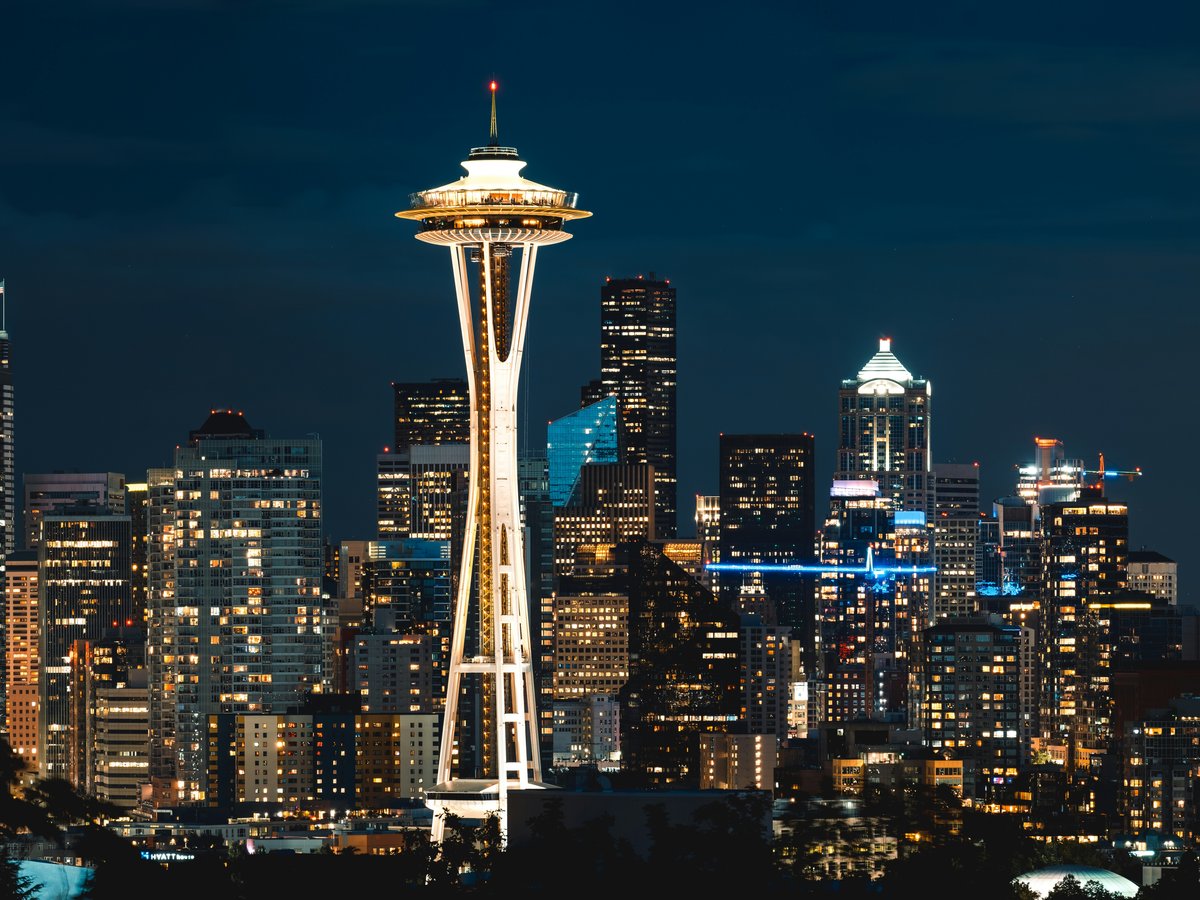
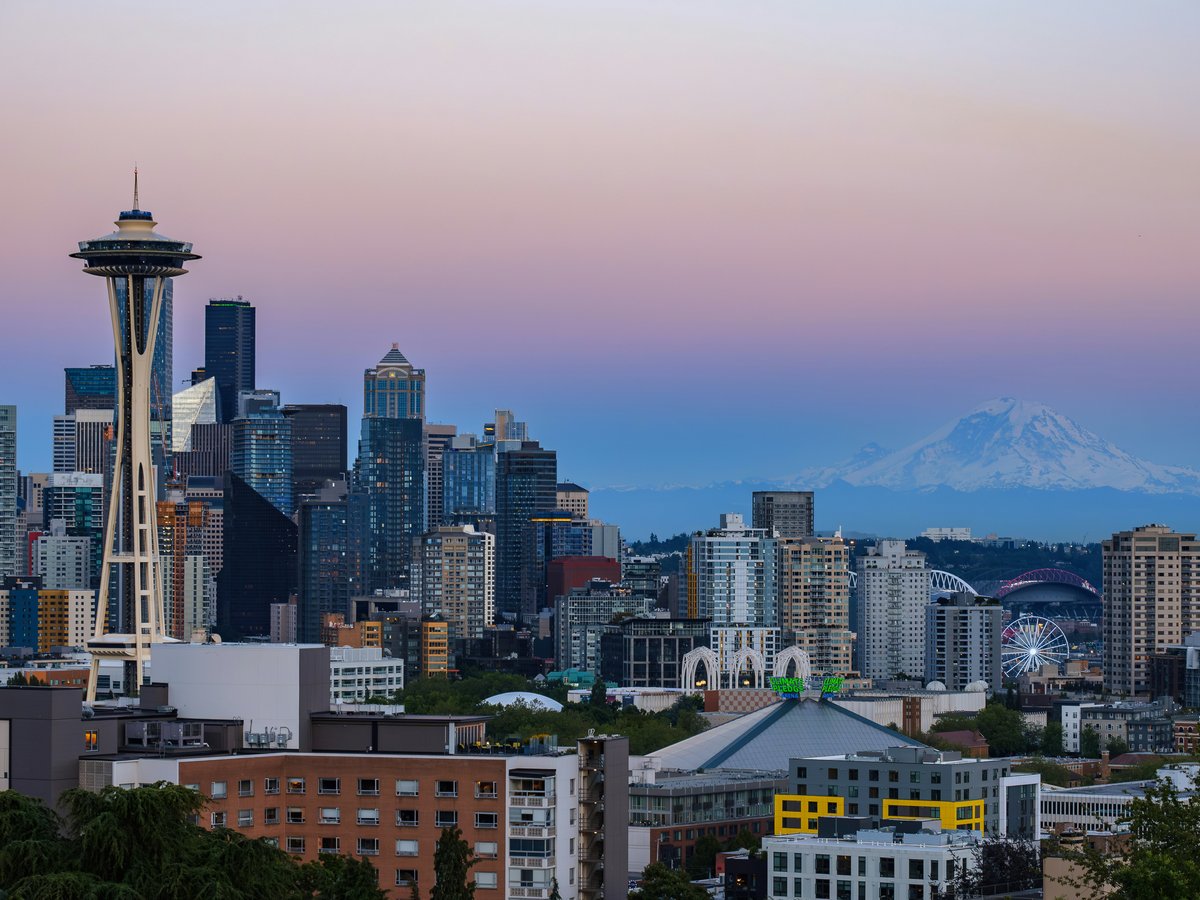
Seattle sits on a narrow isthmus between Puget Sound and Lake Washington, a city where salt water and fresh water define the compass points and the weather rolls in from the Olympic Mountains to the west. Founded as a timber town in the 1850s and named for Chief Si'ahl of the Duwamish and Suquamish peoples, it rebuilt itself after the Great Fire of 1889 literally on top of its old streets: you can still walk the buried sidewalks beneath Pioneer Square. That layered history runs through the city's character: a place that has reinvented itself from lumber to Boeing to Microsoft to Amazon, each wave reshaping the skyline without quite erasing the one before. A first visit usually starts at Pike Place Market, which has operated since 1907 and remains a working farmers' market where fishmongers throw salmon and flower vendors sell peonies by the armload. From there the city unfolds in neighborhoods that locals navigate by name: Capitol Hill for coffee and independent bookstores, Fremont for its self-declared status as the center of the universe and a concrete troll under the Aurora Bridge, Ballard for its Scandinavian roots and brewery row along Leary Avenue. The rain reputation is earned but overstated: Seattle gets less annual rainfall than New York or Atlanta, though the grey drizzle from October through May makes the summers, when temperatures sit in the mid-seventies and the sun sets after nine, feel genuinely miraculous. Mount Rainier appears on clear days like a hallucination on the southern horizon, fourteen thousand feet of glaciated volcano that locals simply call "the Mountain." The coffee culture here predates Starbucks by decades, rooted in the espresso carts that appeared in the 1980s, and the city still runs on independent roasters more than on the chain that put it on the map.
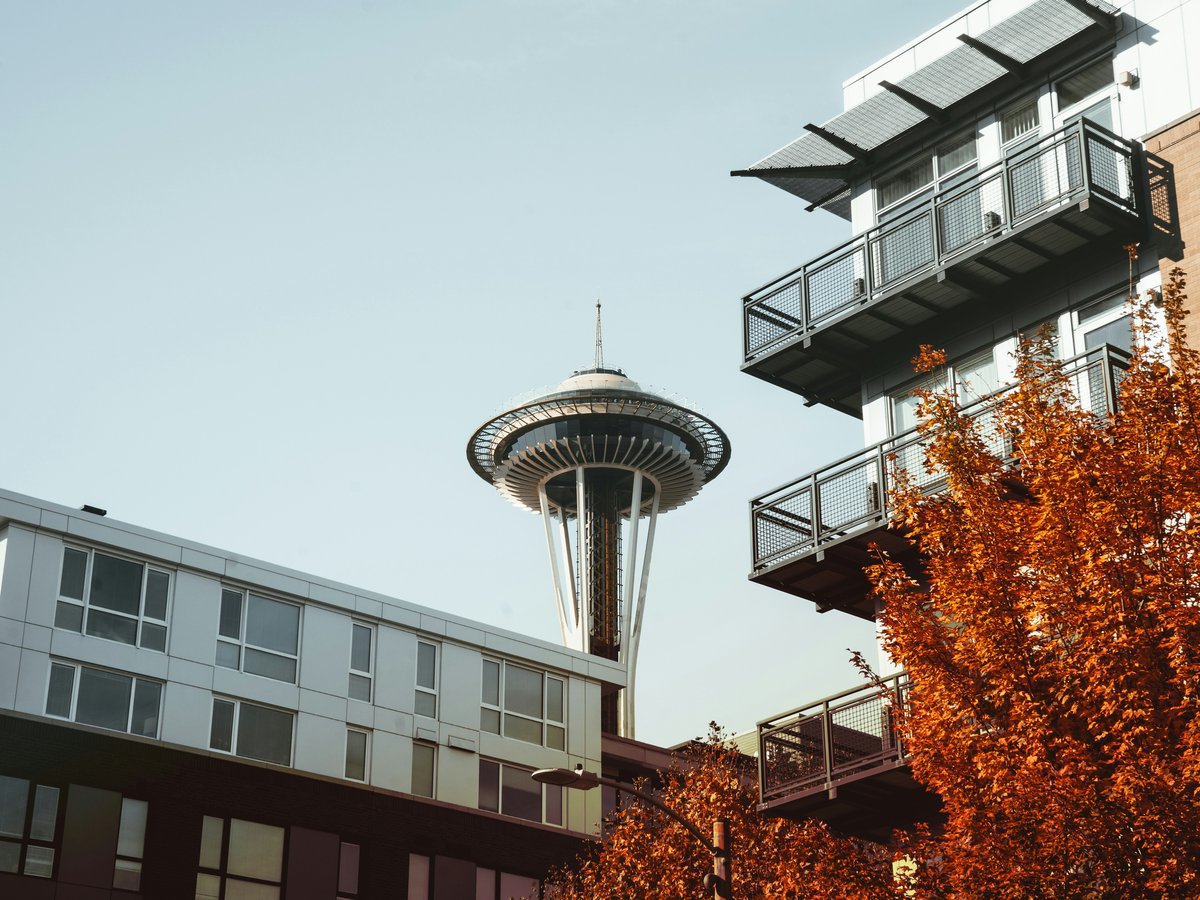
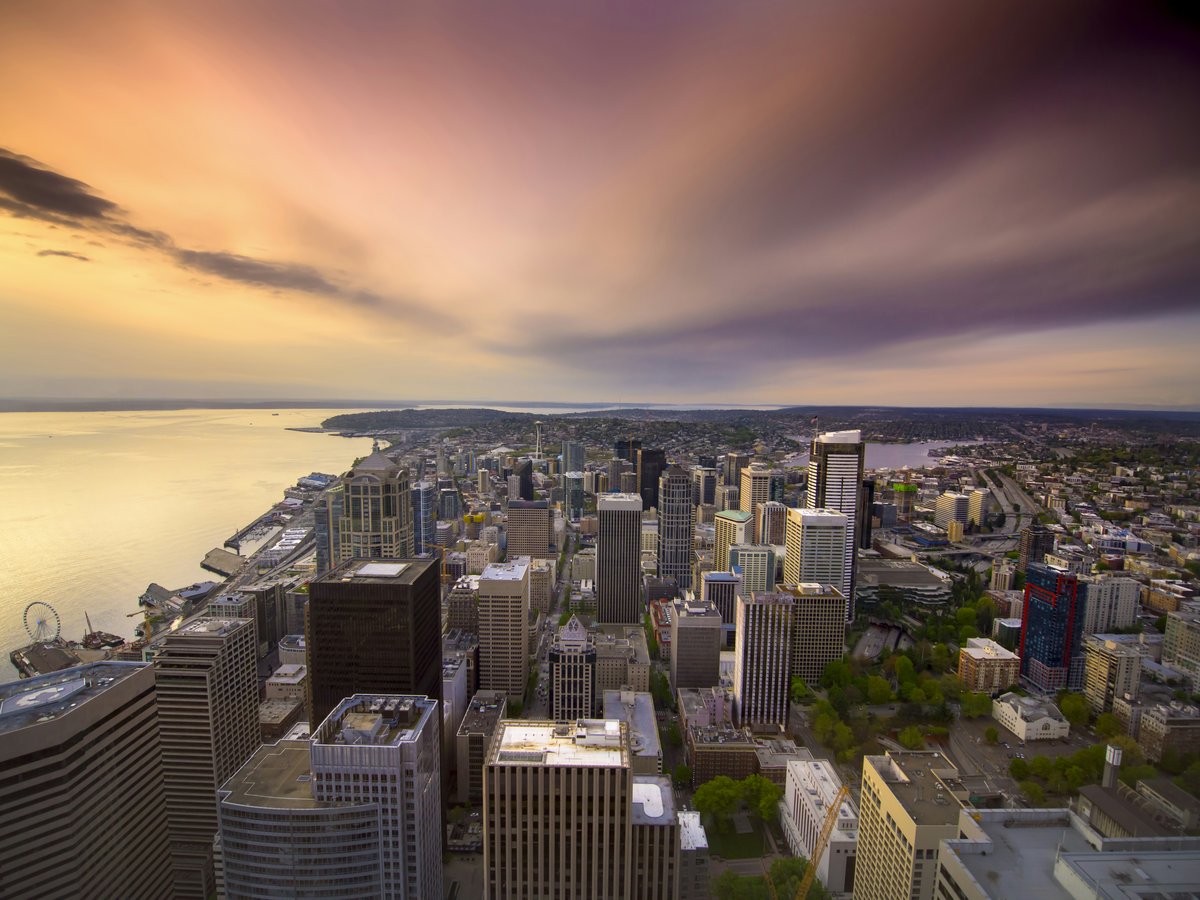
Seattle in photos
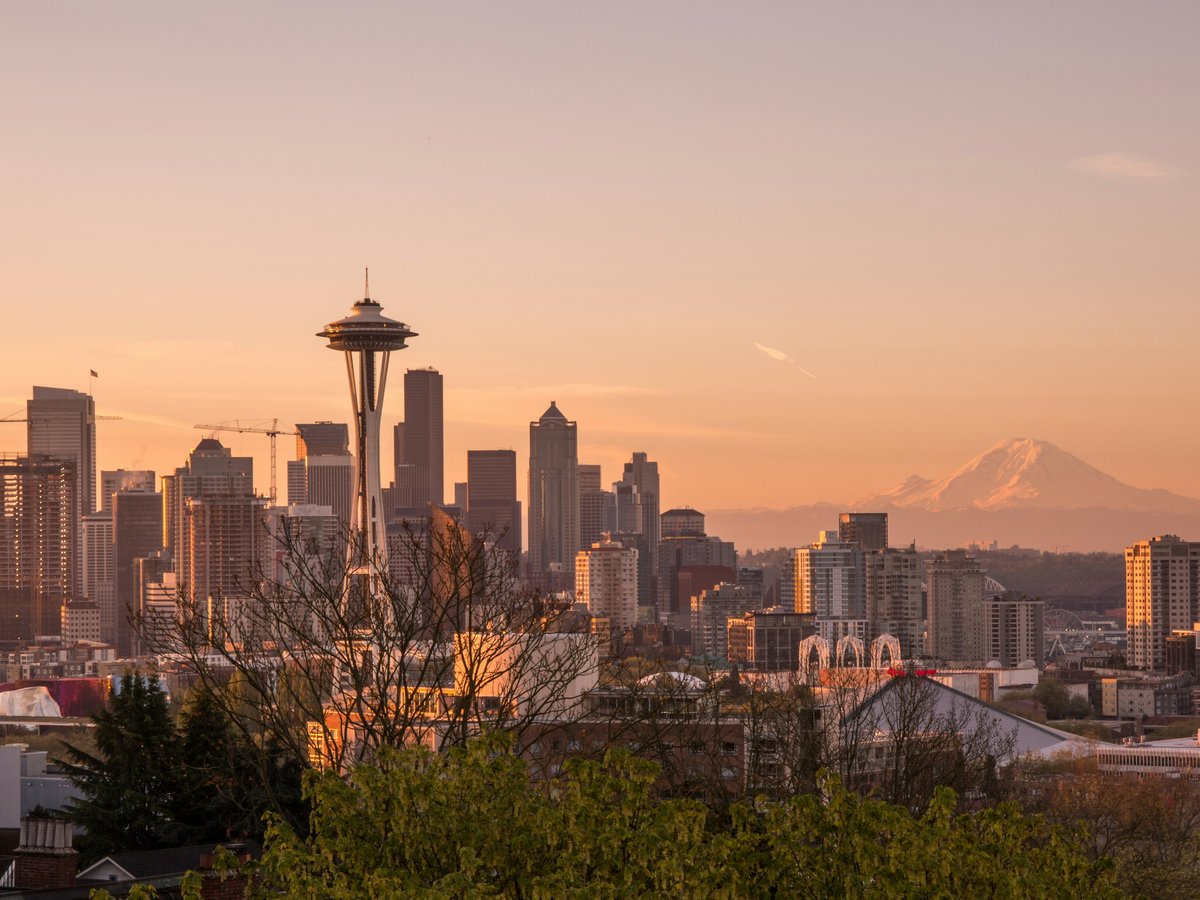
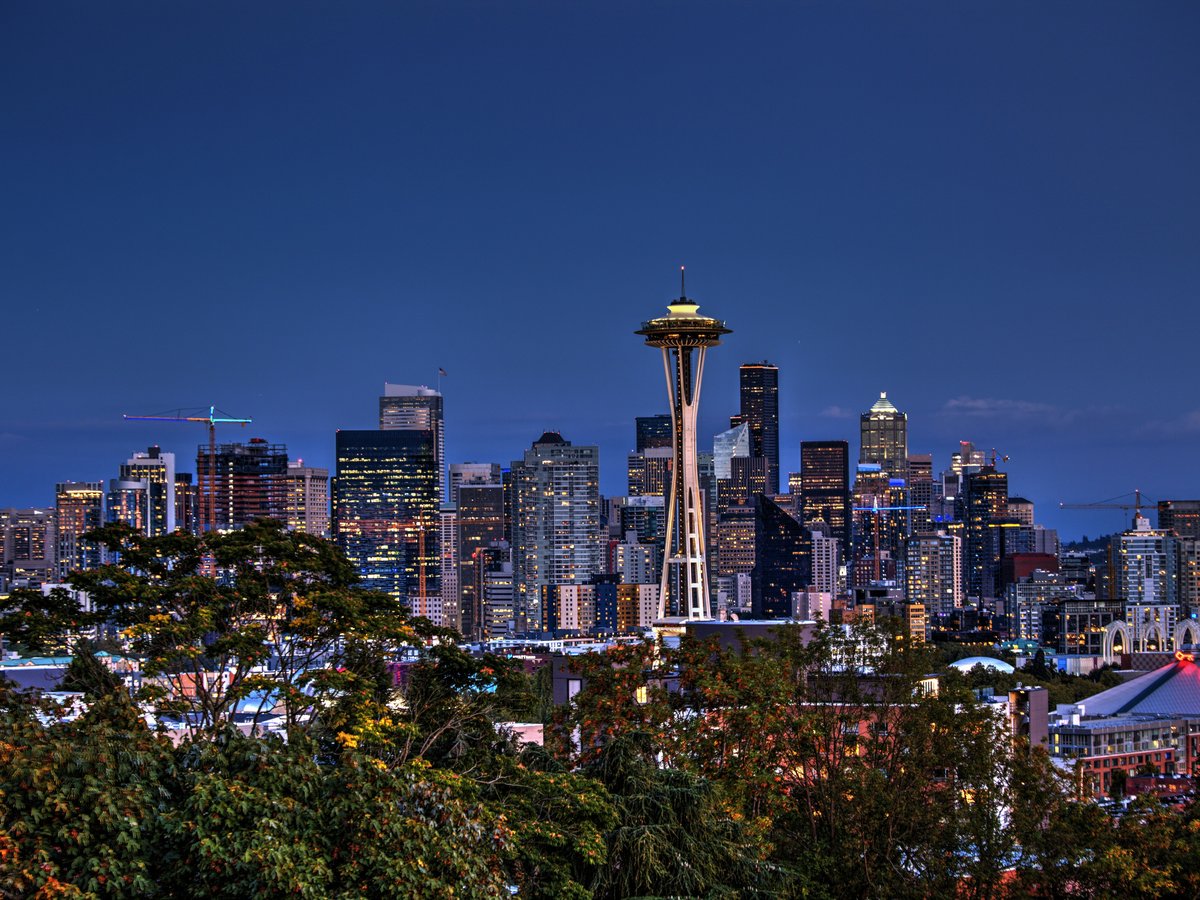
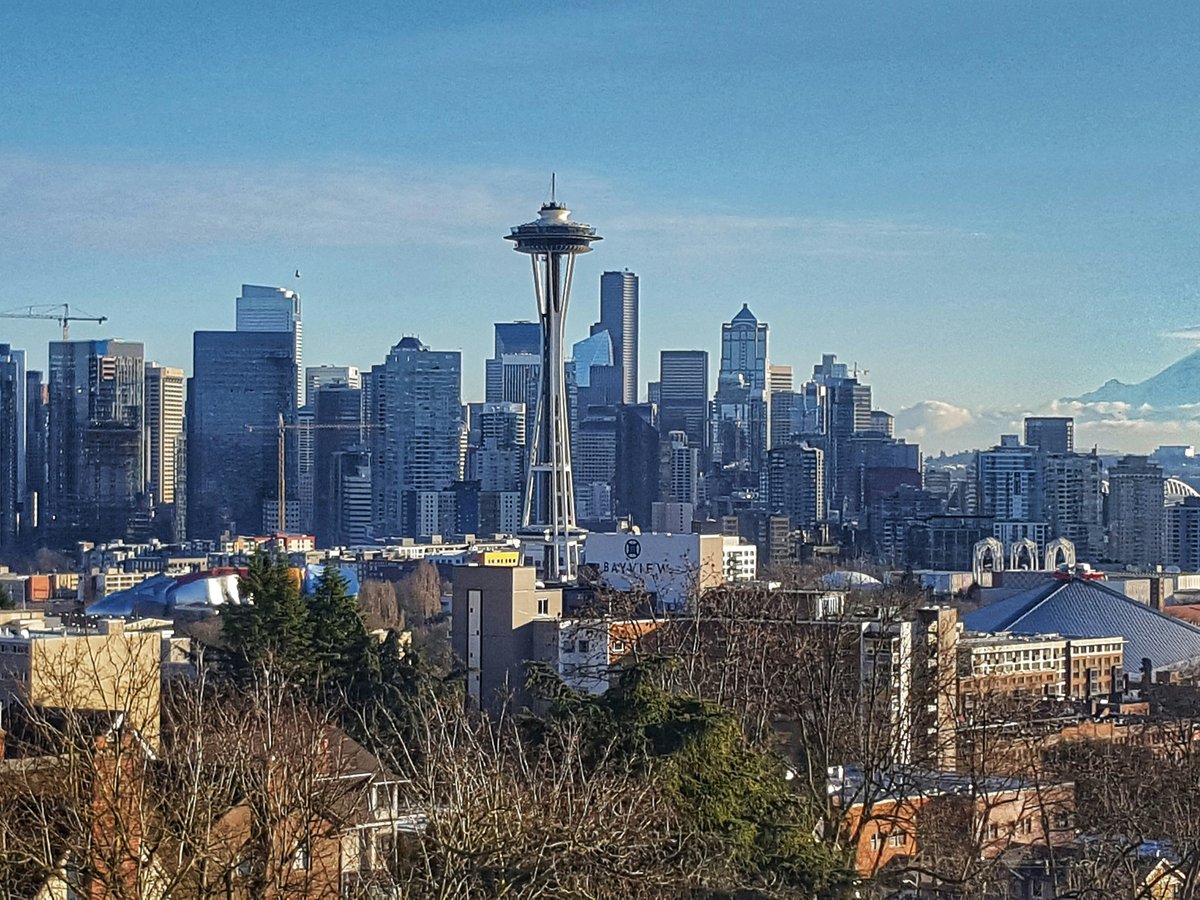
Seattle right now
Answers about Seattle
-
Airport to city
Take the Link 1 Line light rail from SEA's 4th-floor garage station to Westlake Station in downtown Seattle. It costs $3.00, runs every 6 to 15 minutes, and takes about 40 minutes. After midnight, use Uber or Lyft from the parking garage's 3rd floor; expect $30 to $45 to downtown.
Read the full answer → -
Best time to visit
July through September is when Seattle stops raining and the mountains appear. Highs reach 24-27°C (75-80°F), rainfall drops below 20 mm per month, and sunset doesn't come until after 9pm through mid-August. Hotel rates near Pike Place Market rise 35-40% above winter prices, but the dry weather earns the premium.
Read the full answer → -
Cost per day
Budget travelers can manage $80 per day in Seattle with a hostel dorm at $42-55, meals in the International District for $10-14, and ORCA transit at $2.75 per ride. Midrange lands at $185, luxury at $450+. The 10.25% sales tax and automatic 20% restaurant service charges are the line items most guides skip.
Read the full answer → -
Cultural etiquette
Seattle runs on casual politeness and the Seattle Freeze, both equally real. Tip 20% at restaurants, $1-2 at coffee shops. Nobody carries an umbrella. A rain shell from REI is the local uniform. First names from the first handshake, even in corporate settings. People are warm but slow to make friends. Don't take it personally.
Read the full answer → -
Best day trips
Bainbridge Island is the best single-day trip from Seattle for couples. The Washington State Ferry from Colman Dock costs about $9.50 per adult round trip and takes 35 minutes. Mount Rainier's Paradise area, 150 km southeast, combines wildflower meadows with the 1916 Paradise Inn. Snoqualmie Falls plus Woodinville wine tasting makes a solid 6-hour half-day loop.
Read the full answer → -
Digital nomads
Seattle is a strong nomad base, held back mainly by cost and winter darkness. CenturyLink and Xfinity deliver 500-Mbps to 1-Gbps fiber across Capitol Hill, Ballard, and Fremont. Coworking runs $250-400/month at Office Nomads and The Pioneer Collective. Monthly budget sits around $4,000. No US digital nomad visa exists, but ESTA covers 90-day stays for citizens of 40 Visa Waiver Program countries.
Read the full answer → -
Family-friendly
Seattle is family-friendly, with rain as the main asterisk. The Museum of Flight, Pacific Science Center, and Woodland Park Zoo all handle under-5s well. Strollers roll fine on downtown's flat sidewalks, and the Link Light Rail has elevators at every station. Pike Place Market entertains kids for about 90 minutes before the crowd density wins.
Read the full answer → -
Food culture
Seattle's food identity runs on Pacific Northwest seafood, a teriyaki tradition found nowhere else in the US, and neighborhood-specific eating. Pike Place Market has operated since 1907, but the real meals happen in the International District, Ballard, and Capitol Hill. Coffee is everywhere, though the independents outclass the chains by a wide margin.
Read the full answer → -
Getting around
Link Light Rail runs from SeaTac Airport to downtown Seattle in 40 minutes for $3.25. An ORCA card ($5 from any station machine) works on trains, buses, streetcars, and ferries. King County Metro buses fill the gaps, Uber and Lyft cover late nights. The city is walkable within neighborhoods but steep between them.
Read the full answer → -
How to get there
Seattle-Tacoma International Airport (SEA), 22 km south of downtown, handles nearly all commercial flights. Alaska Airlines hubs here with nonstop service to over 100 cities. Direct routes run from London Heathrow (9.5 hours), Tokyo Narita (10 hours), and most major US airports. Link Light Rail connects SEA to downtown in 38 minutes for $3.25.
Read the full answer → -
Is it safe?
Seattle is safe for most solo visitors, with caveats. Our overall rating is 7, and the solo-traveler safety score is 6.8/10 (see the TTDI Solo-Safety Index). Violent crime against tourists is uncommon, but the real risks are car break-ins, open drug use on a few downtown blocks, and thin transit after midnight. Most of those come down to planning your route home.
Read the full answer → -
Layover guide
Seattle-Tacoma International sits 14 miles south of downtown, but the Link Light Rail covers the distance in 38 minutes for $3.00. Domestic layovers of 5 hours or more give you roughly 2 hours at Pike Place Market or the International District. International connections need 6 hours because US immigration adds overhead on both ends. Under that, stay airside.
Read the full answer → -
LGBTQ-friendly
Seattle scores 9.5/10 for LGBTQ+ friendliness (sourced from TTDI's editorial rubric). Washington was among the first three US states to approve marriage equality by popular vote, and Capitol Hill has anchored the queer scene since the 1970s. Same-sex couples hold hands freely across the city. The nightlife runs year-round on Pike/Pine.
Read the full answer → -
Where locals go
Seattle locals drink in Georgetown taprooms, eat along Columbia City's Rainier Avenue S, and shop Ballard's year-round Sunday Farmers Market. Skip Pike Place after 10am. The real social fabric sits south and north of downtown in neighborhoods like Beacon Hill and Fremont, where rents are lower and the regulars still know each other by name.
Read the full answer → -
Must-see
Pike Place Market, operating since 1907 on Seattle's downtown waterfront. Arrive by 9am before tour groups fill the aisles. The fish vendors start their throwing routine at opening, flower stalls sell bunches for $5-8, and the original Starbucks at 1912 Pike Place still draws a line around the block. Free entry, no reservation.
Read the full answer → -
Solo travel
Seattle scores 6.8/10 for solo-traveler safety (see the TTDI Solo-Safety Index) and rates higher on overall solo-friendliness thanks to a coffee-shop culture where eating alone draws zero attention. Link Light Rail connects Sea-Tac to downtown without transfers. Capitol Hill and Fremont feel comfortable walking after dark. Single-supplement hotel pricing is uncommon in the mid-range bracket.
Read the full answer → -
This week
Seattle's week runs on dry summer heat, currently 22°C and clear. Pike Place Market opens daily from 9am. The Ballard Farmers Market fills Ballard Avenue NW every Sunday 9am to 3pm. Capitol Hill bars peak Thursday through Saturday. Live music this week includes shows at Chop Suey and Paramount Theatre.
Read the full answer → -
3-day itinerary
Day 1 covers Pike Place Market and the downtown waterfront on foot. Day 2 moves north to Seattle Center for the Space Needle and Museum of Pop Culture, then buses to Ballard for oysters at The Walrus and the Carpenter. Day 3 starts on Capitol Hill for coffee, then rides the Link Light Rail south to the International District for dim sum. About 25 kilometres walking total.
Read the full answer → -
What to avoid
Skip the Space Needle on overcast days, the long queue at the Starbucks at 1912 Pike Place, and any lake cruise sold on a glimpse of Bill Gates's house. Take the Link 1 Line from Sea-Tac rather than a $50-plus cab, get to Pike Place Market before 9am, and use Kerry Park or the Bainbridge ferry for cheap skyline views.
Read the full answer → -
What to pack
A packable rain shell matters more than an umbrella in Seattle. Locals layer year-round because temperatures swing 8-10°C in a single day. Pack walking shoes with grip for Pike Place Market's wet brick floors and Capitol Hill's steep grades. Summer visitors still need a light jacket for 13°C evenings.
Read the full answer → -
Where to stay
Downtown between Pike Place Market and Pioneer Square for a first visit. The 1 Line light rail runs through Westlake and University Street stations, both walkable from most downtown hotels, with Sea-Tac Airport 38 minutes south. Budget $160-280 per night downtown; Capitol Hill runs $120-200 with stronger restaurants and a 4-minute train to the center.
Read the full answer →
Deep guides for Seattle
-
Seattle Restaurants: What's Worth It
Ten rooms between Pioneer Square and Pike Place, split into the tier worth rearranging your morning for and the tier you can walk into any weekday. Each standout named, each verdict backed by hours and addresses, and the one comparison that matters.
Read the guide → -
Best Time to Visit Seattle, by Season
Seattle's weather swings from 7.8°C January greys to 25.3°C July highs. This guide maps every month against the trade-off between sunshine, tourist density, and what you'll pay, then names the single best window for each kind of traveller.
Read the guide →
Curated lists for Seattle
accommodation
-
Best boutique hotels
Seattle spreads its boutique accommodation across neighborhoods that share little beyond the same rain. The airport corridor south of the city handles the transit-night crowd, with mid-range chains scoring 8.5 to 9.0 at nightly rates from $138 to $168. Downtown splits three ways: the Central Business District around Westlake and 5th Avenue, Belltown's restaurant grid north of Pike Place Market, and the historic brick blocks of Pioneer Square at the district's southern edge. Each trades walkability for a different version of the city: retail corridors, late-night dining, or morning coffee in a converted warehouse. North of the Ship Canal, Fremont puts budget travelers near independent shops and Sunday market stalls, while Cascade and the Lake Union waterfront anchor the tech-campus side of town with newer builds. Northgate, farther up the Link Light Rail, offers suburban quiet at rates that compete with the airport strip. The ten neighborhoods below move from the most hotel-dense cluster outward, and the editorial for each answers the same question: what is within walking distance, and does it match what you came to Seattle for?
See the picks → -
Best hostels
Seattle spreads along a narrow corridor between Puget Sound and Lake Washington, and the hostel options cluster in three zones that each solve a different travel problem. The downtown core and its northern fringe put Pike Place Market, the waterfront, and the light rail to Sea-Tac within walking range. Belltown runs louder and later than the business district a few blocks south. Ballard sits further out on the bus network, trading central access for brewery blocks, kitchenette rooms, and residential quiet. Nightly rates across all three stay between $36 and $55, which means the real question is not budget but rhythm: do you want to stumble home from a bar on 1st Avenue or wake up on a side street where the loudest sound is a delivery truck? The transit gap between downtown and Ballard matters most after dark, when buses thin out and rideshares surge. Pick your zone by when you plan to move, not just where.
See the picks → -
Best luxury hotels
Seattle's luxury hotel stock clusters along a handful of downtown corridors, and the choice is less about whether to stay central than which version of central to book. The properties in this set spread across zones that feel different on the ground: the Central Business District, First Hill, West Edge, and Pioneer Square Habitat Beach each attract a different kind of visitor. Nightly rates range from USD 200 to USD 521; Trip.com guest ratings run from 8.0 to 9.5. The twelve properties below were selected for travelers who want a luxury-classified stay backed by cited facts, not marketing language. Each entry carries its address, its Trip.com guest rating, its nightly rate, and an editorial judgment about what makes it worth booking. Some offer indoor pools and full spa circuits; others earn their scores on location and service alone.
See the picks → -
Where to stay
Seattle's hotel inventory clusters along a north-south spine from South Lake Union down through the Central Business District to Pioneer Square, with a second pocket around SeaTac airport for early departures. The downtown core puts Pike Place Market, the waterfront, and the light rail within walking distance of most rooms, but it splits into distinct pockets: the business district's towers, Belltown's bar-and-restaurant grid, the West Edge's market-adjacent boutiques, and Pioneer Square's brick-fronted blocks south of Yesler Way. South Lake Union sits closer to the Space Needle and Amazon's campus than to the Market, while the Cascade neighborhood bridges the two. SeaTac's airport hotels serve a different purpose entirely: transit sleep, shuttle logistics, and nothing to walk to. Price tiers overlap more than the neighborhood names suggest. Budget beds in the downtown core start around $36 a night at hostel level, mid-range rooms hold between $137 and $189 depending on the block, and luxury rates range from $219 at the low end to $521 at the waterfront top. The neighborhood you choose matters more than the star count; a mid-range room in Pioneer Square delivers a different week than a mid-range room near the Space Needle.
See the picks →
attractions
-
Best free attractions
Seattle's free layer is mostly civic (parks, plazas, and one arboretum run by the University of Washington) and it rewards the visitor willing to walk between them rather than pay for a single ticketed anchor. The twelve below are all mapped and municipally documented, from a hillside park on 12th Avenue South to a downtown plaza half a block from the monorail. Some are green (arboretums, oldest-in-the-city commons, waterfront lawns); others are hard-surface (a lidded freeway park, a cobbled square in the old commercial core, a bus-stop-scale plaza). Together they trace the shape of the city more honestly than any paid attraction: where the money went, where the neighborhoods hardened, where the water is. This list is for the traveler who wants to spend a Saturday outside without buying a wristband, and for the resident showing a visitor around who is tired of defaulting to the same three names. Rank order roughly follows how much of an afternoon each one holds; several are better as a stop than a destination, and the notes say so.
See the picks → -
Best museums
Seattle's museums are spread across a long timeline and an awkward week. The oldest institution on this list dates from 1899 and the youngest from 2006, with art museums, a science center, an aerospace museum, a computer museum, and an ethnic history museum filling the years between. The subject matter is rarely the problem. The calendar is. Several of these places keep short weeks: the Seattle Art Museum runs Wednesday to Sunday, and the Seattle Asian Art Museum Thursday to Sunday. 2 of them reward the patient with a late Thursday, the Henry Art Gallery until 21:00 and the National Nordic Museum until 20:00. For 2 entries we hold no verified opening hours at all, and we say so plainly where it applies. This list is for the visitor who would rather see 3 museums properly than 6 through a closed door. Read the hours first, then choose.
See the picks → -
Must-see attractions
Seattle's must-see roster tilts toward two things the city does better than most: a working waterfront that never pretends to be anything else, and a civic habit of building performance halls that outlast the fashions they were built for. This list runs from the observation deck at 400 Broad Street down to the piers at 1301 Alaskan Way, swings east into the theatre district on 5th and Pine, and reaches out past the city line to the temple grounds in Bellevue at 98007. It is written for a visitor with two or three days, who wants the honest version of the postcards, plus the rooms locals sit in on a Tuesday night. Every address, every website, every claim of what a room is for is grounded in a public fact; where the bundle stays silent, so does the paragraph. Read it as a map, not a ranking: the numbers order the entries, but any two of them can make a good afternoon.
See the picks →
food
-
Best cafes
Downtown Seattle drinks coffee the way it works: early, on foot, and with a strong opinion about where the good stuff is. The 12 rooms below sit inside a ten-block rectangle roughly between the waterfront and 5th Avenue, from Pioneer Square up to Pike Place, and every one of them is mapped, addressed, and phone-verified in open sources before it earned a slot here. You will find donuts pulled before 07:00, espresso pours at 06:00, crumpets ordered by number, piroshky handed across a counter, and a hotel bar that treats the morning cortado like room service. This is not a chase-the-latest-opening list; it is a working index for a visitor who wants to walk from breakfast to a meeting to an afternoon pour-over without leaving the core. Read the hours before you go, because several of these rooms close by 12:00 or 15:00, and a few keep weekend-only schedules that will strand a Tuesday walk-in. Skip the airport-branded souvenir cups; the addresses below are the actual city.
See the picks → -
Best restaurants
Seattle rewards the eater who plans the day around the water and the appetite around the season. The list below runs from the oyster counter downtown to the pier where clams have been served since long before the viaduct came down, and it takes in a Georgian kitchen a block off the courthouse, a Brazilian churrascaria on University, and a pizza window that opens at 04:00 for the shift-change crowd. Twelve places, twelve postcodes' worth of Seattle at street level, verified against OpenStreetMap and the operator's own site so the door is where we say it is and the kitchen is open when we say it is. It is a working list, not a bucket list: pick the one nearest whatever you are already doing that day, walk in on the hour it opens, and let the room decide the rest. Downtown, Pioneer Square, First Hill, the waterfront, the Convention Center block. No cliches, no photo-ops, no dishes anyone has to pretend to like.
See the picks →
Browse by traveler type
- For foodies
Seattle for foodies
- For families with kids
Seattle for families
- For digital nomads
Seattle for digital nomads
- For solo travelers
Seattle for solo travelers
- For couples
Seattle for couples
- For budget travelers
Seattle on a budget
- For luxury travelers
Seattle for luxury travelers
- For first-timers
Seattle for first-time visitors
Book experiences in Seattle
 Free cancellation
 Chef Guided Food Tour of Pike Place Market
City tour: 2 hours, free cancellation.
via Viator Free cancellation
 Mt. Rainier National Park Highlights Tour
Outdoor experience: free cancellation.
via Viator Free cancellation
 Seattle City Highlights Tour
City tour: 3 hours, free cancellation.
via Viator Free cancellation
 Seattle's Original Guided Harbor Cruise
Cruise: 1 hour, free cancellation.
via Viator Free cancellation
 Mt. Rainier Day Tour from Seattle
Day trip: free cancellation.
via Viator Free cancellation
 Seattle City and Snoqualmie Falls Half-Day Guided Tour
Outdoor experience: 4 hours, free cancellation.
via Viator Free cancellation
 Seattle Wine and Snoqualmie Falls Highlights Tour
Day trip: 6 hours, free cancellation.
via Viator Free cancellation
 Seattle City Tour
City tour: 3 hours, free cancellation.
via Viator Free cancellation
 Mt. Rainier National Park Seattle 1-Day Small Group In-Depth Tour
Day trip: free cancellation.
via Viator Free cancellation
 Best of Olympic National Park from Seattle: All-Inclusive Small-Group Day Tour
Day trip: 12 hours, free cancellation.
via Viator Free cancellation
 Seattle's Sweetest Food Tour: Delicious Donuts, Beignets, & More
City tour: 2 hours, free cancellation.
via Viator Free cancellation
 Olympic National Park Small Group Day Tour w/Scenic Ferry 2CanGo
Day trip: 11 hours, free cancellation.
via ViatorBrowse by interest
Find a flight to Seattle
Live fares to Seattle appear here once cookies are accepted.
Last verified by automated review (v1.7.2) on . What is automated review?