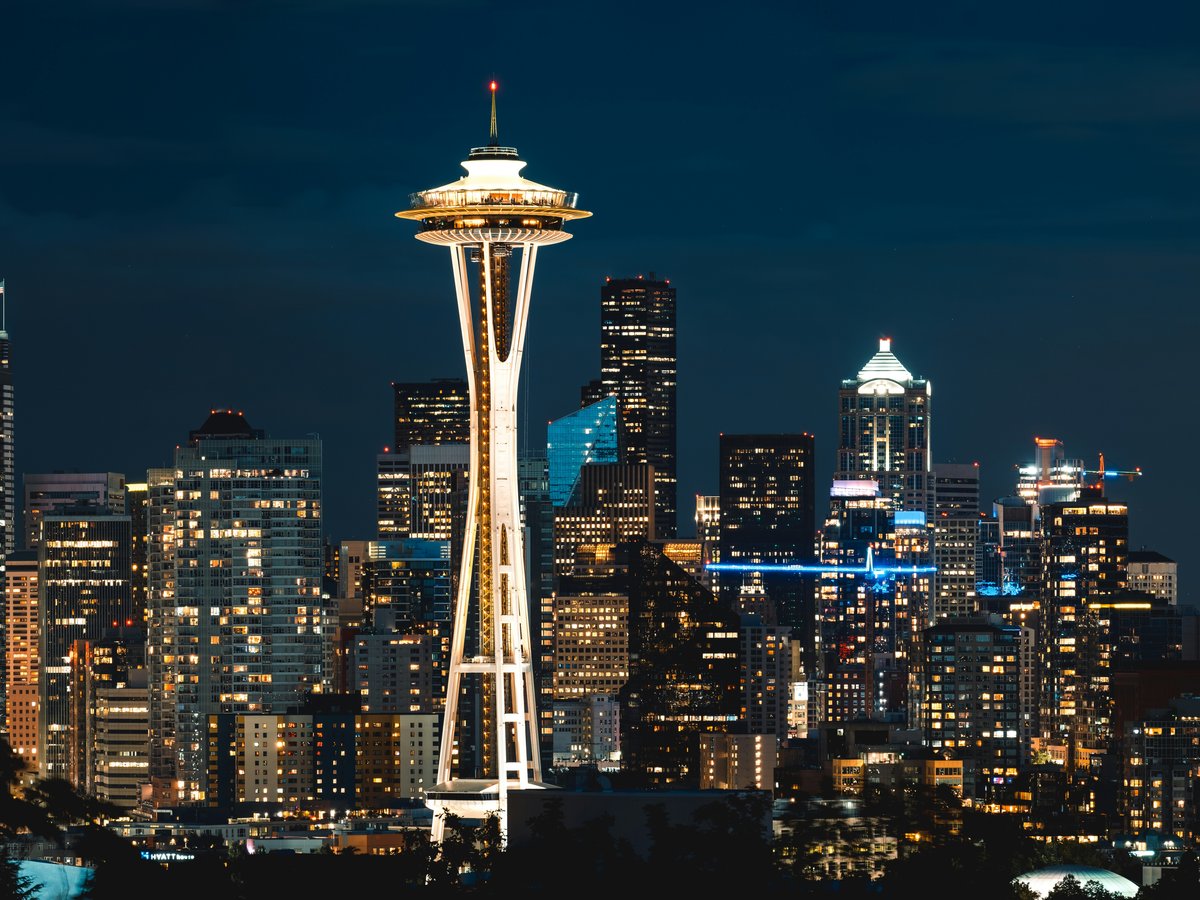
Seattle's shopping identity leans heavily toward the independent and the locally made. The city has been a coffee-roasting hub since the 1970s, and that DIY sensibility still runs through its retail culture. You'll find more one-off bookshops, vinyl stores, and ceramics studios per block in certain neighborhoods than chain outlets. The outdoor gear scene is strong here, partly because REI was founded in Seattle in 1938 and the culture of hiking, climbing, and kayaking shapes what people buy. Pike Place Market, open since 1907, still anchors the city's food and craft economy with over 200 independent vendors. Worth noting, Seattle has no state income tax, but Washington charges a 10.25% combined sales tax in the city, so that sticker price is not what you'll pay at the register.
Shopping districts
-
Capitol Hill (Broadway and Pike/Pine corridor)
budget to mid-rangeCapitol Hill is where Seattle's creative class does its buying and selling. The stretch along Pike and Pine between Broadway and 12th Avenue tends to be the densest for independent retail. Record shops, vintage clothing stores, small-batch apothecaries, queer-owned boutiques, and used bookstores fill the storefronts between coffee spots and dive bars. The vibe is scruffy and intentional. Some of the vintage shops have been here 20-plus years. Foot traffic picks up after noon and stays steady until around 9 PM most nights.
Best for: Vinyl, vintage clothing, independent bookshops, locally made jewelry
-
Pioneer Square
mid-range to highSeattle's oldest neighborhood, built mostly in the 1890s after the Great Fire, now holds a concentration of art galleries and design studios in its brick-and-stone buildings. First Thursday art walks draw hundreds of people into 40-plus galleries each month. Between the galleries you'll find antique dealers, Native art shops, and a few higher-end home goods stores. The neighborhood has a grittier edge than tourists sometimes expect, but the architecture alone makes walking the 10-ish blocks worthwhile. Saturday afternoons tend to be the best time for gallery browsing.
Best for: Art galleries, antiques, Native American art, handmade ceramics
-
University District (The Ave)
budgetUniversity Way NE, called 'The Ave' by locals, runs north from the University of Washington campus and has the feel of a college town main street. Cheap eats, used bookstores, thrift shops, and import stores sit beside boba tea cafes and ramen counters. The smell of teriyaki and roasting peanuts drifts out of half the doorways. It's not polished, and some storefronts turn over fast, but for budget-conscious browsing and a younger, international crowd, it still holds up. Magus Books has been selling used academic titles here since 1980.
Best for: Used books, thrift clothing, affordable international goods, student-oriented shops
-
Ballard
mid-rangeBallard was Scandinavian fishing-village Seattle until the early 2000s, when it shifted toward breweries and boutiques. Ballard Avenue NW, roughly between 20th and 22nd, is the main strip. You'll find independent clothing stores, plant shops, home goods with a Pacific Northwest bent, and craft supply stores mixed with tasting rooms. The Nordic heritage still surfaces in a few shops selling Scandinavian imports and the National Nordic Museum gift shop carries well-curated textiles and design objects. Sunday mornings are quieter and good for a slow browse before the brunch crowds hit.
Best for: Home goods, Pacific Northwest gifts, Scandinavian imports, local craft
-
Downtown and Westlake Center area
mid-range to highThe blocks around Westlake Center and along Pine Street from 3rd to 6th Avenue hold Nordstrom's flagship store, which opened here in 1998 and still occupies a full city block. Pacific Place mall sits one block south with about 50 retailers skewing toward name brands. This corridor is where you'd go for department store shopping and mainstream fashion labels. The area can feel somewhat sterile compared to neighborhood shopping, but it's walkable from most downtown hotels and the Link Light Rail stops at Westlake Station.
Best for: Department stores, mainstream fashion, brand-name retail
-
Fremont
mixedFremont brands itself the 'Center of the Universe,' and the neighborhood's shops lean into that weirdness. You'll find oddball gift stores, a large vintage furniture warehouse, costume shops, and independently owned clothing boutiques. The neighborhood is compact, walkable in about 30 minutes end to end. The Fremont Troll sculpture under the Aurora Bridge tends to draw foot traffic, and a few shops nearby cater to that crowd with local art prints and Seattle-themed goods. The Sunday market (seasonal) fills the streets with vendors from May through October.
Best for: Quirky gifts, vintage furniture, local art, offbeat souvenirs
-
Georgetown
budget to mid-rangeGeorgetown, south of downtown near Boeing Field, has quietly become one of Seattle's best neighborhoods for antiques and studio art. The main strip along Airport Way South holds several large antique malls with multiple dealers under one roof, plus artist studios that open their doors during the monthly Georgetown Art Attack on the second Saturday. It's a 15-minute drive or bus ride from downtown, which keeps the crowds thinner. The industrial-warehouse setting gives the whole strip a rawer feel than Pioneer Square. Parking is easier here than almost anywhere else in the city.
Best for: Antiques, mid-century furniture, studio art, vintage collectibles
Markets
-
Pike Place Market
food and artisanOpen since August 17, 1907, Pike Place Market is the oldest continuously operating farmers market in the United States. Over 80 farmers sell directly to the public on the main arcade level, and the lower floors hold a warren of small shops selling comics, coins, vintage posters, handmade soaps, and imported spices. The fish vendors tossing salmon get the tourist cameras, but the real draw for locals is the produce. Stone fruit in August, Yakima Valley apples in October, Dungeness crab legs piled on ice from November through spring. The smell of fresh flowers, frying doughnuts from Daily Dozen, and Puget Sound salt air mingles into something that's distinctly Pike Place. Weekday mornings before 10 AM are your best bet for being able to move through the aisles.
Year-round, daily. Main arcade opens around 9 AM, some vendors start earlier. Many crafts stalls close by 5 or 6 PM.
-
Ballard Farmers Market
food and artisanThis year-round Sunday market on Ballard Avenue NW draws a loyal neighborhood crowd. About 60 to 80 vendors set up each week depending on the season, selling Pacific Northwest produce, honey from local apiaries, wild-caught salmon, hand-poured candles, and sourdough bread. The winter market is smaller but still runs, and you might find chanterelle mushrooms from the Olympic Peninsula in the fall months. It feels more like a community gathering than a tourist market. Bring cash for the smaller vendors.
Year-round, Sundays, approximately 10 AM to 3 PM.
-
Fremont Sunday Market
flea and artisanA seasonal outdoor flea and craft market that sets up along North 34th Street in Fremont from May through October. Roughly 100 to 150 vendors on a busy summer day sell vintage clothing, handmade jewelry, old records, potted plants, and local food. The atmosphere leans festive, with buskers playing at the edges and the smell of grilled corn and kettle corn drifting over the stalls. It's a good spot to pick up one-of-a-kind gifts, though you'll want to arrive closer to opening if you're after the better vintage finds.
Seasonal, Sundays, approximately 10 AM to 4 PM, May through October.
-
Capitol Hill Farmers Market
foodA smaller, neighborhood-scale Sunday market that sets up in the Broadway area on Capitol Hill. The vendor count is more modest than Ballard's, typically around 30 to 40, but the selection of organic produce, artisan cheese, and baked goods from local bakeries like Macrina tends to be strong. The crowd skews younger and more local. It runs year-round, though the winter months thin the vendor roster considerably.
Year-round, Sundays, approximately 11 AM to 3 PM.
Souvenirs worth bringing home
Smoked salmon and salmon jerky from Pike Place Market vendors are probably the most-gifted Seattle souvenir, and they're vacuum-sealed for travel. Whole-bean coffee from local roasters like Storyville, Elm Coffee, or Caffe Vita tends to be a reliable pick. For something less edible, handmade ceramics from Georgetown studios or Ballard boutiques carry a Pacific Northwest aesthetic that's hard to find elsewhere. Blown glass from studios near Pioneer Square nods to the Chihuly tradition without the museum price tag. Craft chocolate from Theo Chocolate in Fremont, which has been bean-to-bar since 2006, packs well and makes a good mid-range gift. Seattle Seahawks and Kraken gear from the downtown team stores is popular if you know a sports fan back home. Small-batch hot sauce, local honey, and PNW-themed letterpress prints round out the options at most neighborhood gift shops. Mind you, that 10.25% sales tax applies to nearly everything except groceries, so factor it in.
Practical tips
- Sales tax
- Washington State has no income tax, but Seattle's combined sales tax rate is 10.25%. This applies to almost all retail purchases except unprepared grocery food. The tax is not included in displayed prices, so expect the register total to run higher than the sticker. There are no tourist tax refund programs in the United States.
- Store hours
- Most Seattle retail shops open between 10 AM and 11 AM and close by 6 or 7 PM. Capitol Hill and Fremont shops sometimes stay open until 8 or 9 PM on weekends. Pike Place Market vendors typically start by 9 AM but many stalls wind down by 5 PM. Monday tends to be the quietest day, and some smaller independent shops close on Mondays or Tuesdays entirely.
- Payment methods
- Credit and debit cards are accepted at virtually every shop in Seattle, and many smaller vendors now go card-only. That said, a few Pike Place Market stall holders and farmers market vendors still prefer cash. Apple Pay and Google Pay work at most chain stores and many independents. Tipping is not expected at retail shops.
- Getting around shopping areas
- The Link Light Rail connects downtown (Westlake Station) to Capitol Hill (Capitol Hill Station) and the University District (U District Station), which covers 3 of the 7 main shopping areas. Ballard, Fremont, and Georgetown require a bus or rideshare from downtown, typically 15 to 25 minutes depending on traffic. Street parking is metered in most neighborhoods, and Georgetown is the only district where finding a free spot is consistently easy.
- Bargaining and returns
- Haggling is not part of Seattle's retail culture at fixed shops. At flea markets like the Fremont Sunday Market and antique malls in Georgetown, polite negotiation on higher-ticket items is common and generally expected. Most established retailers offer returns within 14 to 30 days with a receipt. Pike Place Market food vendors typically do not accept returns on perishable items.
FAQ
What is the best area in Seattle for unique, locally made gifts?
Capitol Hill and Ballard tend to have the highest concentration of shops selling locally made goods. Capitol Hill leans toward handmade jewelry, indie press books, and small-batch apothecary items, while Ballard's Ballard Avenue strip carries more home goods, ceramics, and Pacific Northwest-themed gifts. Pike Place Market's lower levels also have a strong selection of local artisan work, from hand-poured candles to leather goods.
Is Pike Place Market worth visiting, or is it too touristy?
It's touristy for good reason. The fish-throwing and the original Starbucks at 1912 Pike Place draw the camera crowds, but the market still functions as a real farmers market with over 80 vendors selling directly grown produce. The lower floors hold genuinely interesting small shops that many visitors miss entirely. Going on a weekday morning before 10 AM makes the experience far more pleasant and closer to how locals use the market.
Are Seattle shops open on Sundays?
Most retail shops in Seattle are open on Sundays, though hours tend to be shorter, with many opening at 11 AM and closing by 5 or 6 PM. Sunday is also the big market day in Seattle. The Ballard Farmers Market and Capitol Hill Farmers Market both run on Sundays year-round, and the Fremont Sunday Market operates seasonally from May through October.
What should I know about sales tax when shopping in Seattle?
Washington State charges sales tax on most retail purchases, and the combined rate in Seattle is currently 10.25%. This is not included in displayed prices, so every item costs more at the register than the tag shows. There is no tax refund program for tourists in the United States, unlike the VAT refund systems in Europe or Asia. Unprepared grocery food is exempt from sales tax.
Where can I find good vintage and secondhand shopping in Seattle?
Capitol Hill's Pike/Pine corridor has several well-established vintage clothing stores that have been operating for over two decades. Georgetown's antique malls along Airport Way South are the best bet for furniture, mid-century home goods, and collectibles, with multiple dealers under one roof. The Fremont Sunday Market (May through October) is a strong option for vintage clothing and records in a more casual outdoor flea market setting.
Last verified by automated review (v1.7.2) on . What is automated review?