What should I pack for Jackson Hole?
Layers are non-negotiable in Jackson Hole. Morning temperatures near the Snake River can drop 15°C below afternoon highs on Town Square. Pack a down puffy, wind-resistant shell, SPF 50 sunscreen, UV lip balm, and sturdy hiking boots for Grand Teton trails. Cotton fails at altitude. Bring merino or synthetics, and rent bear spray locally since airlines prohibit it.
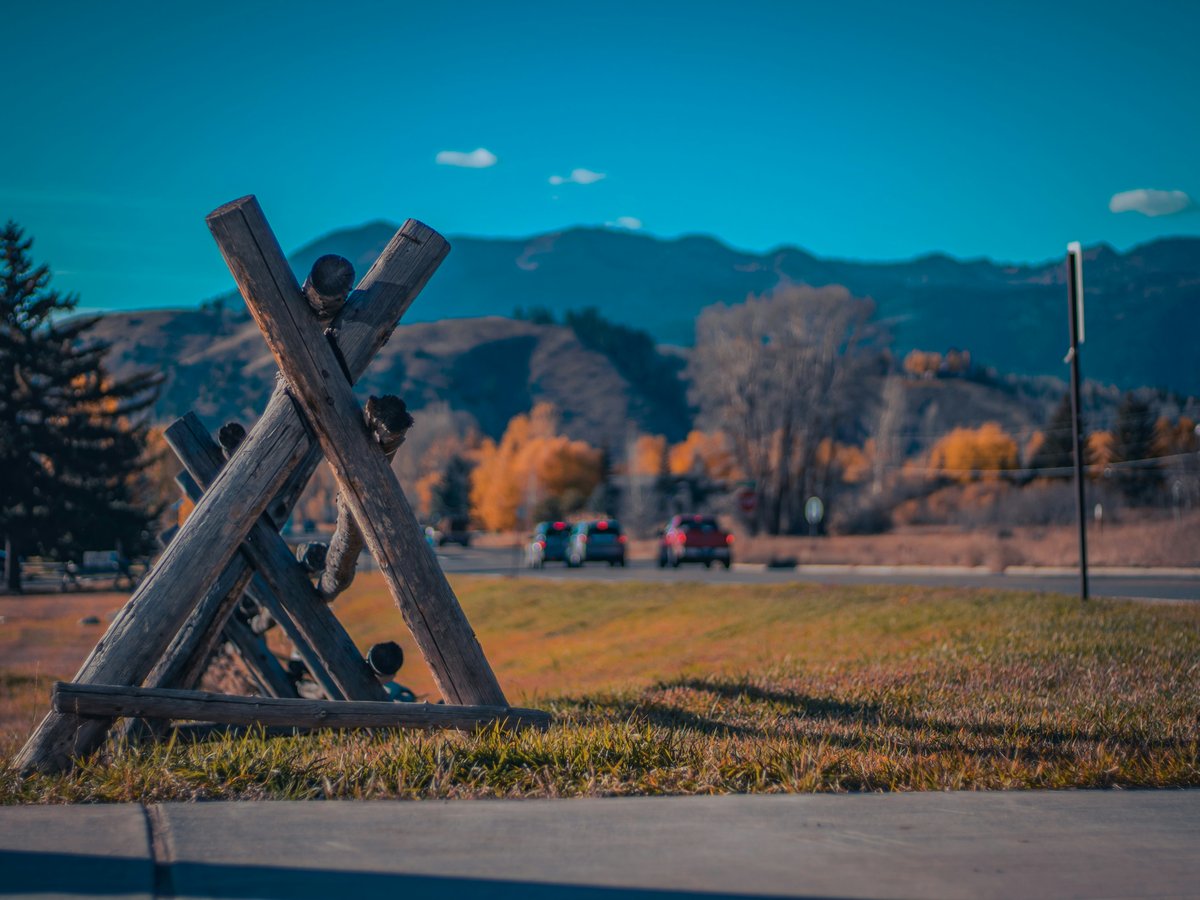
Shop the packing list (20 items)Jackson Hole sits at 1,901 meters, and that altitude drives everything you pack. On a clear September morning, you might wake up at the Anvil Hotel to 2°C air and a skim of frost on your rental car. By noon at the elk-antler arches on Town Square, it's 22°C. A packable down jacket, a decent wind shell, and a merino base layer handle 90% of conditions. Cotton is useless here. It holds sweat on a morning hike up Taggart Lake Trail and freezes against your skin when the wind kicks in at the overlook. Synthetic fabrics dry in an hour on a warm September afternoon in Jackson. Cotton stays clammy until you're back at the hotel.
The trail to Inspiration Point in Grand Teton National Park will test your shoes. It crosses loose scree, glacial moraine, and creek fords where your feet get wet in anything low-cut. Ankle-supporting hiking boots with aggressive tread are the right call. Town itself is casual. Worn-in sneakers work for dinner at Café Genevieve or a bourbon at the Million Dollar Cowboy Bar, where the barstools are literal leather saddles and nobody cares what's on your feet. Skip the dress shoes entirely. Even the Snake River Grill, probably the nicest restaurant in Jackson, rarely turns anyone away for wearing trail pants and a fleece.
UV radiation in Jackson runs roughly 25% stronger than at sea level. September's 14% humidity makes it worse. You won't notice you're burning because you're not sweating. Slather sunscreen on your face, ears, and the bridge of your nose before every morning hike. UV lip balm is not optional. The dry air will crack your knuckles and lips within 48 hours if you arrive from a coastal city. A 50ml tube of heavy moisturizer earns its bag space. Mind you, the glare off Jenny Lake on a clear afternoon will leave you squinting without polarized lenses, and a wide-brim hat keeps the back of your neck from turning red on exposed trails like Cascade Canyon.
Skip packing bear spray. You need it for any trail in Grand Teton or Yellowstone, but airlines prohibit it in both checked and carry-on luggage. Rent a canister at Teton Mountaineering on North Cache Street for about $10 per day, or buy one for around $50 at most shops in town; they generally accept returns on unused cans. Skip bottled water too. Tap water in Jackson comes from underground aquifers and tastes clean and cold straight from the faucet; a single bottle covers 8-10 hours on the trail. If you forgot a fleece or a base layer, Jackson's gear shops carry all the major brands, though popular sizes tend to thin out by late August.
Essentials
- Packable down jacket (morning-to-afternoon swings of 15-20°C are normal) Shop
- Wind-resistant shell jacket Shop
- Merino wool or synthetic base layer, never cotton Shop
- Ankle-supporting hiking boots with aggressive tread Shop
- SPF 50 sunscreen for face and ears Shop
- Lip balm with SPF 30+ (dry mountain air cracks lips fast) Shop
- Polarized sunglasses Shop
- Reusable water bottle Shop
- Headlamp (Grand Teton trailheads have no lighting after dark) Shop
- 2-3 pairs of wool or synthetic hiking socks Shop
Seasonal extras
- June through August: wide-brim sun hat for exposed trails Shop
- June through August: swimsuit for String Lake, one of the few swimmable spots in Grand Teton Shop
- June through August: DEET-based insect repellent for Snake River-area mosquitoes Shop
- September through October: fleece mid-layer for stacking under a shell Shop
- September through October: warm gloves for dawn wildlife watching at Oxbow Bend Shop
- September through October: knit beanie or ear-covering hat Shop
- November through April: insulated parka rated to -20°C Shop
- November through April: ski goggles if headed to Jackson Hole Mountain Resort Shop
- November through April: chemical hand warmers and toe warmers Shop
- Late June through mid-July: antihistamines if pollen-sensitive (sagebrush blooms heavily) Shop
Buy on arrival
- Bear spray: rent at Teton Mountaineering on North Cache St for roughly $10/day, or buy for around $50 (most shops accept returns on unused cans)
- Fleece or base layers at Jackson outdoor gear shops, often 20-30% below coastal retail prices
- Firewood for camping: gas stations along US-89 sell bundles for $7-8 (never transport wood across state lines)
- Hand warmers and toe warmers at any gas station or outdoor shop, $2-4 per pack
Last verified by automated review (v1.7.2) on . What is automated review?