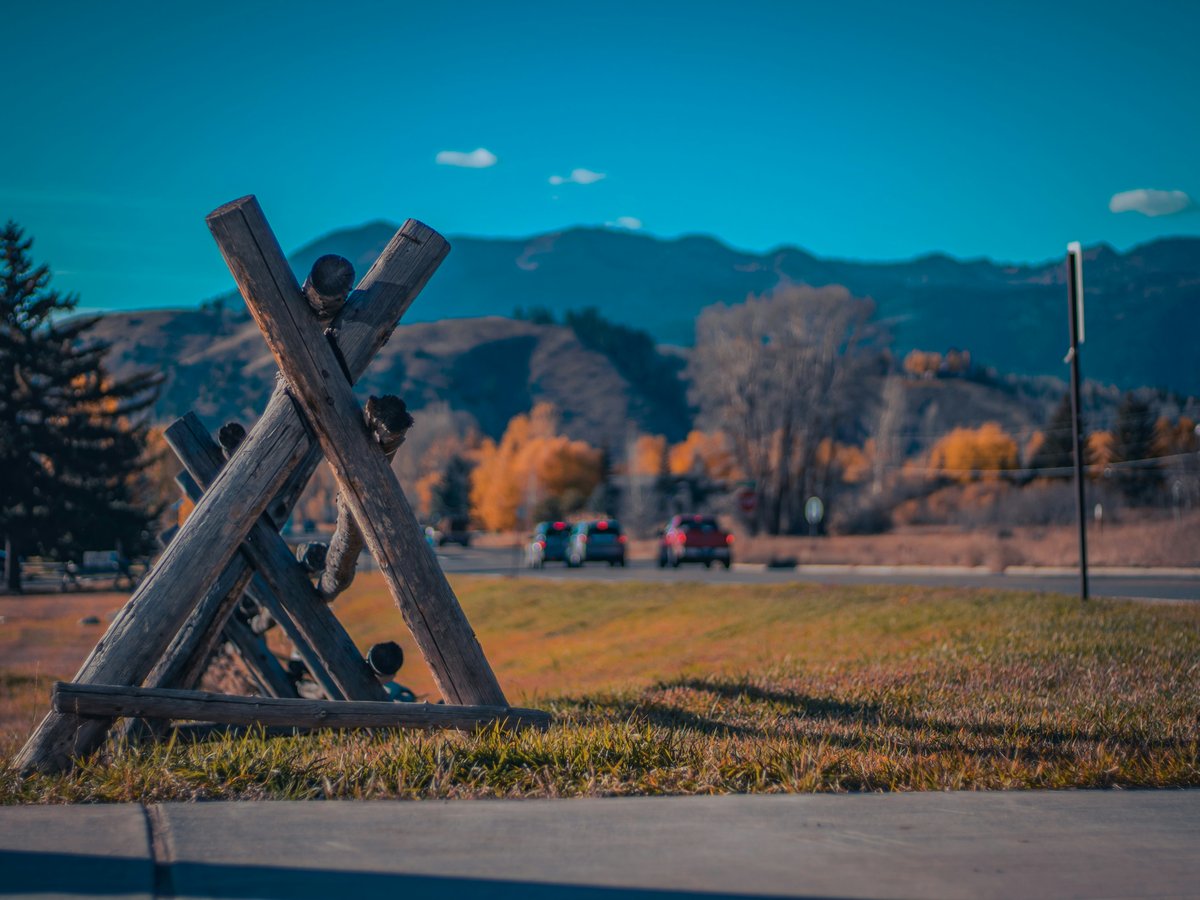
Best Time to Visit Jackson Hole, by Season
Jackson Hole's annual temperature swing covers 40 degrees, from January's -13.0°C lows to July's 27.3°C highs. Five-year climate data, projected month by month, with the single best window named for skiers, hikers, families, and budget travelers.
Published
1 Jackson Hole Swings 40 Degrees Between January and July, and That Gap Shapes Every Booking Decision
The wind bites at -13.0°C on a January morning in Jackson, Wyoming, sharp enough to sting exposed skin within seconds. Come back in July and that same Town Square sits under a 27.3°C afternoon, warm enough for sandals on the boardwalk. That 40.3-degree swing between January's coldest overnight and July's warmest daytime high creates two separate destinations under one name.
Winter holds December through February below freezing all day. Average highs run 0.6°C in December, -1.6°C in January, -0.3°C in February, with lows of -9.5°C, -13.0°C, and -11.3°C. The warm season stretches June through September, posting highs of 21.8°C, 27.3°C, 25.1°C, and 21.2°C. That December-through-February block, averaging -1.6°C for a January high, is ski country. The June-through-September block, peaking at 27.3°C in July, is hiking and wildlife territory. March and April fill the spring gap with highs of 4.0°C and 7.7°C. October and November fill the autumn gap, dropping from 13.1°C to 4.2°C.
September is the single best month for most travelers, averaging 21.2°C days and 5.2°C nights, but the verdict shifts by priority. A powder skier needs January's -13.0°C lows because those temperatures keep the Teton snowpack dry for weeks. A family hiking with children wants July's 10.1°C overnight floor, the warmest the valley gets after dark. A budget traveler does well in April, when 7.7°C highs arrive with lodging near its annual low.
That 40.3-degree swing between January and July creates two separate destinations under one name.
2 December Through February Averages Below Freezing All Day. Skiers Wouldn't Have It Any Other Way.
The crunch of packed snow at the base of Rendezvous Mountain carries a specific pitch at -9.5°C, December's average overnight low in Jackson Hole. By January, when nights drop to -13.0°C, that crunch turns to a high squeak against boot soles. Skiers who've spent seasons on Rendezvous Mountain know the difference by ear.
Jackson Hole's three-month ski core runs genuinely cold. December averages a high of 0.6°C and a low of -9.5°C. January is the coldest month on the calendar at -1.6°C daytime and -13.0°C overnight. February warms barely, to -0.3°C days and -11.3°C nights. That January low of -13.0°C sits colder than most Alpine resort towns in the same month, including Innsbruck and Chamonix.
February's -0.3°C high keeps morning powder dry through the afternoon on the Tetons. January's -13.0°C lows preserve the base layer across weeks. The trade-off is peak-season pricing. Teton Village lodging in January and February tends to run double or triple what the same room costs in April, when highs reach 7.7°C. The town of Jackson fills with ski traffic, and restaurant tables fill by 6 PM on weekends.
The three months differ in useful ways. February offers more daylight than January at nearly identical temperatures, -0.3°C versus -1.6°C for highs, -11.3°C versus -13.0°C for lows. December is the quieter bookend, though 0.6°C at the base sometimes produces wetter snow than January's drier -1.6°C powder. February's -0.3°C sits 1.3 degrees warmer on average, though both months produce excellent dry snow on the Tetons.
January delivers the best snow conditions at Jackson Hole Mountain Resort. February gives marginally longer days. December dodges peak-season density. Nobody should book Jackson Hole in this window without plans to ski or snowboard. At -13.0°C overnight, Jackson is not a strolling town.
3 March and April Are Mud Season. Budget Travelers Should Pay Attention.
Step outside a Jackson hotel in late March and the sidewalks are wet, not snowy. The freeze-thaw cycle at 4.0°C, March's average high, makes a mess of everything. Snowmelt pools in the parking lots of Teton Village, trail surfaces in Grand Teton National Park turn soft, and the whole town carries the restless feeling of winter winding down.
March averages a high of 4.0°C and a low of -9.0°C in Jackson Hole. April warms to 7.7°C days and -5.6°C nights. Neither month qualifies as comfortable for long outdoor hours. That -9.0°C March low carries real bite after sunset, and April's -5.6°C overnight floor means frost on windshields most mornings.
This is the shoulder season that Jackson Hole's tourism sites barely mention. Jackson Hole Mountain Resort typically winds down its upper lifts by early April. Summer hiking trails above the valley floor stay snow-covered well into May, when highs reach 13.5°C. Too late for reliable powder, too early for trail access. The gap between April's 7.7°C and May's 13.5°C represents a 5.8-degree jump that transforms the valley from dormant to green.
The compensation is pricing. Lodging drops to its annual low between mid-March and mid-May. The premium that January's -1.6°C ski season and July's 27.3°C hiking season command simply vanishes. You can walk into any restaurant in Jackson without a reservation.
Budget travelers who want the Teton scenery without peak-season cost should look at this window. Wildlife observers do well in April, when elk herds gather near the National Elk Refuge and 7.7°C highs are manageable in layers. March at 4.0°C is harder to recommend unless you're chasing late-season spring skiing. Mind you, if scenic drives and wildlife matter more than trails, April's -5.6°C mornings warming to 7.7°C afternoons are entirely workable.
4 May and June Warm From 13.5°C to 21.8°C Before the Summer Crowds Arrive
By mid-May in Jackson Hole, the smell of wet sage rises from the flats along the Snake River as afternoon sun pushes the air toward 13.5°C. Jackets come off. Windows roll down. After months below freezing, 13.5°C in the Teton Valley feels generous.
May averages a high of 13.5°C and a low of -1.0°C, warm enough for afternoon hikes but cold enough to frost at night. The jump to June is sharp. Highs climb to 21.8°C, lows rise to 5.2°C. That 8.3-degree increase in average high between May and June is the steepest month-to-month warming on the Jackson Hole calendar.
June tends to be the smart hiker's month. The 21.8°C afternoon temperature is warm without July's 27.3°C intensity. Night lows of 5.2°C in June mean comfortable camping and open-window sleeping along the Snake River valley. High-country trails in Grand Teton National Park open gradually through June as the snowpack recedes. June's 21.8°C high sits almost identical to September's 21.2°C, but with longer daylight hours at Jackson Hole's northern latitude.
Crowds build through June but haven't reached July levels. Lodging tends to sit below peak summer rates, particularly in early June before school breaks start. To be fair, June weather in the Tetons can be variable. A June afternoon might swing well below the 21.8°C average during a passing front, and the 5.2°C overnight low means the high country can still frost.
May at 13.5°C suits travelers who tolerate cool conditions and want the valley nearly empty. June at 21.8°C is for hikers who want warmth and long days before July's 27.3°C crowds arrive. Between the two, June is the stronger pick. The 8.3-degree jump in daytime high makes an outdoor trip to the Tetons meaningfully more comfortable.
5 July Peaks at 27.3°C With Full Crowds. August Cools to 25.1°C With Slightly Fewer.
The heat at 27.3°C in downtown Jackson during a July afternoon doesn't feel oppressive the way it would at sea level. The air in the Teton Valley is dry, the humidity low. But 27.3°C is unmistakably warm at any elevation, warm enough to make a midday hike on Cascade Canyon feel like a commitment.
July is Jackson Hole's warmest month, averaging 27.3°C for a high and 10.1°C for a low. August pulls back to 25.1°C days and 9.0°C nights. The 2.2-degree difference in highs between July and August might seem small, but it registers on the trail. Both months sit in full summer, though August runs cooler after dark at 9.0°C compared to July's 10.1°C. That 1.1-degree overnight difference reflects August's slow seasonal turn toward September's 5.2°C nights.
This is peak season for pricing and crowds in every sense. July's 27.3°C and August's 25.1°C coincide with school holidays, family road trips, and the busiest window for Grand Teton and Yellowstone National Parks. Teton Park Road fills by mid-morning on July weekends. Lodging reaches its annual peak alongside the December-February ski window, the classic two-peak pricing pattern that Rockies resort towns share.
August at 25.1°C is the marginally better pick between the two months. The 9.0°C overnight versus July's 10.1°C is functionally identical for comfort, but crowds thin noticeably in the second half of August as families with school-age children leave. Late August, with temperatures stepping from 25.1°C toward September's 21.2°C, offers a transitional window where summer warmth stays but traffic recedes.
July suits travelers locked to school schedules who want peak warmth on the Tetons. August is the same trip at 2.2 fewer degrees with more breathing room. If your calendar has flexibility, skip both. September's 21.2°C at a fraction of July's pricing makes both months look like the overpay.
6 September Averages 21.2°C With Thin Crowds. It's the Best Month for Most Travelers.
The first thing you notice about Jackson Hole in September is the light. It lands at a lower angle than summer, casting long shadows across the Teton Range by 4 PM, and the aspen groves on the hillsides shift from green to gold against a sky that runs deep blue rather than August's hazy white.
September averages a high of 21.2°C and a low of 5.2°C in Jackson Hole. Compare those to June at 21.8°C and 5.2°C. Nearly identical temperatures, identical overnight lows, but September arrives after July's 27.3°C and August's 25.1°C crowd peak has cleared out. School-holiday traffic vanishes from Town Square and Teton Park Road.
The 21.2°C high is warm enough for full days on trail in Grand Teton National Park without overheating. The 5.2°C low is cool enough for good sleep but stays well above the -1.6°C and -0.3°C lows of January and February. For hiking, trail running, or scenic drives through the Tetons, September occupies a comfort band that neither the ski months nor peak summer can match.
A caveat. September's 5.2°C overnight low means frost at higher elevations, and weather systems arrive more frequently than in the stable July-August window. A September afternoon in Jackson can swing below the 21.2°C average during a front. Layers matter in the Tetons this time of year.
September also sits at a pricing sweet spot between summer's peak and the ski-season premium. Late-November lodging starts climbing as December's 0.6°C ski-season rates approach. September catches the gap before that happens.
September's 21.2°C days and 5.2°C nights, combined with post-summer crowd levels and pre-ski pricing, make it the strongest month for the widest range of visitors to Jackson Hole.
September's 21.2°C days and 5.2°C nights make it the strongest month for the widest range of visitors.
7 October Starts at 13.1°C, November Drops to 4.2°C, and Jackson Hole Goes Quiet
October mornings in the Teton Valley arrive with frost on the grass at -0.7°C, the month's average overnight low. By 11 AM, the sun pushes temperatures toward the 13.1°C high, and the remaining fall color on the hillsides glows in low-angle light.
October averages 13.1°C for a high and -0.7°C for a low in Jackson Hole. November drops to 4.2°C and -7.4°C. That 8.9-degree decline in average high from October to November is the steepest autumn cooling on the calendar, nearly matching the 8.3-degree spring warming between May and June.
Early October remains a solid travel window. The 13.1°C high is brisk but workable in a fleece, and the -0.7°C overnight low, while frosty, stays well above December's -9.5°C and January's -13.0°C. Lower-elevation trails in Grand Teton National Park remain accessible. Wildlife activity picks up as elk herds move through the valley near the National Elk Refuge. The 13.1°C October high and -0.7°C low bracket a range comparable to May's 13.5°C and -1.0°C, two months that bookend the warm season with nearly identical numbers.
November, at 4.2°C and -7.4°C, is a harder sell. Too cold for enjoyable hiking, too early for reliable ski terrain at Jackson Hole Mountain Resort. The town enters its second quiet period, mirroring the March-April mud season on the other side of the calendar. That parallel is close to exact. November's 4.2°C high sits beside March's 4.0°C. November's -7.4°C low beside March's -9.0°C.
Early October suits travelers who prefer cool, clear weather and thin crowds at post-summer pricing. Late October and November serve few visitors beyond residents. By November's -7.4°C lows, the practical move is to wait for December's 0.6°C high and the return of ski season on the Tetons.
8 The Final Verdict: September for Most, January for Skiers, April for Value
Sit on the deck of any Jackson lodge in September and the Tetons carry a warm 21.2°C glow in afternoon light, while the 5.2°C evening chill says summer is ending. That combination of warmth, quiet, and value makes September the default recommendation for any traveler whose schedule allows it.
For skiers, January's -1.6°C days and -13.0°C nights deliver the driest powder on the Teton Range. February at -0.3°C and -11.3°C runs a close second with more daylight. December's 0.6°C high is the less crowded entry point into ski season.
For hikers locked to school schedules, July's 27.3°C high and 10.1°C overnight floor give the warmest possible conditions in the Tetons. August at 25.1°C trades 2.2 degrees of heat for thinner crowds after mid-month. June at 21.8°C offers September-like temperatures before the summer surge fills Teton Park Road.
For budget travelers, April's 7.7°C high and -5.6°C low come with the valley's lowest annual lodging rates. March at 4.0°C is colder but follows the same pricing pattern.
For wildlife and photography, early October at 13.1°C brings elk migration near the National Elk Refuge and fall color across the Teton hillsides without summer's premium pricing.
The two months to avoid are November and late March. November at 4.2°C and -7.4°C and March at 4.0°C and -9.0°C sit between seasons, offering neither the snow of January's -13.0°C nor the warmth of July's 27.3°C.
For skiers, January. For hikers, September. For budget travelers, April. The temperature data makes the choice.
Last verified by automated review (v1.7.2_onboard-jackson-hole-flagship-2026-09-03) on . What is automated review?