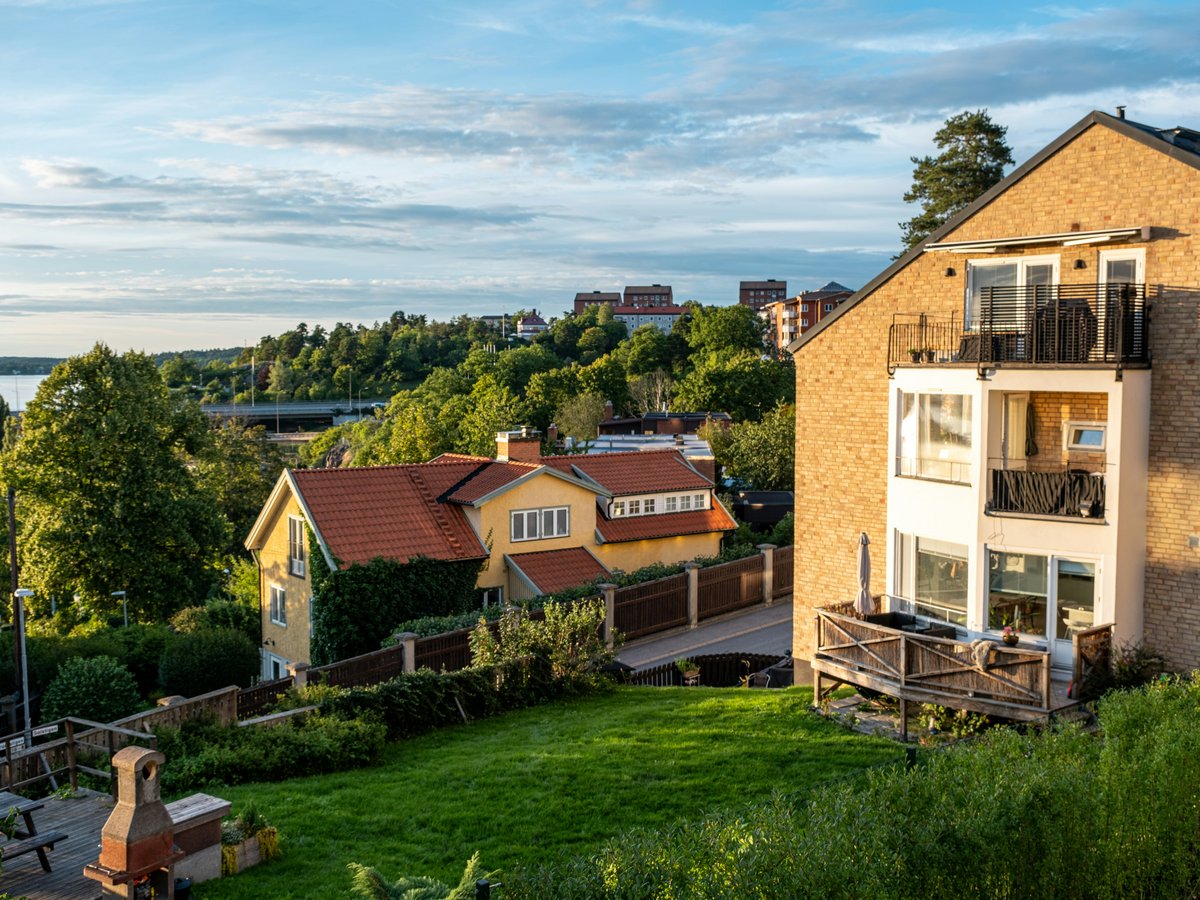
Lidingo, or Lidingö as it's properly spelled in Swedish, is not a shopping destination in any conventional sense. It's an affluent residential island of roughly 48,000 people connected to Stockholm by the Lidingöbron bridge, and most Lidingo residents commute into the city center for serious retail. What you'll find here instead is a handful of well-kept neighborhood centers that cater to daily life, a few independent boutiques that lean toward Scandinavian design and outdoor gear, and seasonal markets tied to the island's strong community culture. The shopping that exists tends to reflect who lives here. Families with disposable income, retirees, runners training for the annual Lidingöloppet cross-country race. Worth noting, Millesgården's museum shop is likely the single best reason to buy something on the island. If you came to Lidingo expecting a retail strip, you'll leave with groceries and a nice candle. That said, the neighborhood squares have a quiet charm that the big Stockholm malls don't.
Shopping districts
-
Lidingö Centrum
mid-range to upper-midThe island's main commercial hub, situated in the Torsvik area and reachable by bus from the Ropsten metro terminal in about 10 minutes. This is where most of the Lidingo retail concentrates. You'll find an ICA supermarket, a Systembolaget (the state liquor monopoly), pharmacies, a few clothing shops, opticians, and service businesses like dry cleaners and hair salons. The center was renovated in recent years and feels clean and modern, if a bit quiet on weekday mornings. A couple of cafés sit at street level. The shops here serve residents running errands, not tourists browsing. Prices track with the island's demographic, which is to say mid-range to slightly above Stockholm norms for everyday goods.
Best for: Daily essentials, groceries, pharmacy, and quick errands in one stop
-
Baggeby Torg
mid-rangeA smaller neighborhood square in the western part of Lidingo, closer to the Lidingöbron bridge crossing. Baggeby has a more intimate feel than Lidingö Centrum. There's a convenience store, a pizzeria or two, and a few small service shops. The buildings around the square date from the mid-20th century and the area retains that 1950s Swedish suburb character. You might find the occasional independent boutique or florist here, but this is primarily a neighborhood convenience stop. Locals pop in for bread and a coffee. It tends to be quieter than Centrum and has a slightly more lived-in atmosphere.
Best for: A quick coffee and a look at everyday Swedish neighborhood life
-
Larsberg
mid-rangeA developing area on Lidingo's southwestern tip, close to the bridge. Larsberg has seen new residential construction and some commercial space has followed. There's a small Hemköp or similar supermarket and a handful of service-oriented businesses. The area is still filling in and feels newer than the rest of the island. Not a destination for shopping in itself, but if you're staying nearby, the grocery options are solid. The waterfront location gives it a different feel from the more inland centers.
Best for: Groceries and basics if you're staying in the southern part of the island
-
Millesgården Museum Shop
upper-mid to highNot a district, but the single most interesting retail experience on Lidingo. The museum shop at Millesgården, Carl Milles' former home and sculpture garden in Herserud, sells Scandinavian design objects, art books, prints, ceramics, and jewelry inspired by the collection. The quality tends to be high and the selection is curated with real taste. It's the kind of shop where you might spend 200 to 500 SEK on a small item and feel good about it. The garden itself has an admission fee of around 175 SEK for adults, and you'll want to visit the sculptures regardless.
Best for: Design gifts, art books, ceramics, and the only genuinely distinctive shopping on the island
Markets
-
Lidingo Loppis (Flea Markets)
fleaFlea markets pop up periodically on Lidingo, often organized by local associations, schools, or churches. The Lidingö Hembygdsförening (local heritage society) has historically organized markets, and you'll sometimes see listings for loppis at community halls or outdoor spaces around the island. Given the island's affluent population, you might stumble across surprisingly good secondhand finds. Scandinavian furniture, quality children's clothing, vintage kitchenware. Dates vary and tend to appear in local Facebook groups or on sites like loppis.se rather than on any fixed schedule.
Irregular, typically spring through autumn weekends. Check local listings.
-
Lidingo Christmas Market
seasonal and artisanAround late November and into December, smaller Christmas markets appear on the island, sometimes connected to Millesgården or to local churches and schools. These tend to sell advent candles, glögg (mulled wine), pepparkakor (ginger snaps), handmade ornaments, and knitted goods. They're community affairs rather than large commercial operations. Millesgården's holiday programming in particular creates a nice atmosphere, with the sculpture garden lit for the season. Expect to pay 30 to 80 SEK for handmade decorations.
Late November through mid-December, typically weekends
-
Seasonal Farmers' and Garden Markets
food and gardenDuring warmer months, you might find small seasonal stalls or garden sales on Lidingo, sometimes connected to Elfviks Gård or other estate properties on the island. These lean toward locally grown produce, herbs, flowers, and preserves. The island's garden culture is strong given the proportion of villa housing, so plant sales and garden society events appear in spring. These are small-scale and community-oriented, not formal farmers' markets in the Copenhagen or Stockholm Östermalm sense.
Spring and summer, dates vary by organizer
Souvenirs worth bringing home
Honestly, Lidingo-specific souvenirs are limited. Your best bet is the Millesgården shop, where you can pick up prints, postcards, and small design objects connected to Carl Milles' work. A reproduction of one of Milles' angel figures or a book on his sculptures makes a genuinely local gift that you won't find elsewhere. Beyond that, Swedish design staples (Dala horse figurines, linen textiles, wooden kitchen tools) are available in Stockholm proper with far more selection. If you visit during a local loppis, vintage Swedish ceramics from makers like Gustavsberg or Rörstrand sometimes turn up at reasonable prices, and those carry more character than anything mass-produced. For food, Swedish chocolate from Marabou or a bag of Löfbergs coffee from any supermarket works as an affordable, portable gift.
Practical tips
- Payment methods
- Sweden is one of the most cashless societies on earth. Lidingo follows this pattern completely. Card payments (Visa, Mastercard) are accepted at nearly every shop, café, and market stall. Many vendors also accept Swish, Sweden's mobile payment app, though you'll need a Swedish bank account and phone number to use it. Carrying cash is not necessary and some smaller shops may decline it.
- Opening hours
- Most shops in Lidingö Centrum open around 10:00 and close by 18:00 on weekdays. Saturday hours tend to be shorter, roughly 10:00 to 15:00 or 16:00. Sunday openings are limited, though supermarkets like ICA typically operate reduced Sunday hours (around 11:00 to 17:00). Millesgården's museum shop follows the museum's hours, which are generally 11:00 to 17:00 Tuesday through Sunday. Plan Lidingo shopping errands for weekday mornings if you want the full selection of open stores.
- Getting to Lidingo from central Stockholm
- Take the tunnelbana (metro) to Ropsten station, which sits at the end of the red line. From Ropsten, Lidingo-bound buses cross the Lidingöbron bridge and reach Lidingö Centrum in about 10 minutes. The old Lidingöbanan tramway that once served the island has been under renovation, so check SL.se for current transit options. An SL travel card or the SL app covers all fares within the Stockholm region, including Lidingo.
- Tax-free shopping
- Non-EU residents can claim VAT refunds (Sweden's VAT rate is 25%) on purchases over 200 SEK at participating stores through the Global Blue or Tax Free Worldwide schemes. That said, very few shops on Lidingo participate in tax-free programs. You'll have more luck claiming refunds at larger Stockholm retailers. Save your receipts and process refunds at Arlanda Airport before departure.
FAQ
Is Lidingo worth visiting specifically for shopping?
Not really, to be frank. Lidingo's retail is geared toward residents, not visitors. The one exception is the Millesgården museum shop, which sells genuinely distinctive Scandinavian design pieces and art books you won't find in central Stockholm. If you're already visiting Millesgården's sculpture garden (and you should, it's one of Stockholm's best cultural sites), the shop is worth 20 to 30 minutes of browsing. Otherwise, Stockholm's Östermalm, Södermalm, and Gamla Stan offer far better shopping variety.
Are there any good vintage or secondhand shops on Lidingo?
Lidingo doesn't currently have permanent secondhand shops of the kind you'd find on Södermalm in Stockholm. However, the island's periodic loppis (flea markets) can yield quality finds, particularly Scandinavian mid-century furniture and ceramics, because the local population tends to have good things to sell. Check loppis.se or local Lidingo Facebook groups for upcoming dates, which cluster between April and October.
What are typical prices for everyday items on Lidingo?
Grocery prices at ICA in Lidingö Centrum are comparable to other Stockholm-area supermarkets. A loaf of bread runs around 30 to 45 SEK, a liter of milk about 15 SEK, and a coffee at a local café typically costs 40 to 55 SEK. Clothing and specialty items at Lidingo's smaller shops tend to sit slightly above Stockholm average, reflecting the island's affluent demographic. The Millesgården shop prices design objects from about 150 SEK for small items up to 1,000 SEK or more for ceramics and prints.
Can I use US dollars or euros for purchases on Lidingo?
No. Lidingo shops accept Swedish kronor (SEK) only, and most prefer card or Swish payments over cash entirely. Visa and Mastercard are universally accepted. Bring a card with no foreign transaction fees if possible, as ATMs on the island are limited. The closest currency exchange services are in central Stockholm at Ropsten or Cityterminalen.
Last verified by automated review (v1.7.2) on . What is automated review?